Running Shoes
Adidas Adizero Evo vs Nike Zoom Fly 6: Two Fast Trainers, Two Different Ideas
A lower, lighter single-foam shoe against a plated dual-density super trainer. Here is how the Adidas Adizero Evo and Nike Zoom Fly 6 compare for speed work, long runs, and daily training.
Introduction
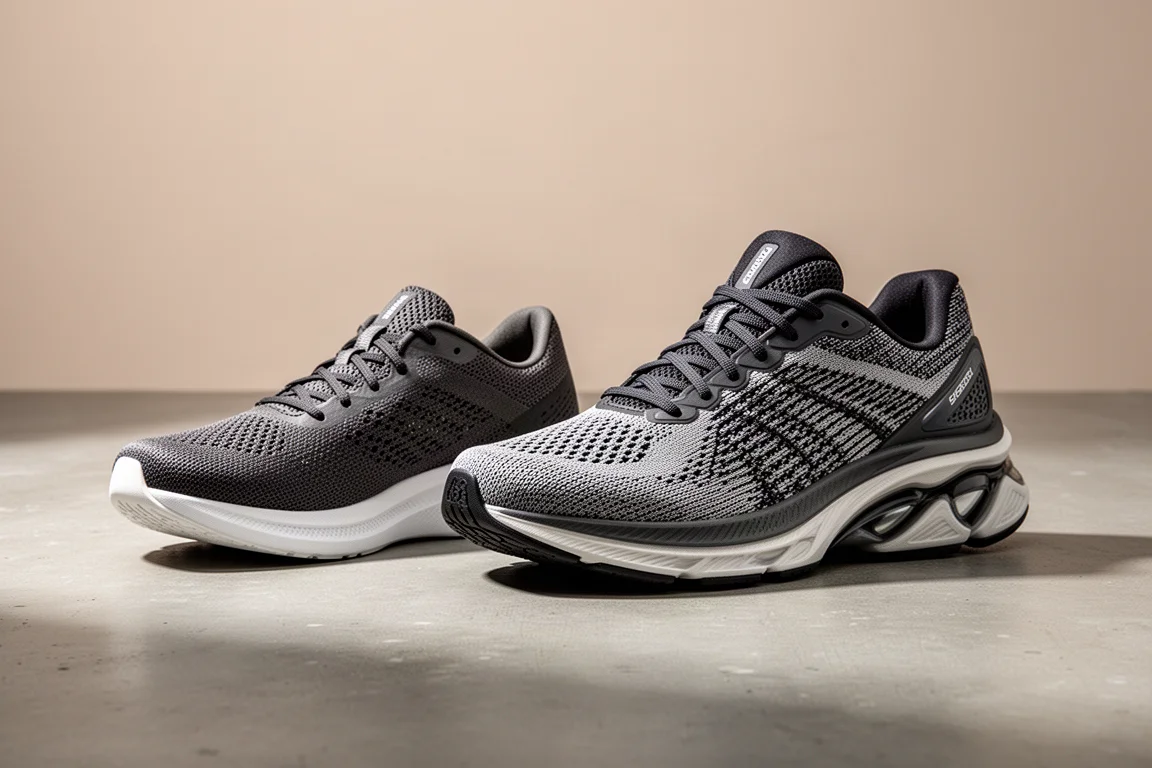
The Adidas Adizero Evo and the Nike Zoom Fly 6 are both fast training shoes, but they take very different routes to that brief. The Zoom Fly 6 is a classic super trainer with a dual-density midsole and a full-length plate. The Adizero Evo is a lower-profile, lighter shoe with a single foam and just a nylon shank in the midsole.
In some ways they are not directly comparable, and that is exactly what makes this pairing interesting. Both are genuinely versatile trainers that can handle anything from relaxed easy runs to hard reps, but they reward different kinds of running and different kinds of runners.
Specs and Value at a Glance
Adidas is the cheaper shoe here at £130 in the UK and $150 in the US, while the Nike comes in at $155 or £170. Adidas is also the lighter shoe, weighing 224g (7.9oz) against the Nike’s 266g (9.4oz) in the same size.
On geometry, the Adizero Evo runs a 6mm drop with a 39mm heel and 33mm forefoot stack. The Zoom Fly 6 sits higher with an 8mm drop, 42mm at the heel and 34mm at the forefoot. Both shoes fit true to size in testing, with one sizing note for UK shoppers: the Adidas comes up slightly smaller in UK sizing, though a normal UK size worked fine in both.
Construction: How They Are Built
The Adizero Evo keeps things deliberately simple. There is a minimal lightweight mesh upper with modest collar padding and a small internal heel counter, a Light Strike Pro midsole (the same foam family as the Adios Pro 3, slightly firmer than the foam in the Adios Pro 4), and a small nylon shank around the midfoot for a touch of stiffness. The outsole uses Continental rubber on the forefoot with two strips of clear rubber at the rear.
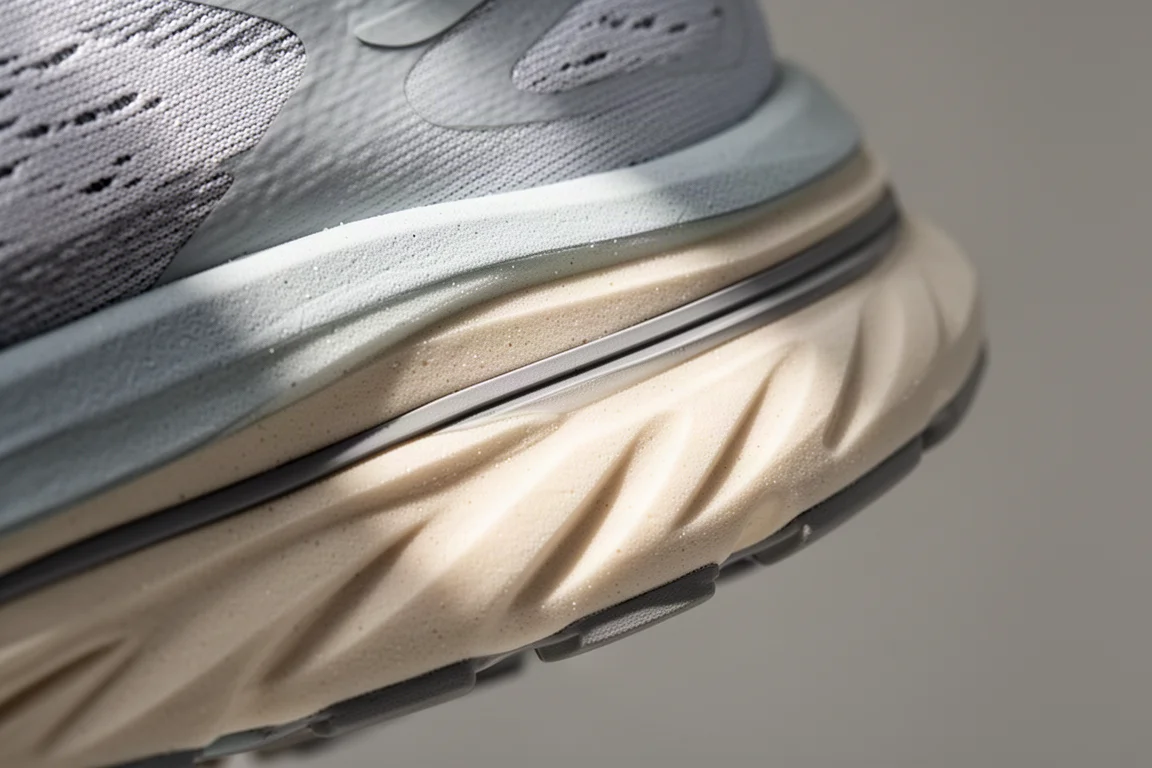
The Zoom Fly 6 is the more built-up construction. Its two-layer woven mesh upper has more padding around the heel, a higher heel tab, and more internal structure, making it the more comfort-focused of the two. The midsole is dual density, with bouncy ZoomX foam on top and a firmer, more stable SR2 carrier foam underneath, separated by a full-length carbon plate. The rubber outsole covers the forefoot and heel with a much larger midsole cutout than the Adidas.
Fit and Everyday Comfort
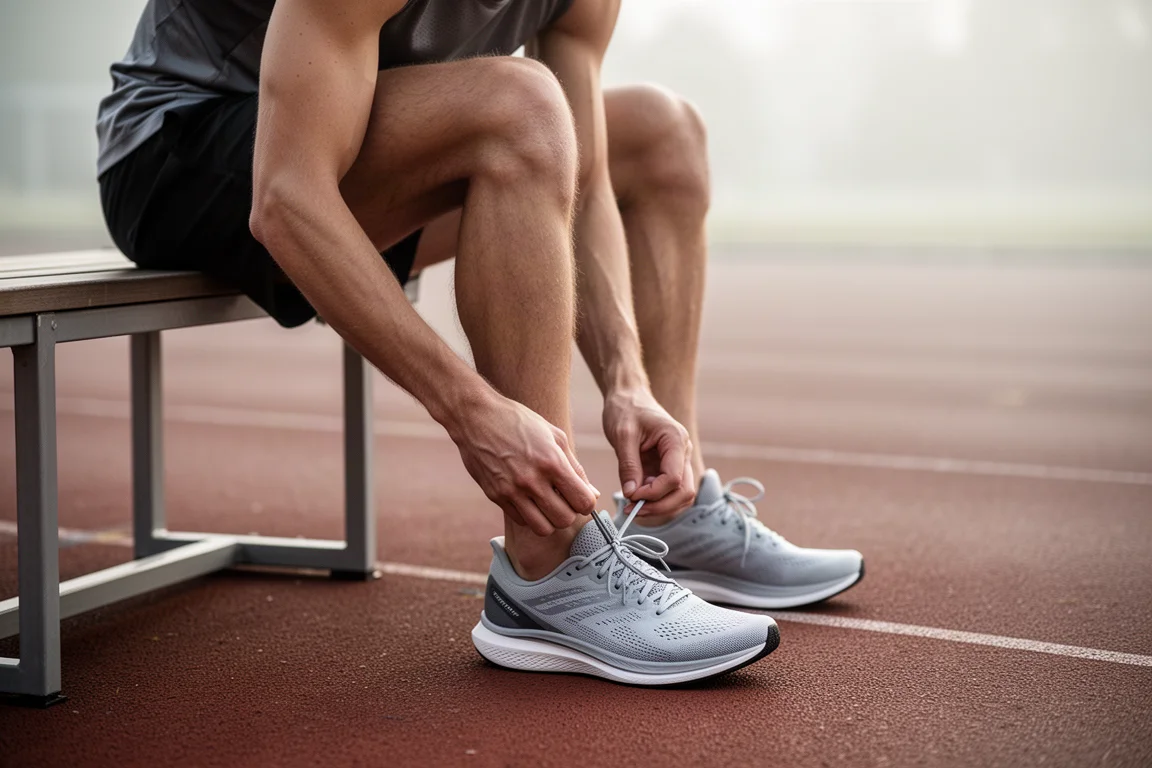
Both uppers are genuinely comfortable for shoes that lean towards speed work, with enough padding to work for relaxed daily training as well. The Nike offers the roomier, more padded fit, while the Adidas sits a little more snug, particularly around the midfoot if you are converting from UK sizing.
Neither shoe demanded a size adjustment in testing, so the practical advice is simple: stick with your normal size for both brands and expect the Zoom Fly 6 to feel slightly more accommodating around the foot.
Ride Feel: Speed Work vs Cruising
Over 100k in each shoe (140k in the Nike), both proved versatile and enjoyable across a wide range of runs, excelling at the faster end of training while still having the gears for easy paces. The difference is in how the speed arrives.
The Zoom Fly 6 feels bigger on the foot and is not as immediately quick when you pull it on. It feels like a cruiser, but one you can push to genuinely high speeds: mile reps on the track, hard progression runs finishing at very fast paces, and steady long runs at a decent clip. That is where it excels. The high stack, the plate, and the comfort combine into a shoe that is very good at holding fast paces for long periods.
The Adizero Evo feels immediately quick, more like a rep shoe. You land into a soft wedge of foam, especially at the heel, and get strong energy return from the foam itself rather than from a plate pushing you onto the forefoot. The transition is still excellent, with a very sharp rocker delivering a nice lift off the toes, but it does not roll through the foot strike the way the Nike does. Interestingly, the foam seems to break in: the ride has arguably got softer and bouncier over time rather than bottoming out, which is reassuring for anyone worried about durability.

Stability and Trade-offs
The main knock against the Adidas is stability on relaxed runs, especially at longer distances. Even though the Zoom Fly 6 has a higher stack with soft foam on top, its firmer base layer, slightly wider base (particularly at the heel), and the plate combine into a more solid, stable landing. The Adidas feels softer and allows a little more inward roll, helped along by a narrow pinch point and cutout on the medial side.
That makes the Adidas slightly more geared for speed, and if you are a neutral runner who does not worry about stability, it is still a very enjoyable easy-run shoe thanks to its soft, bouncy foam. But for long runs, long races, or long progression runs, the Nike’s stability and plate help you sustain speed and hold a natural, easy rhythm.

Which One Should You Buy?
Both shoes are excellent and could even sit together in a rotation covering different sessions. The Zoom Fly 6 is the safer pick for heavier runners, newer runners, anyone with stability concerns, and anyone doing marathon training with regular runs over 10 miles. It is also the better all-round single shoe, and the better option as a standalone racer for half marathons and marathons.
The Adizero Evo is the pick if you mostly run shorter distances, love short sharp speed work, want a soft feeling underfoot, more ground feel, and a lighter, nimbler, more fun shoe. It is cheaper, too, and it works as a 5k and 10k racer. For daily runs of 10-16k and track intervals up to around 800m, it is the more enjoyable of the two.
Conclusion
These are two of the best fast trainers you can currently put in a rotation. The Nike Zoom Fly 6 is the more capable all-rounder and the right choice if you need one shoe to do everything, especially long-distance training and longer racing. The Adidas Adizero Evo is lighter, nimbler, softer, more fun, and better suited to shorter runs and speed work, and it is the one many runners will reach for simply because it is such a joy on daily training.
Product link
View more details for Adidas Adizero Evo
This product is mentioned in the review. Check the specifications, options, and compatibility before buying.
View more details for Adidas Adizero EvoFurther reading
Related Reviews

Running Shoes
Best Road-to-Trail Running Shoes: Three Versatile Options for Mixed Terrain
A practical guide to three road-to-trail running shoes that handle both pavement and mild trails, with clear strengths and trade-offs for different runner types.

Running Shoes
Best Running Shoes for Achilles Tendonitis: Three Options Explained
Three running shoes with different heel drops and support features designed to help reduce Achilles tendon pain during walking and running.

Running Shoes
Best Running Shoes for Women: Five Top Choices Ranked
A ranked guide to five women's running shoes, from versatile daily trainers to high-performance racing options, with real strengths and trade-offs for each.