Running Shoes
Adidas Adizero Evo SL vs Tier Maverick V1 Runner: Two $150 Lightweight Trainers Compared
Two similar lightweight trainers at the same price with very different rides. Here's how the Evo SL and Maverick V1 Runner compare for tempo runs, long runs, and everyday training.
Introduction
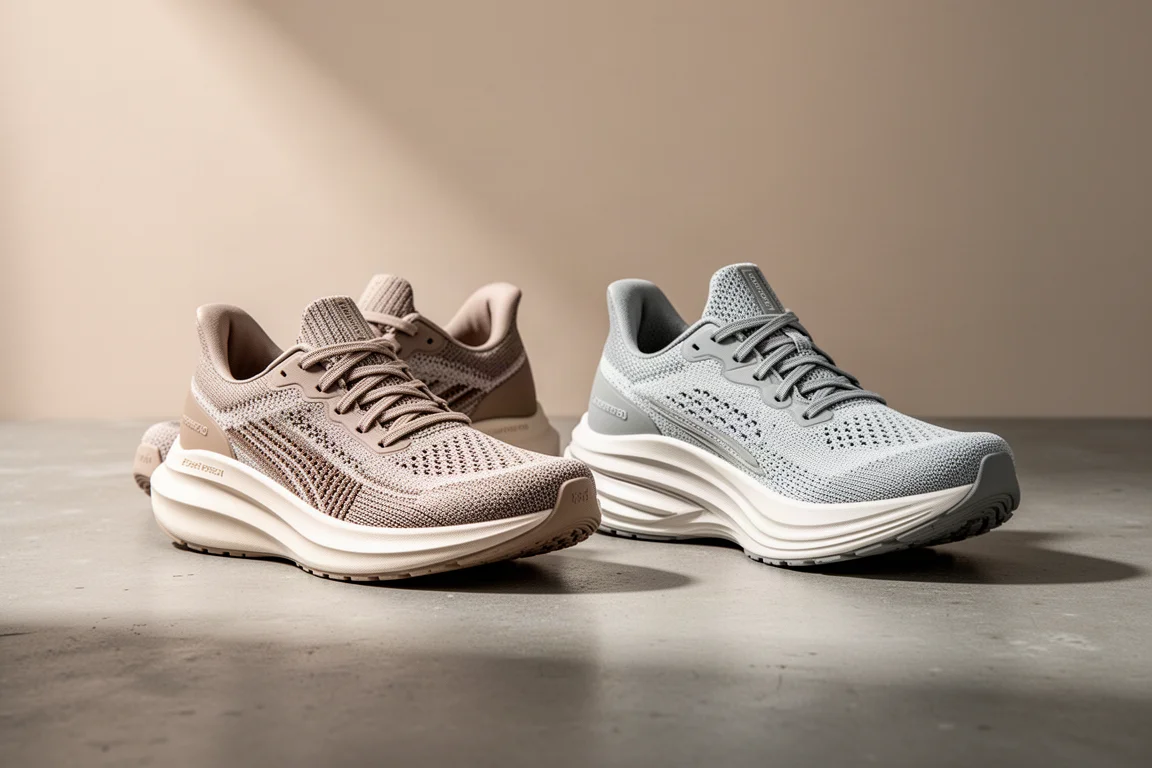
The Adidas Adizero Evo SL and the Tier Maverick V1 Runner are remarkably similar on paper. Both are lightweight trainers, both retail at $150, and both come from brands taking running seriously, with Tier being a newer entrant to the running shoe space that has put out a genuinely solid product early on. Where they diverge is in feel: one favors bounce and faster paces, the other favors a rolling rhythm and longer efforts. Choosing between them comes down to how you actually run.
Specs and First Impressions
In a men’s size 10, the Adidas Adizero Evo SL weighs 232 grams, or about 8.2 oz. The Tier Maverick V1 Runner comes in slightly lighter at 224 grams, around 7.9 oz. Stack height flips that relationship: the Maverick is the taller shoe despite weighing less, with 44 mm in the heel and 36 mm in the forefoot for an 8 mm drop. The Evo SL sits at 37 mm in the heel and 30.5 mm in the forefoot for a 6.5 mm drop. Neither shoe is plated, though the Evo SL does include a shank.
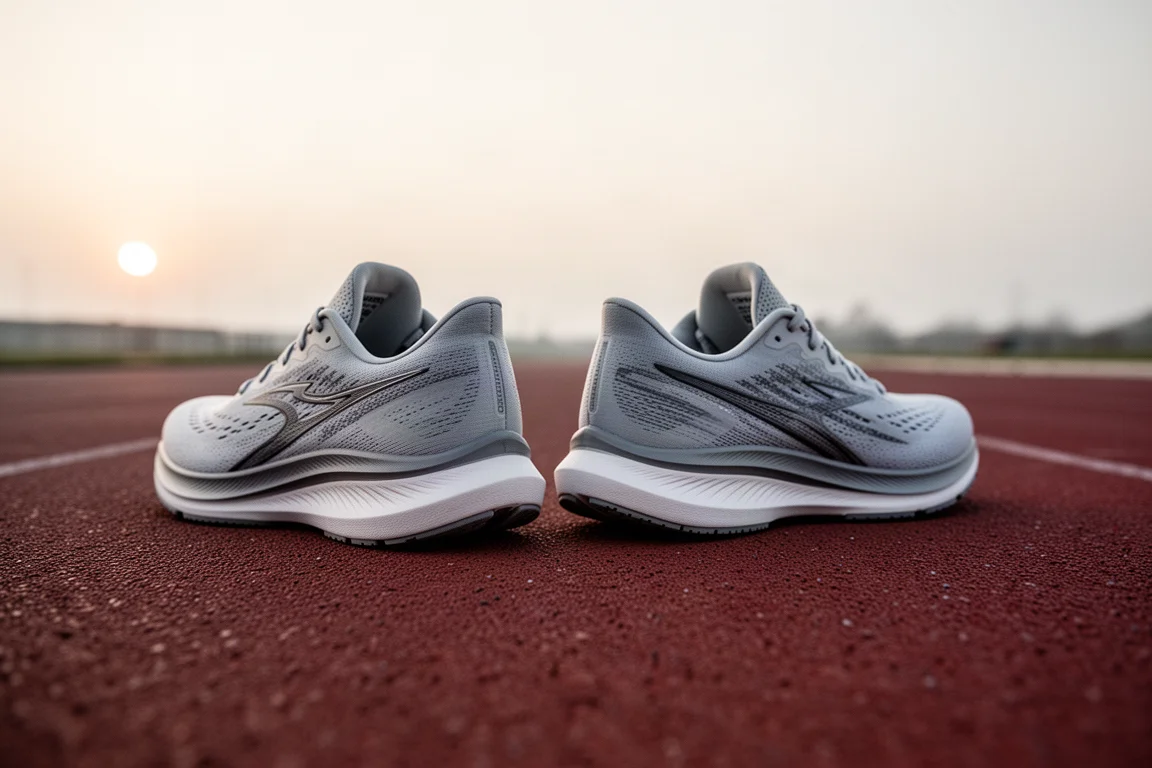
Both shoes are strong value at $150, a price bracket where many comparable performance trainers sit at $180, $200, or even $240 or more. For lightweight trainers, that makes both worth a close look.
Ride and Midsole: Bounce vs Rocker
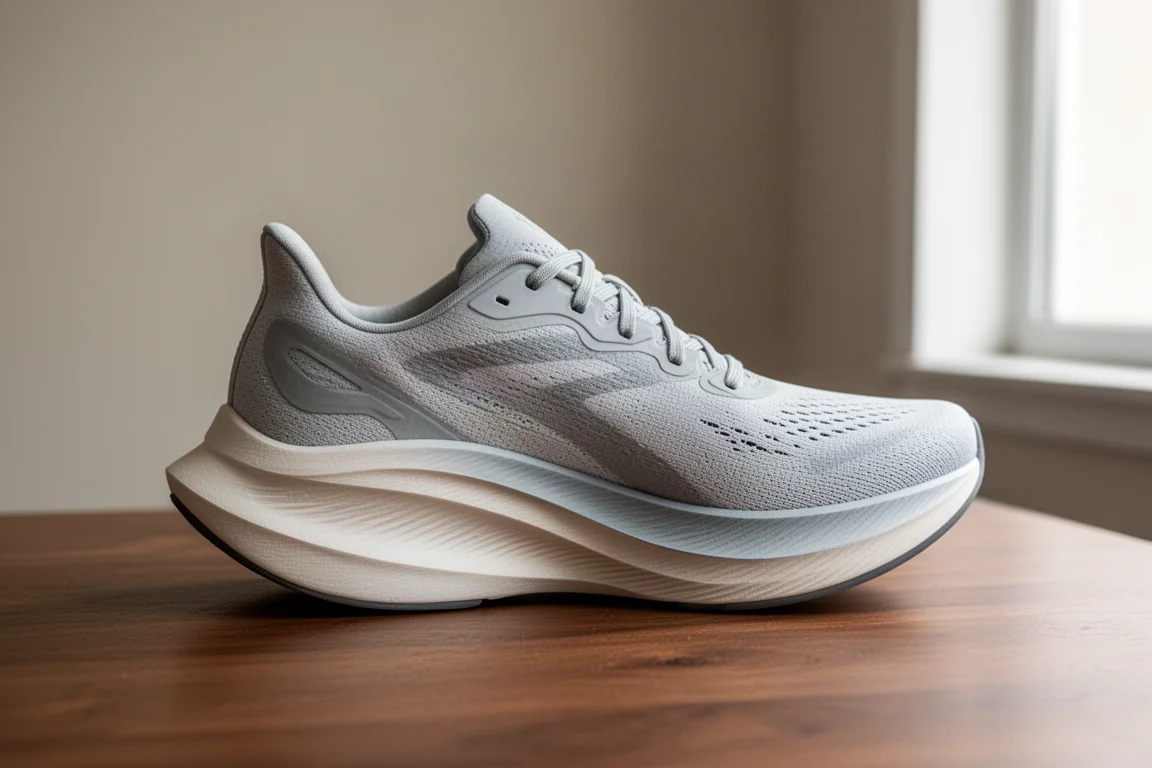
The Evo SL uses a Lightstrike Pro midsole and is the softer of the two. It has noticeably more bounce and a snappy, springy feel off the foot, with a small rocker that makes it versatile across faster paces. It handles uptempo runs, tempo runs, and even quicker efforts very well, and it could serve as a potential racing shoe for runners whose super shoes are not working out. The trade-off is a narrow midfoot that makes it less stable, which can show up on long runs.

The Maverick takes a different approach. Its Flight Time midsole has some bounce, but the shoe’s defining trait is a much more pronounced rocker. There is a designed lateral sole flare meant to bounce you forward, and the forefoot rocker is massive, rolling you forward quickly and helping you lock into a rhythm. That makes it excellent for long runs and good for tempo work, but the aggressive rolling effect holds it back when you try to run genuinely fast.
Stability, Structure, and Uppers
Neither shoe is a stability shoe, but they differ in structure. The Evo SL is very neutral, sitting nicely in the middle with a pleasant posterior heel bevel that helps the lateral heel transition, though the narrow midfoot limits stability over long distances. The Maverick has good sidewalls, a wider sole relative to its midfoot, and a well-designed sole flare, making it slightly more stable overall. Notably, if you tend to roll too far to the outside, the Maverick’s lateral heel flare pushes you quickly toward the inside, which can wear on you at slower paces.
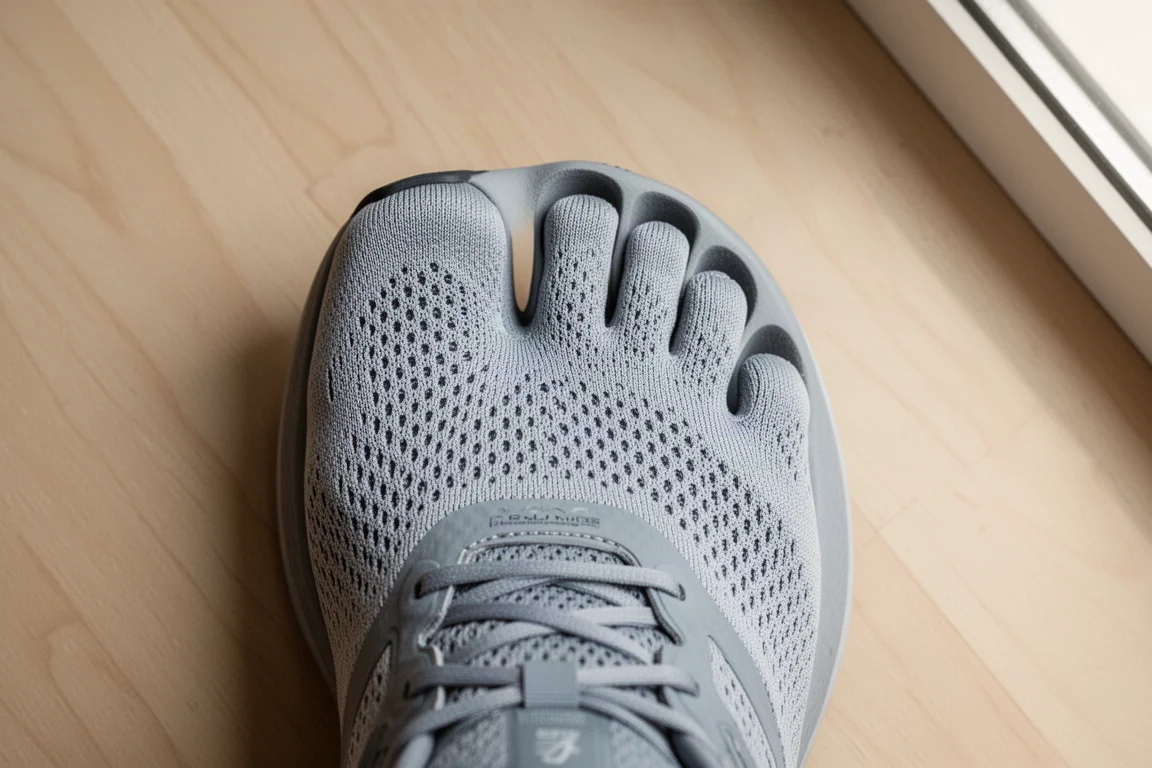
Both uppers fit comfortably and run slightly wide with fairly low volume. The Maverick’s anatomic toe box is a standout, giving plenty of room for toes to spread, which is unusual in a shoe with an 8 mm drop since most anatomic-toe-box shoes run 0 to 4 mm or so. Its upper, however, is a bit stiff and low volume, feeling slightly short, and can irritate sensitive tops of the feet. The Evo SL’s upper is much softer and stretches a little, with a more snug and secure fit from fewer overlays. It is the better pick for sockless running, though it has a slightly aggressive toe guard. If you want an anatomic toe box, go Tier; if you want a soft, flexible, more traditional fit, go Evo.
Durability and Value
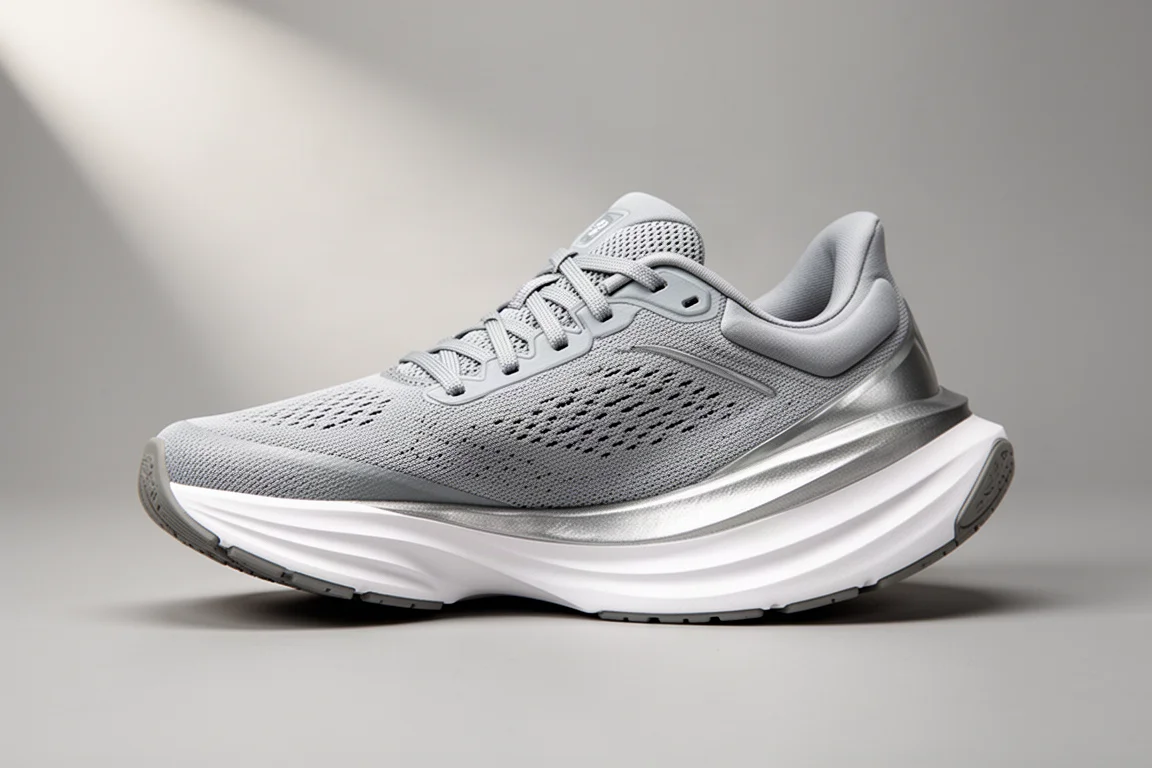
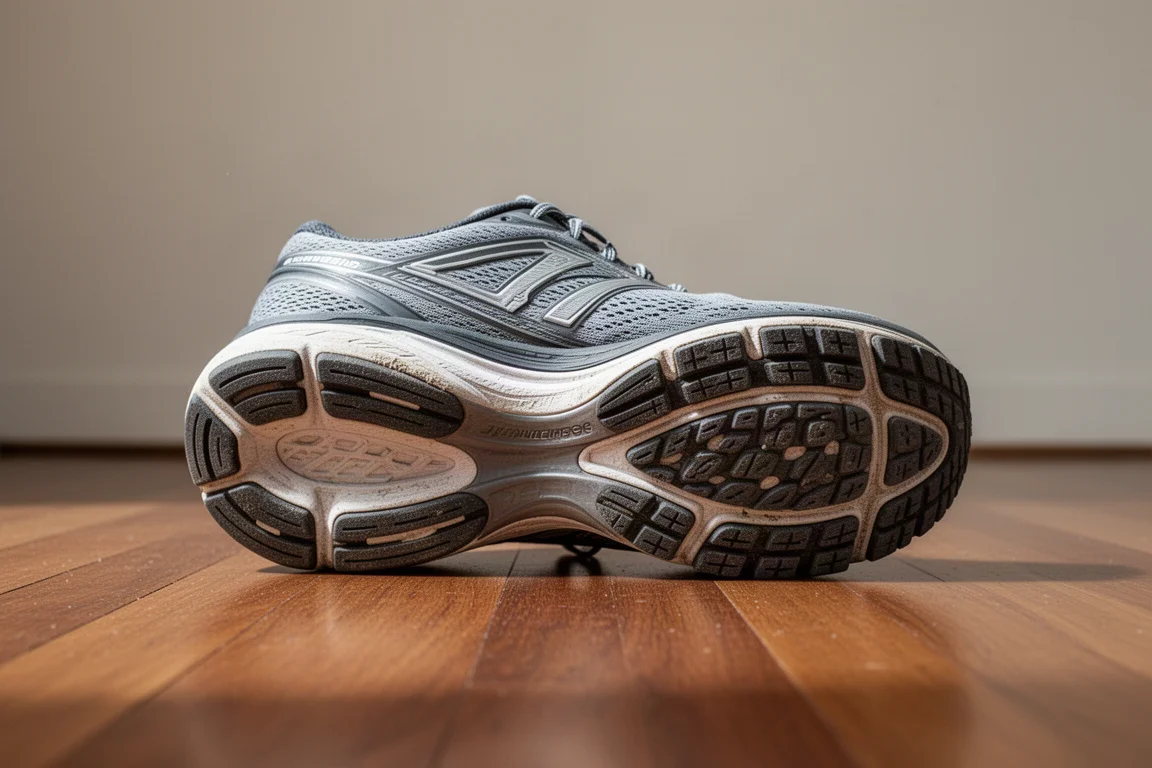
Both shoes show fairly average durability at this stage. The Evo SL’s outsole ripped off at about 70 miles, though the shoe remained runnable. The Maverick has held up slightly better at 80 miles, with no rips but some straightening of the outsole. Neither result is alarming, and most runners will get normal mileage from either option, with a slight edge to the Maverick so far.
At $150 each, both deliver a lot of performance for the price, and both are the kind of shoes likely to hit sale prices soon. That makes them an easy recommendation for anyone after a lightweight trainer, as long as the ride character matches your needs.
Conclusion
The Adizero Evo SL is the better pick if you want bounce, versatility at faster paces, and a soft upper. The Maverick V1 Runner is the better pick if you want an aggressively rolling rhythm ride, a taller stack, an anatomic toe box, and a more traditional 8 mm drop. Both are excellent lightweight trainers at $150, and the right choice depends less on quality and more on which shoe matches your running style.
Further reading
Related Reviews

Running Shoes
Best Road-to-Trail Running Shoes: Three Versatile Options for Mixed Terrain
A practical guide to three road-to-trail running shoes that handle both pavement and mild trails, with clear strengths and trade-offs for different runner types.

Running Shoes
Best Running Shoes for Achilles Tendonitis: Three Options Explained
Three running shoes with different heel drops and support features designed to help reduce Achilles tendon pain during walking and running.

Running Shoes
Best Running Shoes for Women: Five Top Choices Ranked
A ranked guide to five women's running shoes, from versatile daily trainers to high-performance racing options, with real strengths and trade-offs for each.