Running Shoes
Adidas Adizero Evo SL vs Saucony Endorphin Speed 5: Which Uptempo Daily Trainer Should You Buy?
Two versatile uptempo daily trainers compared on fit, ride feel, stability and value, with clear advice on which shoe suits your running.
Introduction
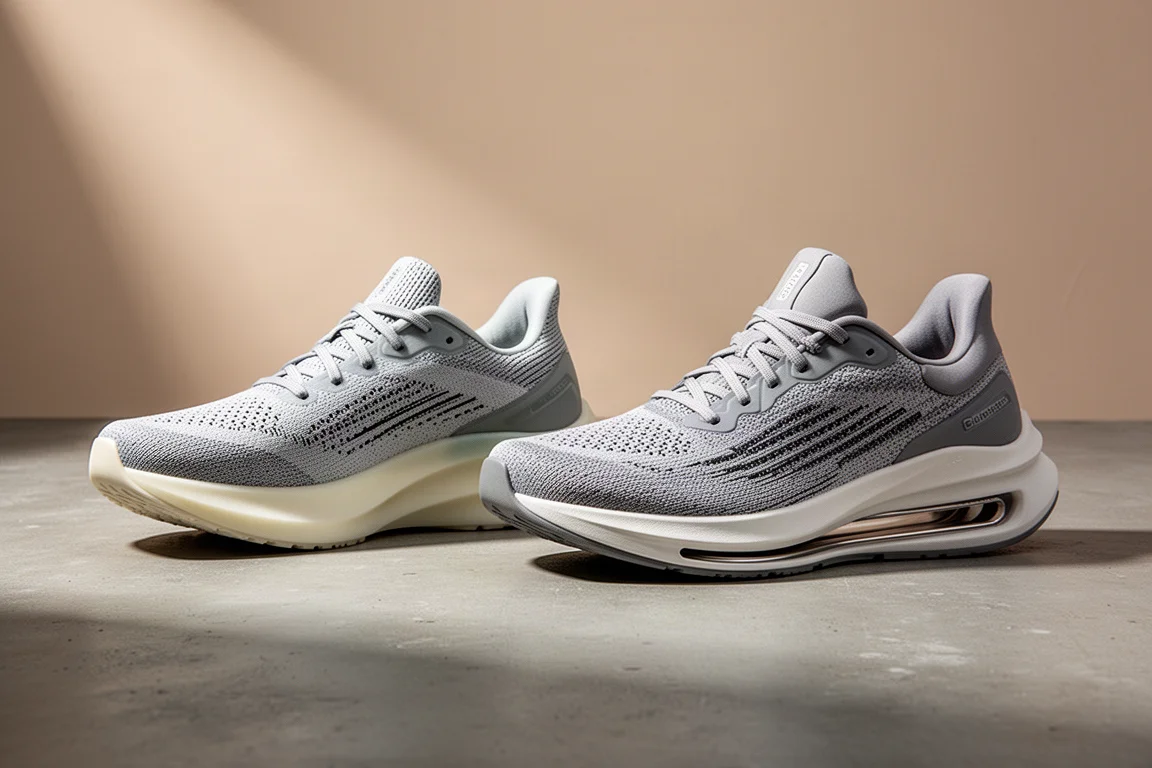
If you are shopping for an uptempo daily trainer that can handle faster sessions and even the occasional race, the Adidas Adizero Evo SL and the Saucony Endorphin Speed 5 are two of the most interesting options on the shelf. Both are light, both are versatile, and both have been getting a lot of attention from runners looking for one shoe to cover a wide range of runs.
The interesting part is that although these shoes sit in the same category, they take very different approaches to getting you down the road quickly. After extended testing in both, the differences in ride feel, fit and stability are enough that most runners will have a clear favourite. Choosing between them mostly comes down to how you like a shoe to feel underfoot and how much you value stability versus bounce.
Key Differences at a Glance
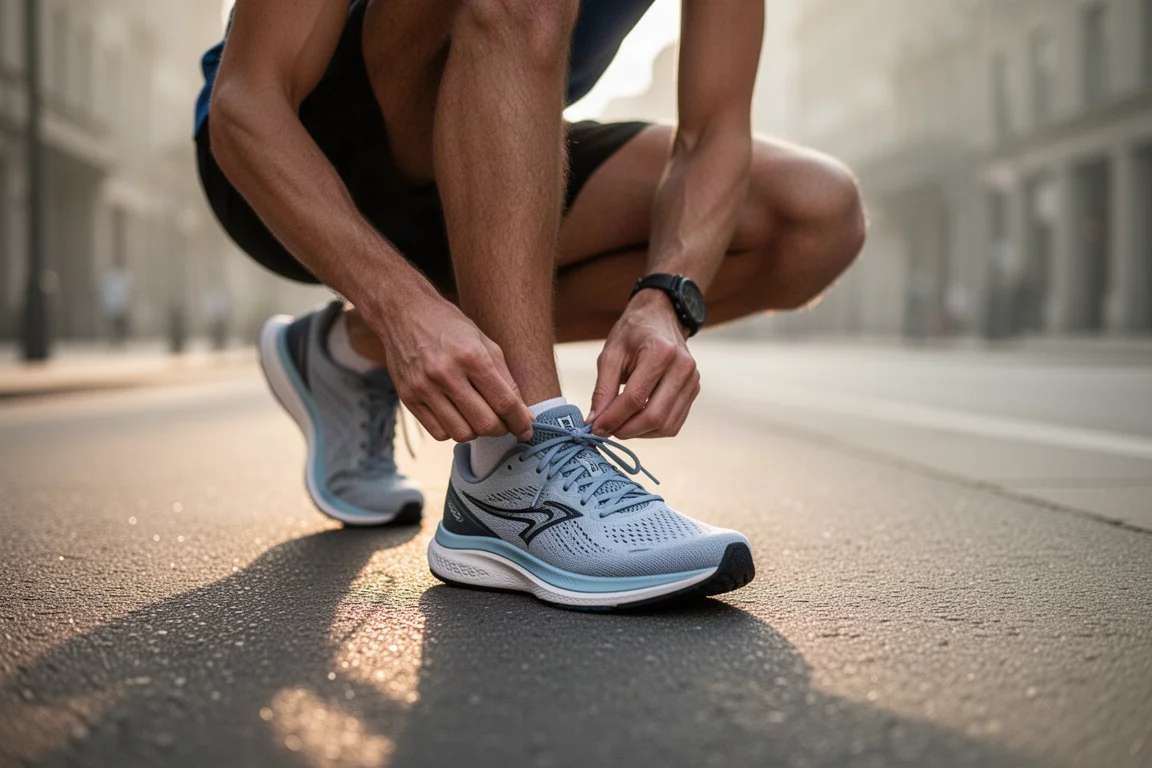
On price, the Adidas Adizero Evo SL is the cheaper of the two shoes, and by a meaningful margin. In terms of weight, the Evo SL comes in slightly lighter on the scales, though both are very light for daily trainers.
The geometry differs too. The Endorphin Speed 5 has a higher drop, while the Evo SL offers a higher stack at both the heel and the forefoot. In the uppers, the Speed 5 provides more padding in the tongue, whereas the Evo SL uses a skinnier, more gusseted style.
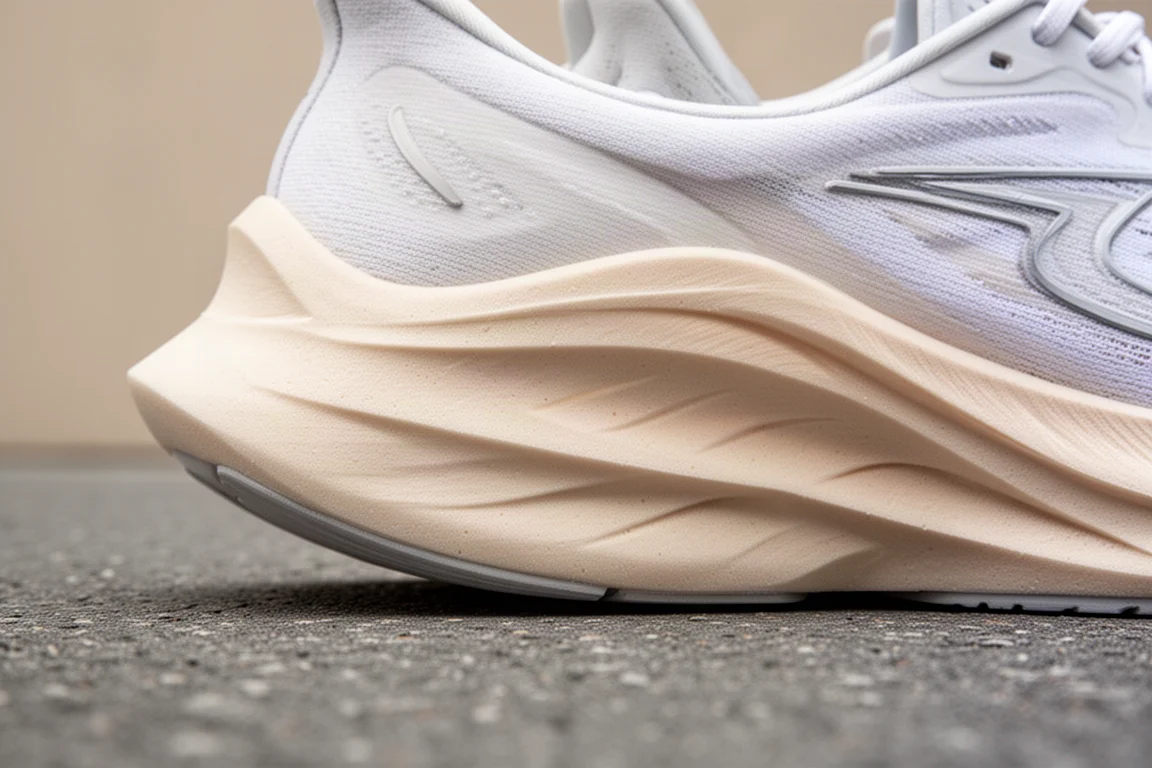
The midsoles are where the biggest gap sits. Saucony uses its Power Run PB foam alongside a nylon plate set inside its Speedroll rocker design. The Evo SL uses Lightstrike Pro foam with a forefoot rocker and no plate, which still delivers a similar rolling sensation. Underneath, Adidas is not overly generous with its Continental rubber, while the Speed 5 features rubber in similar areas with some exposed midsole to keep weight down.
Fit and Sizing
Fit is one area where the two shoes genuinely diverge. Testers in the UK found the Evo SL runs closer to the toe box end of the scale, with most going half a size up from their usual size. One tester, a UK size eight, took the Evo SL in an 8.5 after trying the size eight and finding the toes touching the front. The resulting fit was comfortable and surprisingly roomy for a performance Adidas shoe, with generous space in the forefoot and midfoot, a lean feel and a good balance of comfort and lightness.
The Endorphin Speed 5, by contrast, fitted true to size for the same UK size eight tester, with a roomier front to the upper than previous versions, plenty of toe space, and still a solid lockdown in the midfoot with well-judged padding.
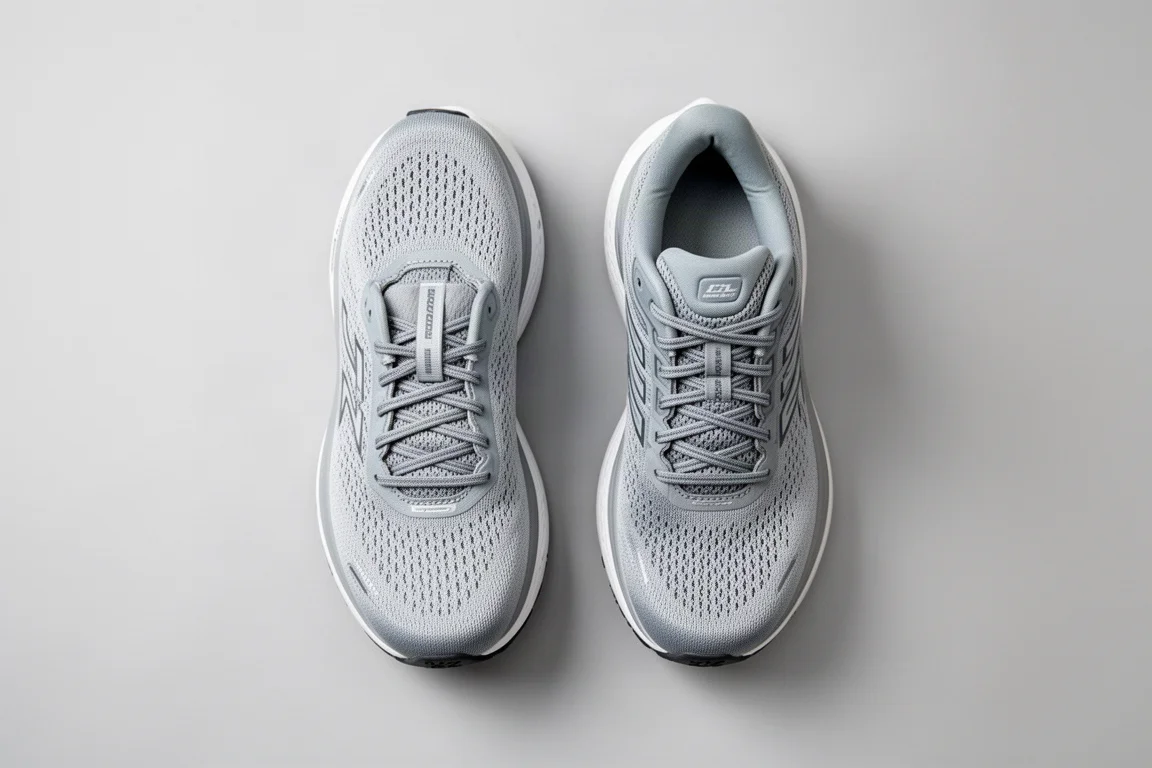
For wider feet, the Evo SL is the more accommodating shoe. It opens up more in the midfoot and forefoot, and testers with narrower feet noticed that extra room. The trade-off is the skinnier laces and thin gusseted tongue, which can shift out of place if the lockdown is not dialled in carefully. The Speed 5 uses a more traditional lacing layout with more tongue padding and a slightly more padded heel collar, while the Evo SL’s heel area feels a little thinner.
One practical note for UK buyers: the two brands convert to different US sizes for the same UK size, so check the conversion carefully before ordering. Outside the UK, sticking to your normal running shoe size worked well for both shoes.
Ride Feel and Performance
The main difference between these shoes comes down to the midsole. The Evo SL uses Lightstrike Pro foam throughout with no plate, and the result is a genuinely enjoyable, bouncy ride. It handles easy runs well, even if it is not the very best easy-run shoe available, and it truly comes alive when you pick up the pace. The foam bounces you along, the forefoot rocker rolls you efficiently, and the ride feels natural and fun rather than aggressive.
The Endorphin Speed 5 takes a different route. Its Power Run PB foam is a proven compound, though not as soft and springy as some newer super foams. What the Speed 5 offers instead is quick responsiveness and a very effective, smooth rocker that works at any pace. As a heel striker’s shoe, it is easy to find rhythm in: a soft landing at the back, a gentle roll onto the forefoot, and a fast, skimming transition at quicker paces. The nylon plate is notably flexible, and the shoe actually feels less stiff overall than the Evo SL despite carrying a plate.

On stability, the Endorphin Speed 5 has the edge. It sits with a bit more width, has no lateral side cutout, and the full-length plate with its wings adds structure. The Evo SL is the wobblier of the two, and some runners will find it too unstable for easy runs, though plenty will be perfectly happy.
At outright pace, the two are hard to split. Both have handled hard tempo runs, rep sessions, parkrun-level efforts and relaxed days with equal confidence. The Evo SL gives you slightly more bounce and explosion, the Speed 5 gives you that silky smooth rocker, and both deliver a very effective ride across a range of paces. Outsole grip has held up well in both, including in wet conditions, though neither has the most generous rubber coverage in the category. Both are best kept to roads and pavements.
Durability and Value
Durability reports favour the Speed 5 slightly, with a good level of rubber coverage and a reputation for holding up over many kilometres. The Evo SL’s Continental rubber forefoot and clear rubber heel have proven surprisingly grippy and reasonably durable in testing so far.
On value, the Evo SL is the standout. Its pricing punches far above its weight, and many runners would happily have paid more for what it delivers. The Endorphin Speed 5 costs more, but it continues the excellence of a well-established line rather than reinventing anything, and you are paying for that extra stability and racing pedigree.
Which One Should You Buy?
If you want one shoe to do a bit of everything and stability matters to you, the Endorphin Speed 5 is probably the safer pick. It is more stable at easy paces, feels cruisy when you back off, and steps up to racing very well indeed. It is the better choice if you want a snappier, faster-feeling shoe in this category.
If you prefer a softer, bouncier, more cushioned ride, or you are adding a fast trainer to a rotation that already includes a dedicated race shoe, the Evo SL does the job brilliantly and saves you serious money. For many runners, it offers much of what the Speed 5 does for considerably less.
Both shoes excel at the same kinds of running: tempo work, reps, relaxed cruising and even some racing. You could happily put both in a rotation, but if it came down to one, the value case leans clearly toward the Evo SL for most buyers.
Conclusion
The Adidas Adizero Evo SL and the Saucony Endorphin Speed 5 are both excellent uptempo daily trainers, and either would serve most runners extremely well. The Evo SL wins on price, bounce and comfort, and is the more accommodating fit for wider feet once you go half a size up. The Speed 5 wins on stability, smoothness and racing pedigree, and feels like the more secure all-rounder. Pick the Evo SL for value and a softer, springier ride, or the Speed 5 if you want a slightly faster, more stable shoe you can also race in.
Product link
View more details for Adidas Adizero Evo SL
This product is mentioned in the review. Check the specifications, options, and compatibility before buying.
View more details for Adidas Adizero Evo SLFurther reading
Related Reviews

Running Shoes
Best Road-to-Trail Running Shoes: Three Versatile Options for Mixed Terrain
A practical guide to three road-to-trail running shoes that handle both pavement and mild trails, with clear strengths and trade-offs for different runner types.

Running Shoes
Best Running Shoes for Achilles Tendonitis: Three Options Explained
Three running shoes with different heel drops and support features designed to help reduce Achilles tendon pain during walking and running.

Running Shoes
Best Running Shoes for Women: Five Top Choices Ranked
A ranked guide to five women's running shoes, from versatile daily trainers to high-performance racing options, with real strengths and trade-offs for each.