Running Shoes
Adidas Adizero Evo SL vs Saucony Endorphin Speed 4: Which Versatile Trainer Should You Pick?
Two super-trainer standbys with plush midsoles, nylon stiffening, and flexible rides. Here is how they differ in weight, feel, fit, and durability.
Introduction
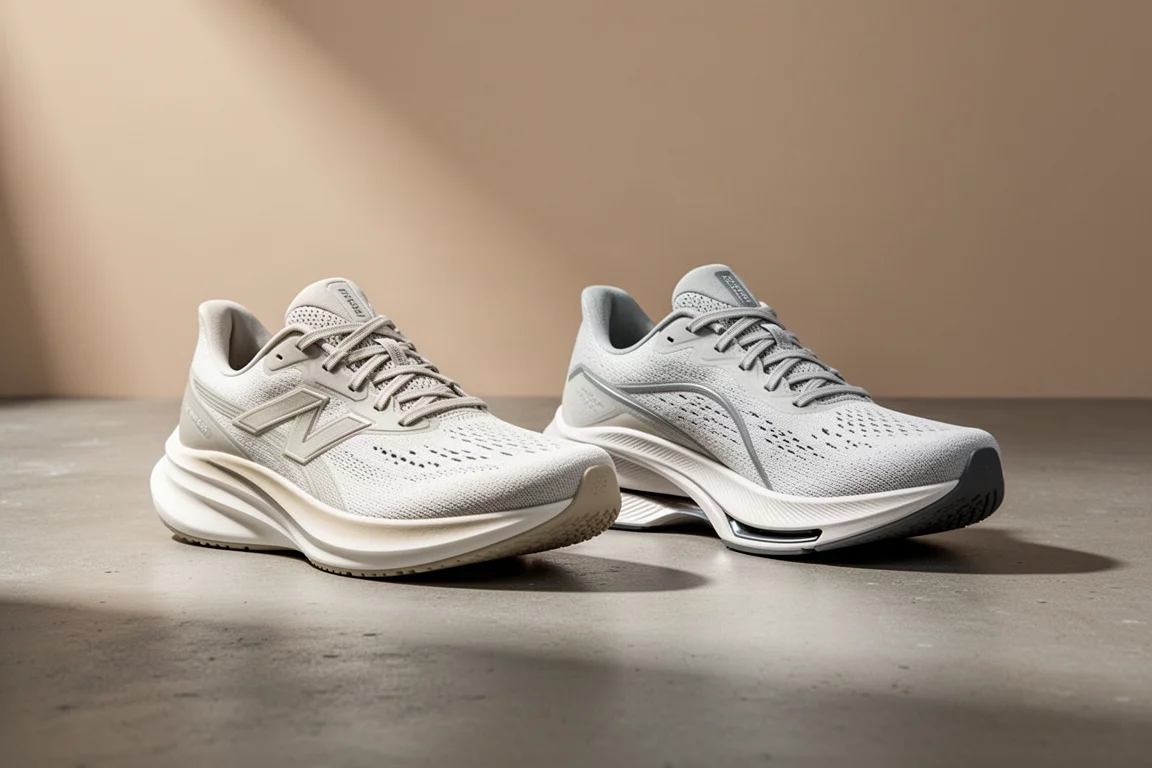
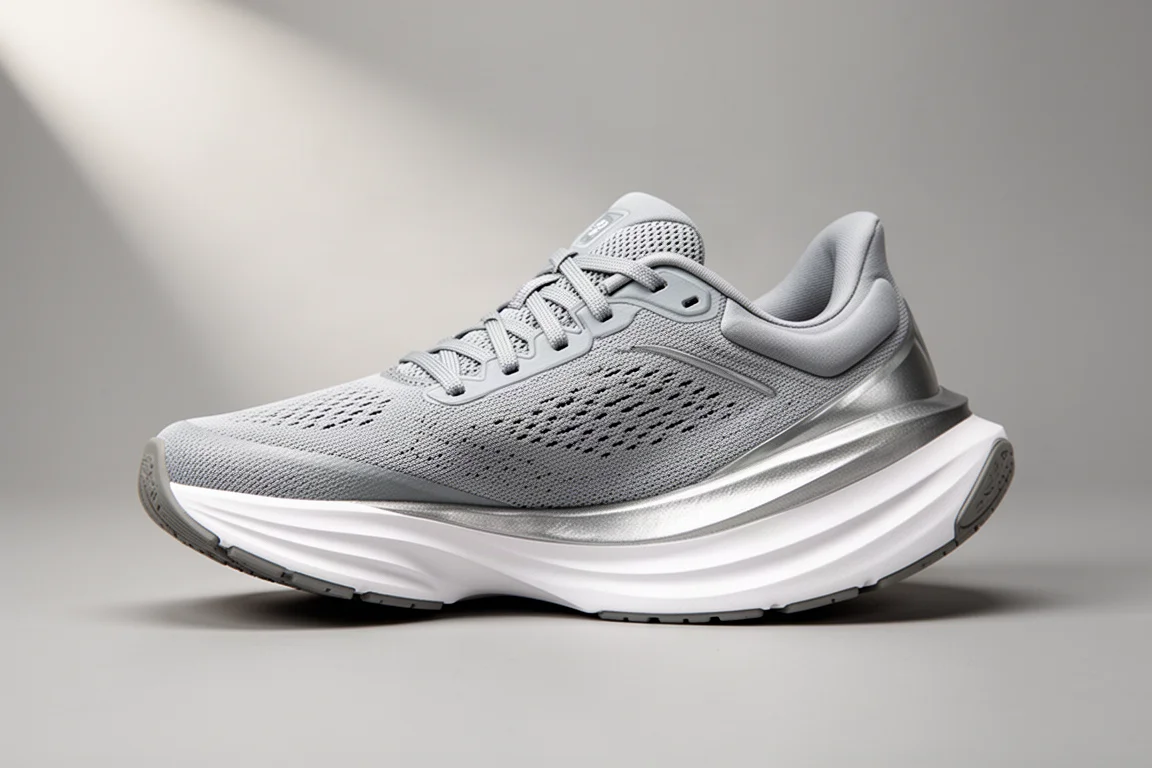
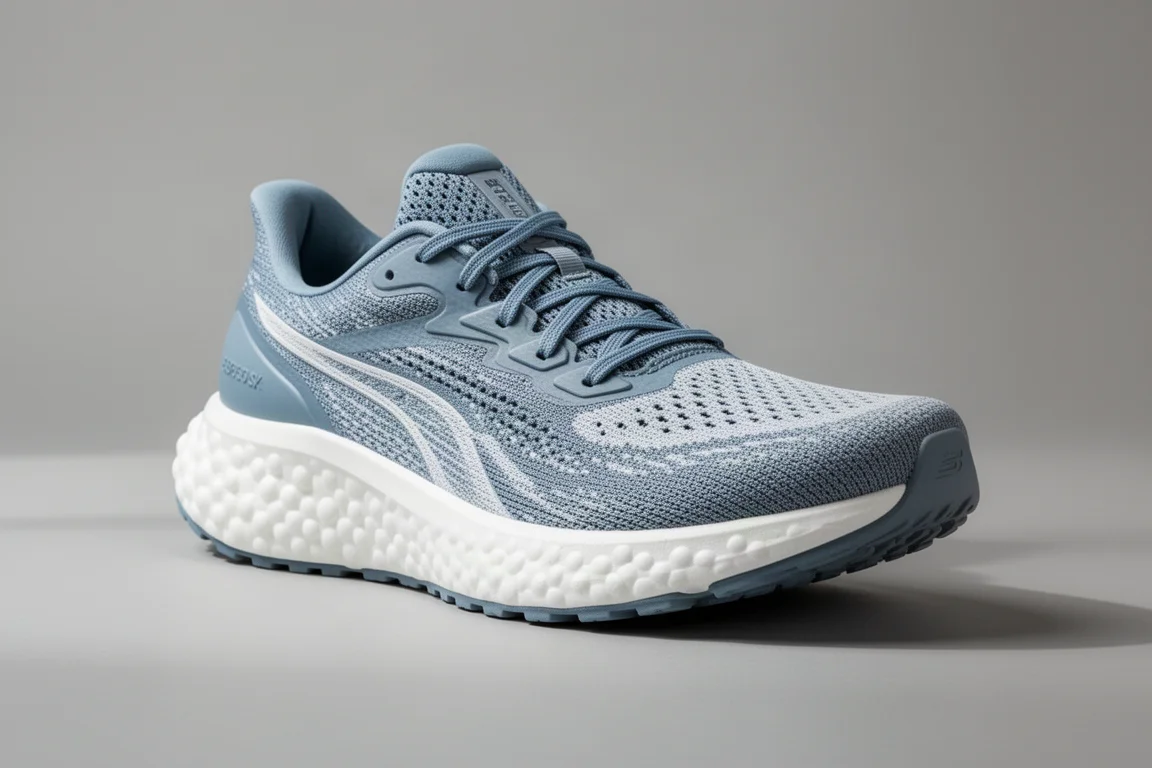
The Adidas Adizero Evo SL and the Saucony Endorphin Speed 4 occupy a very similar space: both are highly popular shoes with full-feeling midsoles that sit below the aggressiveness of true super shoes, and both use a nylon stiffening element, a plate or a shank long enough to act like one, for a touch of rigidity while staying more flexible than most carbon-plated options. Both work well as daily trainers, long run shoes, workout shoes, and even race shoes for runners who do not want a carbon super shoe.
That similarity is exactly what makes choosing between them confusing. This comparison breaks down where each shoe wins so you can figure out which one fits your running better.
Specs at a Glance
Measured in a men’s US 10, the Adizero Evo SL comes in at 234 g (about 8.3 oz), while the Endorphin Speed 4 is a little heavier at 250 g (about 8.8 oz).
Stack heights are close too. The Evo SL measures 37 mm in the heel and 30.5 mm in the forefoot for a 6.5 mm drop. The Speed 4 comes in at 36 mm heel and 28 mm forefoot for an 8 mm drop. Note that the Evo SL figures were provided by Adidas and Running Warehouse, and some other measurements are circulating, so treat them as approximate.

Ride Feel and Midsole
The rides differ more than the specs suggest. The Evo SL uses LightStrike Pro foam, which runs noticeably softer than the Speed 4’s PWRRUN PB. As the LightStrike Pro breaks in, it gets softer and a bit more responsive. It is not as punchy as something like the Adios Pro 4, but it is well balanced: it responds to the pace you ask of it, staying comfortable on easy days and adding bounce when you push, without ever feeling aggressive.
The Endorphin Speed 4 is a little firmer and snappier underfoot, which in practice lets it handle slightly faster efforts than the Evo SL.
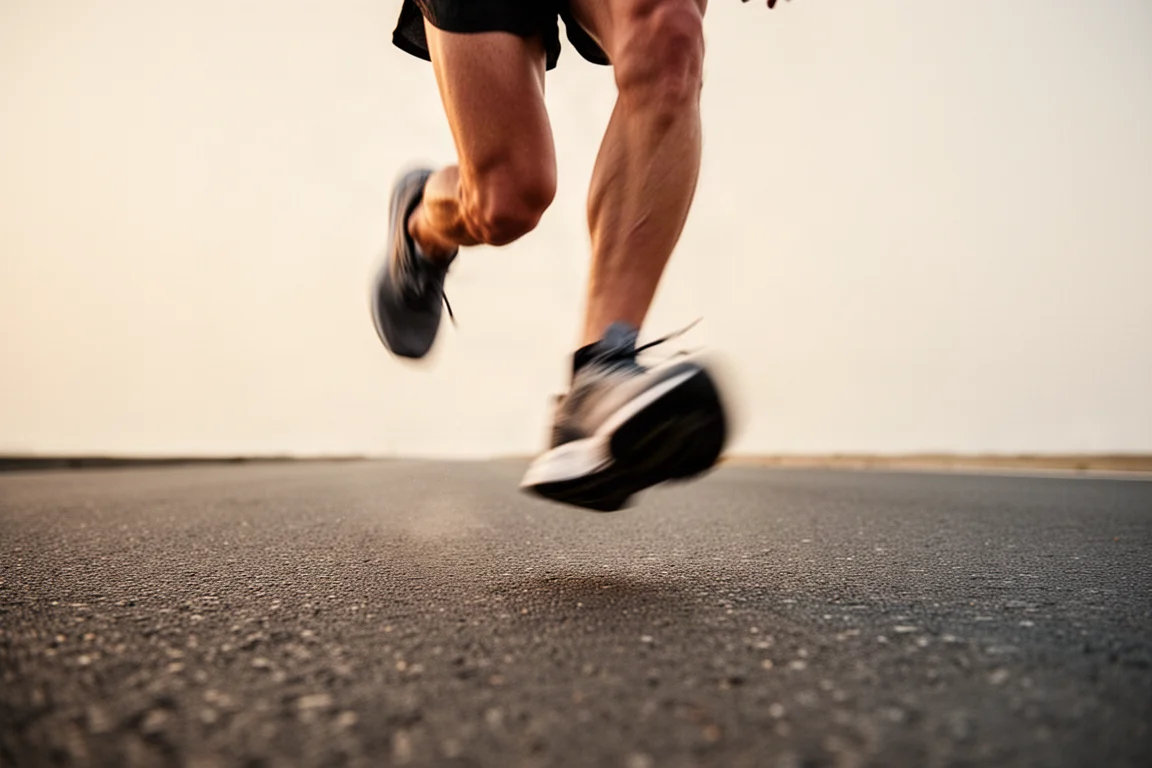
For long runs, the Evo SL is the stronger pick. Long runs are possible in the Speed 4, but it can feel a touch firm after a while, while the Evo SL’s LightStrike Pro does well on 12 to 15 mile plus efforts without a bottomed-out feel. For track sessions and faster tempo runs, though, the Speed 4’s firmer feel gives it the edge at shorter, quicker distances.
Geometry-wise, the Evo SL has the smoother heel of the two, with a nicely guided lateral heel bevel. The Speed 4 has the more stable midfoot, with a filled-in platform, better plate extension, and sidewalls. Both have a similar forefoot: slightly stiff but more flexible than most carbon-plated shoes.
Upper and Fit
The uppers are very different. The Speed 4 runs more snug, with a significant performance fit, a bit more volume like its Pro 4 cousin but tighter throughout the length of the shoe, and a somewhat scratchier material that prioritizes holding the foot over plushness.
The Evo SL has a plusher upper with a much softer inner liner, more comfortable overall, and a wider forefoot. Its volume runs slightly lower because the toe guard is a touch stiff up front, though it breaks in nicely.
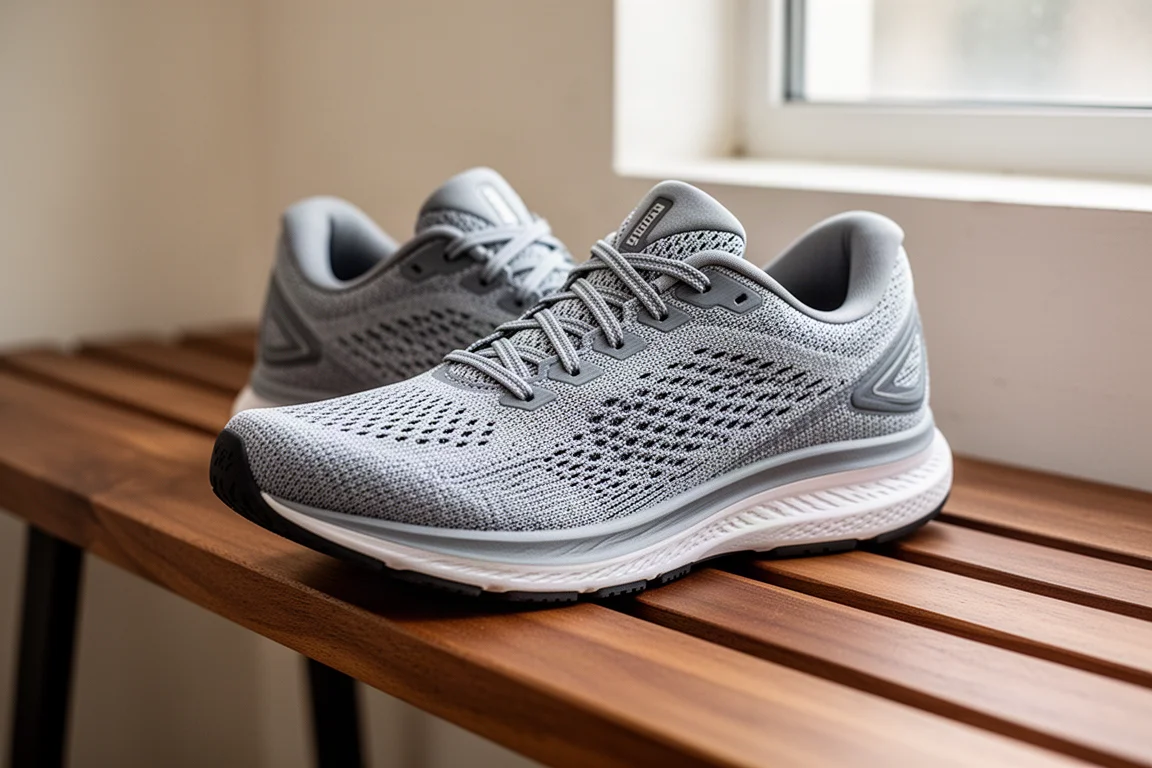
In short: if you want a snugger fit, the Speed 4 is the better match. If you want more forefoot width and comfort, the Evo SL is the way to go.
Durability and Outsole
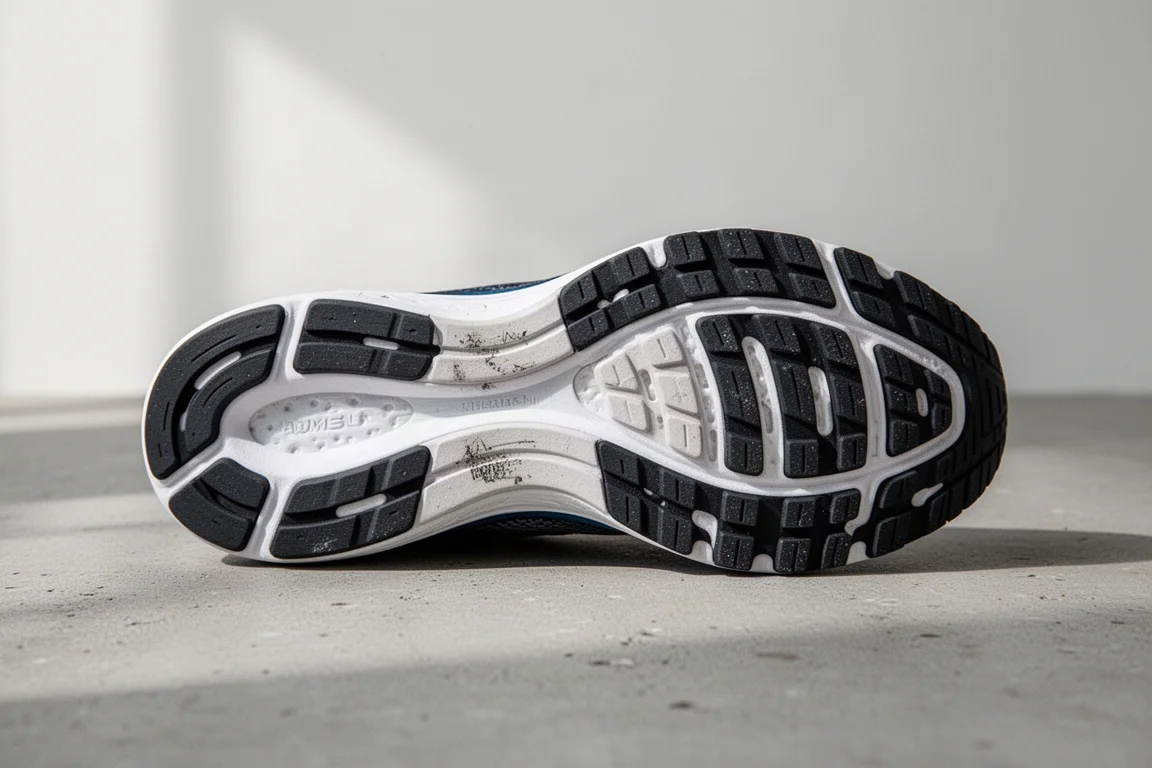
Durability is where the Evo SL shows a weakness. The forefoot rubber has held up very well, but the rest of the outsole can struggle for runners who scuff their feet, with one tester pair needing regluing at the rear. If you are a heel or midfoot scuffer, the Evo SL may not hold up as well unless you are mostly a forefoot striker.
The Speed 4, by contrast, has held up impressively, with well over 100 miles on a test pair without significant wear. If durability is a priority, the Speed 4 is probably the safer bet.
Which One Should You Buy
The Adidas Adizero Evo SL was the favorite of the two, largely on comfort, and its pricing has generally been a bit friendlier than the Speed 4’s, which has crept up over time. Choose it if you want a softer, more versatile ride, a plusher upper, a wider forefoot, and a shoe that shines on long runs. Just be aware of the outsole wear concerns if you scuff your feet.
Choose the Saucony Endorphin Speed 4 if you want a firmer, snappier ride for faster workouts, a more stable midfoot, a snugger performance fit, and better outsole durability. Both are genuinely excellent shoes that have earned their popularity.
Conclusion
The Evo SL and Endorphin Speed 4 are close cousins with distinct personalities: softer and more long-run-friendly versus firmer and faster-feeling. Match the ride, fit, and durability profile to your own running, and either one can serve as a single do-it-all trainer.
Further reading
Related Reviews

Running Shoes
Best Road-to-Trail Running Shoes: Three Versatile Options for Mixed Terrain
A practical guide to three road-to-trail running shoes that handle both pavement and mild trails, with clear strengths and trade-offs for different runner types.

Running Shoes
Best Running Shoes for Achilles Tendonitis: Three Options Explained
Three running shoes with different heel drops and support features designed to help reduce Achilles tendon pain during walking and running.

Running Shoes
Best Running Shoes for Women: Five Top Choices Ranked
A ranked guide to five women's running shoes, from versatile daily trainers to high-performance racing options, with real strengths and trade-offs for each.