Running Shoes
Adidas Adizero Evo SL vs Puma Velocity Nitro 4: Which Versatile Daily Trainer Should You Buy?
Two of the best value daily trainers on the market go head to head. We compare fit, ride, stability, and speed to help you pick the right one.
Introduction
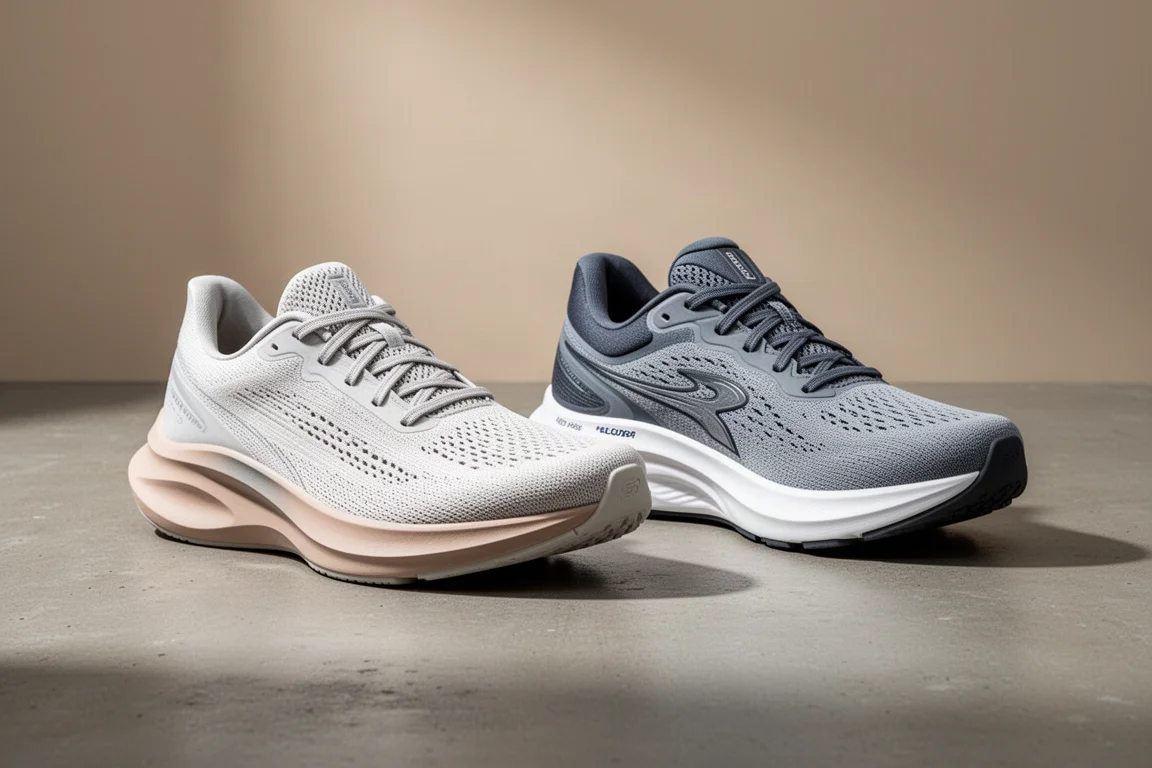
Some running shoes are easy to compare because they share the same brief. The Adidas Adizero Evo SL and the Puma Velocity Nitro 4 are both versatile daily trainers priced close to each other, and both earn a spot among the best value options in their class. They do have different strengths, though, and that is exactly what makes this pairing worth a closer look.
Neither shoe is a clone of the other. One skews toward performance and speed, the other toward cushioned, comfortable daily miles. Below we break down where each one excels so you can decide which fits your running.
Price and Specs at a Glance
The Puma Velocity Nitro 4 is the cheaper of the two: £110 in the UK and $140 in the US. The Adidas Adizero Evo SL sits at £130 in the UK and $150 in the US. Both are competitively priced for what they deliver, and both count as two of the better value options on the market for quite some time.
The Adidas is the lighter shoe at 224g (7.9 oz) in a UK 9, which is a US 9.5. The Puma weighs 247g (8.7 oz) in a UK 9, which corresponds to a US 10, so it is a slightly bigger shoe. On stack and drop, the Velocity Nitro 4 has a 10mm drop with 40mm at the heel and 30mm at the forefoot. The Evo SL has a 6mm drop with 39mm at the heel and 33mm at the forefoot.
Design and Construction
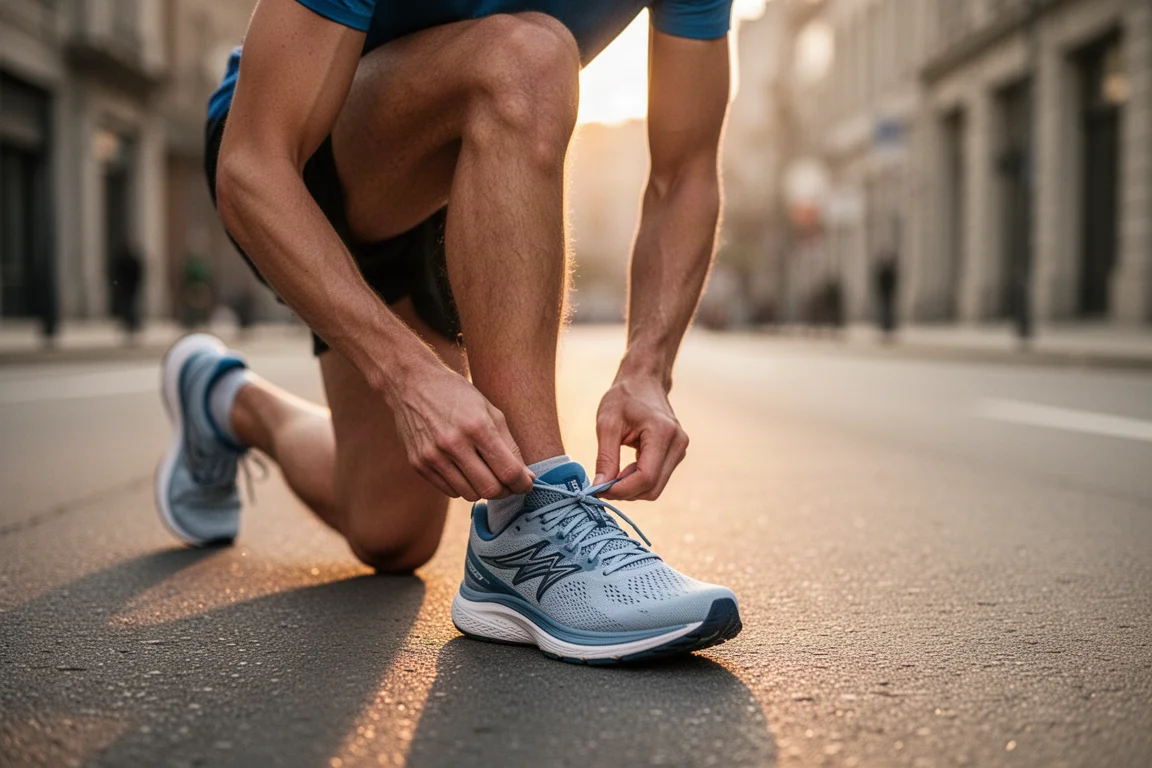
The Puma Velocity Nitro 4 uses an engineered mesh upper with power tape adding structure, generous padding around the heel, and an internal heel counter. Underfoot sits what is believed to be NITRO foam, an aliphatic TPU foam that is lightweight and poppy. The PUMAGRIP outsole offers good forefoot and heel coverage in a fairly thick layer of what is a very good running rubber.
The Adidas Evo SL takes a more minimal approach. Its mesh upper has less heel padding than the Puma but still includes an internal heel counter. The midsole uses Lightstrike Pro foam, believed to be the same super foam used in the Adizero Adios Pro 3 carbon racing shoe, though not the softer, potentially less durable latest version. A plastic shank in the midsole makes the Adidas noticeably stiffer and adds pace to the transition, helped by an aggressive forefoot rocker. The outsole combines Continental rubber at the forefoot with clear rubber at the heel.
Fit and Sizing
Fit is where these two shoes genuinely differ, and it is worth paying attention. The Puma Velocity Nitro 4 fits true to size and can be bought in your usual running shoe size. It is, however, a fairly narrow shoe, which will come as no surprise if you have worn a Puma Velocity before. If you have wide feet, it may feel tight around the midfoot in particular.
The Adidas Evo SL runs a touch short. A half size up is the recommendation, and that is what worked best after trying multiple sizes in store. The forefoot area opens up more than on the Puma, giving extra room for those who like it, though it is not a lean shoe overall, with generous space in the forefoot and midfoot that some runners find hard to lock down. For most wearers the lockdown has been fine with no heel irritation.
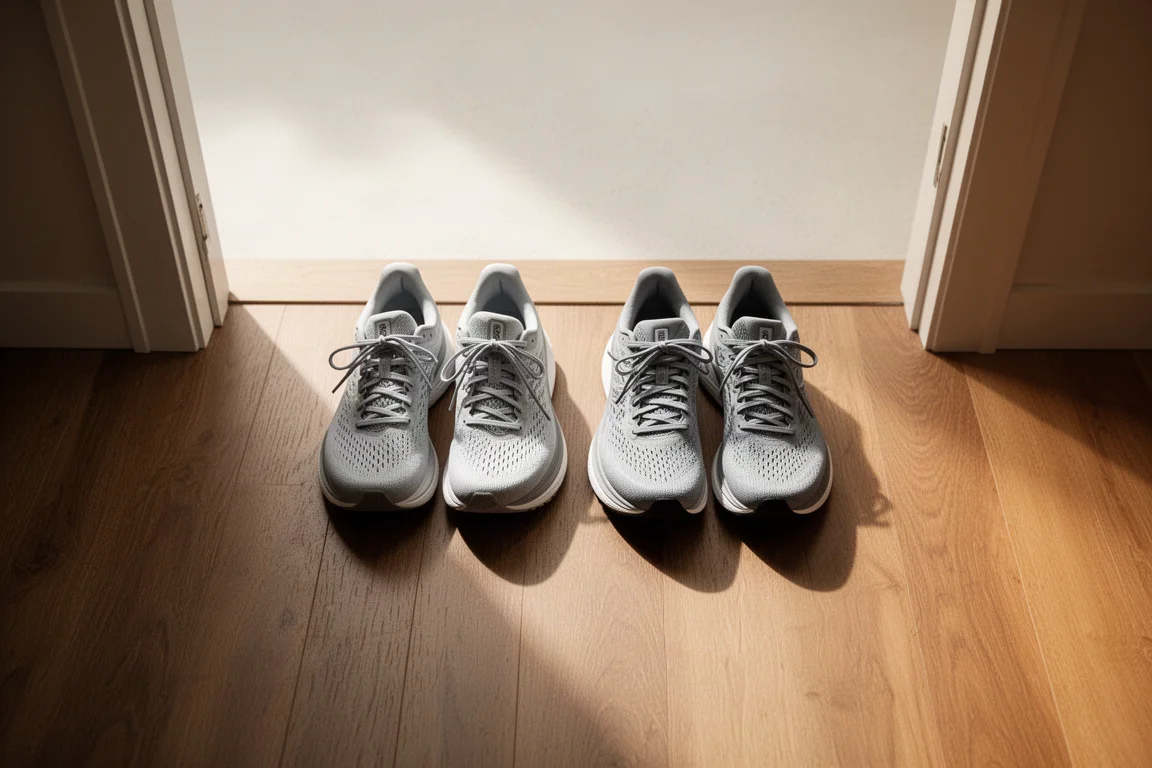
Around the rest of the world, both shoes broadly fit true to size, with the Puma perhaps a touch long and the Adidas a touch short. If you are between sizes, that is worth factoring in.
Ride and Performance
The Evo SL is the speed-leaning shoe of the pair. It is lighter, stiffer, and that forefoot rocker rolls you aggressively off your toes. It feels fantastic for speed work, from track reps to long tempo runs, and it excels at sustaining a fast pace. It is explosive for short intervals too. Many runners could even race in it, and it can stand in for a plated trainer or even a carbon super shoe on hard sessions and race day. The trade-off is stability. The soft, bouncy midsole makes it a little wobbly, and the medial side cutout means it is not always the best choice for easy runs, newer runners, or anyone who pronates or needs support.
The Velocity Nitro 4 is the more laid-back daily trainer. It is a little softer than its predecessor with more energy in the midsole, which most will see as an improvement, though fans of the Nitro 2 and 3 who prefer a firmer ride may not agree. It has more natural stability, extra heel cushioning, a more padded upper, and a thicker outsole, and it does not thrust you forward the way the Adidas does. It handles easy runs and long runs comfortably, does not bottom out despite a relatively low forefoot stack, and still delivers good pop off the toes at faster paces. It is not as fast as the Evo SL at the top end, but it remains a capable shoe for tempo efforts and workouts.
Durability and Outsole
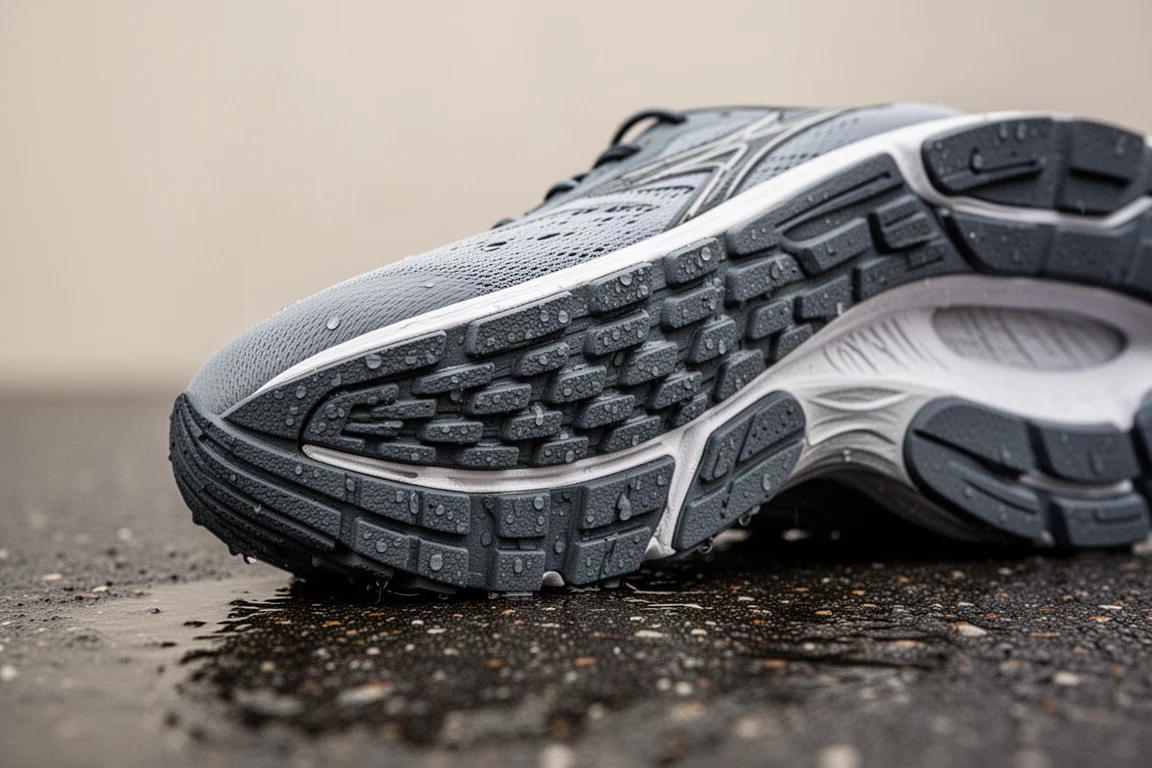
PUMAGRIP is a standout, and on the Velocity Nitro 4 it offers more rubber, more thickness, and better grip than the Evo SL’s outsole. It is also the better pick for light trails. The Continental rubber on the Evo SL has performed well in testing, including through winter, but the Puma outsole should give you more life overall, which is reflected in general wear.
Verdict: Which One Should You Buy?
Both shoes are excellent and could happily share a rotation: the Puma as the cushioned, comfortable daily trainer that can even handle a bit of trail, and the Adidas as the dedicated speed shoe. As a single all-rounder, the Evo SL has the higher performance ceiling at speed, provided you get on with it for easy runs and do not need stability. It performs at a level of shoes costing well over $200, making it exceptional value, and it would be the pick if you can only buy one shoe and want something to progress and race in.
The Velocity Nitro 4 is the better all-rounder for newer runners or anyone prioritising comfort, control, and stability, particularly over longer runs. It is one of the more versatile cushioned daily trainers available and comfortably delivers at faster paces too.

Conclusion
These are two of the best value daily trainers you can buy, and the right choice comes down to your running style. If speed and performance matter most and stability is not a concern, the Adidas Adizero Evo SL is the standout. If you want a cushioned, naturally more stable shoe for everyday training, the Puma Velocity Nitro 4 does that job extremely well.
Further reading
Related Reviews

Running Shoes
Best Road-to-Trail Running Shoes: Three Versatile Options for Mixed Terrain
A practical guide to three road-to-trail running shoes that handle both pavement and mild trails, with clear strengths and trade-offs for different runner types.

Running Shoes
Best Running Shoes for Achilles Tendonitis: Three Options Explained
Three running shoes with different heel drops and support features designed to help reduce Achilles tendon pain during walking and running.

Running Shoes
Best Running Shoes for Women: Five Top Choices Ranked
A ranked guide to five women's running shoes, from versatile daily trainers to high-performance racing options, with real strengths and trade-offs for each.