Running Shoes
Adidas Adizero Evo SL vs Nike Pegasus Plus: Which Lightweight Daily Trainer Wins?
Two simple, lightweight daily trainers with superfoam and no plate. One is good, the other is special. Here is how they compare.
Introduction
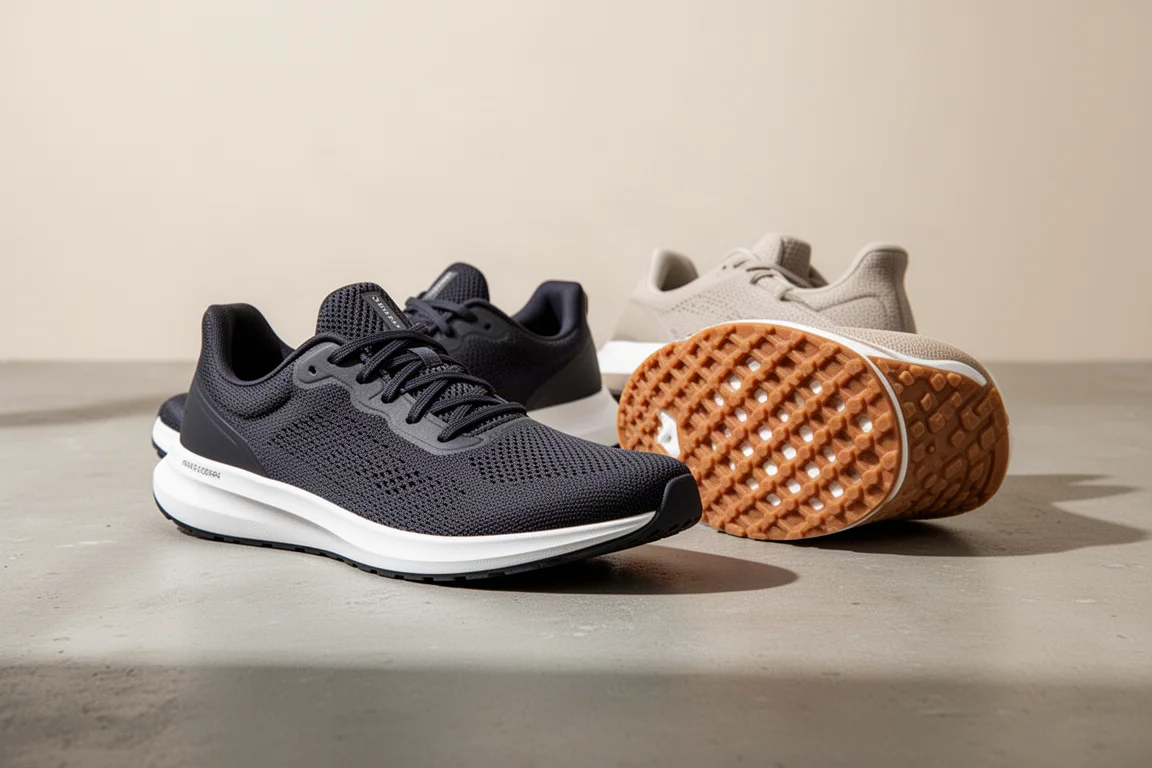
On paper, the Adidas Adizero Evo SL and the Nike Pegasus Plus share a lot of DNA. Both are lightweight, simple daily trainers that borrow superfoam from their respective brand’s racing range, and neither uses a plate. They are designed to handle a broad range of daily training while offering something a bit more special than a standard trainer. The differences that emerge on the run, however, make this a surprisingly clear comparison.

Specs and Design
The Adidas is the cheaper shoe at £130 or $150, while the Pegasus Plus costs £165 or $180. The Adidas is also significantly lighter: 224g or 7.9 oz in a UK 9, versus 257g or 9 oz for the Nike. The drop differs too, with 6mm on the Adidas and 10mm on the Nike.
The Evo SL uses a minimal mesh upper with light padding around the heel and a fairly significant internal heel counter for structure. There is a nylon shank in the midfoot but no full-length plate. The midsole is Light Strike Pro, believed to be the version used in the Adios Pro 3 racing shoe rather than the softer, newer version in the Pro 4. There is no real rocker in the heel but a pronounced forefoot rocker inspired by the Adizero Pro Evo One. Outsole coverage comes from Continental rubber on the forefoot with clear rubber strips at the rear.
The Pegasus Plus is even simpler, with no shank or plate at all. It has a Flyknit upper, a padded heel, an internal heel counter, and a ZoomX midsole. This ZoomX is firmer than the foam in Nike’s racing shoes, which makes it a bit more stable and potentially more durable, but it loses some of the squishy character of the racing versions. A rubber outsole with good forefoot and heel coverage uses Nike’s familiar waffle pattern.
Fit and Sizing
Both shoes tested in a UK 9, which corresponds to a US 10 in the Nike and a US 9.5 in the Adidas. On UK sizing, the Adidas feels more dialed in and snug around the toes, while the Nike is roomier. Both shoes are true to size for most people, so sticking with your normal running shoe size is the safe choice. Just watch the UK conversion on the Adidas, since Adidas sizing can run up a bit small. Neither shoe is as narrow as some of Adidas’ zero-drop shoes have been in the past.
Ride and Performance
Both shoes considerably upgrade the daily training options in their respective lineups, but they get there differently. The Pegasus Plus delivers a comfortable, responsive ride at a nice range of paces, though its firmer ZoomX does not feel quite as special as the foam in Nike’s racing shoes. The 10mm drop and classic Nike snap-through work well, but there is less foam under the forefoot, and heel strikers may find the forefoot a touch less comfortable than the more rocker-oriented Adidas.
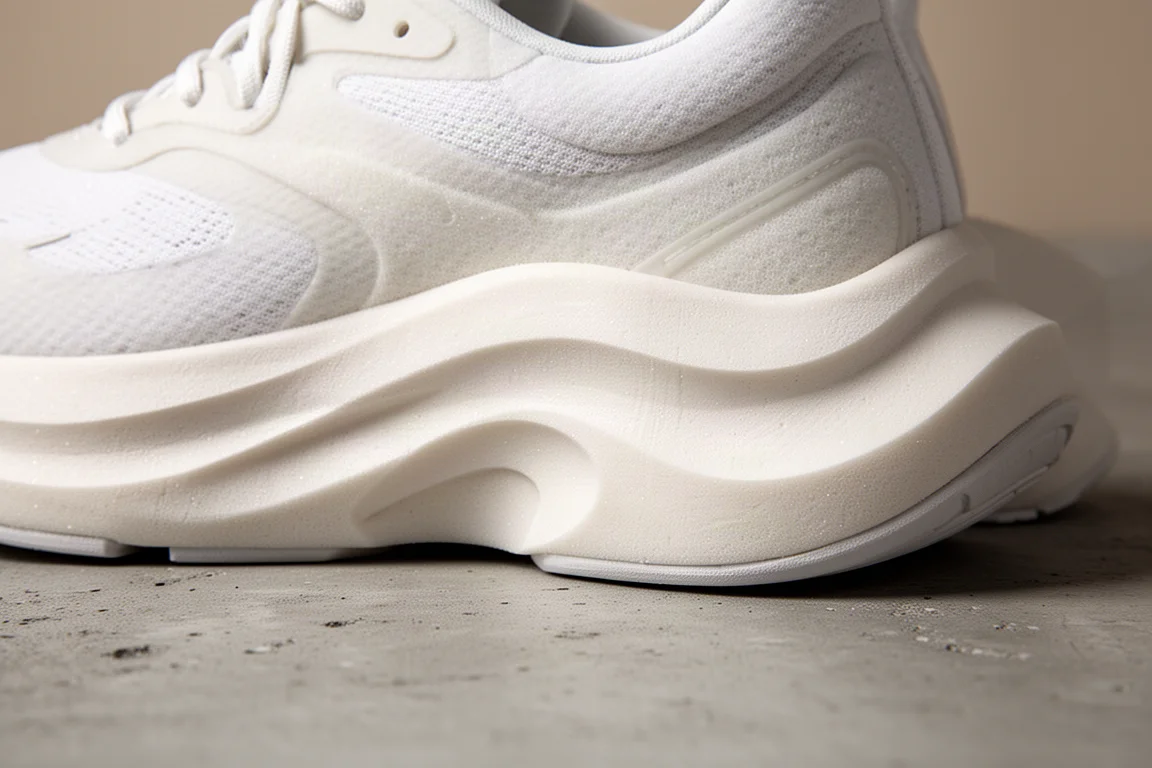
The Evo SL goes for it: a soft, springy Light Strike Pro midsole with a smooth, fast transition and an aggressive forefoot rocker that pushes you onto your toes. It turns over faster, feels nimbler, and delivers noticeably more energy return. The trade-off is stability: the shoe is a bit narrow with a medial cut-out, so runners with stability concerns should think twice about using it for easy runs.
Easy Runs and Fast Work
At easy paces, both shoes are comfortable enough at the heel, but the Evo SL stays enjoyable thanks to its softer, more dynamic character. Where the Adidas really pulls ahead is when you pick up the pace. Tempo runs at marathon effort, short sharp reps, and progression runs all feel easier to hold in the Evo SL because of the better bounce off the toes and the more aggressive rocker.

The Pegasus Plus feels more relaxed at slow paces, and some runners will prefer the higher drop, more traditional ride, greater ground feel, and firmer, more reliable base. It is also still a fairly narrow shoe not built for stability, but it offers a steadier platform than the Evo SL.
Verdict
This one is not particularly close. The Pegasus Plus is a really good shoe that would be a welcome addition to any rotation, but the Evo SL is a special one. It is more fun to run in, lighter, faster, slightly softer, and significantly cheaper. Adidas has shown what a simple lightweight trainer can be when a brand commits to putting a top-tier foam into it.
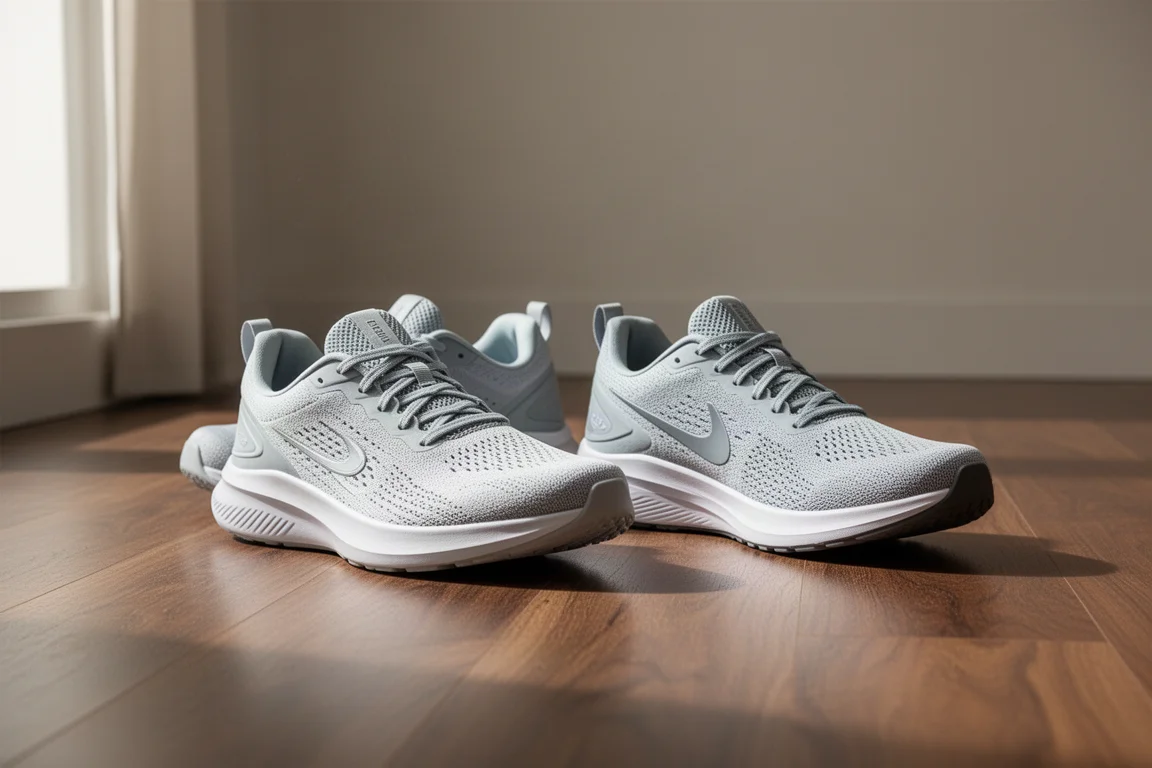
If you prefer a higher drop, a more traditional ride, a bit more ground feel, or a firmer and more stable base, the Pegasus Plus remains a solid pick. For most runners, though, the Evo SL is the better shoe on most fronts, and it is the one to get.
Conclusion
The Adizero Evo SL wins this comparison on multiple fronts: price, weight, energy return, and sheer enjoyment. It is a standout in the lightweight daily trainer category, and hopefully other brands take note. The Pegasus Plus is still a very good trainer, but it lacks the verve of the Evo SL, and that difference decides it.
Product link
View more details for Adidas Adizero Evo SL
This product is mentioned in the review. Check the specifications, options, and compatibility before buying.
View more details for Adidas Adizero Evo SLFurther reading
Related Reviews

Running Shoes
Best Road-to-Trail Running Shoes: Three Versatile Options for Mixed Terrain
A practical guide to three road-to-trail running shoes that handle both pavement and mild trails, with clear strengths and trade-offs for different runner types.

Running Shoes
Best Running Shoes for Achilles Tendonitis: Three Options Explained
Three running shoes with different heel drops and support features designed to help reduce Achilles tendon pain during walking and running.

Running Shoes
Best Running Shoes for Women: Five Top Choices Ranked
A ranked guide to five women's running shoes, from versatile daily trainers to high-performance racing options, with real strengths and trade-offs for each.