Running Shoes
Adidas Adizero Evo SL vs New Balance Rebel v4: Two Lightweight Daily Trainers Compared
Two lightweight, stripped-back daily trainers that shine on faster runs. We compare ride, fit, foam, and durability to help you pick the right speed trainer.
Introduction
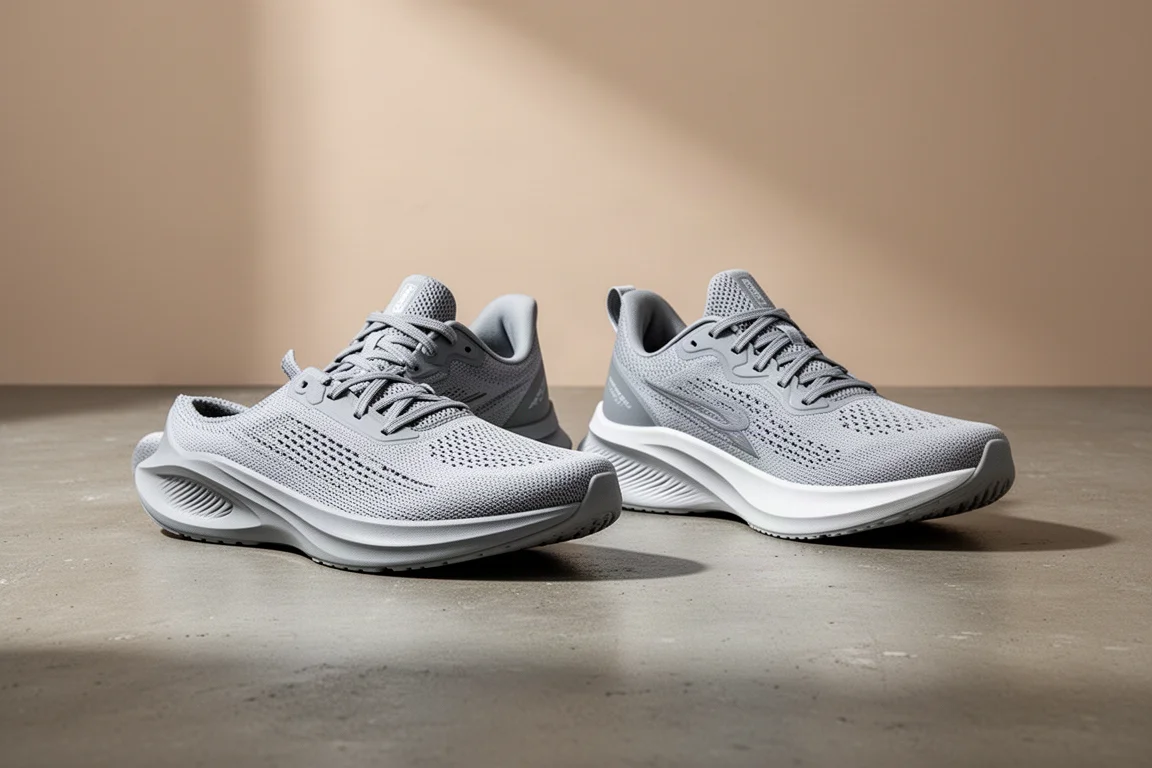
The Adidas Adizero Evo SL and the New Balance Rebel v4 are both lightweight, simple, genuinely fun daily trainers that can handle a wide range of runs. Compared to super trainers, they are quite stripped-back designs, but their low weight makes them especially good for faster work. Both deliver a good ride through quality midsole foam, a comfortable upper, and a solid outsole, and they suit runners looking to do training miles at a quicker pace.
Price and Weight
The two shoes are similar in price, though it varies by market. The New Balance is £140 or $140, while the Adidas is cheaper in the UK at £130 but more expensive in the US at $150.
Both are really light, but the Rebel is a fraction lighter at 219g (7.7oz) in a UK 9.5. The Adidas weighs 224g (7.9oz) in a UK 9. Both have a 6mm heel-to-toe drop.
Adidas Adizero Evo SL: Design and Foam
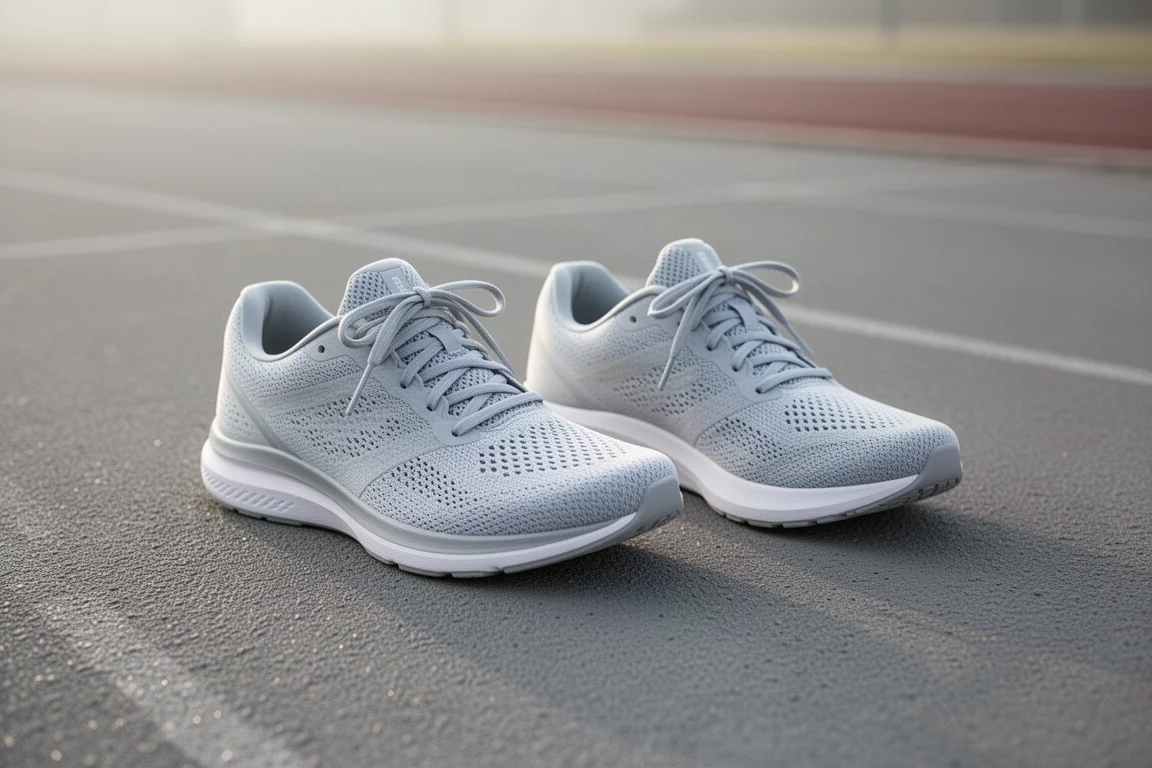
The Evo SL uses a minimal mesh upper with enough padding around the heel to cradle and protect the Achilles. The tongue is quite thin and can move around a bit on the run, though it stayed mostly fine in testing.
The midsole is Light Strike Pro, the same premium foam believed to be used in the Adios Pro 3. It is slightly firmer than the Light Strike Pro in the Adios Pro 4 but still very responsive, a proper super foam. There is a small plastic shank around the midfoot for a little stiffness, but no full-length plate. The shoe has a distinct rocker shape, especially under the forefoot, apparently inspired by the Adizero Pro Evo 1 racing shoe. The outsole uses Continental rubber on the forefoot with two strips of Adidas clear rubber at the back. Grip is fantastic, including in consistently wet conditions, and the outsole impressed considering how little rubber there is.
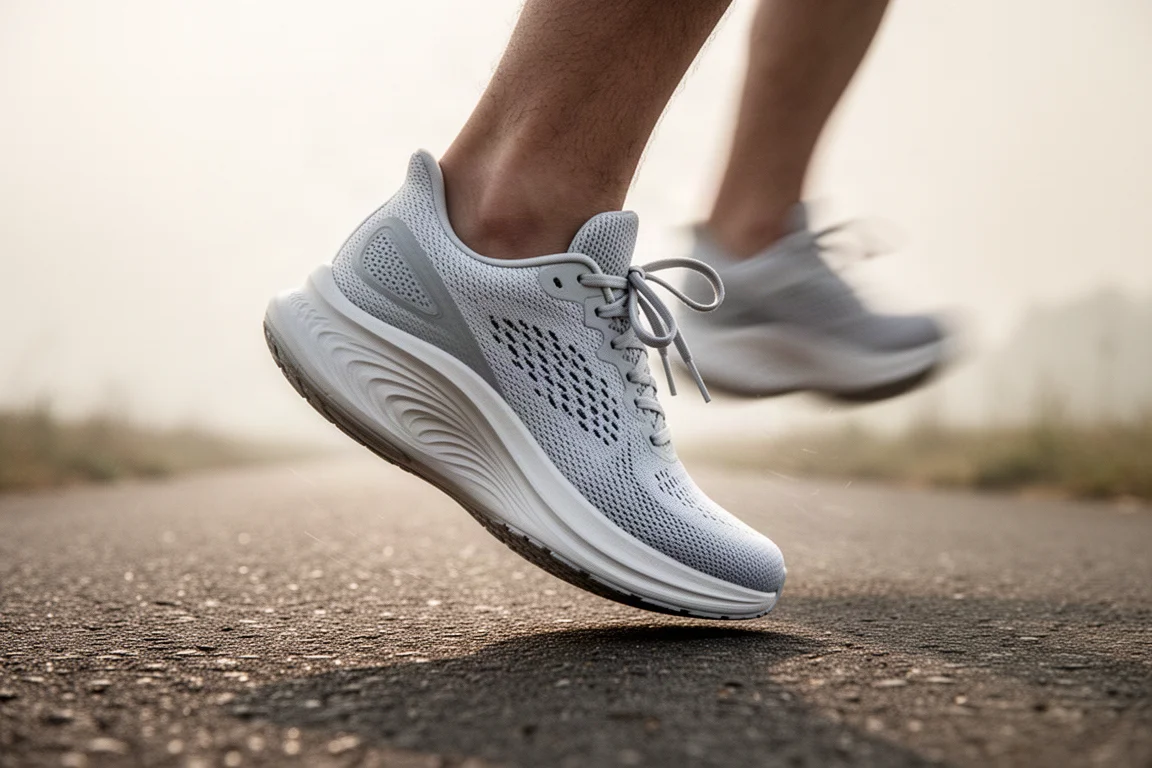
The outsole also delivers a lovely heel-to-toe transition: a soft, cushy feel at heel strike, a fast transition onto the forefoot, and a strong punch off the toes thanks to the aggressive forefoot rocker and that impressive foam.
New Balance Rebel v4: Design and Foam
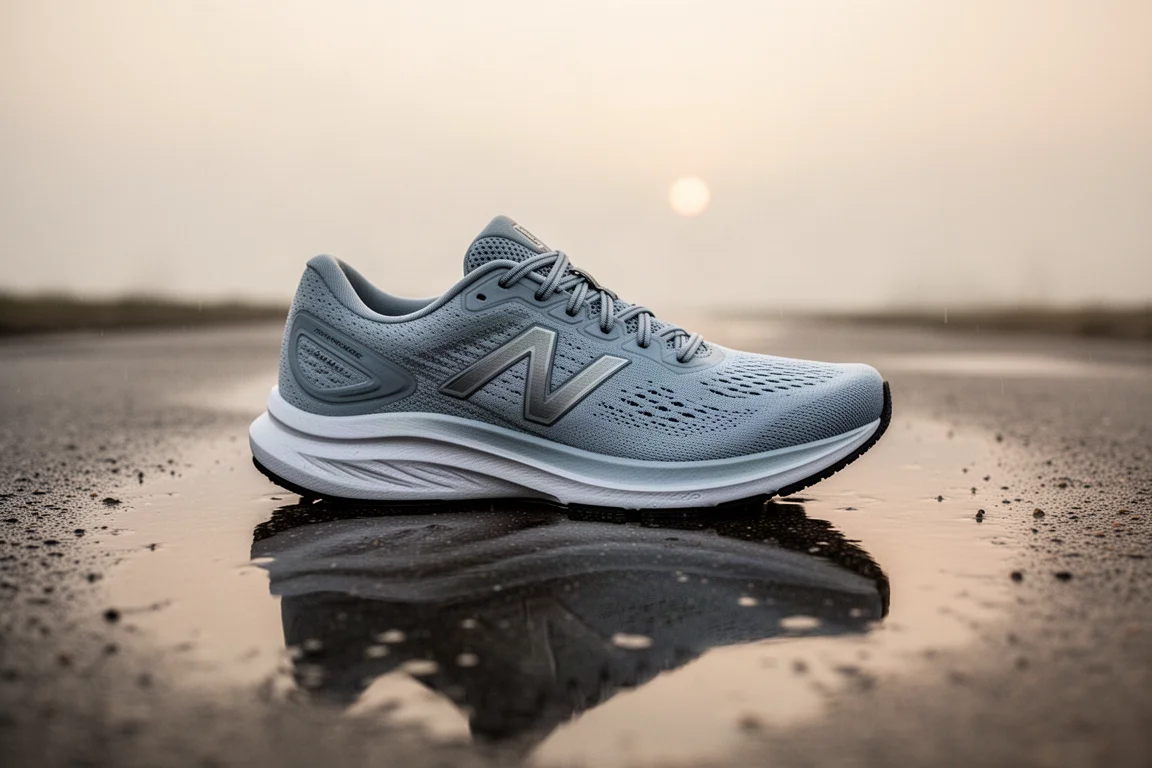
The Rebel v4 also uses a lightweight mesh upper with a modest amount of heel padding, more comfortable for daily training than a pure race design, plus a very thin tongue. The midsole is New Balance FuelCell foam, in this case a blend of roughly 20% Pebax and 80% EVA, which is very lightweight. The shoe is wider than past Rebel models and wider than the Evo SL, with decent rubber coverage on the forefoot and heel and thick rubber throughout, though the midfoot has exposed areas. Key impact areas are covered, and there were no grip or durability issues.
Fit and Sizing
The Evo SL is an Adidas sizing case: going up half a size was the right call, and it is a fairly roomy, comfortable shoe in the upper. It is not as lean as some speed-focused trainers, which helps comfort for longer sessions while still locking down well.
The Rebel v4 is a bit less spacious than the Evo SL in some ways, but overall it has a slightly roomier fit than the Adidas, particularly in the toe box, and is more spacious than past Rebels. Runners with wider feet may notice the width, and some may want to go up half a size. It is less padded and slightly leaner than the Evo SL, so it is not quite as comfortable, but it is a good shoe considering its weight and purpose.
In both shoes, the heels did not rub and lockdown was comfortable, with thin uppers that hold the foot well for fast running while still working as daily trainers. Sticking to your normal size is probably the way to go for both brands, with the option of going half a size up if you are a bigger runner for your size.
On the Run: How They Compare
Tested over more than 100k in the Evo SL and around 90k in the Rebel, both shoes proved versatile, with the midsole foam doing most of the work. Running in both at the same time, the difference in foam is clear: the Rebel feels good, the Adidas feels great.
The Rebel v4 is less nimble and agile than past Rebels because of its wider base, but that width adds support and makes it more suitable for long runs and easy runs. A 15-mile long run in it was genuinely enjoyable thanks to the extra foam and support. Its foam is balanced and comfortable, but it does not give a huge amount of energy back; it feels nippy and natural, more like a conventional lightweight racer, but it compresses a bit more on longer efforts without giving as much back. It veers more towards shorter, faster efforts and is probably not the pick for half marathon training and above.

The Evo SL’s Light Strike Pro is a step up: a softer, bouncier, more responsive foam that delivers more energy return and a more enjoyable ride at any pace. In hard speed sessions it performs close to the standard of the best plated super trainers, and it also works fine at slower paces, including easy runs around 5-minute kilometres. It feels like a performance shoe on the foot and, for the price, it is an absolute steal, especially compared to options like the Superblast 2. It is a step below top-level carbon racers, but many runners could happily race in it. The trade-off is stability: the narrower design is less stable and supportive than the New Balance, which may matter more for heavier runners or anyone needing support.
Which Should You Buy?
Both are great shoes for faster training, but the Rebel v4 is a little more limited. The Evo SL has more bounce, a more enjoyable heel-to-toe transition, more energy return, and far more range, making it the better speed trainer and the overall pick of the pair. It is even cheaper than the Rebel in the UK, which makes the choice easier. It is less stable and supportive, though, so some runners may prefer it as the speedy part of a rotation rather than a do-everything single shoe.
The Rebel v4 is the more conventional option with a firmer, balanced foam and a wider, more supportive platform. Runners who dislike softer foams may actually prefer it on that count. It is still crazy light, still a good speed shoe, and a fantastic option for easy mileage, making a two-shoe combination a genuinely appealing setup: the Rebel hoovering up easy miles, the Adidas focusing on the fast stuff.
Conclusion
The Adidas Adizero Evo SL is the preferred shoe of this pair thanks to its superior Light Strike Pro midsole, greater versatility, and excellent value. The New Balance Rebel v4 remains a very good, more supportive, more conventional lightweight trainer for runners who want stability and a firmer feel. If you want one shoe that does everything, the Evo SL is the stronger all-round choice; if support matters most, the Rebel v4 is the safer bet.
Product link
View more details for Adidas Adizero Evo SL
This product is mentioned in the review. Check the specifications, options, and compatibility before buying.
View more details for Adidas Adizero Evo SLFurther reading
Related Reviews

Running Shoes
Best Road-to-Trail Running Shoes: Three Versatile Options for Mixed Terrain
A practical guide to three road-to-trail running shoes that handle both pavement and mild trails, with clear strengths and trade-offs for different runner types.

Running Shoes
Best Running Shoes for Achilles Tendonitis: Three Options Explained
Three running shoes with different heel drops and support features designed to help reduce Achilles tendon pain during walking and running.

Running Shoes
Best Running Shoes for Women: Five Top Choices Ranked
A ranked guide to five women's running shoes, from versatile daily trainers to high-performance racing options, with real strengths and trade-offs for each.