Running Shoes
Adidas Adizero Evo SL vs Hoka Mach X2: Which Speed-Day Trainer Should You Buy?
Two of the best all-round speed-day shoes on the market go head to head. Here is how the Adidas Adizero Evo SL and Hoka Mach X2 differ and which one fits your running.
Introduction
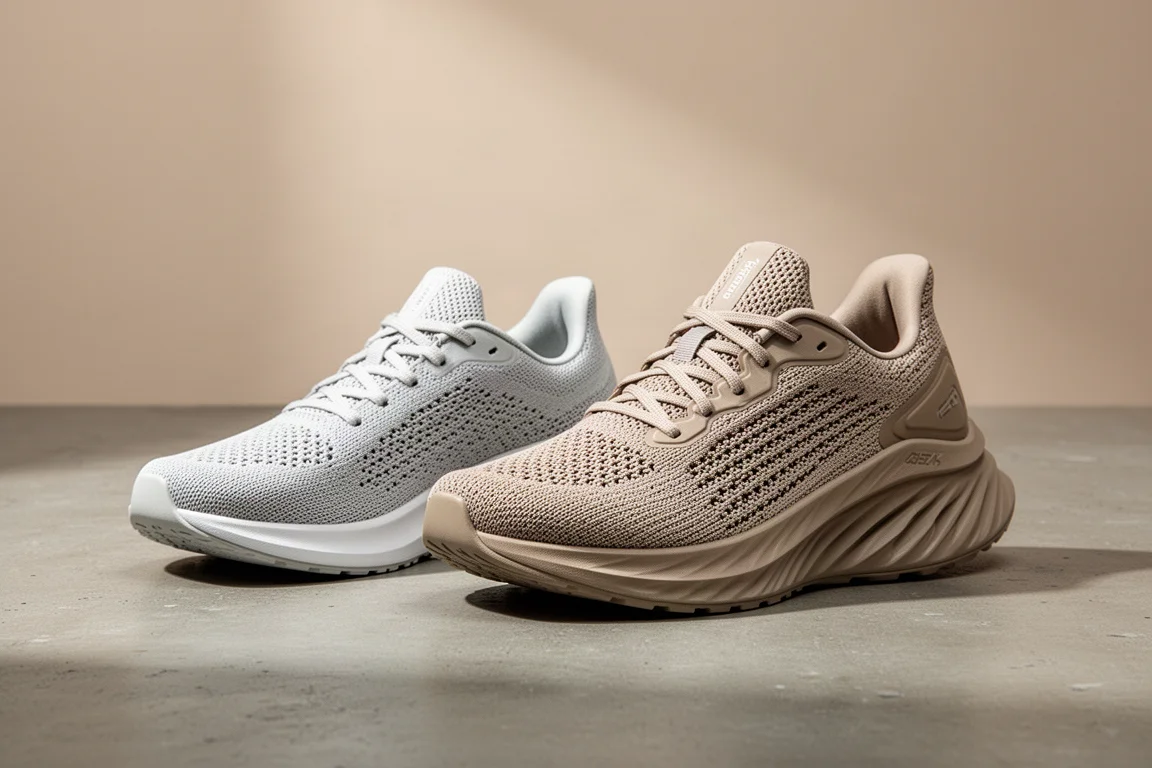
The Adidas Adizero Evo SL and the Hoka Mach X2 have plenty of differences on paper, yet they occupy the same slot in a running shoe rotation: the speed-day shoe or all-rounder daily trainer. Choosing between them is genuinely difficult, because both are excellent at that job and both would earn a place in a well-built rotation.
The price gap is the first thing to note. The Adidas Adizero Evo SL costs £130 or $150, while the Hoka Mach X2 sits higher at £170 or $190. That premium reflects the Mach X2’s status as a fully-fledged super trainer with a plate in the midsole, whereas the Adidas takes a stripped-back approach with super foam but no full plate.
The spec sheet separates them further. The Adidas is the lighter shoe at 224g (7.9 oz) in a UK 9 / US 9.5, versus 255g (9 oz) for the Hoka in the same size. The Adidas has a 6mm drop, the Hoka 5mm. The Mach X2 is the higher-stacked shoe at 44mm heel / 39mm forefoot for men and 42mm / 37mm for women, while the Evo SL measures 39mm at the heel and 33mm at the forefoot.
Design and Construction
The Adidas Adizero Evo SL keeps things simple. A fairly minimal mesh upper gets a little padding around the heel plus an internal heel counter for structure at the back. The midsole is full Lightstrike Pro, the super foam Adidas used in the Adios Pro 3 carbon racing shoe, tweaked for newer models, with a small nylon shank but no full plate. There is a sharp forefoot rocker, Continental rubber on the forefoot outsole, and clear rubber strips at the heel.
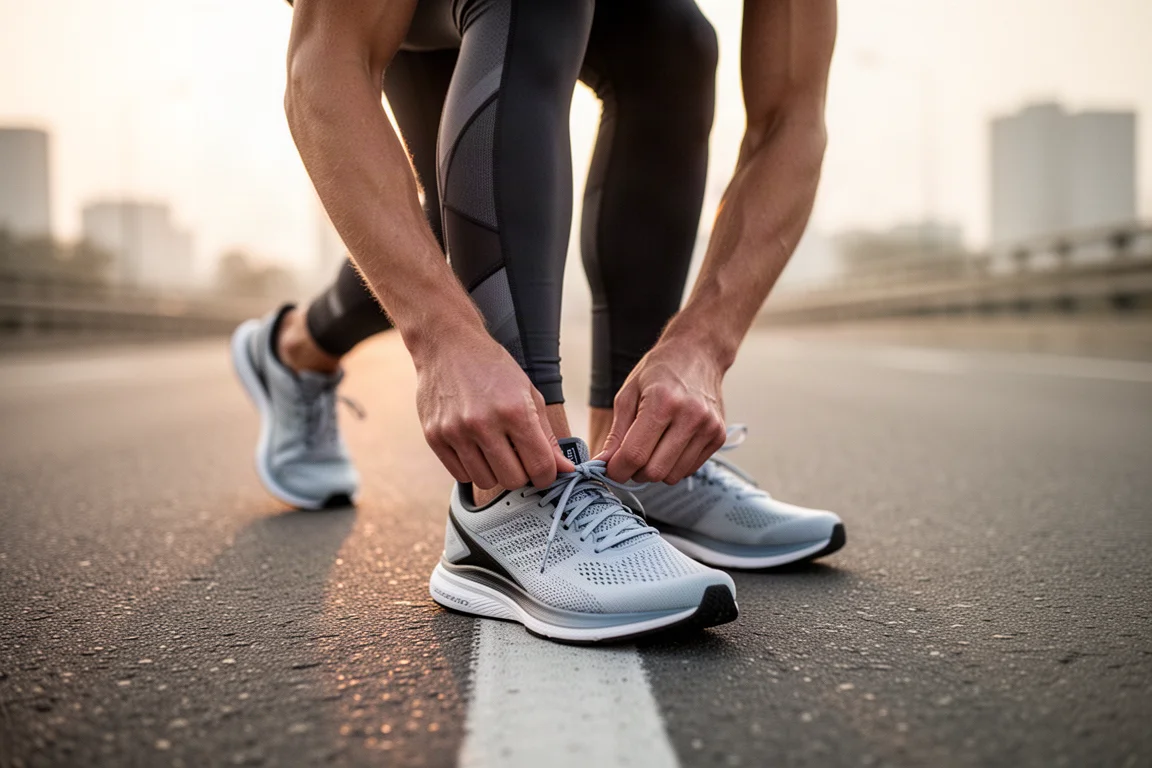
The Hoka Mach X2 goes racy. Its lightweight woven upper has almost no padding at the heel, which can be problematic for some runners, and very little structure overall. The midsole is dual density: a top layer of Hoka’s pebax super foam over an EVA layer, with a pack plate sandwiched between them. That plastic plate adds stability and propulsion while keeping more flexibility than a full carbon plate. The rocker geometry is more noticeable at the heel than on the Adidas, both shoes have sharp forefoot rockers, and the Mach X2 trades some outsole rubber coverage for cutouts and weight savings.
Fit and Sizing
Both shoes ran true to size in a UK 9 / US 9.5, matching the tester’s usual size across the Hoka range. Adidas shoes typically come up a little shorter than Hoka shoes in the same size, and that holds here, so runners between sizes may want the half size up in the Evo SL.
The Mach X2 is slightly narrower in width, which suits narrow feet, but the very racy upper and thin heel section can cause rubbing or even break the skin for some runners. The Evo SL has the more comfortable, more daily-trainer-friendly upper, and its heel fit has been excellent.
Adidas Adizero Evo SL: Light, Soft, and Nimble
The Evo SL is the softer, lighter, nimbler shoe. You feel lower and closer to the ground, with a very sharp forefoot rocker but a more relaxed, soft heel strike. Without a plate, the foam compresses more and the whole shoe flexes, giving a cruisy, enjoyable feel at easy paces.
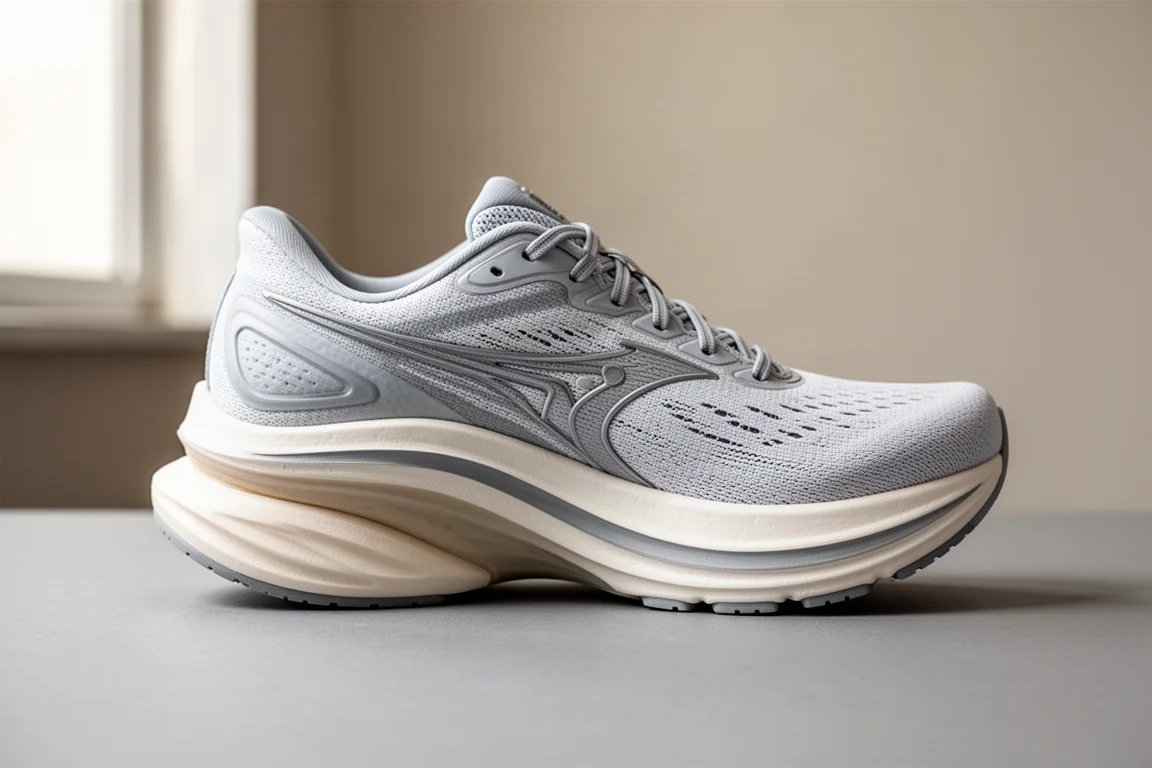
The trade-off is stability: the softer platform and medial-side cutout make it a little less stable than the Hoka, and you may roll slightly more inwards. For short, sharp reps, though, it shines. It has an old-school nimble feel with modern super foam bounce on top, and it was genuinely fun for 400m reps on the track while still holding up well for tempo efforts.
Hoka Mach X2: Built for Sustained Fast Efforts
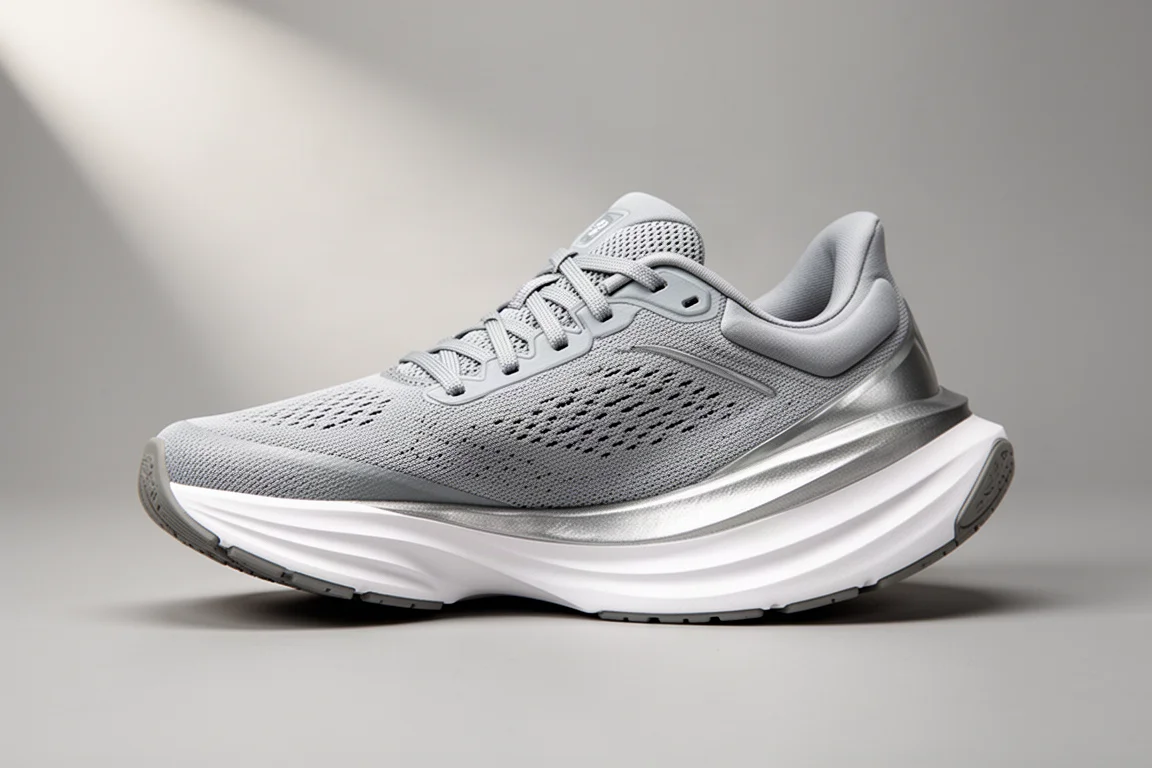
The Mach X2 feels taller and firmer underfoot, with plate-driven stiffness and a fast, noticeable rocker that pushes you from heel through midfoot onto the forefoot, delivering real punch off the toes. It is the faster turn-over shoe of the two.
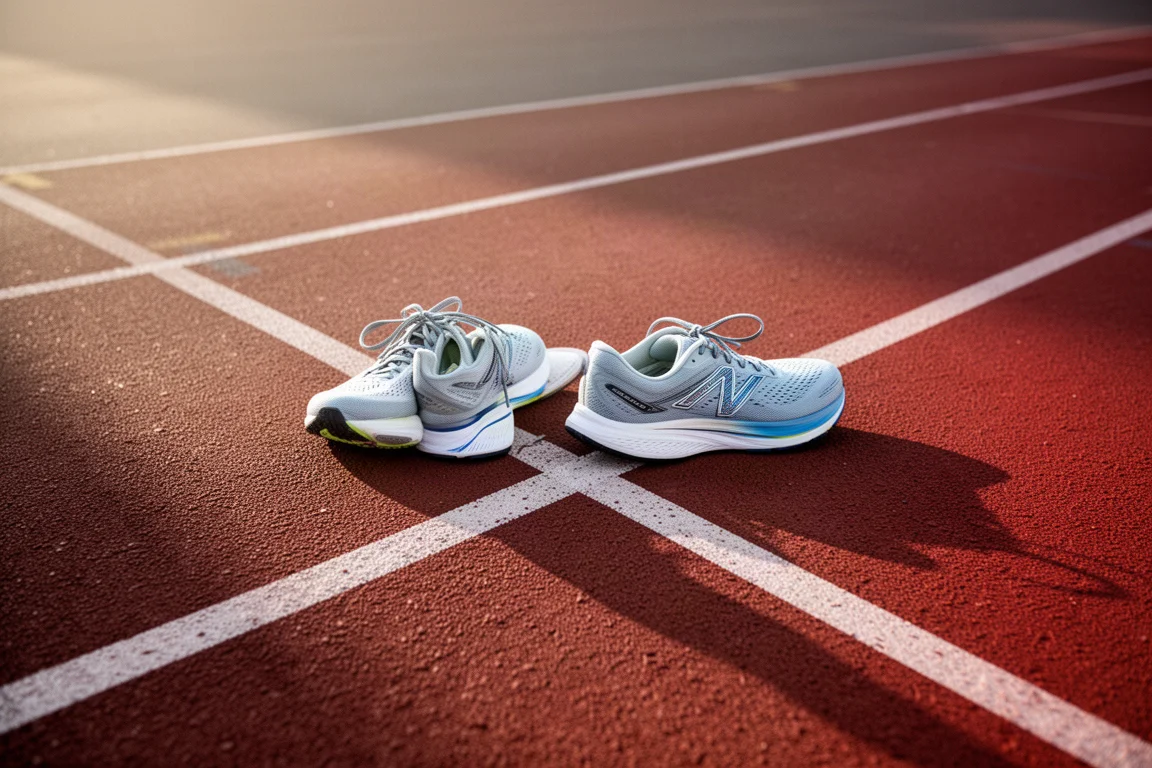
Where it really earns its price is longer, sustained work: long blocks at speed, progression runs, or sessions like 4x4K at marathon effort. The plate helps you keep rolling through efficiently and maintain fast paces, and it protects the legs better, aiding recovery between double days or back-to-back sessions. It is also the pick if you want a sustained-effort racing alternative to carbon-plated racing shoes, with the caveat of that racy upper.
How They Feel on the Run
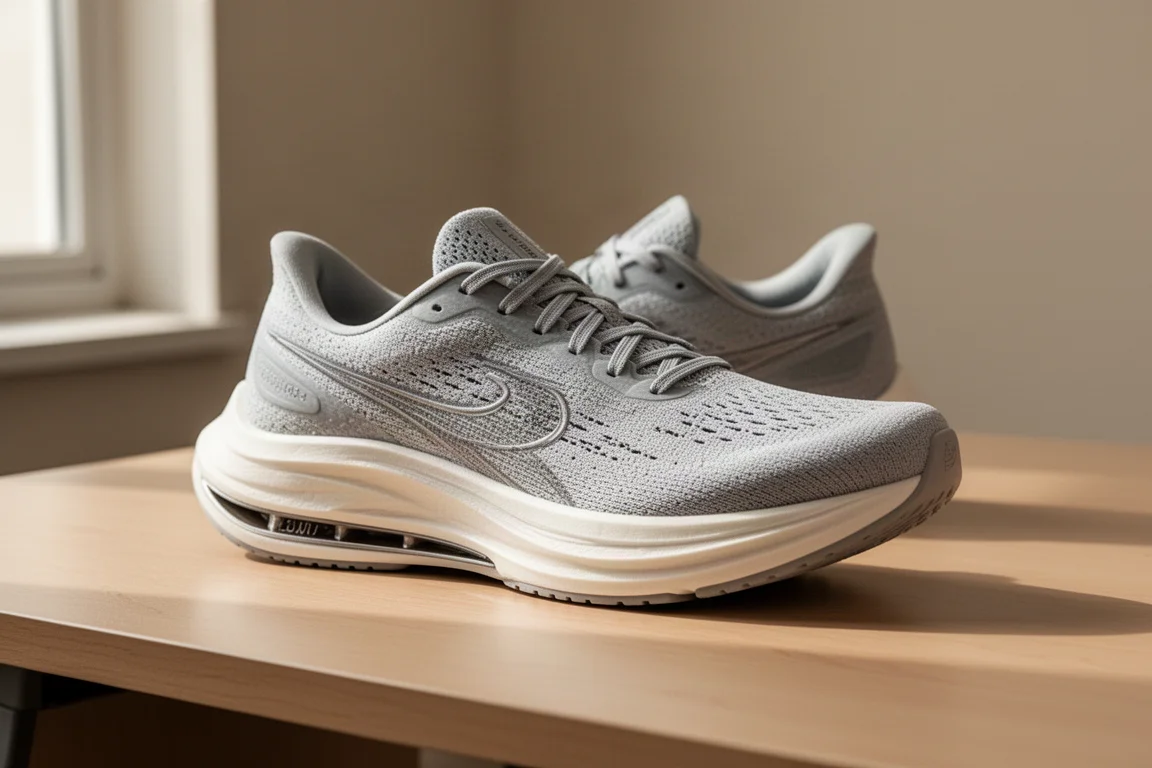
Running in both at once makes the contrast obvious. The Adidas is noticeably lower and softer, especially at the heel: you land on soft foam, get rolled through nicely, and load up bounce off the forefoot with a sinking-then-bouncing sensation. The Hoka delivers stiffness from the plate, an aggressive roll, and quick punch off the toes instead.
Both shoes lean more toward speed than easy running, but both are versatile enough for relaxed easy runs. If you want a maximally cushioned easy-day shoe, neither is it. Put them through the gears and they both come alive, having handled track work, road speed sessions, long runs, and easy mileage comfortably across roughly 140km in the Hoka and 120km in the Adidas.
Which One Should You Buy?
For most runners, the Adidas Adizero Evo SL is the easier recommendation. If you are not deep in marathon training with long sustained sessions, it is a fantastic all-round daily trainer: comfortable, fast, fun, with a friendlier upper, and considerably cheaper.
The Hoka Mach X2 is the better pick for runners who spend most of their time marathon training with long workouts and sustained-effort sessions, where its support, punch, and efficiency edge shine. It also suits anyone wanting a faster-feeling alternative to carbon racing shoes for long races. Just mind the upper, which can rub.

Both shoes are excellent, and both would happily sit in a rotation as the speed-day all-rounder. The deciding factors are your training style, your tolerance for a racy heel, and your budget.
Conclusion
The Adizero Evo SL offers a softer, nimbler, more affordable daily trainer with modern super foam and a comfortable upper. The Mach X2 counters with plate-driven propulsion, better sustained-pace efficiency, and more leg protection for hard marathon-training blocks. Match the shoe to your training, and either one is a very strong choice.
Further reading
Related Reviews

Running Shoes
Best Road-to-Trail Running Shoes: Three Versatile Options for Mixed Terrain
A practical guide to three road-to-trail running shoes that handle both pavement and mild trails, with clear strengths and trade-offs for different runner types.

Running Shoes
Best Running Shoes for Achilles Tendonitis: Three Options Explained
Three running shoes with different heel drops and support features designed to help reduce Achilles tendon pain during walking and running.

Running Shoes
Best Running Shoes for Women: Five Top Choices Ranked
A ranked guide to five women's running shoes, from versatile daily trainers to high-performance racing options, with real strengths and trade-offs for each.