Running Shoes
Adidas Adizero Evo SL vs Hoka Mach 6: Which Lightweight Trainer Deserves Your Money?
Two versatile lightweight trainers go head to head on ride, fit, grip and value, with a clear verdict for runners choosing between them.
Introduction
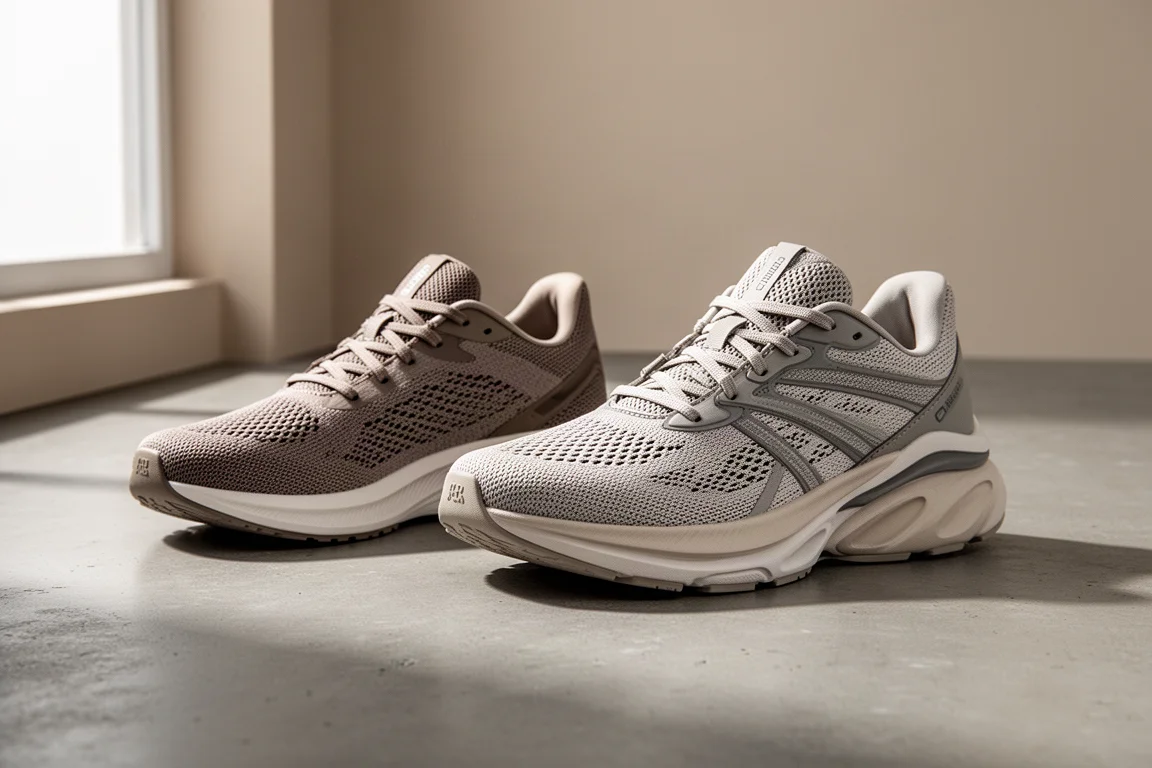
Lightweight, versatile trainers are having a moment, and two shoes keep coming up in that conversation: the Adidas Adizero Evo SL and the Hoka Mach 6. Both sit in that sweet spot between a cushioned daily trainer and a serious speed shoe, and both are priced sensibly compared with the premium super trainer market.
After extensive testing in both, the short version is this: they are more similar than they are different, but the Evo SL’s midsole foam gives it an extra gear that makes it the stronger all-round pick for most runners. The Mach 6, however, remains a genuinely excellent shoe with its own advantages. Here is how they stack up.
At a Glance: Specs and Pricing
The Adidas Adizero Evo SL costs £130 or $150, weighs 224g (7.9oz) for men in a size 8.5, and has a 6mm drop. The Hoka Mach 6 comes in at £140 or $140, weighs 219g (7.7oz) for men in a size 8, with a 5mm drop.
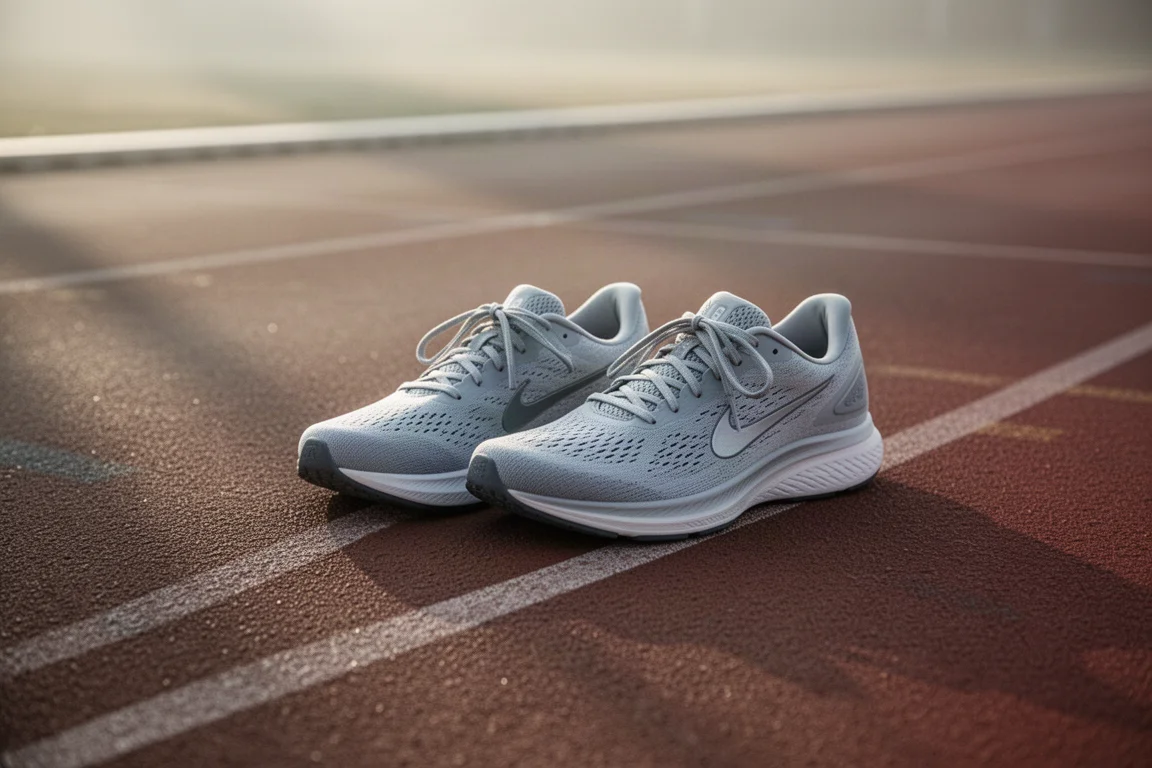
On paper they are remarkably close: similar weights, similar drops, and price points within £10 of each other in the UK. In practice, though, they ride noticeably differently, and that difference drives the whole comparison.
Design and Technology
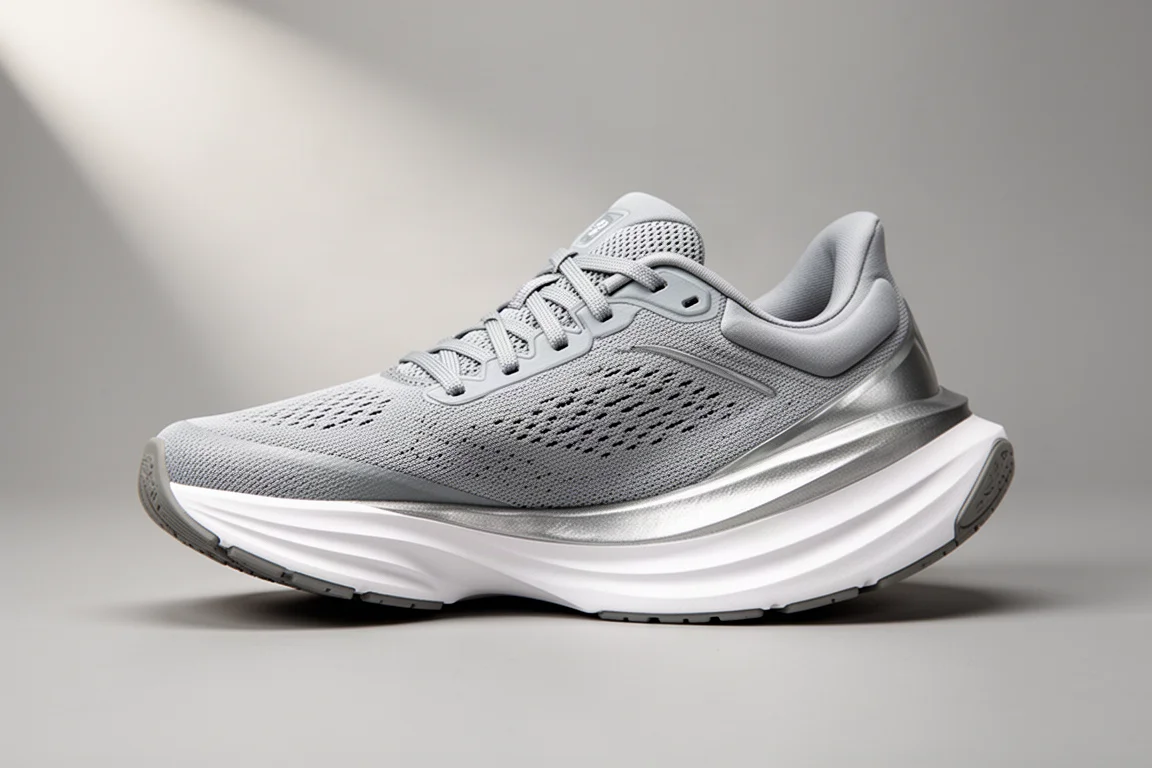
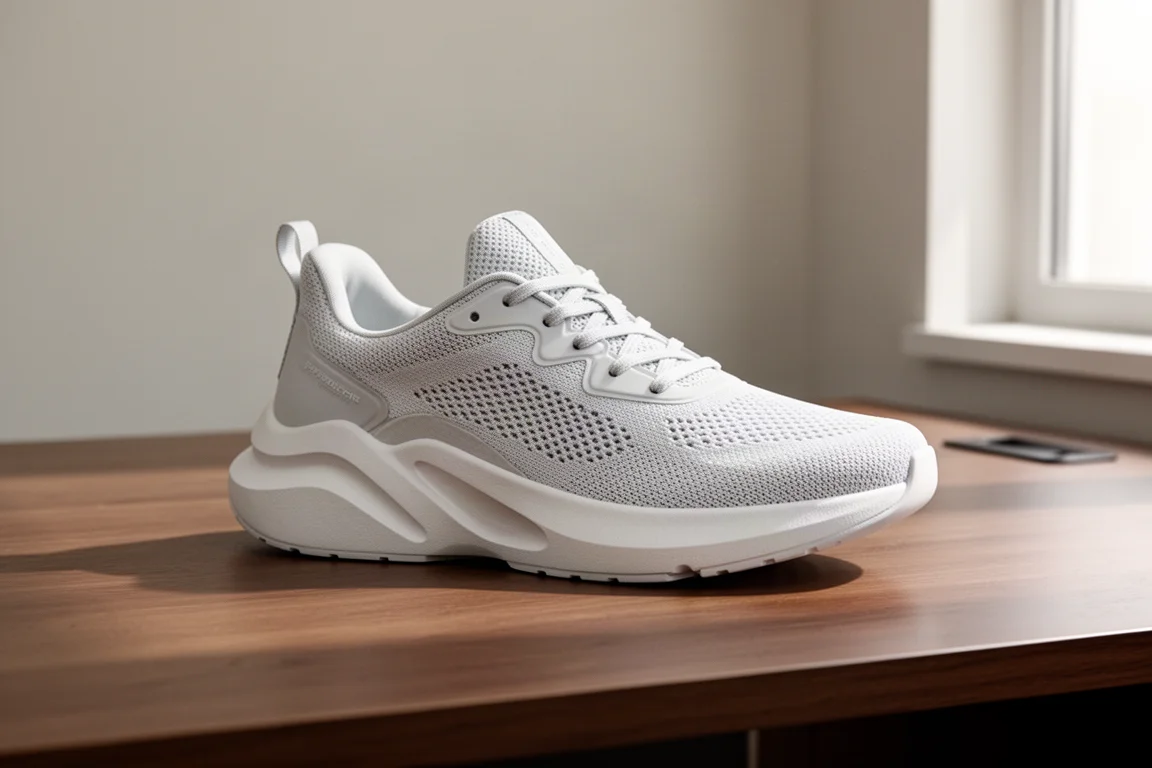
The Evo SL takes learnings from Adidas’s top-tier performance shoes and packages them into a trainer that covers everything from easy runs to race day. The key is a thick layer of Lightstrike Pro midsole foam, designed to be soft, comfortable and highly energy returning. The upper is a lightweight, breathable engineered mesh, with plenty of padding around the ankle collar and a slightly rockered geometry for a smooth heel-to-toe transition.
The outsole combines Continental rubber on the forefoot with clear rubber towards the heel, aiming to deliver grip and protection without adding weight. It looks deceptively smooth, but it performs well.
The Mach 6 is a versatile training shoe built to handle faster sessions with a smooth, lightweight ride. Improvements over the Mach 5 include a new supercritical foam midsole, refinements to the cushioned tongue, and a new creel-jacquard upper with a dual internal gusset for improved breathability and comfort. The midsole has been modified for better energy return, while strategically placed rubber on the outsole provides durability and grip. Hoka also offers the Mach 6 in a wide version, which matters for fit, as we will see.
Fit and Sizing: How They Compare
Fit is where personal preference really comes into play. One tester took their usual UK 9 (US 9.5) in both shoes and found the fit close to perfect in each, with a little padding around the uppers but nothing overbearing. The Evo SL’s tongue sat in place nicely, and long runs were comfortable in both shoes at normal sizing.
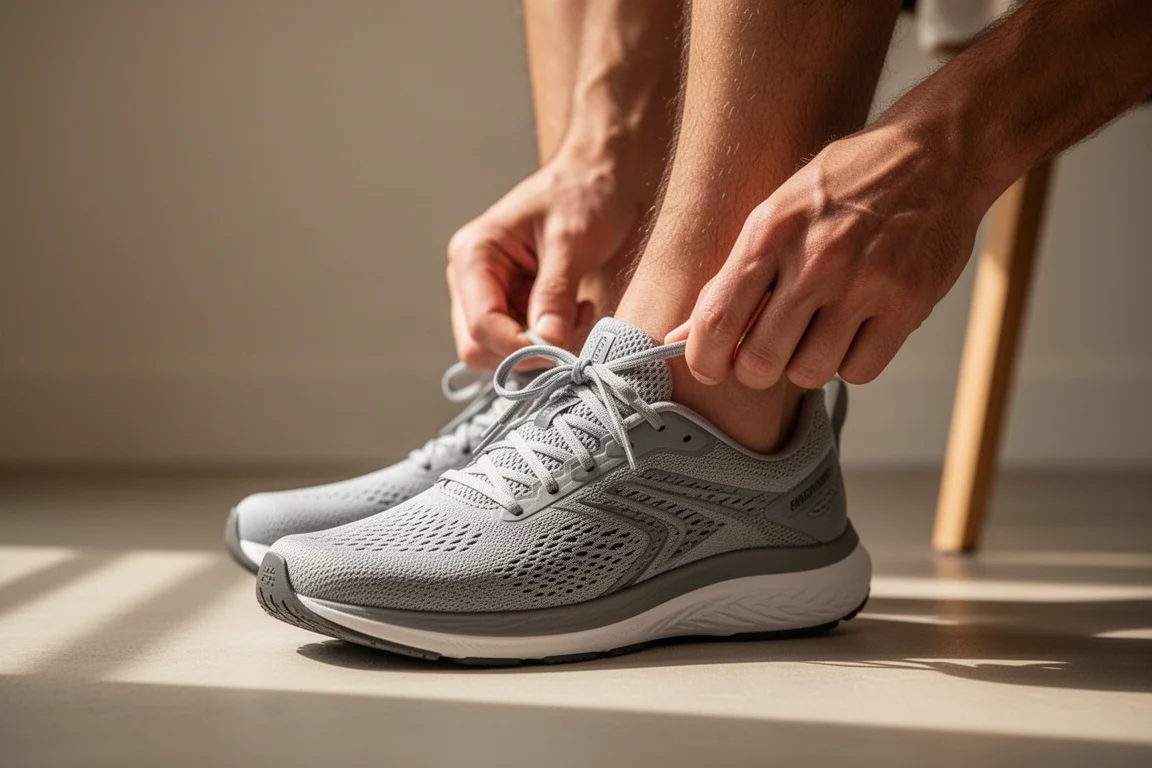
Another tester had a different experience: in the Evo SL they went up half a size from their usual UK 8 to an 8.5, finding the size 8 left the foot a little too close to the end of the shoe. They also found the Evo SL surprisingly roomy for an Adidas shoe, making it a good option for average-width feet.
The Mach 6 fits true to its Hoka character: quite narrow and dialed in around the toes, and it can feel restrictive with limited forefoot space. If you have wider feet, the wide version is worth seeking out, though both testers still recommend buying your actual size rather than sizing up.
Ride Feel: Bouncy and Versatile vs Balanced and Nippy
This is where the shoes separate. The Evo SL’s Lightstrike Pro midsole is soft, bouncy and full of energy return. It shines for tempo sessions and faster efforts, but it is genuinely pleasant on easy runs too, softening the impact and adding a bit of bounce that makes relaxed running feel easier. One tester found they were naturally drifting from 5:00 per kilometre down to 4:45 in the Evo SL while it felt just as easy, which speaks to how much the shoe helps you hold a pace.
For runners who want speed without committing to a carbon-plated race shoe, the Evo SL makes a compelling case as a race day option too. There is a nylon shank in the midsole adding a touch of stiffness, a more aggressive forefoot rocker, and an overall peppy, lighter, bouncier character.

The Mach 6 takes a more conventional approach. Its supercritical EVA midsole is firmer and more balanced than the Evo SL’s, without the big stack of soft foam. You do not get huge energy return, but you do get a stable, neutral platform you can push against, with a little rocker and enough responsiveness for intervals, tempo runs and fast sessions. It feels lightweight and nippy on the foot, and it is a simple, effective design.
The trade-off is that the Mach 6 does not feel as special as the Evo SL. A short run wearing both shoes at the same time makes the difference clear: the Adidas feels peppier, lighter, bouncier and softer at the heel, while the Hoka just feels good and reliable without the same dynamic punch.
Grip, Durability and Stability
The Mach 6 has the edge in a few practical areas. Its outsole is fantastic, with a good layer of rubber protecting the midsole foam and solid grip. Because the firmer foam keeps you slightly closer to the ground, it also feels very stable, particularly on switchbacks and quick cornering. The wider midfoot adds to that planted feeling.
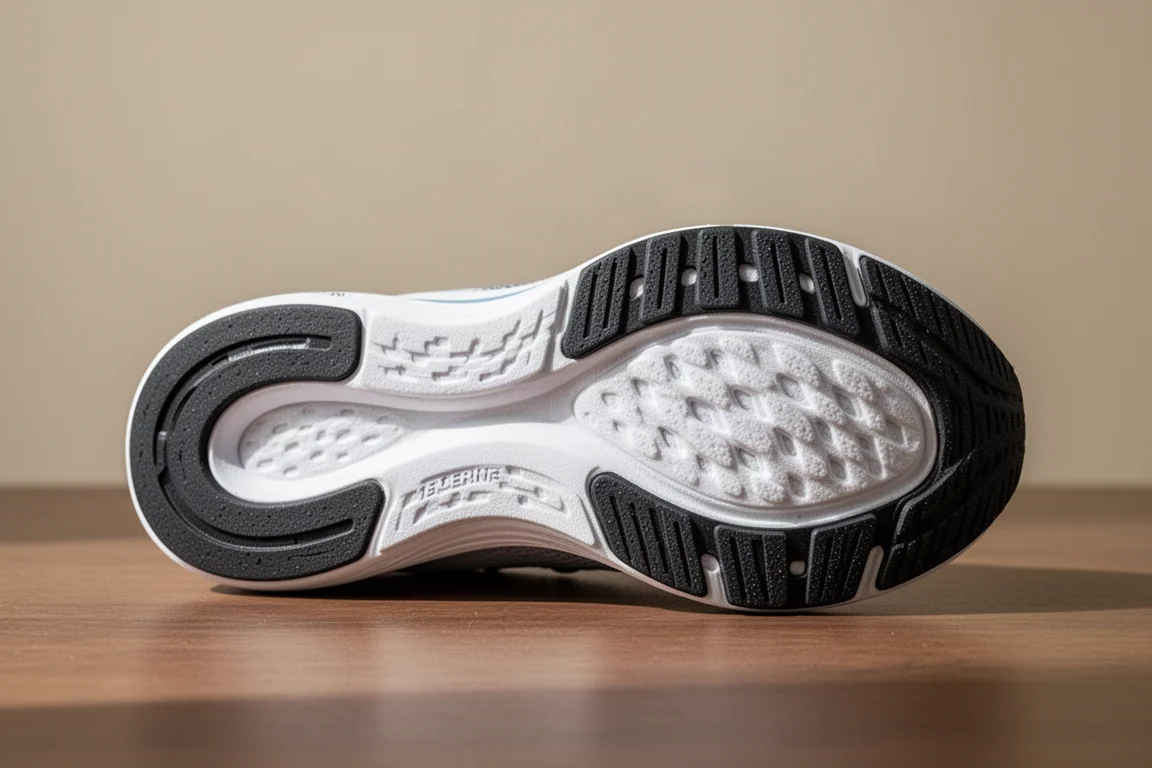
The Evo SL’s outsole is surprisingly good too. The Continental rubber on the front looks smooth but grips well, and the clear rubber at the back held up better than expected with no tearing. However, the softer midsole and narrower midfoot, plus a small cutout on the medial side, make it a little less stable. You sit a bit higher off the ground and can feel some wobble when turning corners quickly.
Verdict: Which Should You Buy?
If it is a straight shootout, the Adidas Adizero Evo SL takes the win. The midsole foam simply changes the feel of the ride and improves it, especially for faster efforts, while remaining comfortable and relaxed on easy runs. It is also £10 cheaper in the UK, which is a genuine bonus, and one tester said they would still pick it even at identical pricing.
The Mach 6 is far from a loser, though. It is a really versatile shoe that probably covers easy runs and long runs a little better than the Evo SL, and for a 90-minute steady effort it might be the one to reach for. It is also the more stable and more accessible option for runners who do not want an overly soft, bouncy feel.
There is also a strong case for owning both. If you like lightweight shoes and are not chasing a max-stack cushioning trainer, the Mach 6 makes an excellent easy day and all-round daily trainer, while the Evo SL slots in alongside it as the speed-focused option for short intervals and tempo runs. As a two-shoe rotation built from scratch, that pairing is hard to beat.
Conclusion
Both of these are great shoes at sensible prices, but the Evo SL edges it for most runners thanks to its Lightstrike Pro midsole, energy return and versatility all the way up to racing. Choose the Mach 6 if you prioritise stability, a firmer and more natural ride, or need the wide version. Either way, you are getting one of the better lightweight trainers on the market right now.
Further reading
Related Reviews

Running Shoes
Best Road-to-Trail Running Shoes: Three Versatile Options for Mixed Terrain
A practical guide to three road-to-trail running shoes that handle both pavement and mild trails, with clear strengths and trade-offs for different runner types.

Running Shoes
Best Running Shoes for Achilles Tendonitis: Three Options Explained
Three running shoes with different heel drops and support features designed to help reduce Achilles tendon pain during walking and running.

Running Shoes
Best Running Shoes for Women: Five Top Choices Ranked
A ranked guide to five women's running shoes, from versatile daily trainers to high-performance racing options, with real strengths and trade-offs for each.