Running Shoes
Adidas Adizero Evo SL vs Boston 12: Which Versatile Trainer Wins?
A close comparison of two lightweight Adidas daily trainers: the newer Evo SL with full Lightstrike Pro foam and the proven Boston 12 with energy rods.
Introduction
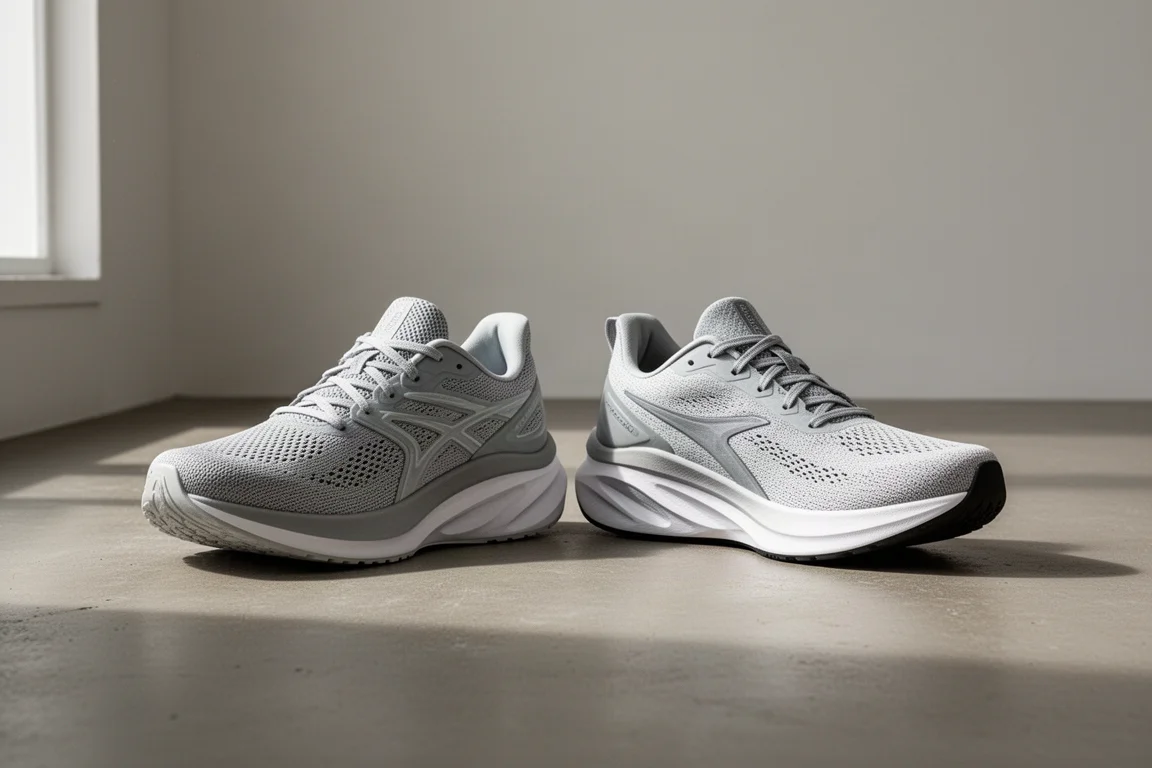
The Adidas Adizero Evo SL and Adizero Boston 12 are both genuinely impressive lightweight, versatile trainers, and they make a natural head-to-head comparison. The Boston 12 is the older shoe of the pair, having launched a couple of years earlier, while the Evo SL is a much newer addition that only had a limited launch before rolling out more widely. They sit in a similar spot in a rotation: the middle slot, where a shoe handles daily miles, easy runs and a good share of speed work.
Pricing is close, with the Evo SL at £130 or $150 and the Boston 12 at £140 or $160, though the older Boston 12 is often found discounted. The Evo SL is also the lighter shoe at 227g (7.9oz) versus 259g (9.1oz), both in a UK size 9.
Specs and Design Overview
The numbers tell part of the story. The Evo SL has a 6mm drop with 39mm of stack at the heel and 33mm at the forefoot, while the Boston 12 runs a 7mm drop with 38mm at the heel and 31mm at the forefoot. Both use lightweight mesh uppers, but the design philosophies diverge quickly from there.
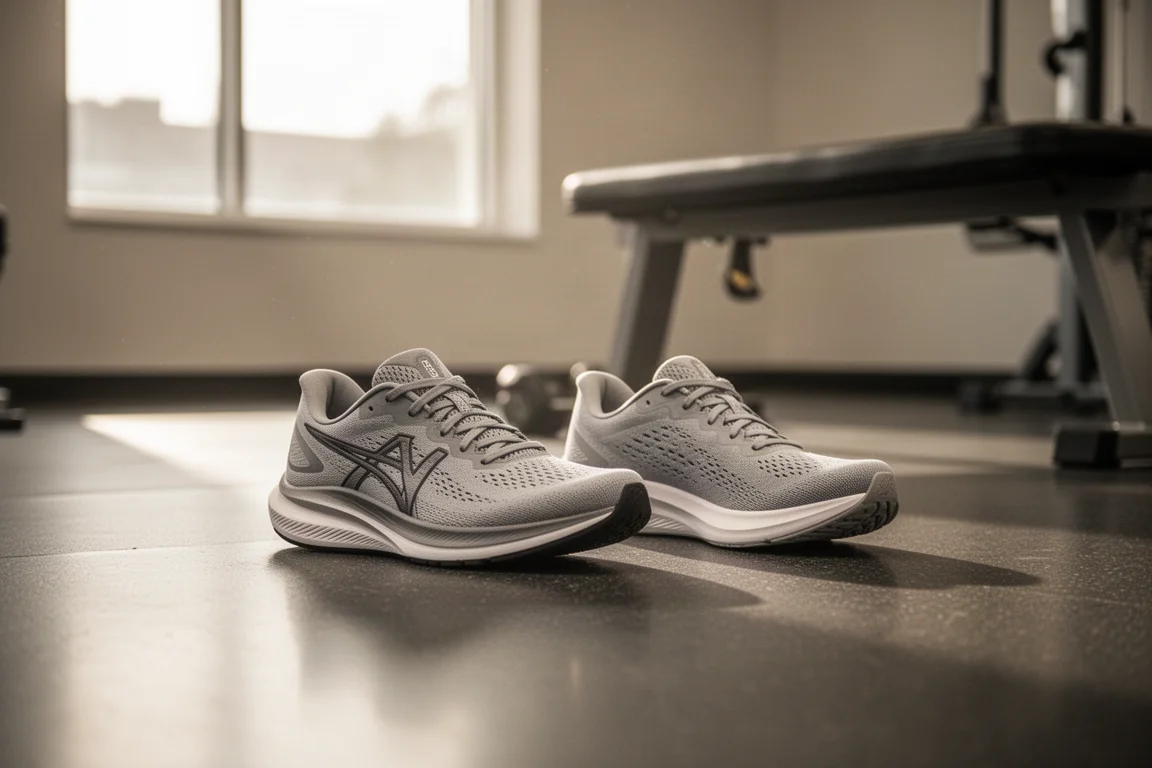
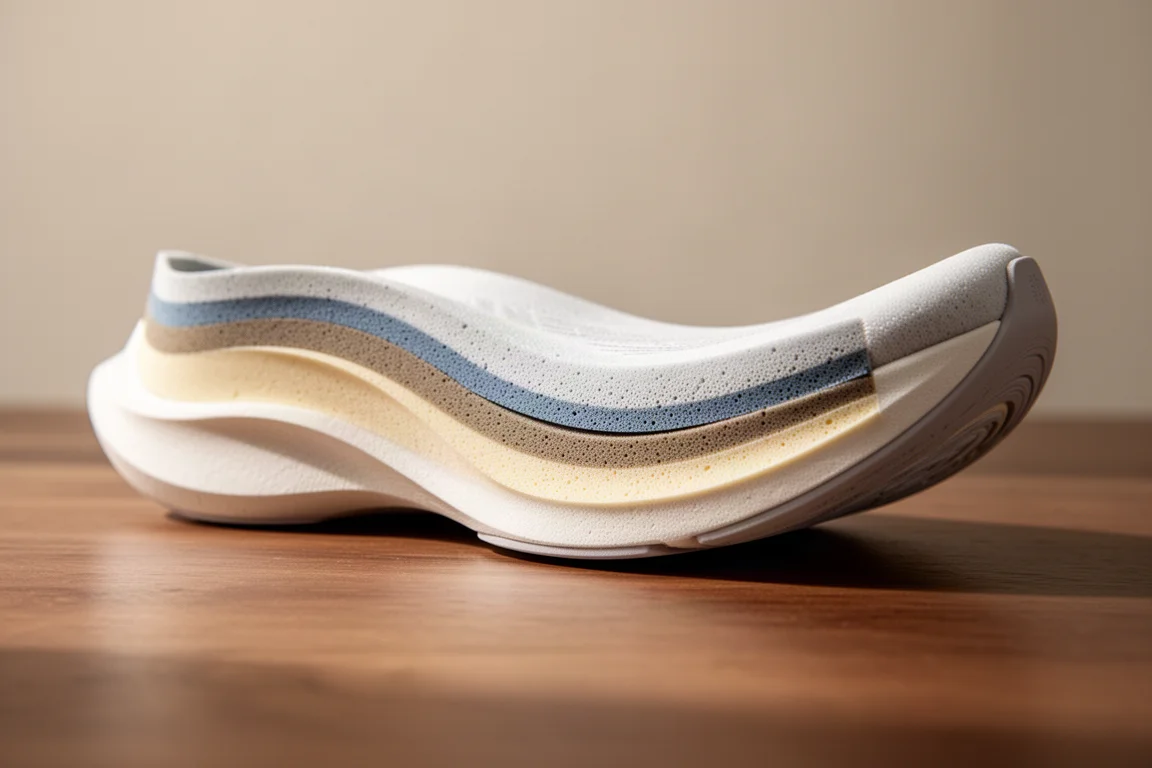
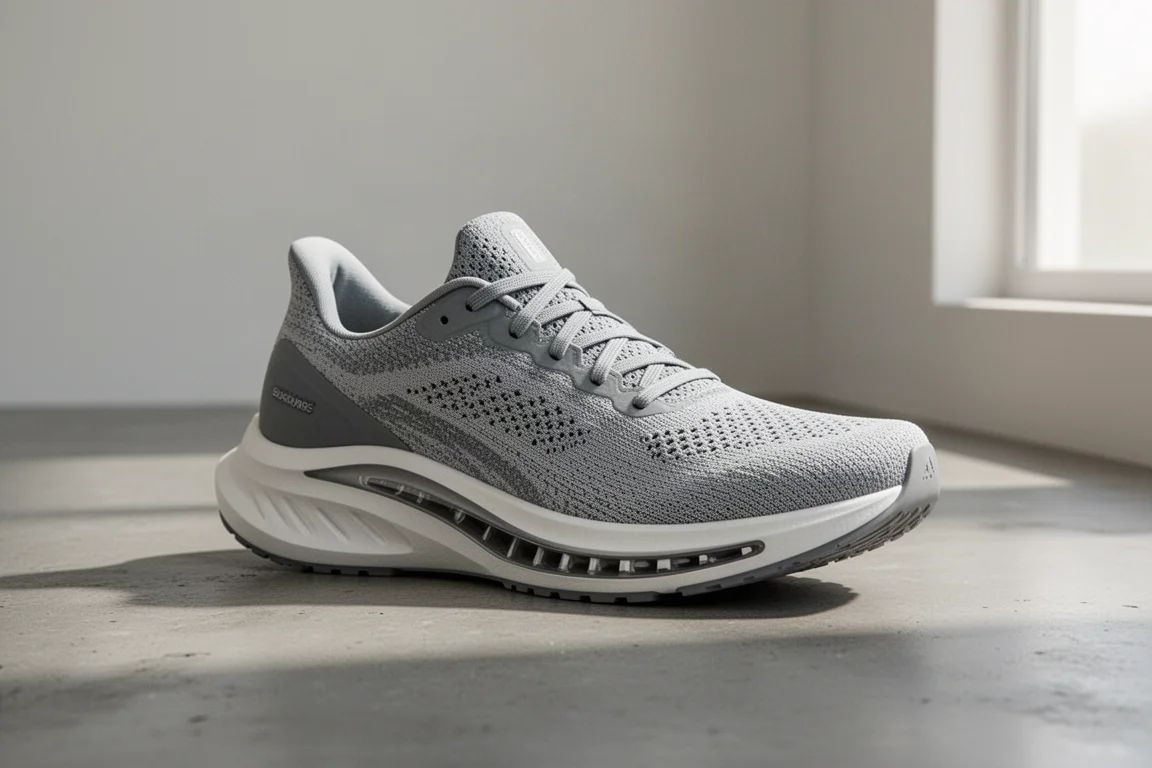
The Evo SL keeps things simple but effective: a full Lightstrike Pro midsole, reportedly the same foam used in the Adizero Adios Pro 3, plus Continental rubber under the forefoot and clear rubber covering the heel. A sharp forefoot rocker, inspired by the Pro Evo 1 racing shoe, rounds out the design. The Boston 12 instead uses a dual-density midsole with Lightstrike Pro on top and Lightstrike 2.0 EVA below, and it embeds Adidas energy rods in the midsole, something the Evo SL does not have. Its outsole is Continental rubber throughout.
Adidas Adizero Evo SL
The Evo SL is a comfortable, bouncy daily trainer that still runs fast. The full Lightstrike Pro midsole delivers a soft, squishy and lively ride, with a particularly nice bouncy feeling under the forefoot. Because there are no energy rods stiffening the platform, the shoe is flexible, which gives it a sense of extra softness while keeping weight low.
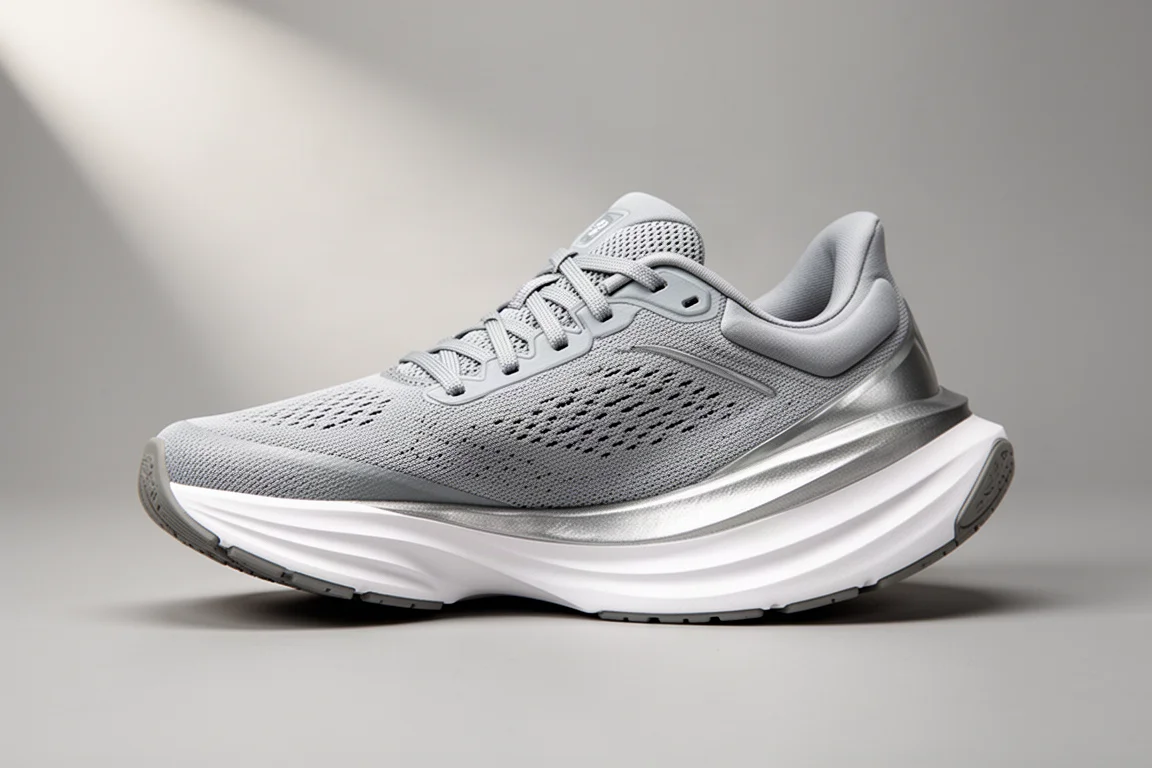
The padded collar and internal heel counter make it noticeably more comfortable for everyday use, and the relaxed yet secure fit handles lockdown at speed. Over time the shoe breaks in, becoming a touch more flexible and soft, and it has only improved with more miles. The main trade-off is a slight loss of stability compared with the Boston 12, since there is no rod structure supporting the midsole. Neutral runners should have few issues, but runners who overpronate may notice the difference.
Adidas Adizero Boston 12
The Boston 12 is a really good value super trainer with an agile, energetic ride. The energy rods give it a slightly stiffer, punchier feel and add propulsion compared with the all-foam Evo SL. When running at pace, you get pushed nicely onto the deeper wedge of Lightstrike Pro under the forefoot, and the Lightstrike 2.0 bottom layer, especially under the heel, provides a cushioned feel for easy paces.
Its biggest weakness is the upper. It is very racy, with almost no padding, minimal structural support around the heel and a thin tongue, which makes it uncomfortable and awkward to put on. Lace bite is a real possibility, and you may need to heel-lock the laces to avoid rubbing. It can be worked with, but the fit skews too far toward a racing shoe for a daily trainer.
Fit and Sizing
Both shoes run true to length, so sticking to your normal Adidas running shoe size is a safe bet. The fits are fairly narrow, though, and runners who are larger for their size may want to consider going half a size up for extra toe room.
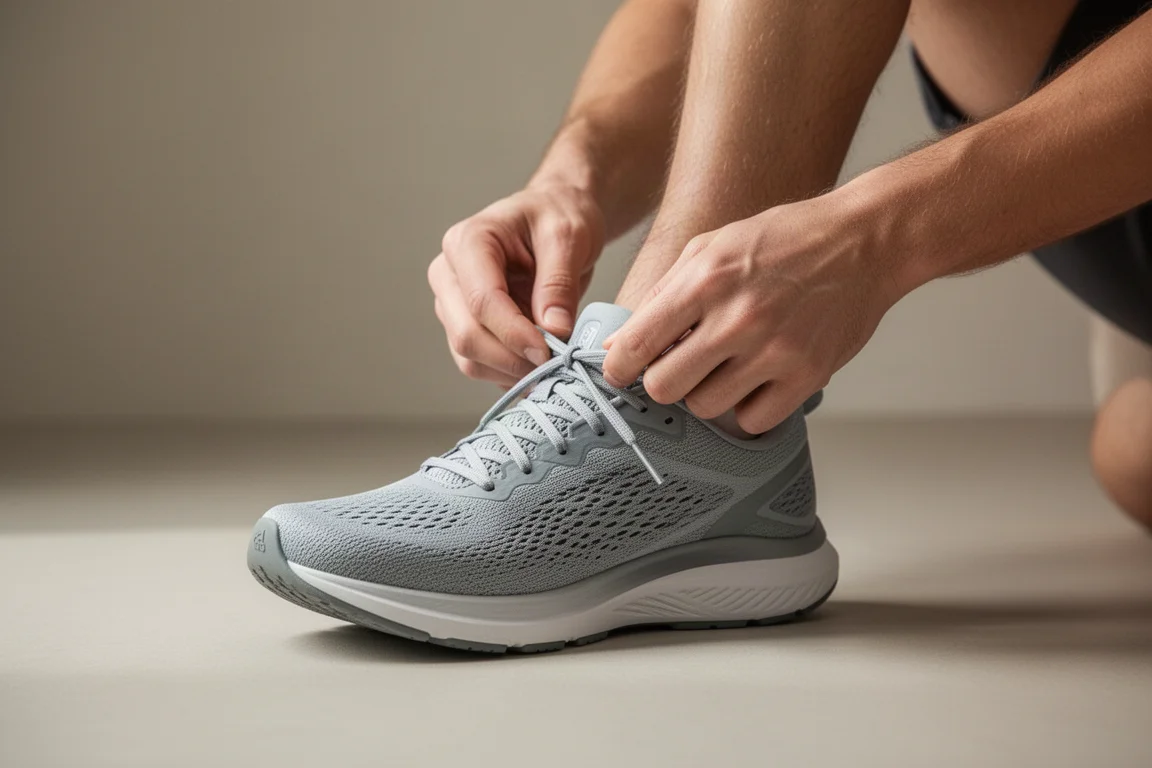
The real difference is comfort. The Evo SL offers a wider opening, padding around the heel and an easier entry, while still providing secure midfoot and heel lockdown. The Boston 12’s tight, thinly padded upper makes it noticeably harder to get on and less pleasant for all-day wear, even if it contributes to the shoe’s nimble, fast feel.
Ride Feel and Performance
Worn side by side, both shoes show a snappy turnover. The Boston 12 feels stiffer as you are pushed onto your toes, which can occasionally give it a small edge in pure speed work, though that edge is subtle. The Evo SL feels bouncier and more fun overall, and it performed just as well in speed sessions while being far more comfortable at easy paces.
Both shoes are best at the faster end of daily training, but the Evo SL shines across a greater range of paces thanks to its comfort and lighter build. Both also benefit from a short break-in period that makes them slightly more flexible and soft.
Which Shoe Should You Buy?
The Evo SL is the pick here, whether you want one shoe to do everything or a versatile middle slot in a rotation. It is lighter, cheaper, more comfortable and just as capable at speed, with a more aggressive rocker. If you want to round out a rotation around it, a stiffer companion such as a newer super trainer or a dedicated racing shoe makes more sense than adding the Boston 12, since the two overlap too much.

The Boston 12 is still a great shoe, especially on sale, and worth considering if you specifically want the stiffer energy-rod feel and a touch more stability, and can live with the uncomfortable upper.
Conclusion
The Adidas Adizero Evo SL wins this comparison for its superior comfort, lighter weight, lower price and comparable speed, making it the better all-round trainer. The Boston 12 remains excellent value with a punchier, slightly more stable ride, but its restrictive upper is a significant drawback. For most runners looking for a versatile daily trainer, the Evo SL is the shoe to get.
Further reading
Related Reviews

Running Shoes
Best Road-to-Trail Running Shoes: Three Versatile Options for Mixed Terrain
A practical guide to three road-to-trail running shoes that handle both pavement and mild trails, with clear strengths and trade-offs for different runner types.

Running Shoes
Best Running Shoes for Achilles Tendonitis: Three Options Explained
Three running shoes with different heel drops and support features designed to help reduce Achilles tendon pain during walking and running.

Running Shoes
Best Running Shoes for Women: Five Top Choices Ranked
A ranked guide to five women's running shoes, from versatile daily trainers to high-performance racing options, with real strengths and trade-offs for each.