Running Shoes
Adidas Adizero Evo SL vs Evo SL ATR: Which Version Should You Buy?
Two versions of the same versatile daily trainer share a midsole but differ in upper, outsole, weight and price. Here is how to pick the right one.
Introduction
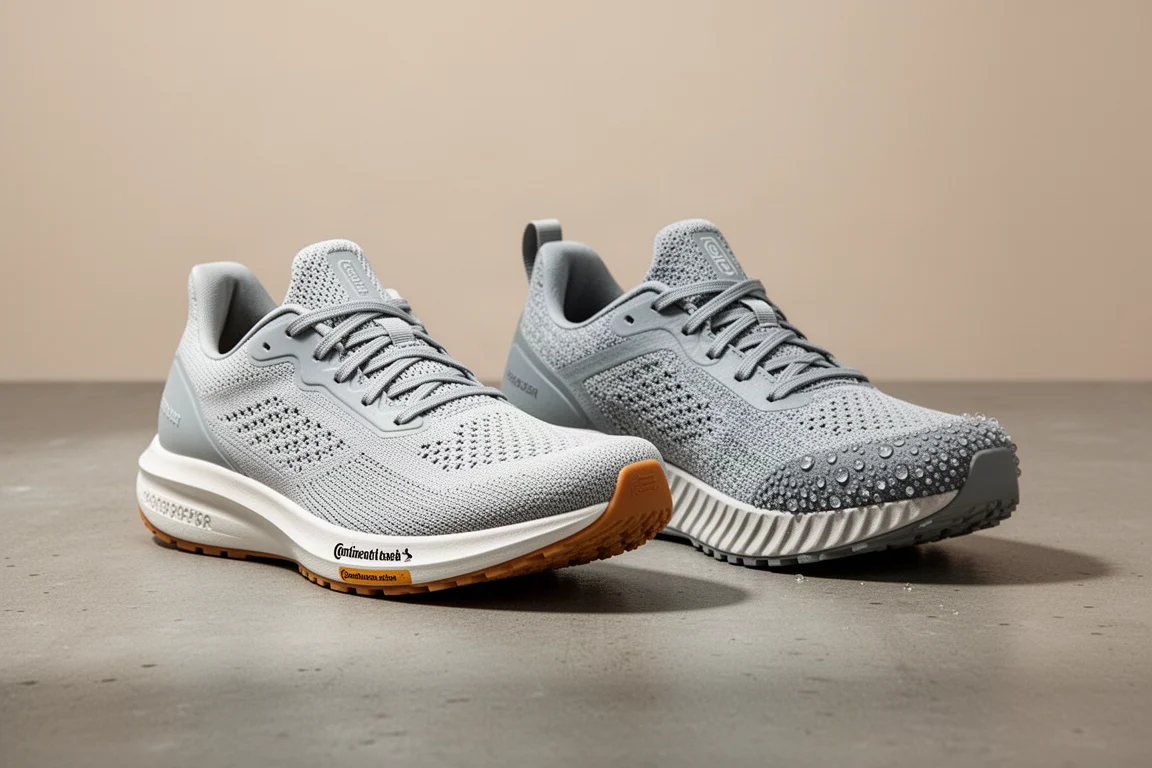
Adidas now sells the Adizero Evo SL in several flavours, and the choice can feel confusing. The standard version from last year, a woven variant, and the newer All Terrain (ATR) all share the same core midsole, yet they are not interchangeable. After running in all of them, the differences come down to the upper, the outsole, a small weight penalty and, crucially, price. This comparison focuses on the two versions most people will be choosing between: the standard/woven Evo SL and the ATR.
Shared Midsole, Shared Strengths
The midsole is essentially identical across all three versions. Each measures around Shore A2.2 in the Lightstrike Pro formulation used here, so the ride character you love in the Evo SL carries over whichever version you pick. It is a very versatile platform: light and nimble enough for tempo efforts and speed work, yet with a significant stack height for a daily shoe that comfortably extends to longer runs once the foam breaks in.
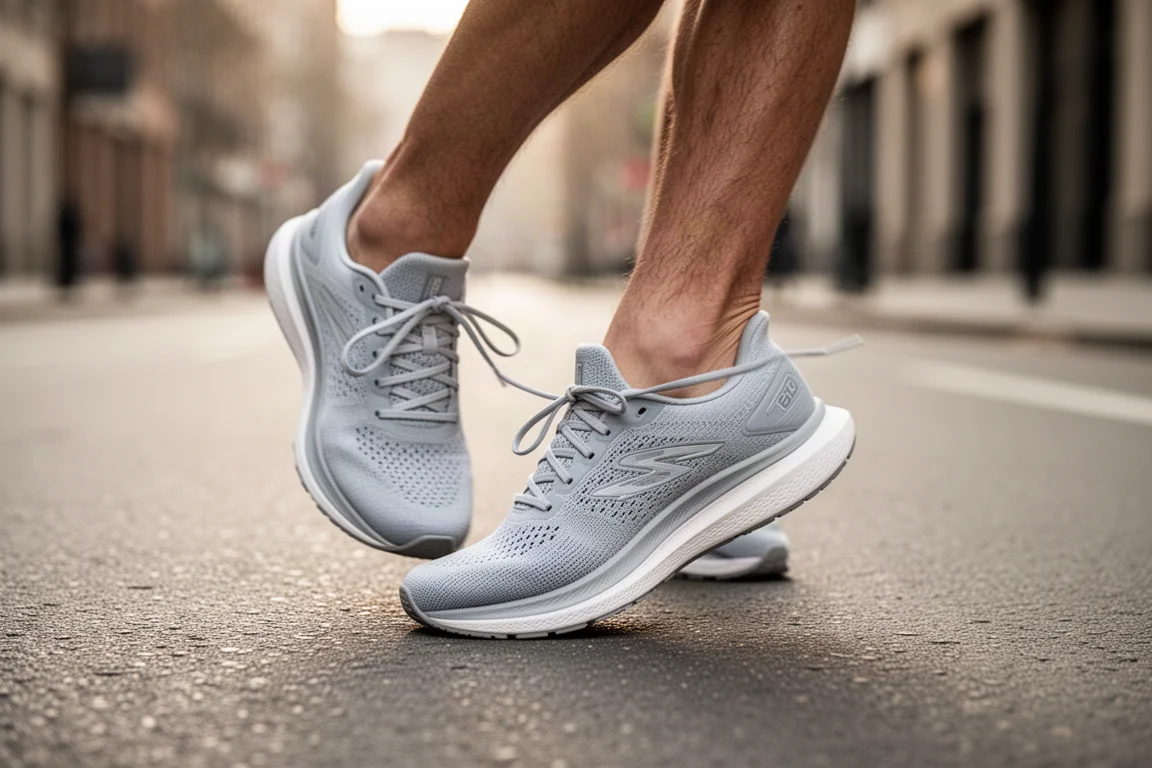
That versatility is the Evo SL’s biggest selling point. It is a simple lace-up-and-go shoe that handles daily training and faster days without fuss, and none of that changes between the versions.
Upper Fit and Comfort
The ATR and woven versions share some upper features, including tongue gusseting and a lace loop placed higher up the tongue, which appears designed to stop the tongue sliding toward the lateral side of the foot. Note that only the ATR gets serrated laces, which genuinely improve lockdown because they do not slip while you tighten them. A practical tip: add a set of serrated laces to the standard or woven version and you get much of that benefit without the ATR’s extra weight or cost.
The ATR also has noticeably more structure around the toe box, with a bobbly, water-repellent section that feels like a trail shoe. That makes the ATR more present on foot, and less comfortable in the upper than the standard or woven versions. Unless you regularly run in very wet weather, the standard or woven upper is the nicer place for your feet.
Outsole and Durability
On solid surfaces, the standard version’s Continental rubber is excellent and even copes with wet roads. The ATR edges it on gravel or loose dirt thanks to its ridged outsole, but that is a niche advantage for an all-weather rather than true trail shoe. On standard surfaces the ridges actually make the ATR feel slightly less stable and a touch more compressive, since the ridges press into the foam first and contact the ground first, particularly at the heel.
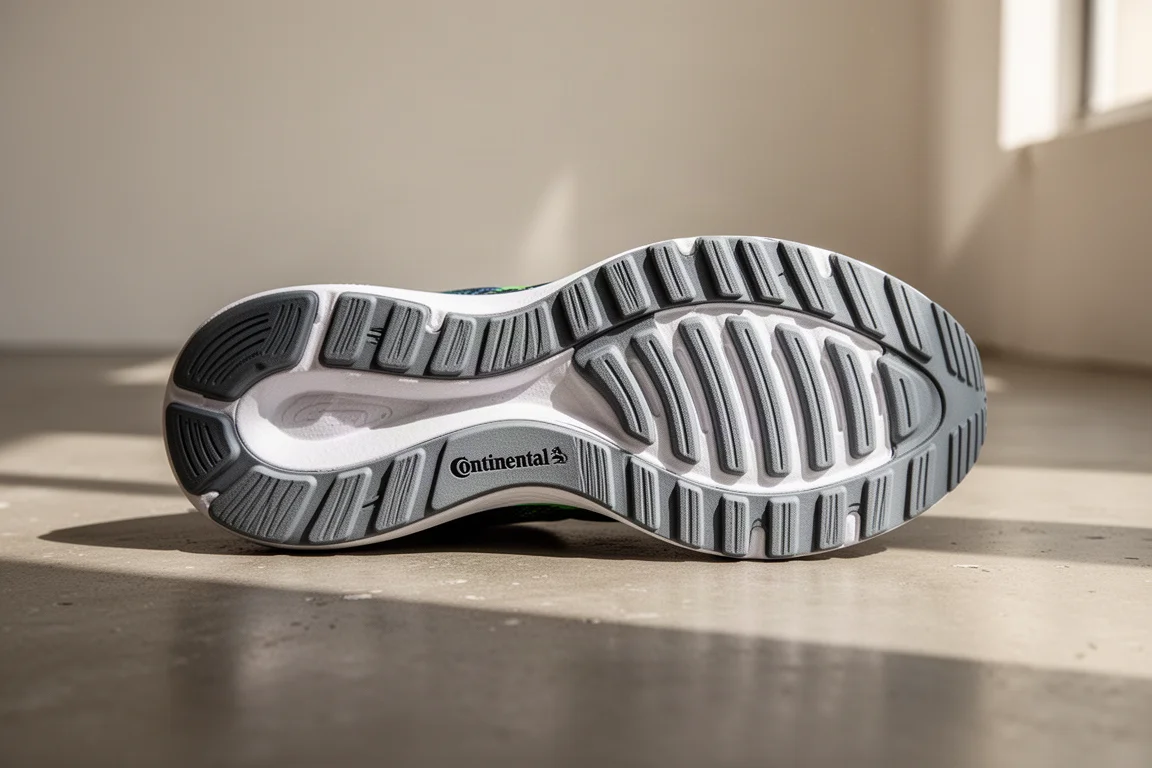
Durability is strong across the board. The Continental rubber is very durable, though the mottled out-of-box pattern does smooth out over time. The ATR’s ridges will eventually wear down too. For most runners, the standard or woven outsole is more than enough.
Weight: Is the Difference Noticeable?
The ATR is heavier, with extra rubber, toe box reinforcements, tongue gusseting and pull tabs all adding up. It feels less nimble than the standard or woven versions as a result.
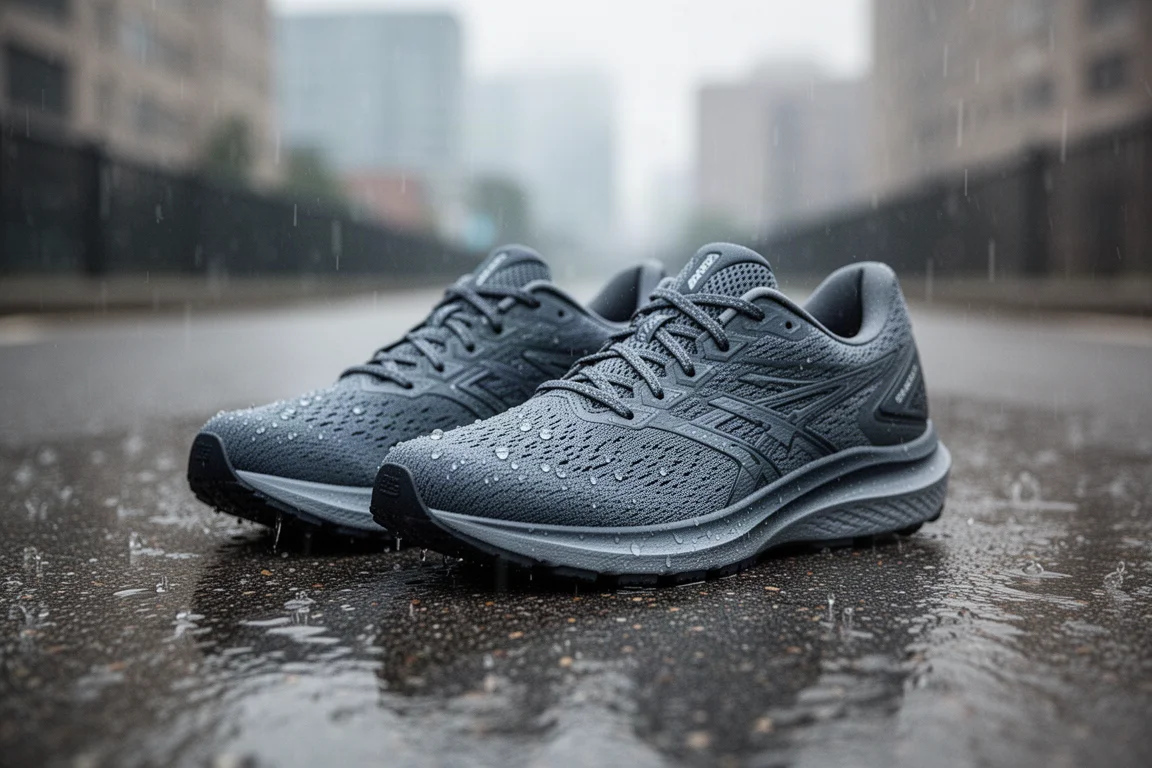
That said, the gap is marginal between all three, and it should not be the deciding factor. Other all-weather versions of competing shoes are far heavier relative to their standard versions than the ATR is here. If you are newer to running, you are unlikely to notice much on foot.
Price and Availability
Price is where the decision is made for many people. The standard and woven versions are currently much cheaper than the ATR, with more room for discount codes. The woven version has been picked up for around £115 in the UK, roughly £15 below retail, and the original Evo SL can be found as low as £90, a great price for such a versatile shoe. Be wary of delivery fees added late at checkout, as they can quietly raise the final price.
The ATR carries exclusive colourways at certain retailers, but availability overall favours the standard and woven versions, which appear in far more places and in a huge range of colourways. Adidas has strong form here; the Adios Pro 3 once had near-unlimited colourway options.
Buying Advice
For most runners, the standard or woven Evo SL is the one to buy: better upper comfort, equal midsole, more stable feel, lower weight and significantly better pricing. The woven version is the slight fit upgrade, fixing a few issues from the original, but if the original worked for you, the deep discounts on it right now are hard to argue with. Choose the ATR only if you run regularly in cold, wet weather and want the water-repellent protection and extra toe box structure, or if you frequently use loose gravel or dirt paths.
Conclusion
The Evo SL family shares one of the most versatile midsoles around, so the real choice comes down to conditions and budget. The standard and woven versions win on comfort, stability and price for everyday road running, while the ATR is a specialist option for harsh weather. Pick the one that matches your climate, and you will not go far wrong.
Product link
View more details for Adidas Adizero Evo SL
This product is mentioned in the review. Check the specifications, options, and compatibility before buying.
View more details for Adidas Adizero Evo SLFurther reading
Related Reviews

Running Shoes
Best Road-to-Trail Running Shoes: Three Versatile Options for Mixed Terrain
A practical guide to three road-to-trail running shoes that handle both pavement and mild trails, with clear strengths and trade-offs for different runner types.

Running Shoes
Best Running Shoes for Achilles Tendonitis: Three Options Explained
Three running shoes with different heel drops and support features designed to help reduce Achilles tendon pain during walking and running.

Running Shoes
Best Running Shoes for Women: Five Top Choices Ranked
A ranked guide to five women's running shoes, from versatile daily trainers to high-performance racing options, with real strengths and trade-offs for each.