Running Shoes
Adidas Adizero Evo SL vs ASICS Novablast 5: Two Great Daily Trainers, Two Different Ideas
A cushioned comfort daily trainer or a lightweight speed-leaning all-rounder? We compare the Novablast 5 and the Adizero Evo SL to help you pick the right one.
Introduction
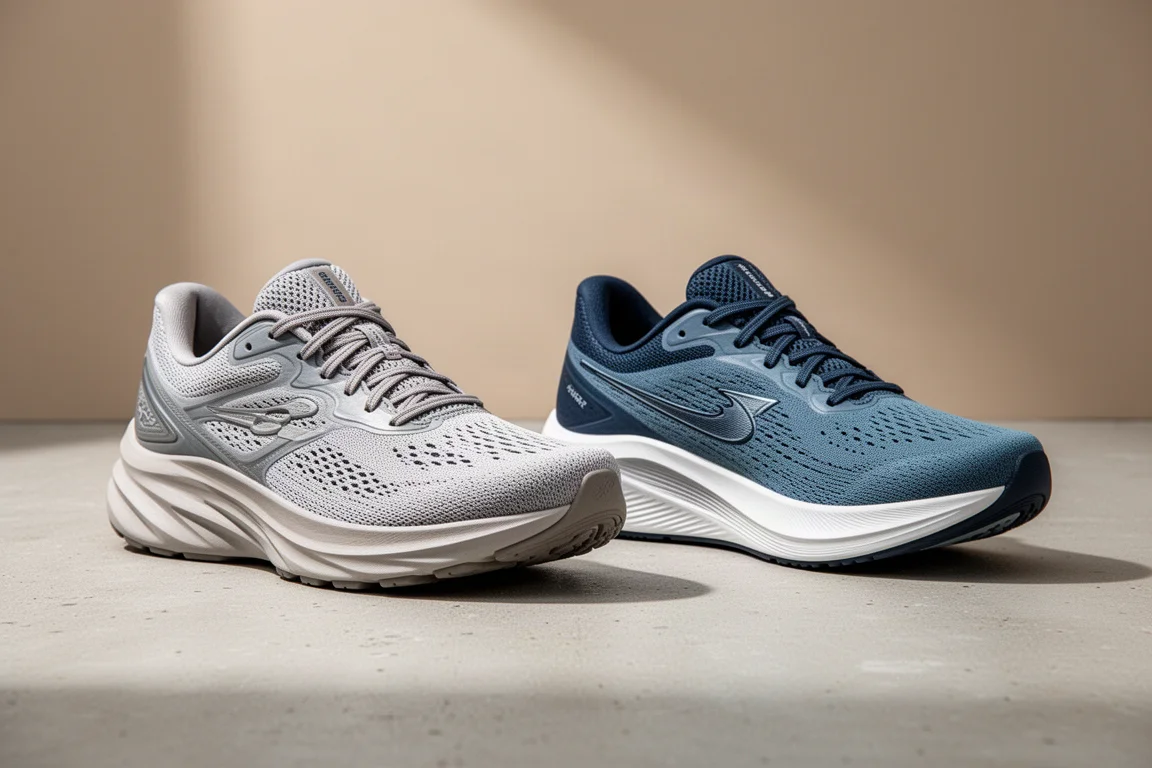
The Adidas Adizero Evo SL and the ASICS Novablast 5 are two of the most recommendable daily trainers currently available, but they are not trying to do the same job. Both live around the same price point, and both are genuinely good shoes, which makes the choice between them less about quality and more about what kind of runner you are.
The Novablast 5 is a more cushioned, comfort-first daily trainer. The Evo SL leans towards speed, using race-derived foam in a lightweight, unplated package. If you want a safe, comfortable everyday shoe, one of these is probably the better pick. If you want a lightweight all-rounder with real top-end capability, it is the other one.
At a Glance: Specs and Pricing
The Evo SL costs £130 or $150, while the Novablast 5 sits at £135 or $140. In other words, you are choosing between two similarly priced shoes with very different personalities.
The Adidas is the lighter shoe of the pair at 224g (7.9 oz), compared with 274g (9.7 oz) for the Novablast. The Evo SL has a 6mm drop with a 39mm heel stack and 33mm at the forefoot. The Novablast is the higher-stack shoe with an 8mm drop, measuring 41.5mm at the heel and 33.5mm at the forefoot.
Design and Construction
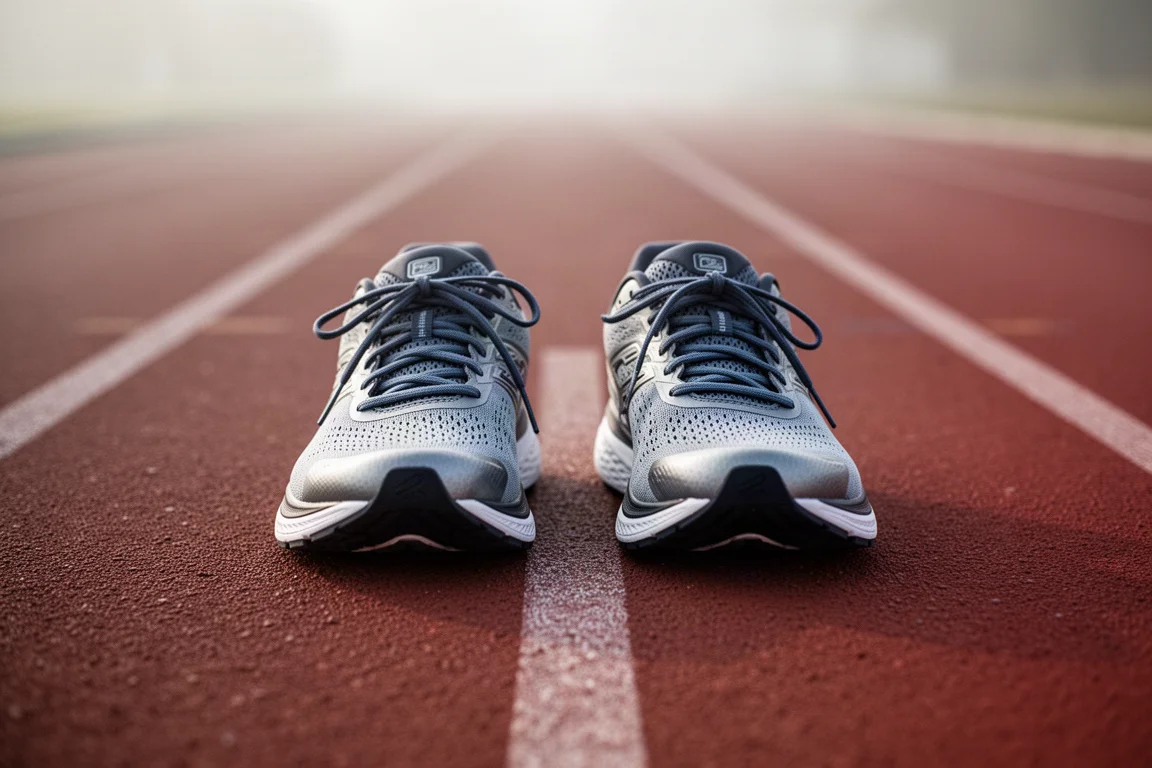
The Novablast 5 features a jacquard mesh upper with generous cushioning around the collar, a fairly thin and lightweight tongue, and a substantial internal heel counter for structure at the rear. Its FF Blast Max midsole is soft and comfortable yet retains a little responsiveness, and the shoe rolls with a slight rocker profile. A low rubber outsole finishes things off underneath.
The Evo SL uses a more minimal mesh upper, though it still has some padding around the back of the shoe plus an internal heel counter. The headline feature is the full-length Lightstrike Pro midsole, the same super foam used in the Adizero Adios Pro 3 racing shoe, which makes it very responsive and springy. A small nylon shank around the midfoot adds structure, and the forefoot rocker is noticeably sharper than the Novablast’s. Underfoot there are two types of rubber: Continental rubber on the forefoot and Adidas’s clear rubber in two strips at the back.
Fit and Sizing
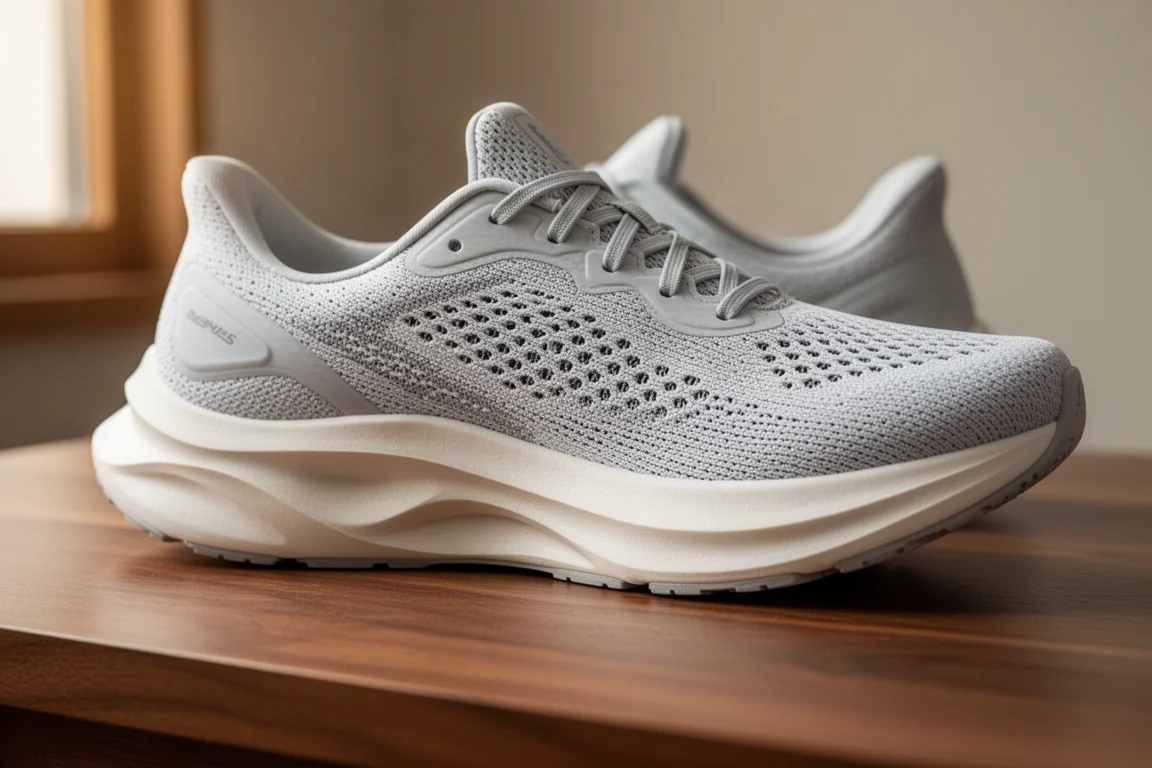
The Novablast 5 is the easy fit of the two. Testers found it comfortable at their usual UK size 8, nicely padded, with a fit consistent across the ASICS range. If you know your ASICS size, stick to it.
The Evo SL is trickier. In UK sizing, some testers found the size 8 pressed their toes towards the front under load and moved up to a half size larger, where it became very comfortable and roomy in the forefoot, which is not always a given with Adidas racing-leaning shoes. Adidas sizing tends to run tight for UK buyers, though the shoe seems to fit true to size in US sizing. If you are buying it primarily as an all-round daily trainer rather than a speed shoe, going half a size up is worth considering, especially if you are big for your size.
On the Road: How They Run
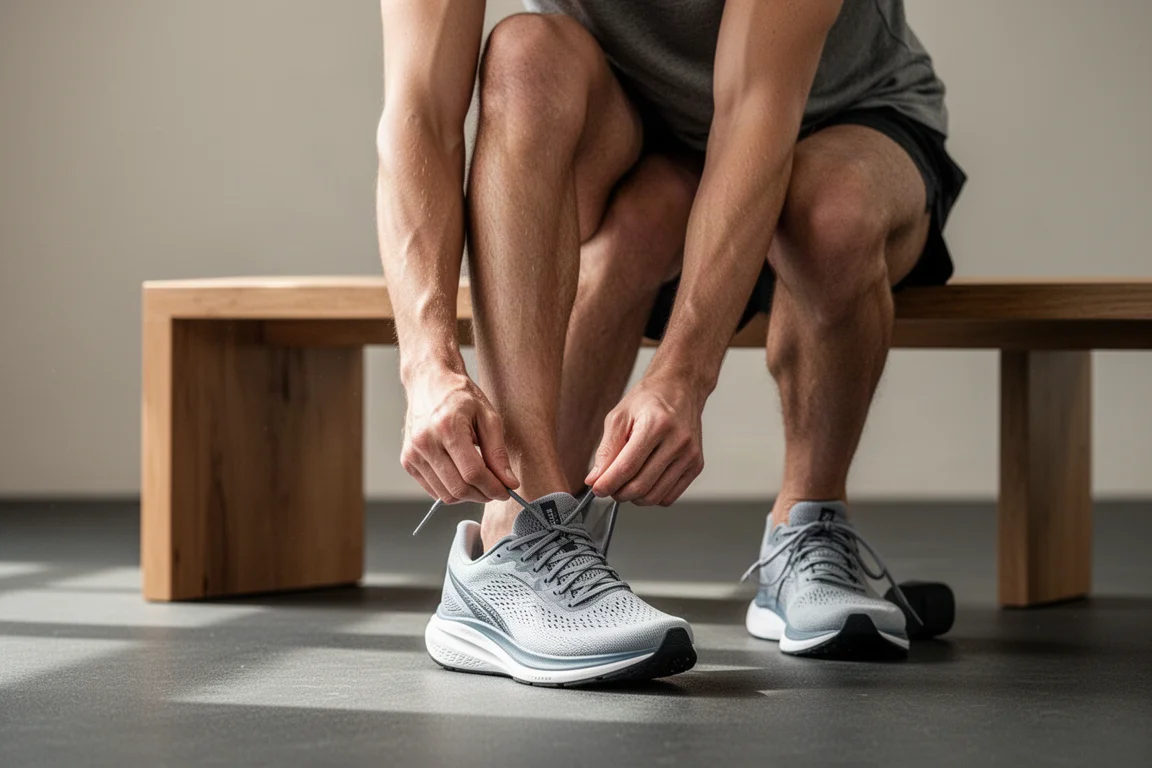
On the run, the Novablast 5 may well be the best version of that line yet. It is a good all-round shoe that skews towards daily comfortable running: the midsole gives you a nice bit of softness with some energy back, and it holds up well over longer distances. It shines for easy runs, recovery runs, and long runs, but it is not the shoe we would pick for interval sessions or marathon training.
The Evo SL can do far more. It is comfortable enough for easy runs, but it clearly skews towards faster sessions. The Lightstrike Pro midsole has a lot more energy in it, and the shoe genuinely seems to prompt you to run faster and hold an efficient, consistent pace. It even has enough performance that some testers use it for hard track sessions usually reserved for plated trainers, at a much lower price. It may even work as a stand-in racing shoe.
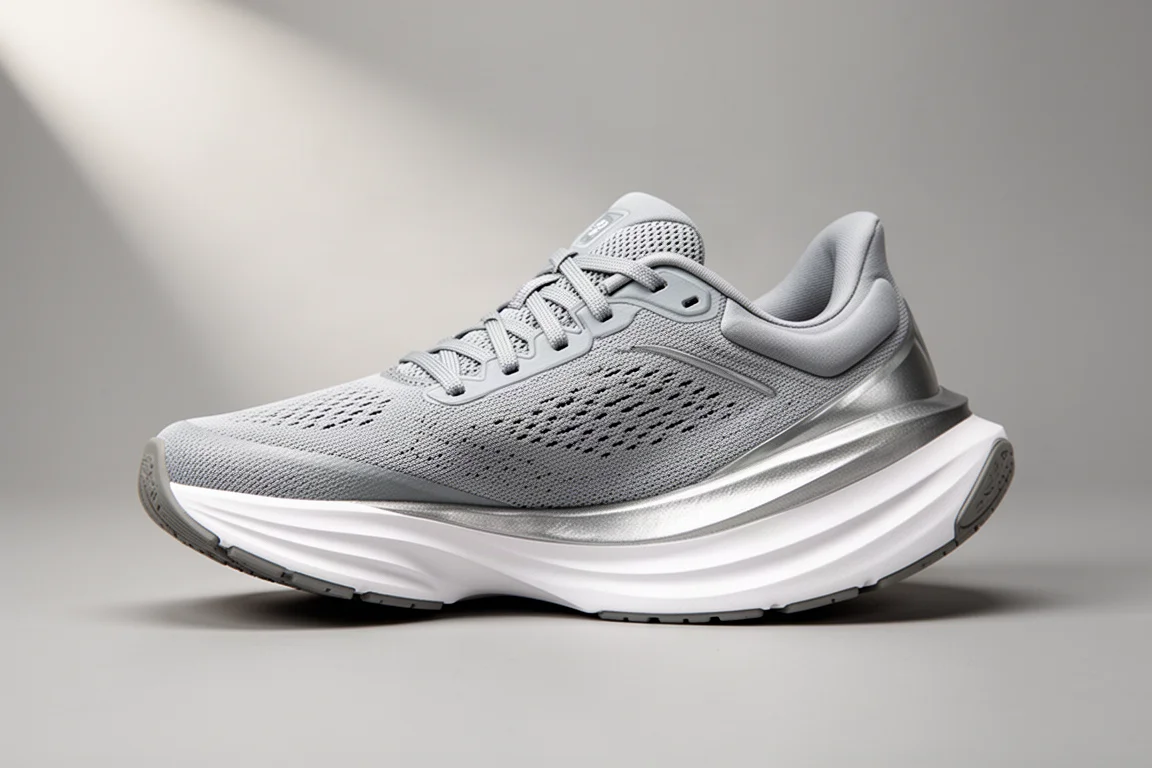
There is a trade-off. The Evo SL has a cutout on the medial side, a soft heel at easy paces, and that sharp forefoot rocker, which together create a mild stability concern for runners who need support. The Novablast, by contrast, has a wide, stable base despite its high stack, making it the easier and safer recommendation, particularly for newer or heavier runners.
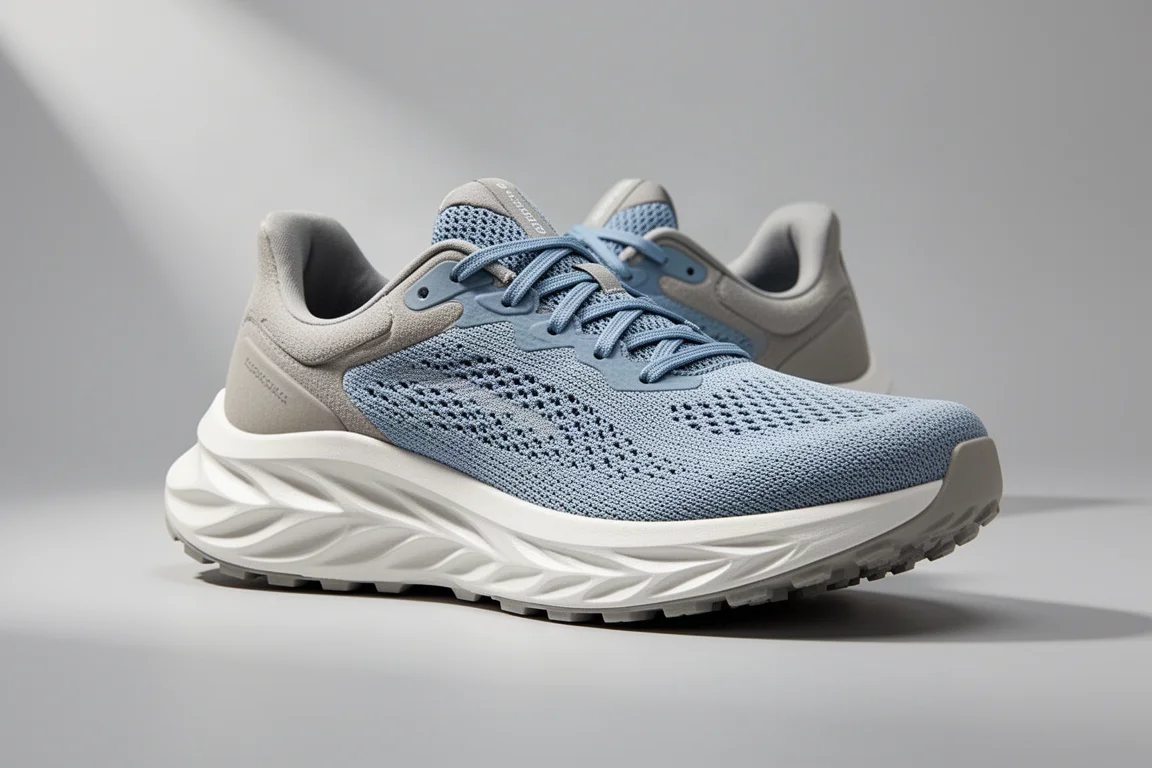
The two shoes can also complement each other. Paired as a rotation, the Novablast covers easy and long days while the Evo SL handles speed and everything in between. For a 60 to 90 minute easy run, the Novablast is the no-brainer pick. For progression runs where you start relaxed and gradually pick up the pace, the Evo SL is more fun, lightweight, and nimble.
Which One Should You Buy?
If you are buying just one shoe, the Novablast 5 is probably the best option for most runners. It is stable, the midsole feels sturdier, and there is more rubber on the outsole, which points to better long-term durability. It is the shoe to recommend without thinking twice to a runner who wants one solid daily trainer that ticks many boxes.
The Evo SL is the more exciting pick for runners who know their preferences. It punches far above its price point, delivering genuinely high-level technology and performance in a fun, fast, comfortable package. If you like lightweight all-rounder shoes and are not worried about stability, it can even serve as a do-it-all daily trainer, and it makes an excellent rotation partner alongside a shoe like the Novablast.

Conclusion
Both shoes essentially do the same job for different runners. The Novablast 5 is the safe, comfortable, versatile daily trainer for most people. The Adizero Evo SL is the standout performance pick for runners who want race-derived speed in an unplated daily shoe at a reasonable price. Choose based on how you run, and you will be happy with either.
Further reading
Related Reviews

Running Shoes
Best Road-to-Trail Running Shoes: Three Versatile Options for Mixed Terrain
A practical guide to three road-to-trail running shoes that handle both pavement and mild trails, with clear strengths and trade-offs for different runner types.

Running Shoes
Best Running Shoes for Achilles Tendonitis: Three Options Explained
Three running shoes with different heel drops and support features designed to help reduce Achilles tendon pain during walking and running.

Running Shoes
Best Running Shoes for Women: Five Top Choices Ranked
A ranked guide to five women's running shoes, from versatile daily trainers to high-performance racing options, with real strengths and trade-offs for each.