Running Shoes
Adidas Adizero Evo SL vs Asics Mega Blast: Two of the Best Training Shoes This Year
A versatile speed shoe on a budget versus a premium all-rounder: how the Adizero Evo SL and Mega Blast compare on ride, fit, and value.
Introduction
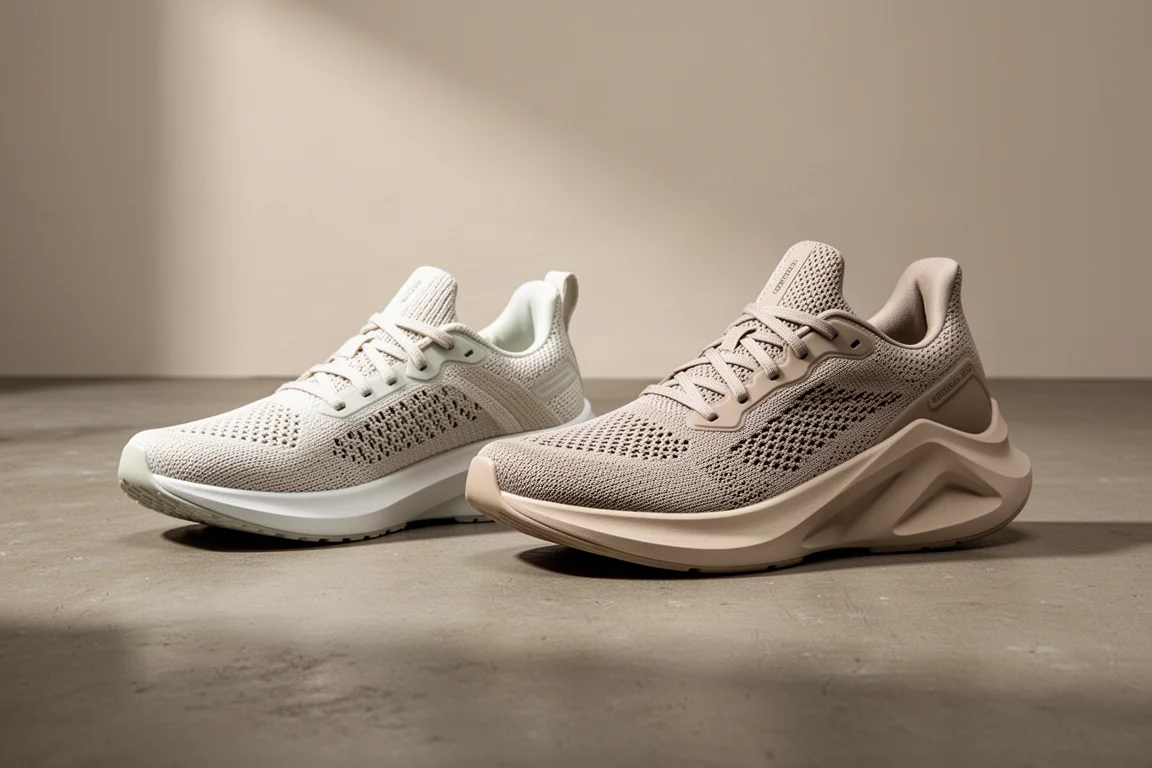
The Adidas Adizero Evo SL and Asics Mega Blast are two of the strongest training shoes to arrive this year, and in many ways they target the same runner. Both are versatile daily trainers that can handle easy runs, tempo sessions, intervals, and long runs. They also happen to be two of the most enjoyable shoes around right now, which makes the comparison genuinely interesting rather than academic.
The big dividing line is price. The Evo SL lands at £130 or $150, while the Mega Blast is a premium option at £210 or $225. There are real performance differences too: weight, stack height, stability, and the character of the ride all diverge. This comparison walks through both shoes so you can decide which one fits your running and your budget.
Adidas Adizero Evo SL: Light, Fast, and Lean
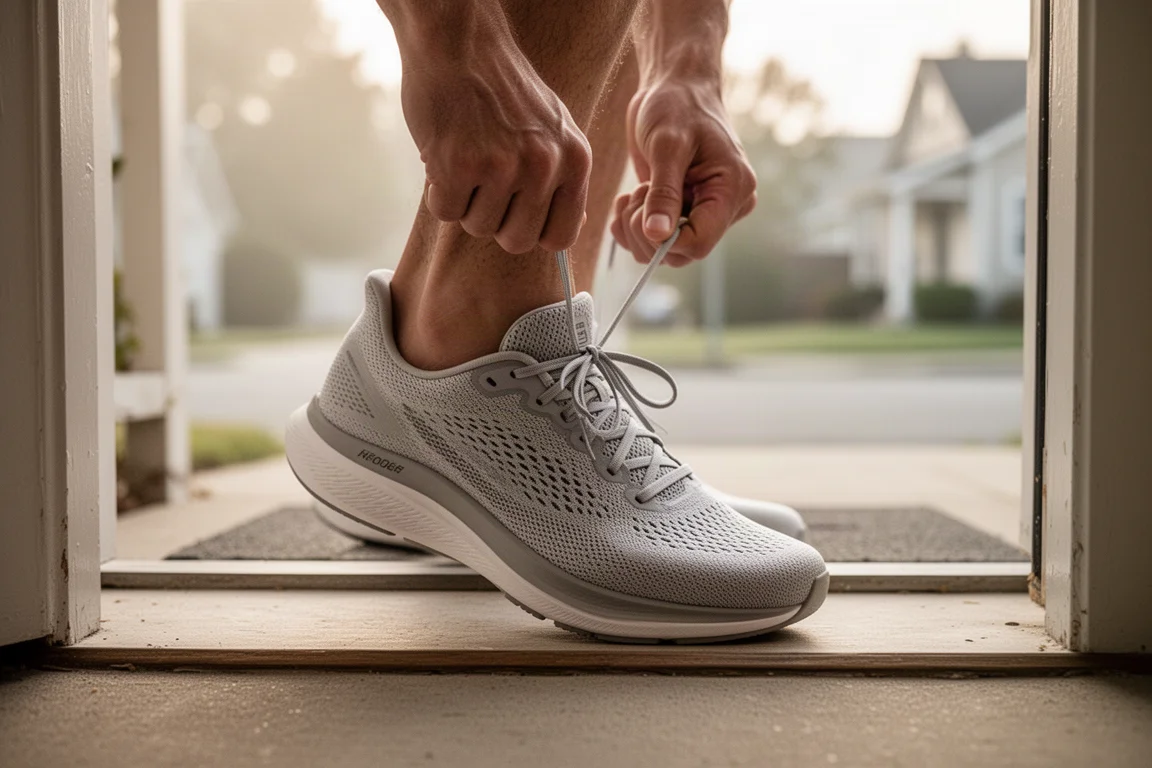
The Evo SL is the lighter of the two shoes, weighing 224g or 7.9oz in a UK 9 (US 9.5). It uses a minimal mesh upper designed to be as lightweight as possible, with just a little padding around the heel and an internal heel counter. The midsole is built on Lightstrike Pro foam, the springy and responsive compound Adidas also uses in some of its racing shoes. There is a nylon shank in the midfoot rather than a full plate, and the shoe is still fairly stiff as a result.
On the outsole you get Continental rubber on the forefoot and clear rubber at the heel, which is more extensive coverage than the Mega Blast offers. A small cutout on the medial side saves weight but does reduce stability slightly at that point.
On the run, the Evo SL is the faster-feeling shoe of the pair. It is smoother off the heel and purposeful off the forefoot, with a sharp rocker that produces a fast forward transition. The Lightstrike Pro midsole gives a lively, trampoline-like bounce that makes runs feel easier than they are. It is the better choice for track workouts, aggressive tempo runs, and even racing a 5K.
The trade-offs are less cushioning and less stability. The narrow base, soft foam, and medial cutout allow a little inward rolling, which is worth considering if you plan long relaxed runs in it.
Asics Mega Blast: Cushioned, Stable, and Versatile
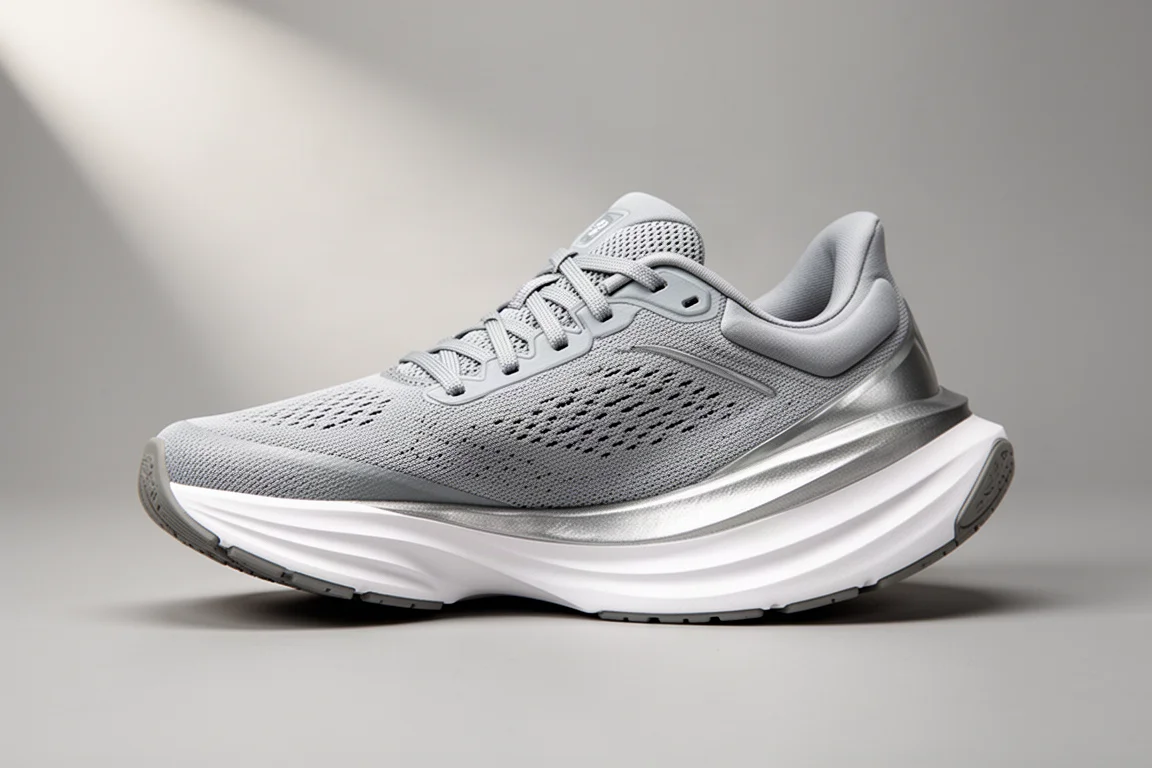
The Mega Blast weighs 241g or 8.5oz in a UK 9 (US 10), making it the heavier and slightly larger shoe of the two. It has an 8mm drop with a huge stack height of 46mm at the heel and 38mm at the forefoot. The engineered mesh upper is lightweight with a touch more padding around the heel than the Adidas.
The midsole uses Asics’ FF Turbo Squared foam, the most resilient and energetic foam in their range, stacked tall with no plate at all but still delivering a fairly stiff ride. Foam sidewalls cradle the foot at the heel, and the Asics Grip outsole covers the key impact zones. The exposed foam is reasonably firm and held up well in testing without significant damage.
Where the Mega Blast shines is stability and cruising. The wide base and resilient foam make it an easy shoe to relax into at easy paces, with no wobble despite the soft energy return. It bounces back dramatically and protects the legs well over long efforts. At faster paces it holds up impressively too: on a long, low-intensity tempo run it keeps returning energy and feels light enough to turn over comfortably, even if it lacks the rapid turnover of the Evo SL for short reps.
Compared with the Super Blast 2, it feels a bit lighter and more energetic, adding versatility for faster sessions that the Super Blast 2 never really delivered.
Fit and Sizing
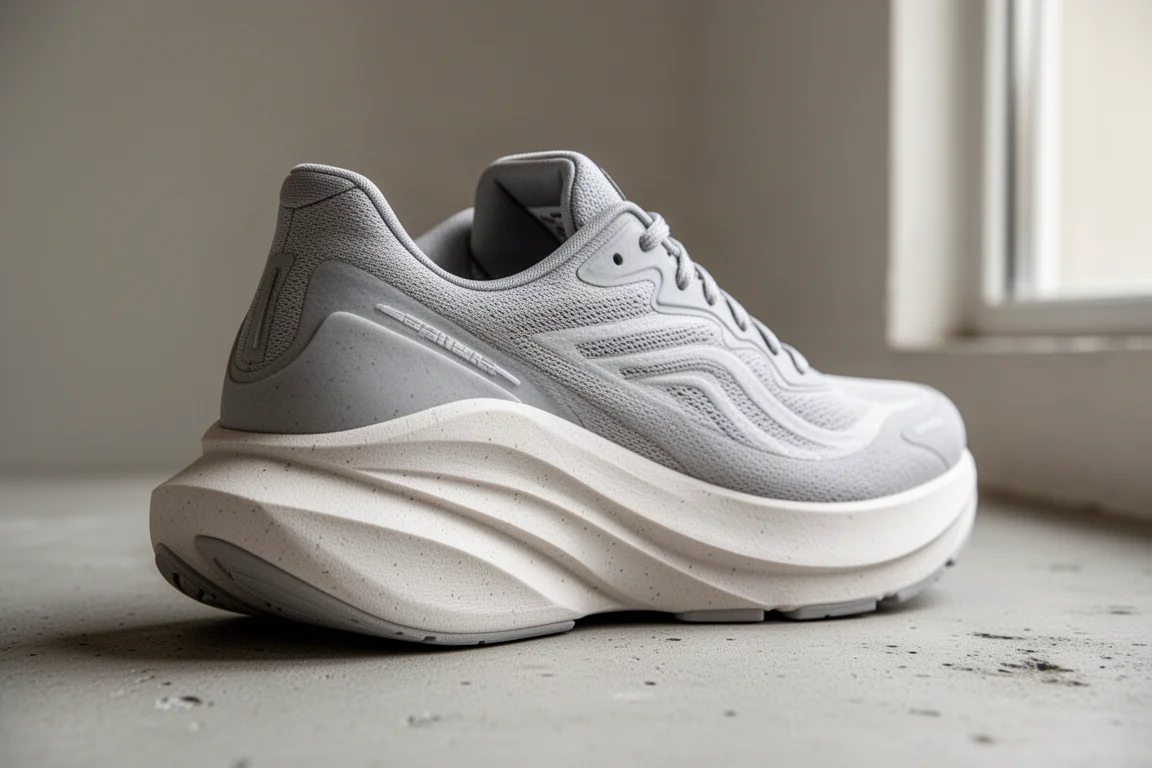
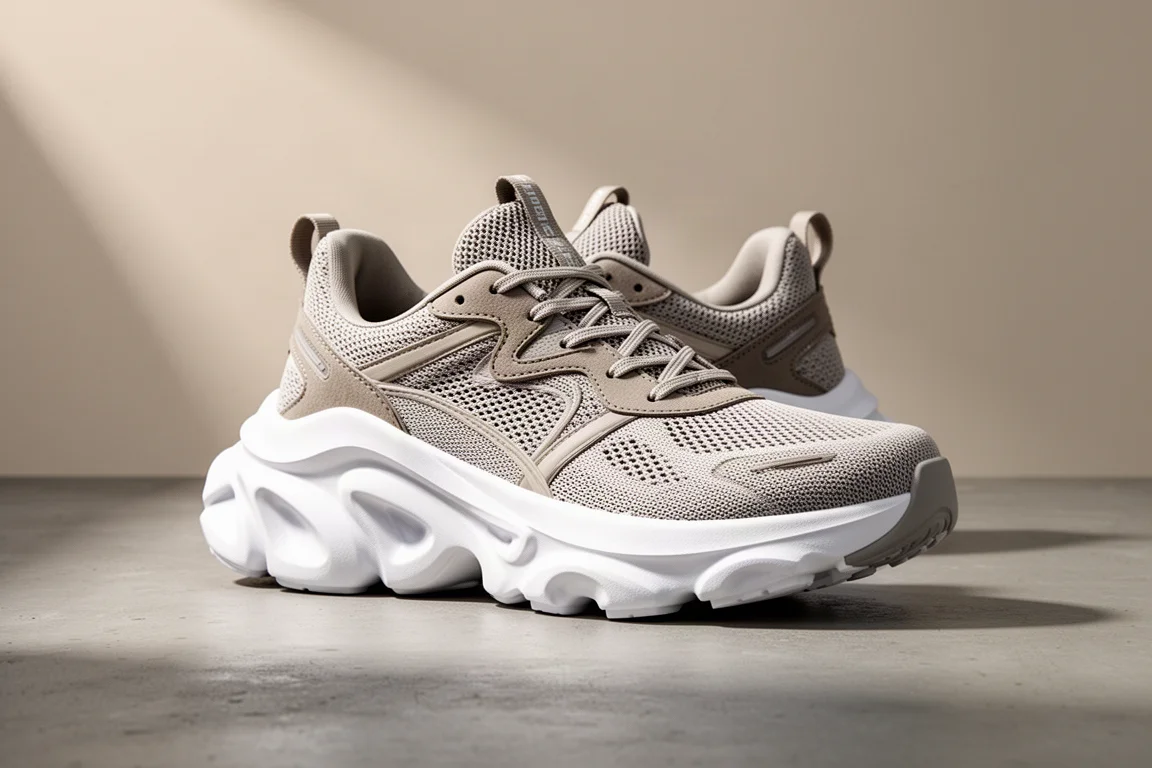
Both shoes run true to size but convert differently between regions, so it is worth checking a non-UK size chart before buying. The Mega Blast is a US 10 in a UK 9, while the Evo SL is a US 9.5.
The Mega Blast offers plenty of room in the forefoot, slightly more than expected, with a comfortable midfoot and good heel padding. It balances performance intent with a cushioned-shoe level of comfort, which adds to its versatility.
The Evo SL fits snugly, and going up half a size is the safer bet. The standard size can feel tight at the toes, and the half size up resolves it comfortably. Some wearers have reported the upper and tongue moving around, though this has not been a universal experience, particularly for narrower feet.
Head-to-Head on the Run
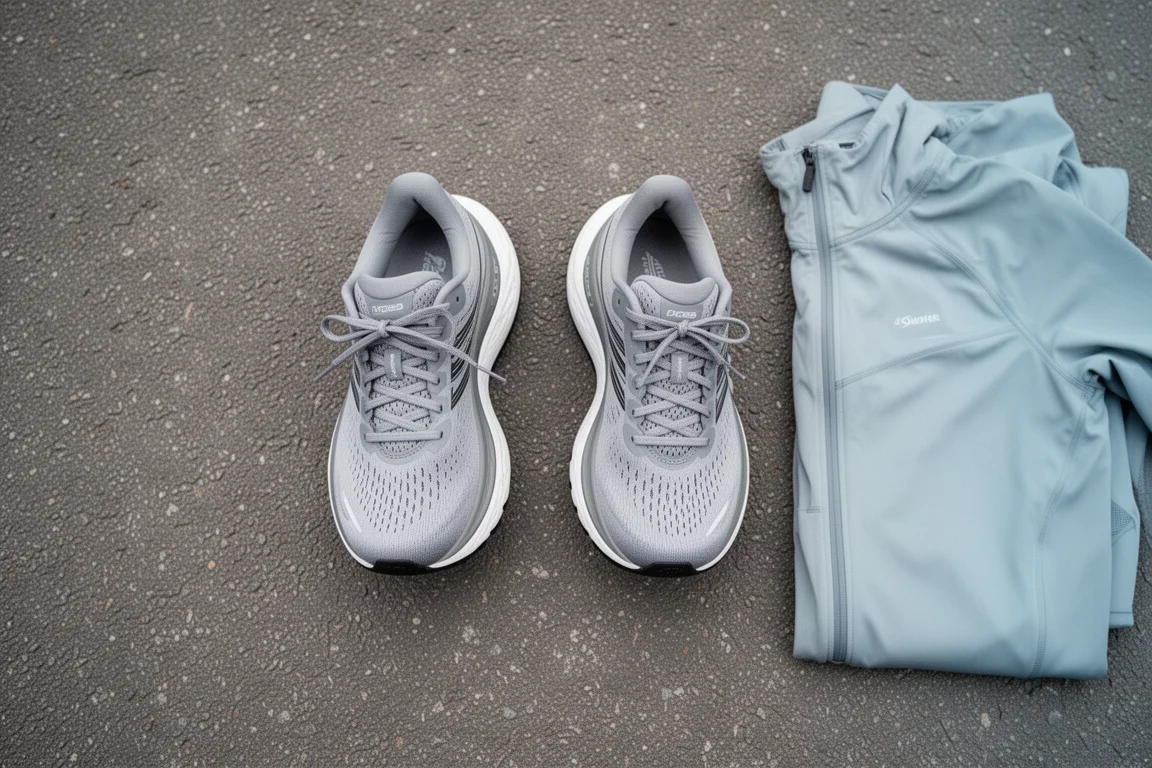
In day-to-day use, both shoes cover almost the same ground: easy runs, recovery runs, progression runs, intervals, fartleks, tempo sessions, and long runs. The sweet spot for both is quality training sessions where you want speed, and both excel there.
The differences come down to character. The Evo SL has softer midsole foam that compresses and springs back, creating a fun, energetic ride that makes paces feel easier. The Mega Blast offers a more balanced, responsive bounce with a smoother heel-to-toe transition, and it is the better cruiser, particularly over long distances at moderate paces.
Both have proven durable too. The Mega Blast shows nothing damaging its outsole or losing midsole bounce, which fits Asics’ track record with shoes like the Super Blast. The Evo SL, despite its lower stack and thinner-looking rubber, has also shown no damage, and that durability is especially valuable at its lower price.
Which Shoe Should You Buy?
Ignore price for a moment and the Mega Blast is arguably the slightly better all-rounder. It is more stable and better cushioned for easy running, which matters since most weekly mileage happens at easy paces, and it has more to offer for marathon training with fast long runs or long tempo sessions. It is the better single shoe to do everything.
The Evo SL is the leaner, faster shoe, better suited to intervals, reps, and shorter racing, and it delivers a more fun and lively ride for many runners.
But price changes the picture significantly. The gap between a £130 shoe and a £210 shoe is huge, and the performance gap simply is not that large. Pound for pound, the Evo SL is the far superior value, and it has become a firm favourite among runners for exactly that reason. If you are building a rotation, the Adidas is the clear pick for speed days, and you could add a solid cushioned shoe for easy and long runs in the sales for under £100 and still spend less than one Mega Blast.

If budget is no concern and you want one shoe for everything, the Mega Blast earns its place. For most runners in most real-world scenarios, though, the Evo SL is the better buy.
Conclusion
These are both excellent shoes that reward a wide range of training. The Mega Blast is the more stable, cushioned all-rounder with premium polish, while the Evo SL is the lighter, faster, and far cheaper option that delivers most of the performance for a fraction of the price. For many runners, the money saved on the Adidas outweighs the Mega Blast’s extra support. And if you can justify both, they make a superb two-shoe rotation covering everything from easy miles to hard sessions.
Further reading
Related Reviews

Running Shoes
Best Road-to-Trail Running Shoes: Three Versatile Options for Mixed Terrain
A practical guide to three road-to-trail running shoes that handle both pavement and mild trails, with clear strengths and trade-offs for different runner types.

Running Shoes
Best Running Shoes for Achilles Tendonitis: Three Options Explained
Three running shoes with different heel drops and support features designed to help reduce Achilles tendon pain during walking and running.

Running Shoes
Best Running Shoes for Women: Five Top Choices Ranked
A ranked guide to five women's running shoes, from versatile daily trainers to high-performance racing options, with real strengths and trade-offs for each.