Running Shoes
Adidas Adizero Evo SL ATR Review: A Weatherized Daily Trainer, Not a Trail Shoe
A closer look at the all-terrain-flavored Evo SL: same midsole, tougher upper, and an outsole with clear limits on wet ground.
Introduction
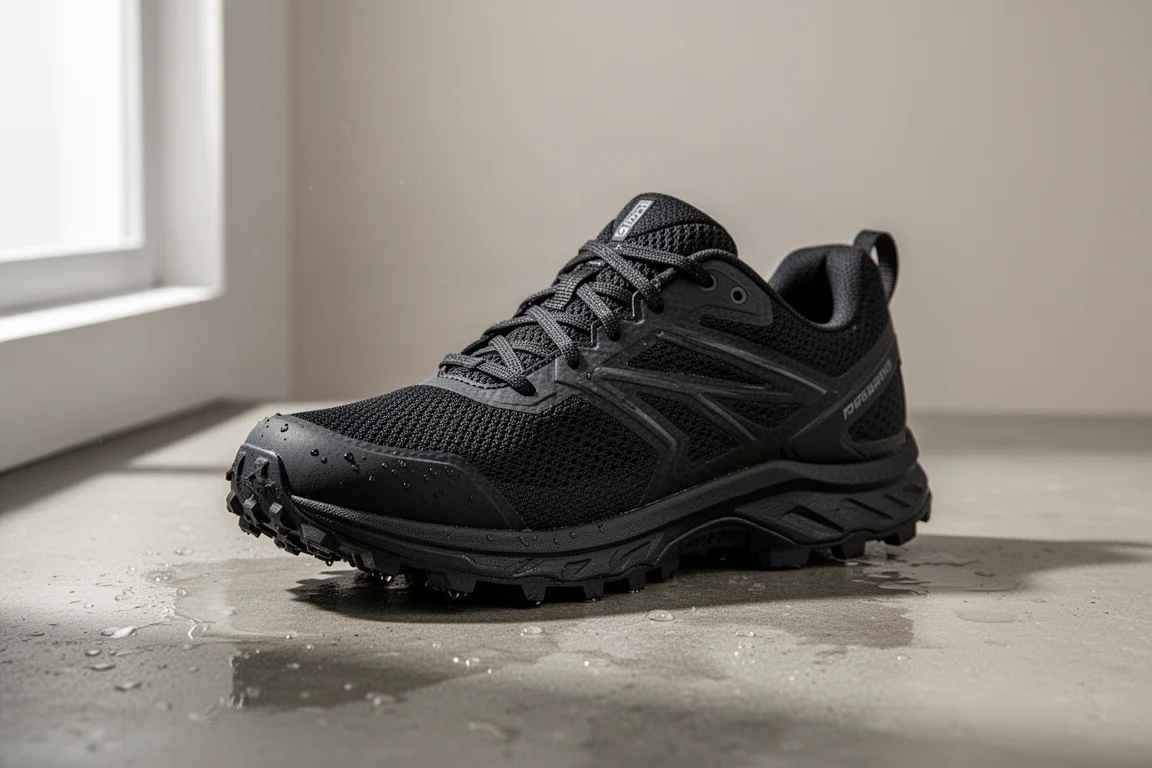
The Adidas Adizero Evo SL ATR positions itself as an all-terrain take on the popular Evo SL, built for winter conditions when the going gets slightly tougher. In practice, it feels more like a weatherized Evo SL than a true trail shoe, and that distinction shapes almost everything about how it performs.
Who this product is for
This shoe makes the most sense for runners who love the Evo SL midsole and want a tougher, winter-ready version for wet pavements, concrete, and gravel paths. If your running mostly stays on roads and non-technical routes, the added protection and quick-drying mesh are genuinely useful through the colder months. If you expect a proper trail shoe, though, this is not it. The shallow lugs and compressive midsole make anything muddy or slippery risky, and a dedicated trail shoe will outperform it comfortably in most of those cases.
Main strengths
The midsole is the same unit as the standard Evo SL, and it shows. The ride is compressive, arguably a touch softer, and it retains that same responsive feel. The shoe can move quickly on consistent surfaces, though the extra weight is noticeable on foot and it does not feel quite as nimble as the standard version.

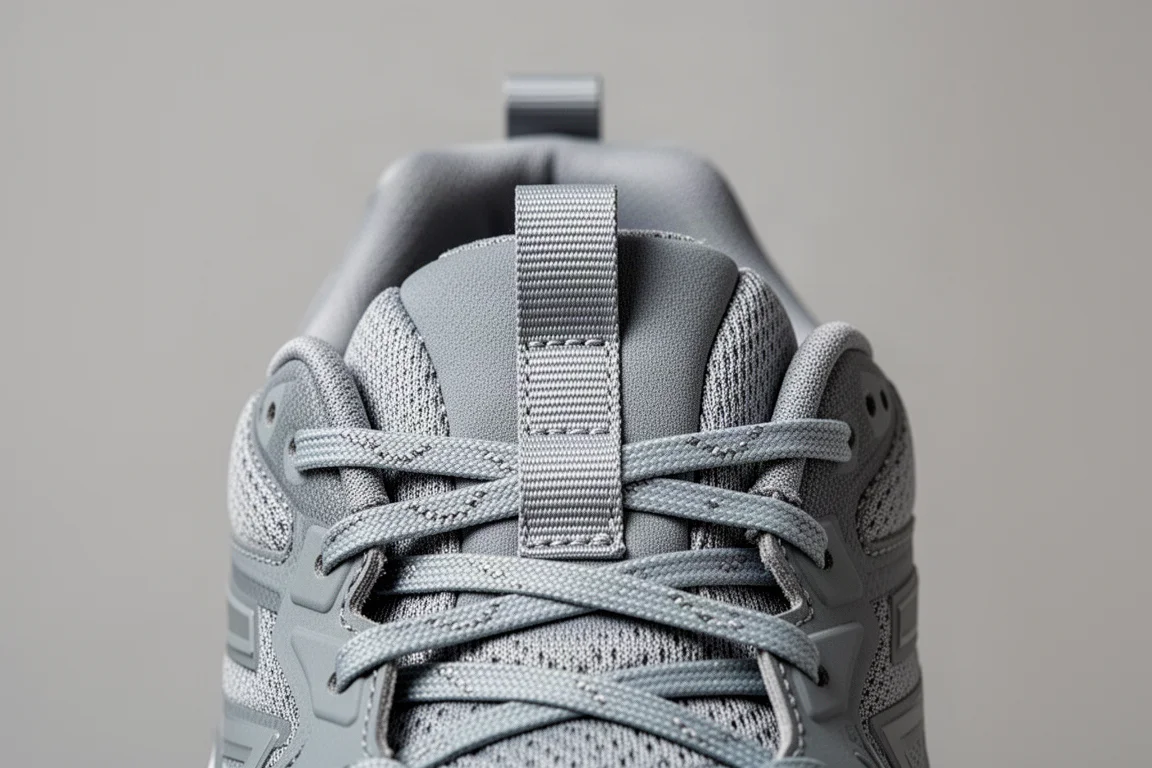
The upper is where the ATR differs most. There is proper gusseting on either side of the tongue, which completely solves the tongue slide that troubled the standard version. The serrated laces are a welcome addition too, cinching up easily and locking the foot in consistently. Around the toe box there is more structure, a water-repellent section wrapping the front, and a rubbery protective piece to shield toes from roots and debris. The mesh also dries reasonably quickly once you are back home, and aesthetically it is a great-looking shoe.
Things to consider before buying
The extra upper material is not flawless. It can bunch slightly near the toe box and sit awkwardly on the foot until you take time to flatten it out and use the tongue pull tab properly. Once settled, it is comfortable, but as a leisure shoe it is not as comfortable as the standard Evo SL. There is also a rear pull tab that feels unnecessary, and some bunching was noticed around the front eyelets, though extra eyelets at the end of the lacing chain do allow a runner’s knot.
Weight comes in at 299 g for a UK 11 or US 11.5, roughly 40 g heavier than the standard Evo SL, mostly down to the thicker materials. The heel remains inherently unstable, with that familiar lateral curve on the heel edge, so if the standard version gave you problems, this one likely will too. Over time the foam flattens slightly, so expect a marginally wider, slightly lower shoe after break-in.
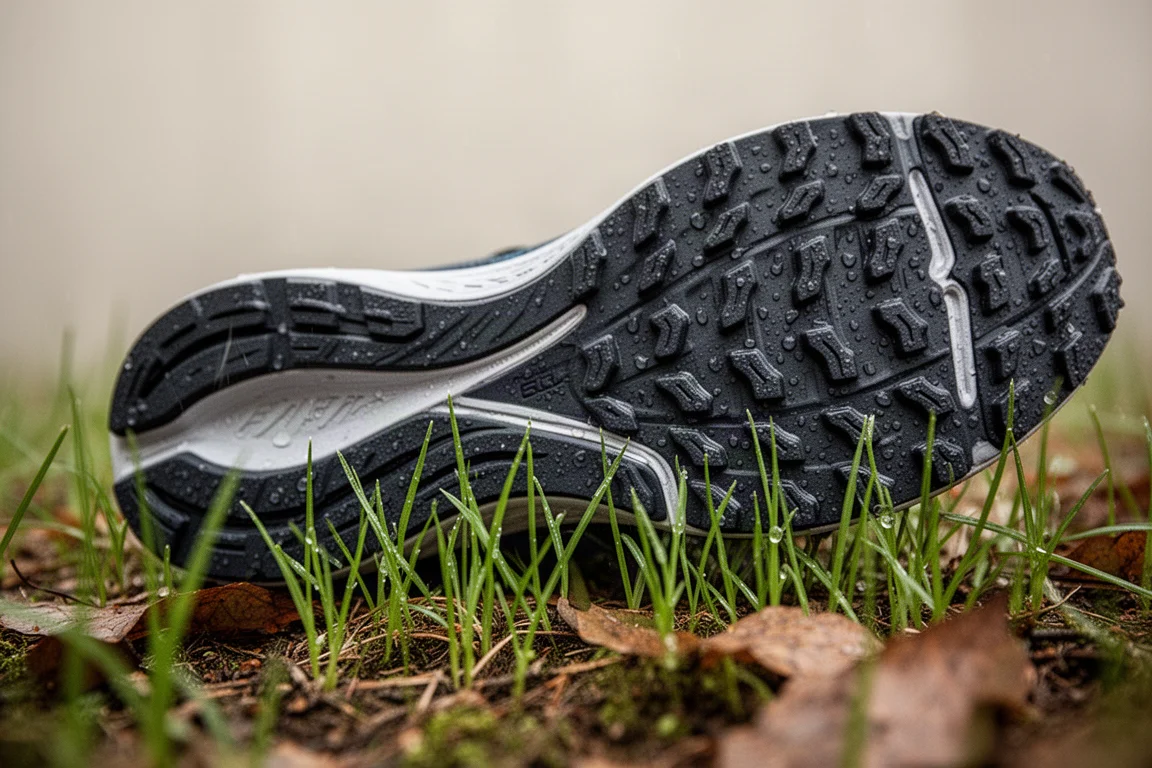
The outsole is the biggest caveat. The lugs measure only about 2 mm at their tallest, and on wet or muddy ground they compress into the midsole and effectively vanish. On mud this shoe was described bluntly as lethal, to the point of nearly cutting a run short. Gravel and dry park paths are fine, wet pavement and concrete are genuinely good, but slippery leaves and mud patches demand real caution.
Buying advice
At around £126, the pricing sits roughly in line with the standard Evo SL, which feels fair given the added protection and winterized construction. It is a strong pick for wet-weather road running and light gravel use through winter.
If you are buying only one pair, though, the standard Evo SL remains the better recommendation for most runners. It is a little lighter, more nimble, and covers the daily-driver role better. If you do pick up the ATR, keep it away from serious trails, especially after rain, and be honest with yourself about what ATR actually stands for here.
Conclusion
The Adizero Evo SL ATR is best understood as another flavor of the Evo SL rather than a new category of shoe. For runners on wet pavement, concrete, and gravel through the winter months, it delivers comfortable protection and the same beloved midsole. For anything muddy, the grip simply is not there, and the standard version still edges it for most other situations.
Product link
View more details for Adidas Adizero Evo SL ATR
This product is mentioned in the review. Check the specifications, options, and compatibility before buying.
View more details for Adidas Adizero Evo SL ATRFurther reading
Related Reviews

Running Shoes
Best Road-to-Trail Running Shoes: Three Versatile Options for Mixed Terrain
A practical guide to three road-to-trail running shoes that handle both pavement and mild trails, with clear strengths and trade-offs for different runner types.

Running Shoes
Best Running Shoes for Achilles Tendonitis: Three Options Explained
Three running shoes with different heel drops and support features designed to help reduce Achilles tendon pain during walking and running.

Running Shoes
Best Running Shoes for Women: Five Top Choices Ranked
A ranked guide to five women's running shoes, from versatile daily trainers to high-performance racing options, with real strengths and trade-offs for each.