Running Shoes
Adidas Adizero Evo SL ATR First Run Review: The Winter-Ready Evo SL
A first run in the Adidas Adizero Evo SL ATR, the winterized version of the much-loved Evo SL, with better grip, a tougher upper, and a slightly heavier build.
Introduction
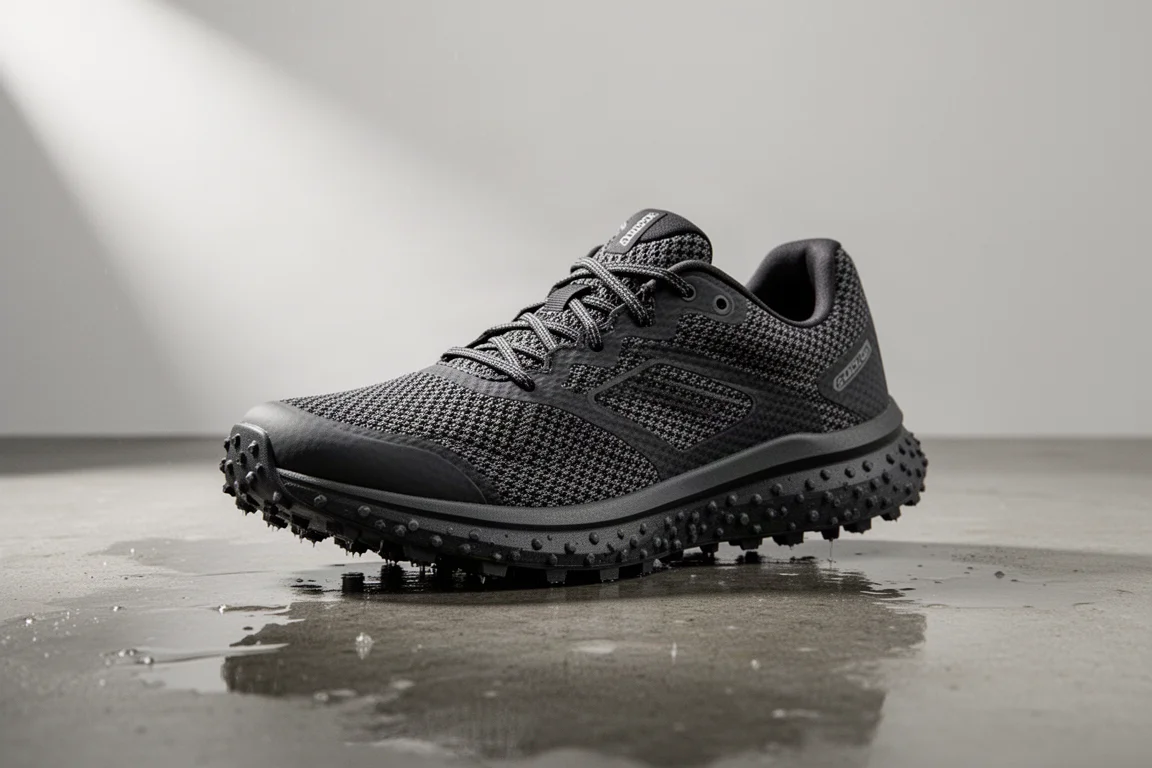
The Adidas Adizero Evo SL ATR is the new winter-ready version of the Adidas Evo SL, a shoe that has earned a reputation as an outstanding value, versatile all-rounder. The ATR takes that proven formula and adds slightly more winter-appropriate features: an adjusted upper, better grip, and extra protection. We have been out for a first run to see how those changes translate on wet, sloppy roads and light trails.
Who This Product Is For
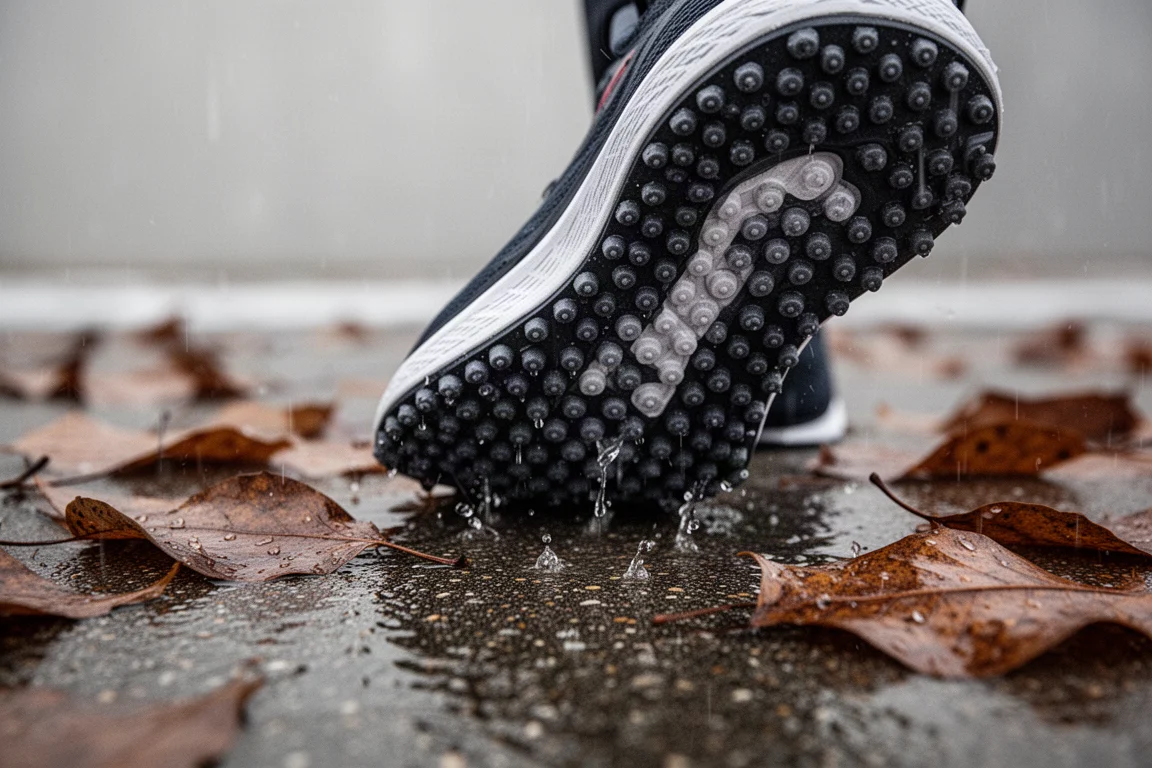
This is primarily a winter road running shoe. The 1.5mm lugs on the Continental rubber outsole are really little nubs rather than proper lugs, so this is not a true trail shoe. It suits runners who want one shoe to handle wet pavements, leafy sidewalks, canal towpaths, and the occasional stretch of light trail through the colder months, without giving up the bounce of a premium daily trainer.
Specs and Design
The ATR costs £140 or $160, which is £10 or $10 more than the standard Evo SL. It is also a fair bit heavier at 266g or 9.4 oz in a UK size 9 (US 9.5), roughly 40g heavier than the Evo SL. Stack and drop have not been confirmed by Adidas yet, but it looks similar to the Evo SL, which sits at 39mm at the heel and 33mm at the forefoot.
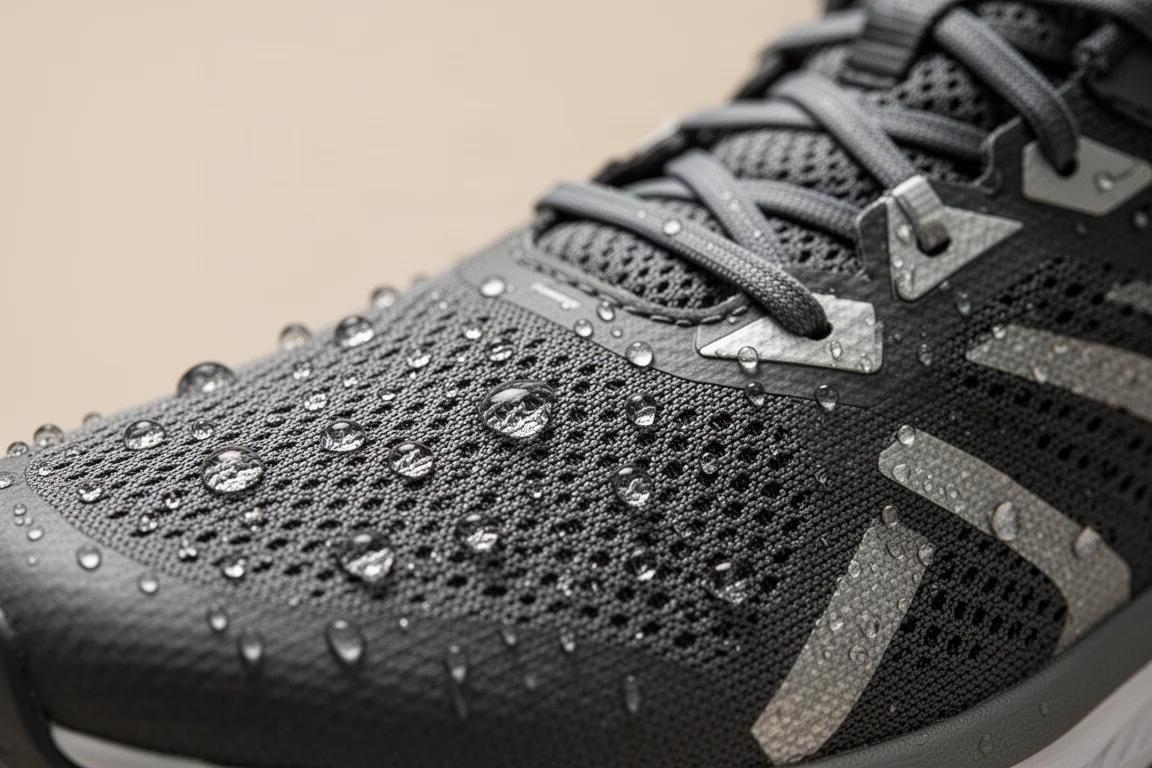
The design changes are focused on winter durability. You get a ripstop woven mesh upper, a fairly flexible protective bumper around the front of the shoe, a pull tab at the heel, and a water-repellent treatment. There are also more reflective details than the standard Evo SL for visibility on night runs, and the fit has been adjusted for a more secure hold around the heel.
The midsole carries over unchanged: one big slab of Lightstrike Pro foam, which is bouncy, lightweight, and really the key to the Evo SL’s success. There is no full-length plate, but as with the Evo SL there should be a small nylon shank around the midfoot that adds stiffness. Despite lacking a plate, it is still a fairly stiff shoe, which helps with transitions at pace.
Fit and Sizing
Fit testers had different experiences worth noting. One runner went half a size up to a UK 9 and found a spacious, roomy forefoot with a good thumb’s width of toe room, secure midfoot lockdown from sawtooth-style laces, a thin but well-proportioned tongue, and good heel hold with light-to-medium padding.
Another tester stayed at their normal UK 9 (US 9.5), the same size as the standard Evo SL, and found the ATR fits slightly bigger, which was a good thing. The standard Evo SL is fairly tight around the toes and some people size up, but the ATR already offers more room, so sticking to your normal running shoe size should work for most people. Just make sure you have enough toe room, because the toe bumper is less flexible than the one on the Evo SL and you do not want to be pressing into it.
First Run: Grip and Weather Protection
The first run covered about 10 miles in the rain on a mix of wet pavements, leaf-strewn sidewalks, muddy forest trails, and a gravel canal towpath with plenty of puddles. Grip was good throughout. It was strong on leafy pavement patches that would be skiddable in a normal road shoe, and it coped well splashing through puddles at pace on gravelly towpath sections.
The limits showed in deeper mud. Running hard over an especially muddy patch produced some skidding, since the shallow lugs simply cannot bite into thick mud the way a road-to-trail shoe with 3 to 3.5mm lugs can. Think of this as grip in line with the best road shoes rather than a true trail shoe.
The upper exceeded expectations too. The water-repellent treatment kept more water off than anticipated, and feet did not feel too wet or cold after a fully rainy run. This is not a Gore-Tex upper, but it does a decent job of keeping feet dryish. A bonus: the slicker material cleaned up remarkably well, with puddle splashes washing off the mud by the end of the run. The trade-off is that the upper will run a bit warmer than the standard Evo SL, though it is not built up enough to overheat badly.

Main Strengths
The ride remains genuinely fun thanks to the Lightstrike Pro midsole. The feel is slightly firmer than the Evo SL because of the thicker, longer outsole coverage, especially under the forefoot, and it is a bit slappier and less nimble. In exchange, it feels more relaxed and comfortable at easy paces and more daily-trainer-like overall, while still handling a steady 5K pickup surprisingly easily.
For a shoe with this much outsole, it is still pretty light, and the fuller outsole coverage may offer a slightly firmer, more stable platform for some runners. It is a strong generalist winter daily trainer with a lot of range.
Things to Consider Before Buying
On muddier, slicker trails, another tester found the grip was not enough for real control and wanted more lug depth. The heel package can feel a bit blocky, with some compression and slight wobble when landing far back on easy miles, and the outsole can be felt at times, making the ride slightly clunky compared with smoother, more energetic trail shoes. It also did not deliver a standout wow factor against established road-to-trail options.

The clearer picture is a shoe that copes really well on firm gravel, compacted trails, and road, ticking the road-to-trail crossover for runnable terrain. If your winter routes stay mostly on roads and light paths, that trade-off makes sense.
Buying Advice
If you already run in the Evo SL, the ATR makes a natural companion in a rotation: the ATR as your generalist winter daily trainer with its more rugged upper and outsole and cruisier easy-pace feel, and the standard Evo SL as your dedicated speed shoe or summer daily trainer. Buy it if wet pavement, fallen leaves, and light trail detours are part of your winter routine. Look elsewhere if you need genuine mud traction from a dedicated trail shoe.
Conclusion
The Adidas Adizero Evo SL ATR is a well-executed idea: keep the light, bouncy Lightstrike Pro ride that made the Evo SL special and add winter grip, a tougher water-repellent upper, and extra protection. It is not as nimble as the standard Evo SL and it is not a true trail shoe, but as a winter daily trainer that can handle light off-road work, it is a strong addition to the lineup and a very enjoyable first impression.
Product link
View more details for Adidas Adizero Evo SL ATR
This product is mentioned in the review. Check the specifications, options, and compatibility before buying.
View more details for Adidas Adizero Evo SL ATRFurther reading
Related Reviews

Running Shoes
Best Road-to-Trail Running Shoes: Three Versatile Options for Mixed Terrain
A practical guide to three road-to-trail running shoes that handle both pavement and mild trails, with clear strengths and trade-offs for different runner types.

Running Shoes
Best Running Shoes for Achilles Tendonitis: Three Options Explained
Three running shoes with different heel drops and support features designed to help reduce Achilles tendon pain during walking and running.

Running Shoes
Best Running Shoes for Women: Five Top Choices Ranked
A ranked guide to five women's running shoes, from versatile daily trainers to high-performance racing options, with real strengths and trade-offs for each.