Running Shoes
Adidas Adizero Boston 13 vs Evo SL: Two Different Answers to the Same Question
Adidas's new marathon training shoes sit $10 apart but take very different approaches. Here is how they differ on build, ride, and who each one suits.
Introduction
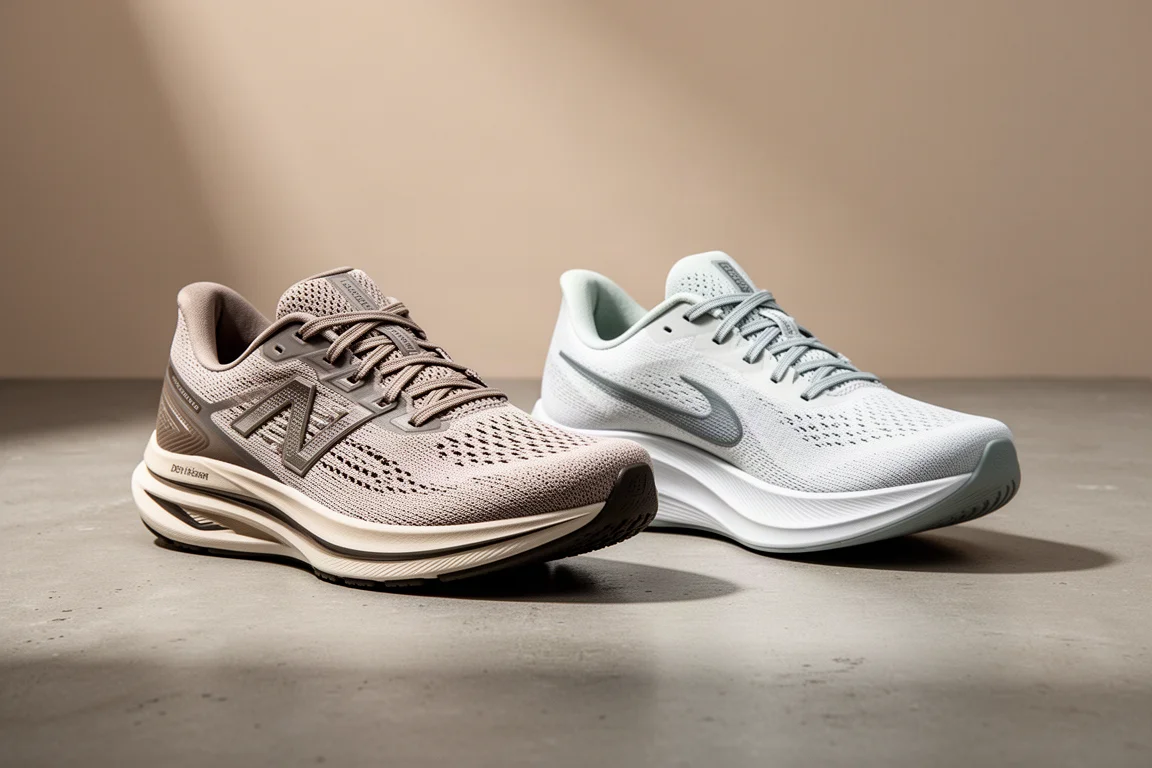
Adidas currently sells two shoes that occupy almost the same slot in the lineup: the Adizero Boston 13 and the Adizero Evo SL. One is the 13th generation of a long-running marathon trainer, the other is a first-generation release built around a full slab of race foam. They are $10 apart at retail, which makes the comparison genuinely difficult, because neither is simply the better shoe. They are different answers to the same question: I want a shoe that is fun and fast. Which one you should pick depends on what kind of running you actually do.
The Key Differences at a Glance
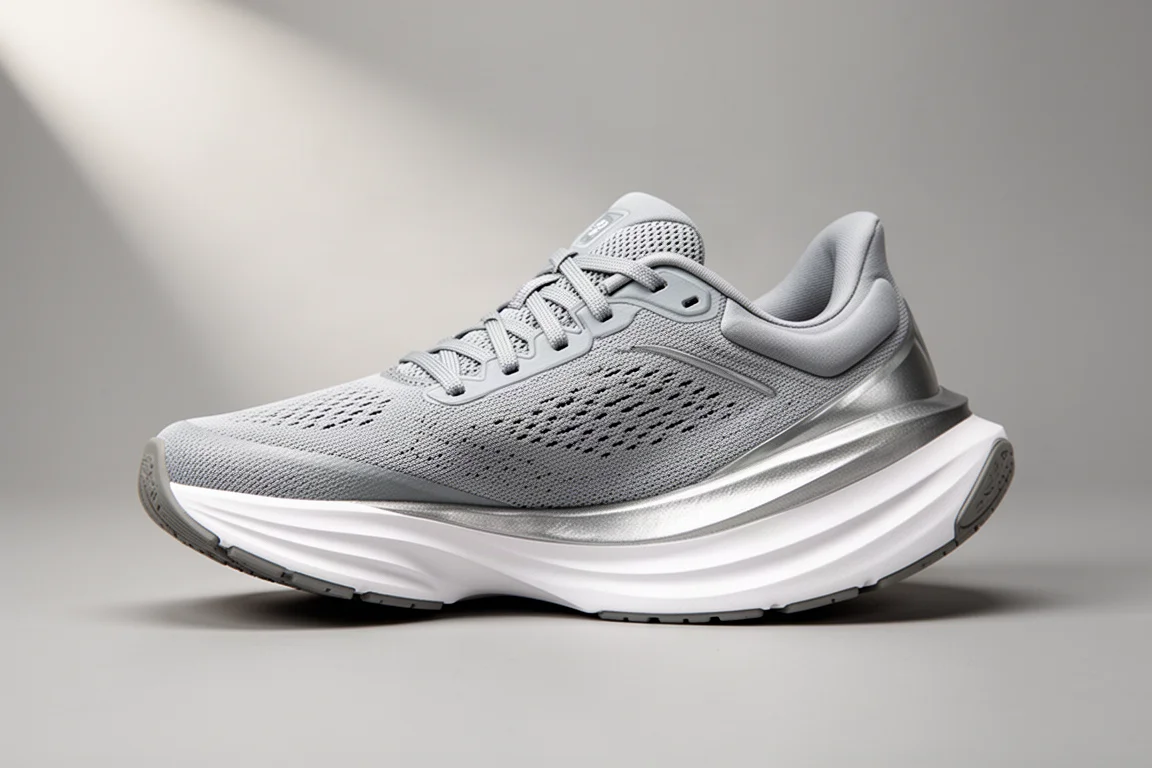
The Boston 13 is the traditionalist. It has a dual-foam midsole, a glass-fiber energy rod system, a more padded and better-constructed upper, and a lower, more grounded ride. It weighs around 275 grams in a tested size 10.5 and measures roughly 34 to 35mm in stack once compressed. The Evo SL is the modernist. It is lighter at roughly 237 to 245 grams, taller at around 37 to 38mm, uses 100 percent Lightstrike Pro race foam, and rides on a much more aggressive rocker geometry with no plate.
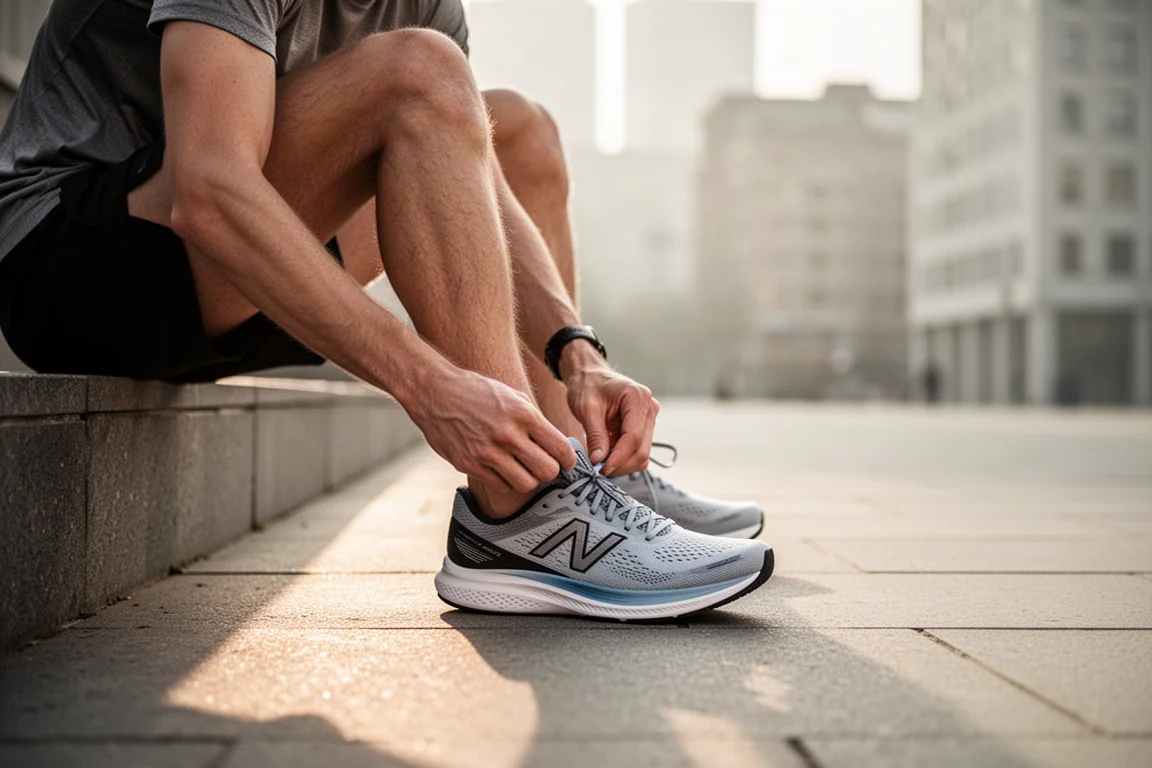
Both shoes fit true to size, though the Evo SL has shown notable size and build variation across colorways and pairs.
Build and Materials
The Boston 13 is clearly the better-put-together shoe. Its upper has more padding around the heel, a thicker forefoot material, and a more considered overall package. The Evo SL’s upper feels stripped down by comparison, thin and basic, and the build quality is inconsistent: two shoes of the same size can differ by more than 10 grams in weight.
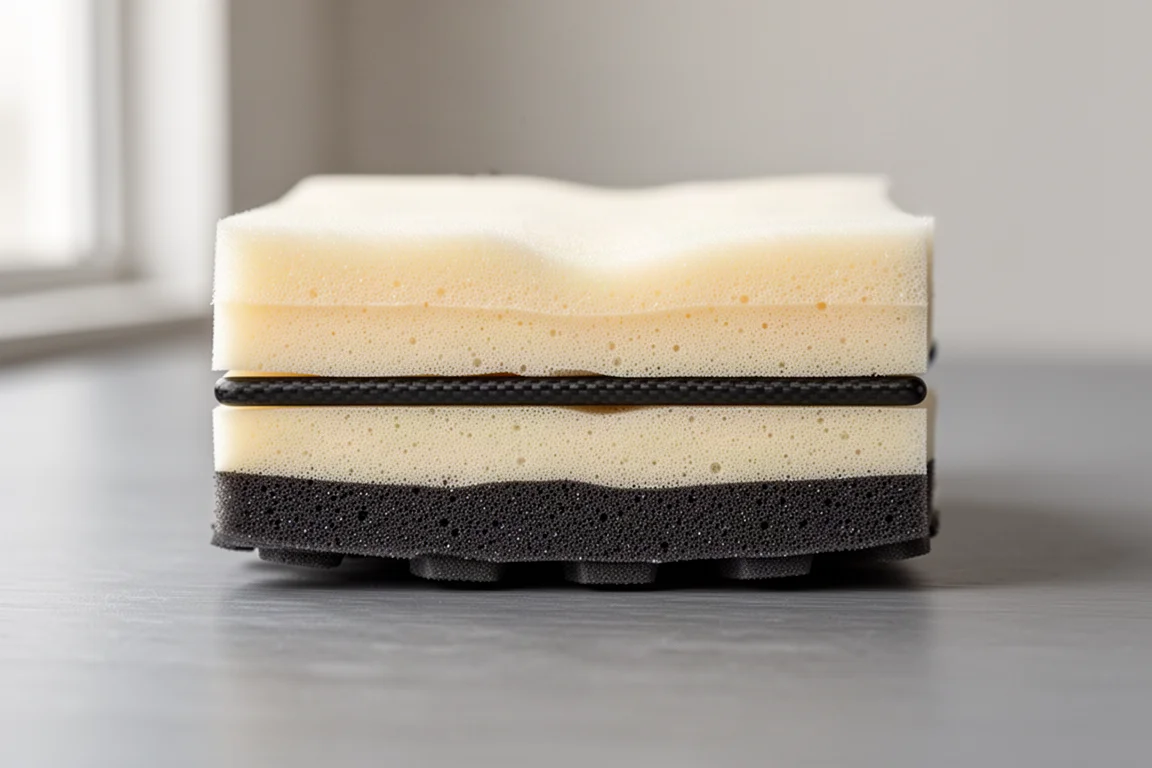
The midsoles are where Adidas shows off its geometry expertise. The Boston 13 stacks Lightstrike Pro over Lightstrike 2.0 training foam, with the race foam extending to the outsole on the lateral side while a thicker layer of firmer training foam sits under the medial side, a clever arrangement intended to resist overpronation. The Evo SL is a single foam slab with only a small plastic piece inside, but it compensates with a dramatically curved rocker and a full Continental rubber patch up front.
Ride and Performance
On the run, the Boston 13 feels grounded, stable, and connected. It does not provide much speed assistance; it is a workhorse that rewards effort rather than returning it. But that stability holds up at all paces, and the platform stays secure when you get up on the forefoot for strides or short repeats. It handles a 20-mile long run with marathon-pace segments, a relaxed six-miler with strides, and 200 and 400 meter repeats with equal composure.
The Evo SL feels softer, bouncier, and faster out of the gate, but it locks you into a midfoot-to-forefoot stride. Heel strikers will find the aggressive rocker and lateral-to-medial curvature push the foot around, and stability is noticeably weaker than the Boston. In hard speed sessions the softer forefoot cushion works against you as you sink into the foam.

Who Each Shoe Is For
If you are a heel striker, the Boston 13 is the safer pick. If you want a shoe for high-end speed work where the energy rods give you a more secure platform for popping off the forefoot, the Boston 13 again wins. It is the more durable, more versatile everyday trainer, and it pairs naturally with a cushioned recovery shoe in a two-shoe rotation.
The Evo SL suits runners who cruise at moderate paces two or three times a week and want cushioning plus a rocker that keeps the legs turning over. It is the trendier, more modern option, but it is not the most versatile, and it demands a forefoot-leaning stride.
Buying Advice
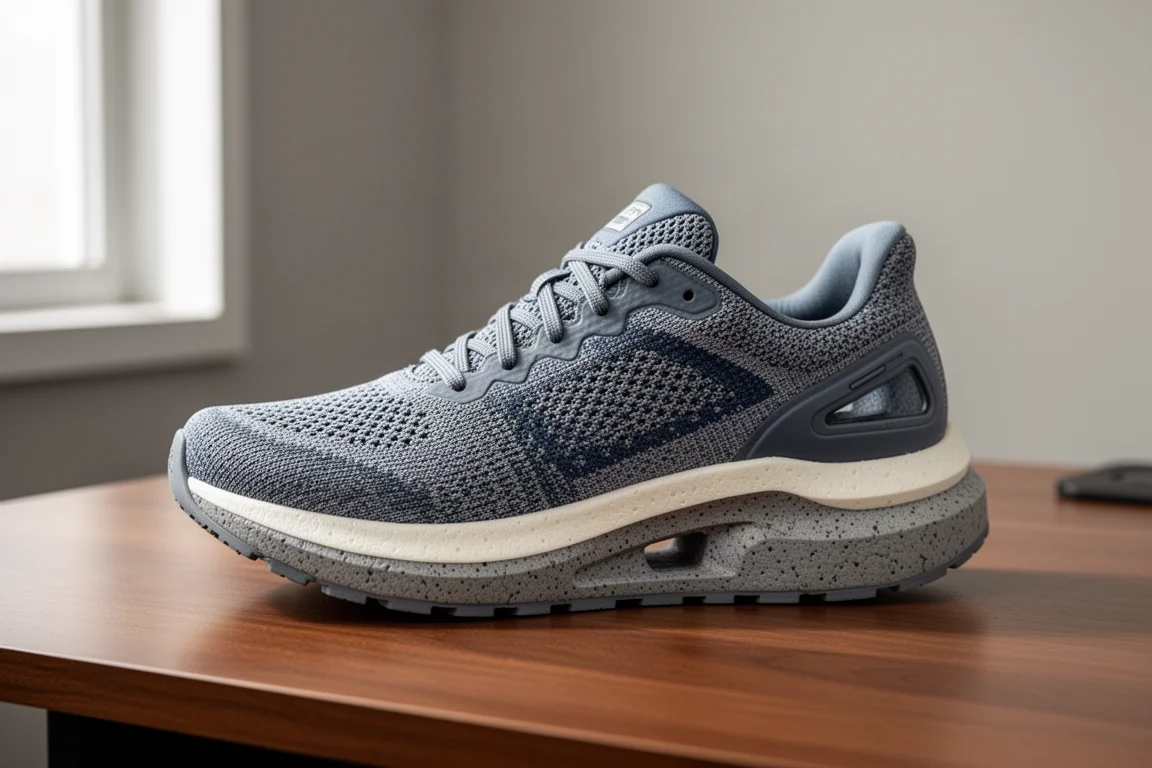
Pick the Boston 13 if you want one shoe that can handle long runs, easy miles, and faster sessions without complaining, and if you land on your heel. Pick the Evo SL if you mostly run steady moderate-pace miles, want a lighter and more cushioned forefoot feel, and do not mind a shoe that pushes you forward and limits your stride options.
If neither fits exactly, shoes with more stack and more stability elsewhere in the market may be worth considering, but between these two the choice is clear: Boston 13 for versatility and structure, Evo SL for modern cushioning and flow.
Conclusion
The Boston 13 and Evo SL are not direct competitors despite the price gap. One is a sturdy, lower, more traditional trainer built for everything; the other is a lighter, more aggressive, cushion-forward shoe for a specific style of running. Choose based on your stride and your weekly routine rather than on spec sheets, and either will serve you well.
Further reading
Related Reviews

Running Shoes
Best Road-to-Trail Running Shoes: Three Versatile Options for Mixed Terrain
A practical guide to three road-to-trail running shoes that handle both pavement and mild trails, with clear strengths and trade-offs for different runner types.

Running Shoes
Best Running Shoes for Achilles Tendonitis: Three Options Explained
Three running shoes with different heel drops and support features designed to help reduce Achilles tendon pain during walking and running.

Running Shoes
Best Running Shoes for Women: Five Top Choices Ranked
A ranked guide to five women's running shoes, from versatile daily trainers to high-performance racing options, with real strengths and trade-offs for each.