Running Shoes
Adidas Adizero Boston 13 Review: A Reliable Workhorse That Lost Its Tempo Edge
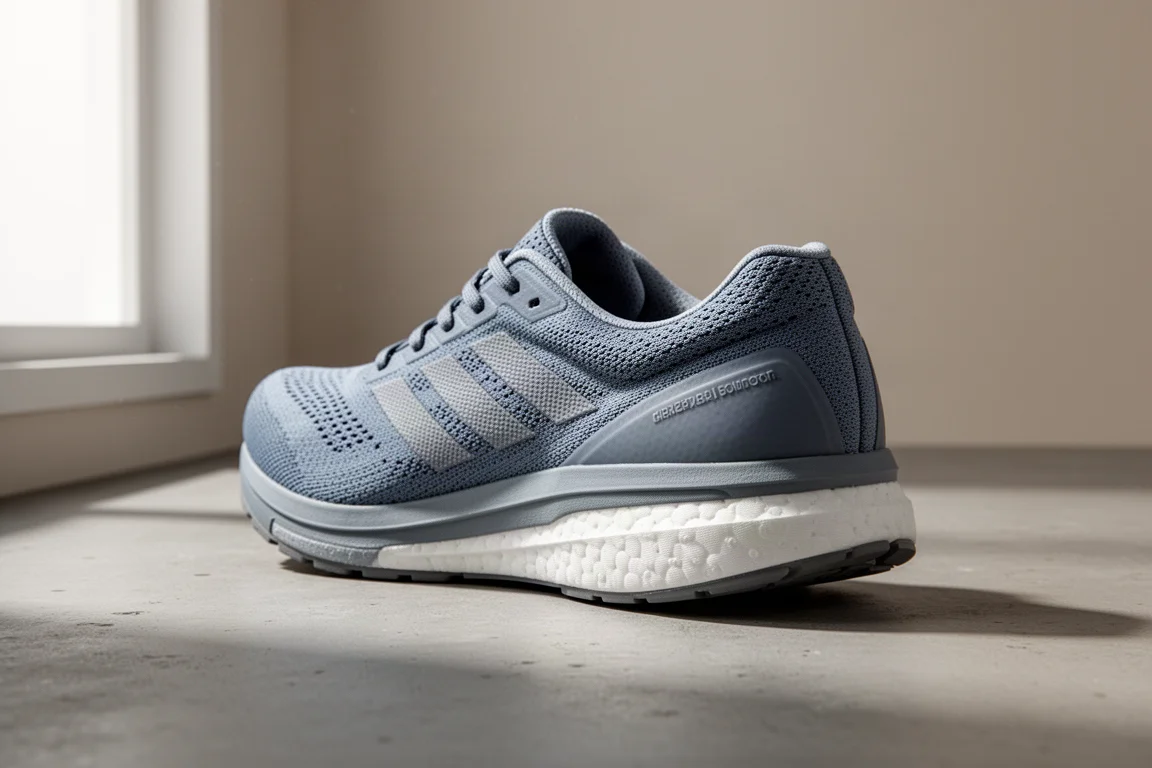
The Boston 13 gets more Lightstrike Pro, a trimmed-down heel, and a plusher upper, but it leans firmly into daily-trainer territory rather than classic tempo-shoe speed.
Introduction
The Adidas Adizero Boston 13 is a pretty good shoe, but it raises a harder question: is that enough to make it a good Boston? The name carries weight. It is tied to one of the most important road races for many runners, and historically that meant a tempo shoe built for big workouts and, in the pre-carbon era, even racing the Boston Marathon itself.
This generation moves further in a different direction. It is a more padded, more comfortable daily trainer, and it does that job well. Runners who miss the tempo heritage of earlier versions may need to come to terms with the fact that Adidas is not making that kind of shoe in the Boston line anymore.
Construction and Materials
The headline update this year is 13.8% more Lightstrike Pro than the previous Boston. The midsole stacks two foams: a greyish Lightstrike, a firm EVA-based daily training foam, on the bottom, and a race-caliber Lightstrike Pro above it. Between the two layers sit Energy Rods 2.0, which instead of a solid plate use individual rods mapped to the bones of the foot, along with a denser plastic piece for stability visible through a small window in the sidewall.
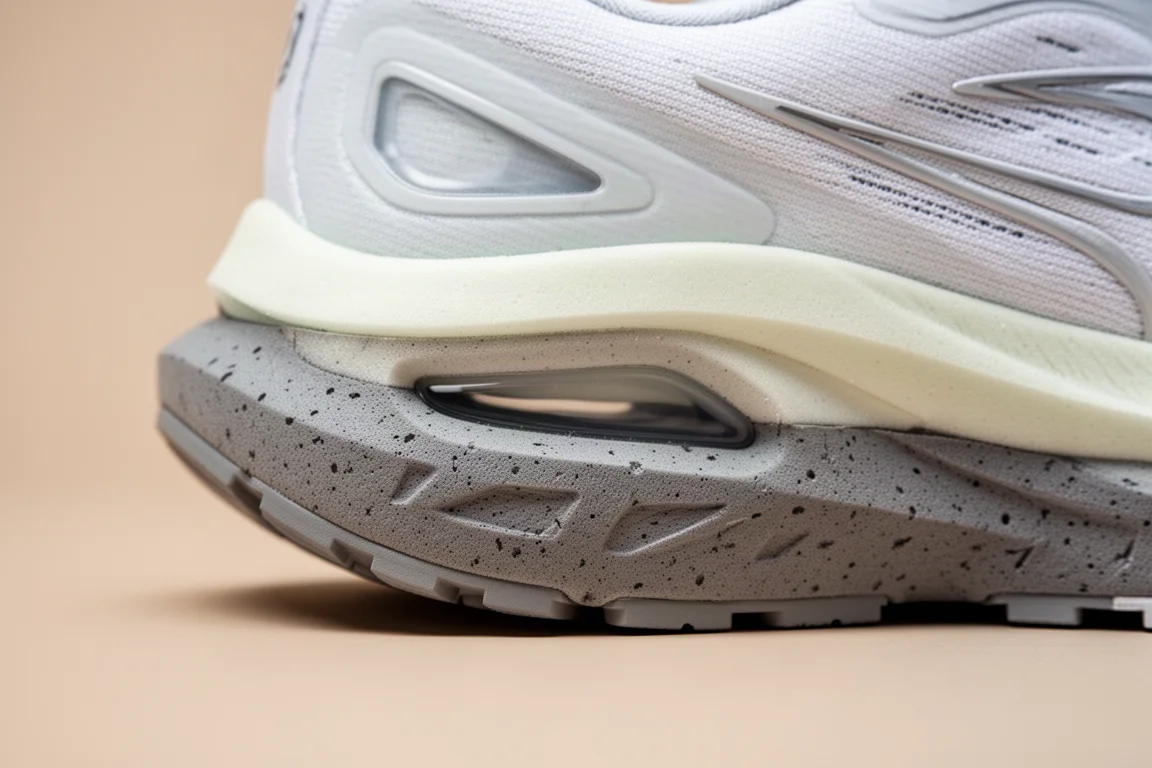
The outsole picks up Light Traction, the material first seen on the Adios Pro 4, and adds a notch cutout under the arch on the medial side. That notch exposes part of the Energy Rods and removes some Lightstrike underfoot, which makes the shoe easier to bend. Runners with stability concerns may find it slightly less stable, but those who like a more flexible platform will appreciate it.
The upper has changed substantially too. The tongue is more padded, and heel cushioning now wraps all the way around instead of just a few bumper pads on each side. The heel shape has also been tightened: it is still wide, but the flaring is reduced compared to the stout, elbows-out Boston 12. Combined with a lighter overall build, it makes the shoe a bit more nimble.
For a US men’s size 9, the Boston 13 measures 8.9 oz, or 254 g.
How It Runs: Daily Miles and Recovery
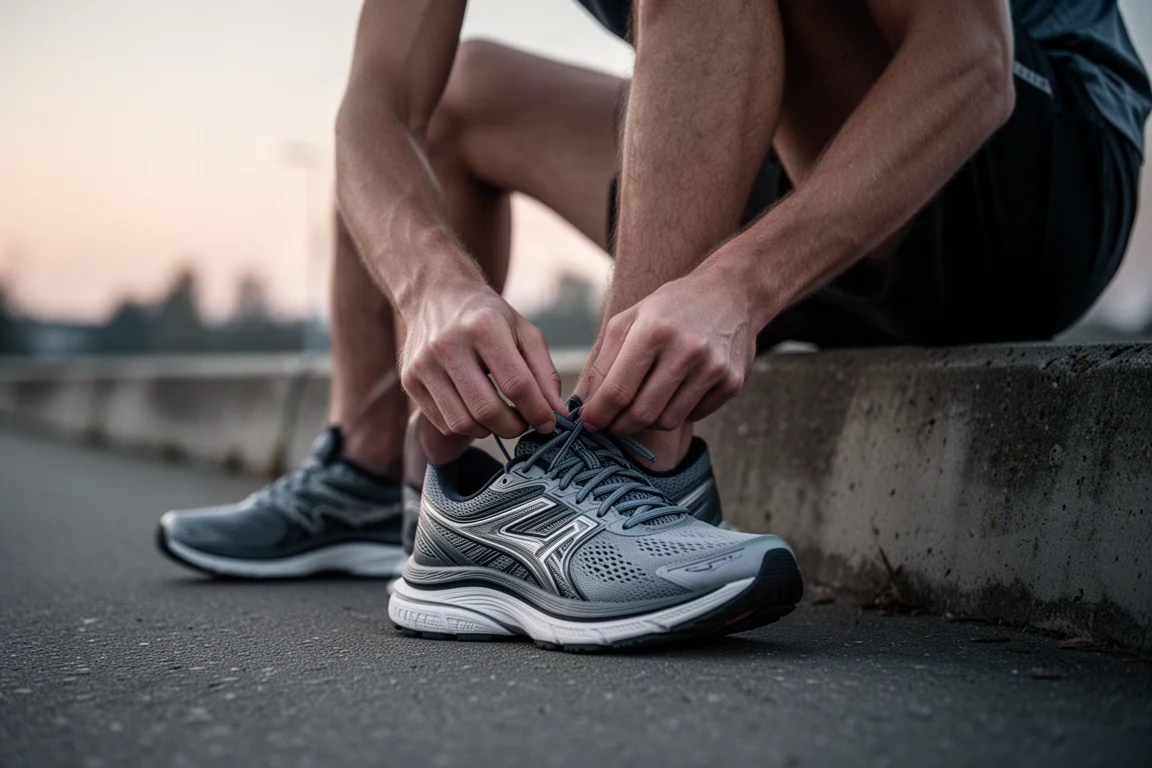
On the road, the Boston 13 is nice. It can take a mile or two to find a rhythm, but after that it delivers relatively carefree miles. As a daily workhorse it does a good job: it does not feel flashy or vying for attention with every step, just a set-it-and-forget-it shoe eager to put in the miles.
The generous Lightstrike Pro foam and comfortable padded upper also make it usable for recovery running, though with a caveat. If you like a stiffer, higher-stack recovery shoe, it can genuinely work. Runners who prefer something mushier for easy days may look elsewhere.

The harder part of the ride shows up at speed. Whether doing strides or up-tempo work, the shoe can feel a little sluggish despite the race-caliber materials. The Lightstrike Pro here is a firmer formulation than what Adidas uses in the Adios Pro 3 or the Evo SL, and the Lightstrike below is also relatively firm. Combined with the Energy Rods, which for some runners add useful stabilization but for others do not seem to add much, the shoe can feel too firm for easy efforts without a corresponding speed boost at faster paces.
The overall design points toward runners who want a bit more stability, and possibly bigger, taller runners who put more force into each stride.
Buying Advice and Alternatives
For runners who loved the Boston 12, this is a great iterative update: leaner, meaner, and all around a bit better. Bigger, taller runners, especially those who blast through softer foams in shoes like the Evo SL, will likely find the Boston 13 a very reliable daily workhorse.
The shoe comes in at $160, which is a touch expensive for what you get. The Evo SL, with an all-Lightstrike Pro midsole, sells for $150. If you want to save money, discounts on last year’s Boston 12 are worth hunting, though sizes may be scarce.

Within the Adidas lineup, a workable rotation looks like this: the Adizero SL 2 for shorter daily runs, the Boston 13 as the more comfortable long-run option, the Takumi Sen 11 for faster interval work, and the Adios Pro 4 for race day. Alternatives include the Evo SL in place of the Adizero SL 2, the more runnable Ultraboost 5 in place of the Boston 13, the cheaper Adios 9, and the $500 Adios Pro Evo 2 for those who want the most advanced race shoe in the range.
Outside of Adidas, two no-plate options stand out. The Puma Magnify Nitro 3 is an all-PEBA, max-cushion daily trainer with a much more padded upper, also priced at $160, that is genuinely peppy for comfortable daily miles. The ASICS Superblast 2 takes a similar dual-foam approach to the Boston but uses geometry instead of a plate or shank for stability, with a wider base and foams that get to shine. It excels on daily miles, long runs, and even tempo work, but it costs $200.
Conclusion
The Adizero Boston 13 is a solidly built, slightly lighter, plusher daily trainer that will serve steady-mileage runners well, particularly those who value stability or run at higher body weights. But if you are chasing the tempo-shoe spirit the Boston name once stood for, modern alternatives like the Endorphin Speed series or the Deviate Nitro line are closer to what that shoe used to be.
Product link
View more details for Adidas Adizero Boston 13
This product is mentioned in the review. Check the specifications, options, and compatibility before buying.
View more details for Adidas Adizero Boston 13Further reading
Related Reviews

Running Shoes
Best Road-to-Trail Running Shoes: Three Versatile Options for Mixed Terrain
A practical guide to three road-to-trail running shoes that handle both pavement and mild trails, with clear strengths and trade-offs for different runner types.

Running Shoes
Best Running Shoes for Achilles Tendonitis: Three Options Explained
Three running shoes with different heel drops and support features designed to help reduce Achilles tendon pain during walking and running.

Running Shoes
Best Running Shoes for Women: Five Top Choices Ranked
A ranked guide to five women's running shoes, from versatile daily trainers to high-performance racing options, with real strengths and trade-offs for each.