Running Shoes
Adidas Adizero Boston 13 First Run: A Firmer, Snappier Training Partner
First miles in the Adizero Boston 13 reveal a stable, responsive trainer with more Lightstrike Pro in the forefoot, added padding up top, and a ride that rewards quicker turnover.
Introduction
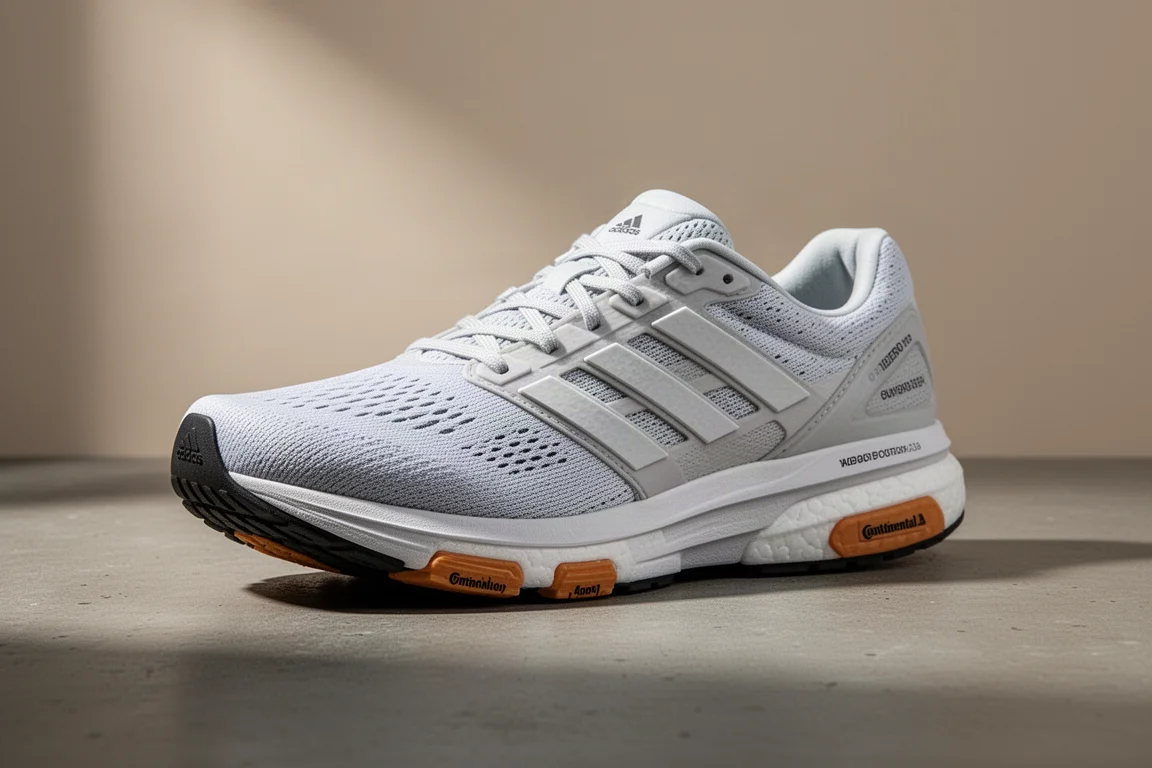
The Adidas Adizero Boston 13 positions itself as the training partner to the Adizero Pro 4, continuing a line that many runners liked for exactly that role. This latest version makes targeted changes to the midsole and upper, with the stated goal of adding comfort for longer training runs and a bit more snap to the ride. After a first run of around six miles at a range of paces, the early picture is of a stable, firmer trainer that rewards commitment.
Quick Specs
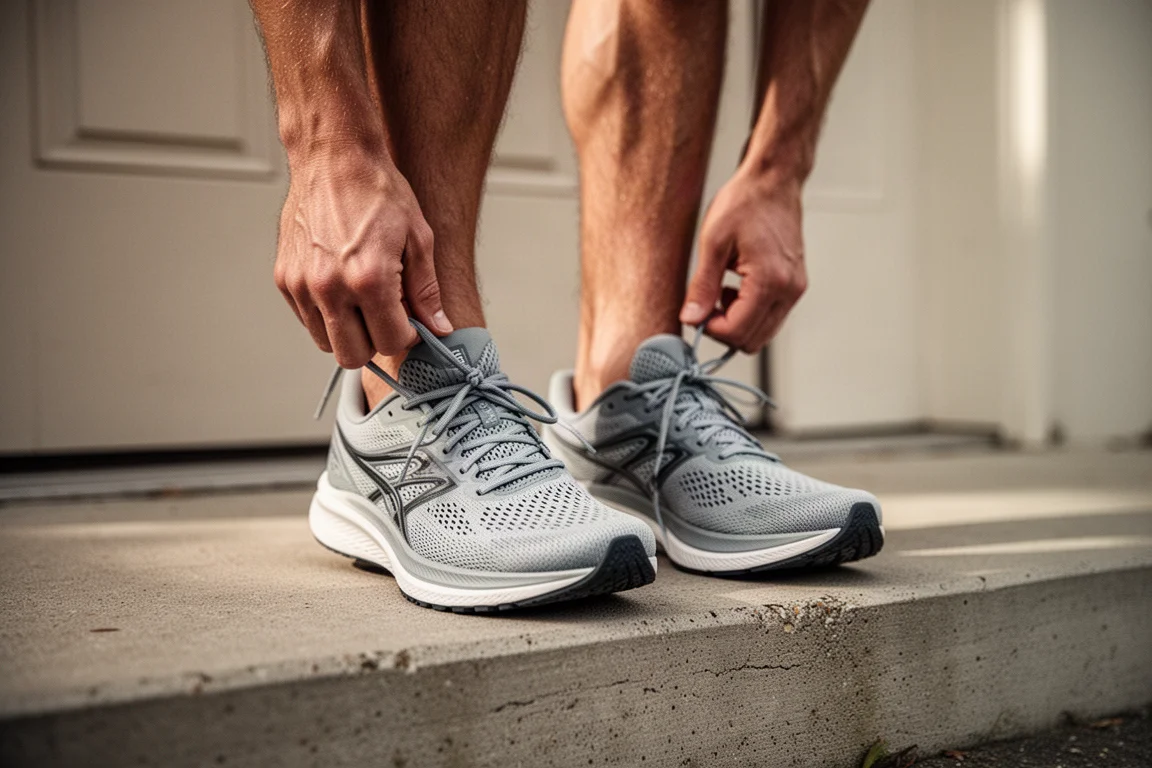
The stack height has changed slightly. The Boston 13 now packs 36mm in the heel and 30mm in the forefoot for a 6mm drop, down from 38/31 and a 7mm drop in the Boston 12. Weight stays roughly the same, with 2g shed: the official figure is 258g, and the test shoe in a UK 8.5 (US 9) came in at 9.1 oz, or 259g.
Midsole: More Lightstrike Pro Where It Counts
The dual-foam setup returns, combining Lightstrike Pro and Lightstrike, but there is now 13.8% more Lightstrike Pro according to Adidas, with much of it placed in the forefoot. The intent is a snappier toe-off that feels more like an Adizero shoe, building familiarity for runners who later step up to the Adizero Pro 4 on race day.
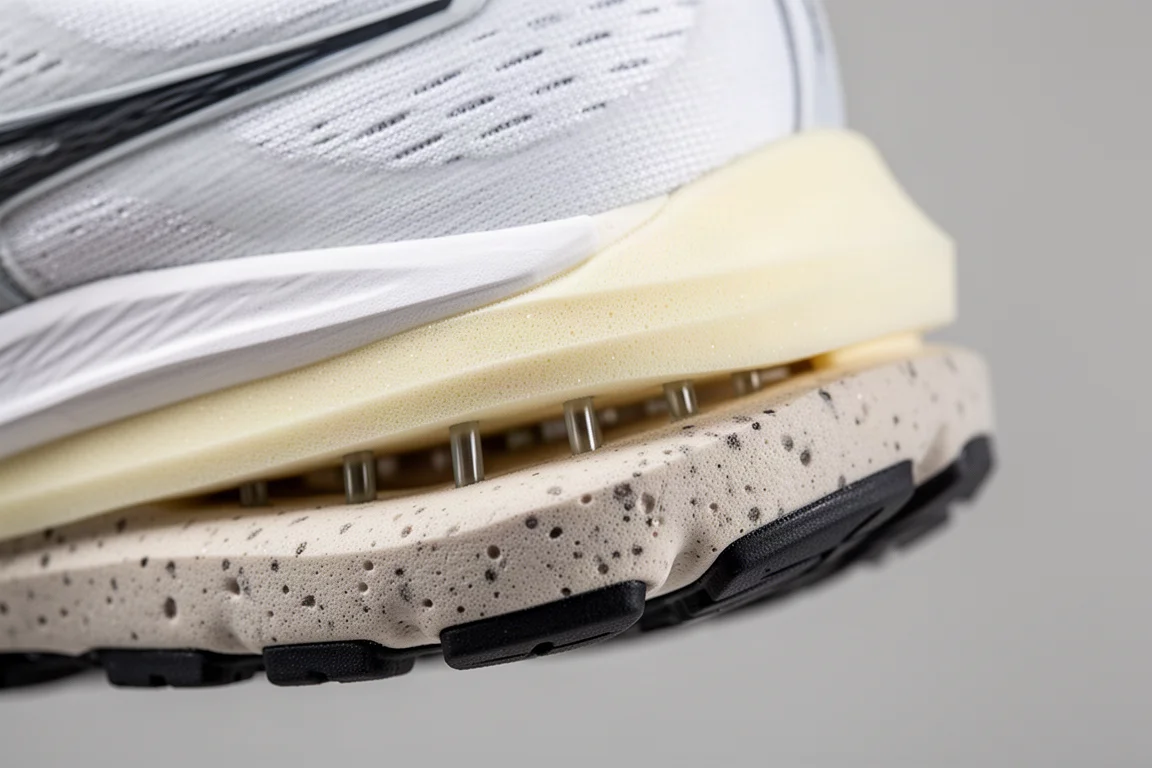
The layering breaks down as a thin layer of Lightstrike in the forefoot, a thicker layer of Lightstrike in the heel for stability, the energy rod system in between, and a top layer of Lightstrike Pro with more of it in the forefoot than the heel.
Outsole and Upper Tweaks
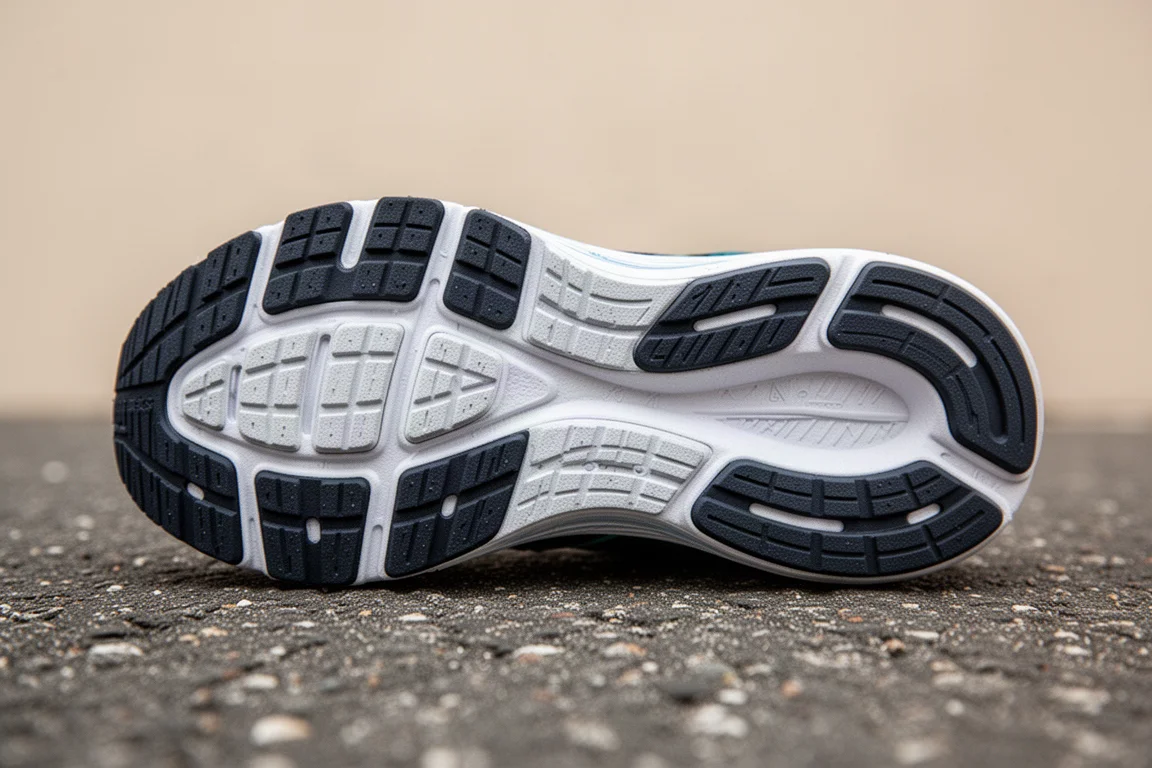
Underfoot, the Boston 13 gets a good covering of outsole rubber, with large Continental pads in the main forefoot strike area and a separate pad at the heel. The rest uses the light traction rubber found on some of Adidas’ racier shoes.
Up top, the structured engineered mesh remains, but the tongue and heel collar now carry more padding. The heel collar sits at medium padding and the tongue is lightly padded rather than thick, aimed at comfort on longer training miles where the more minimal, racy Boston 12 did not suit everyone.
Fit and Sizing
The tester ran in a UK 8.5 (US 9), his regular Adidas size, partly because the Adizero Pro 4 has posed toe box length questions in the same size. On this shoe, there was good clearance at the end of the toe box with no toe bashing on the first run. The fit held nicely across the toe knuckles with enough stretch and flex, the midfoot lockdown was spot on, and the medium heel padding and lightly padded tongue took lace pinch out of the picture. Early advice: go true to size.
Ride Impressions: Blocky at First, Snappy When You Push
The first sensation on the move was that the shoe is quite blocky, firmer and less bouncy than expected from a training partner to the Adizero Pro 4. The Lightstrike base creates a stable platform, and the blockiness eased as pace picked up. At faster paces the forefoot Lightstrike Pro delivered a genuine snappiness, more of a controlled response than a bouncy bound.

At around 650 pace the shoe handled well, and it was equally enjoyable cruising in the 730s. Compared with softer options like the New Balance SC Trainer v3 or the Superblast, this is a very different, firmer ride. Runners who like a shoe that asks for quicker foot turnover and takes the edge off the road will feel at home; those wanting maximum cushion for slow or long efforts may find it firm.
Buying Advice
From the first six miles, the Boston 13 ticks a lot of daily trainer boxes: reliable landings, good stability, and a forefoot snap that shows up at training pace. It will likely soften with break-in, and more miles are needed to judge it on hour-and-a-half runs. If your pace sits in the faster end of easy and you enjoy a firmer, snappier shoe, this looks like a strong rotation piece and a plausible training partner to the Adizero Pro 4.
Conclusion
The Adizero Boston 13 keeps the identity runners liked in the Boston 12 while adding comfort and forefoot snap. It is firmer than some alternatives, but for runners who like to do a bit of the work themselves, it shapes up as a promising daily trainer.
Product link
View more details for Adidas Adizero Boston 13
This product is mentioned in the review. Check the specifications, options, and compatibility before buying.
View more details for Adidas Adizero Boston 13Further reading
Related Reviews

Running Shoes
Best Road-to-Trail Running Shoes: Three Versatile Options for Mixed Terrain
A practical guide to three road-to-trail running shoes that handle both pavement and mild trails, with clear strengths and trade-offs for different runner types.

Running Shoes
Best Running Shoes for Achilles Tendonitis: Three Options Explained
Three running shoes with different heel drops and support features designed to help reduce Achilles tendon pain during walking and running.

Running Shoes
Best Running Shoes for Women: Five Top Choices Ranked
A ranked guide to five women's running shoes, from versatile daily trainers to high-performance racing options, with real strengths and trade-offs for each.