Running Shoes
Adidas Adizero Boston 13 First Run Review: The Comfortable Workhorse Returns
A 20-mile first run in the Adizero Boston 13, with comparisons to the Boston 12, Evo SL, Hoka Mach X2, and Nike Pegasus Premium.
Introduction
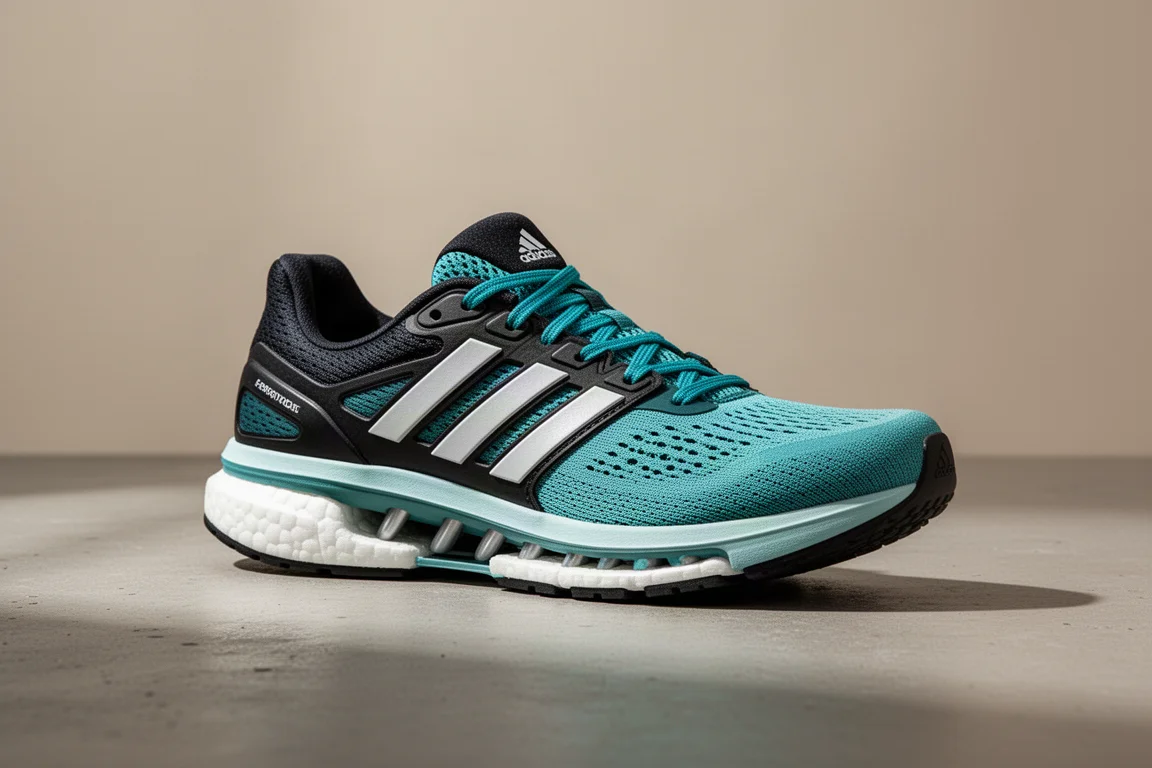
The Adidas Adizero Boston line has always been about one thing: the do-it-all marathon training shoe. The Boston 12 was a legend of that formula, a dual foam tank that rewarded patience but punished anyone who wanted comfort out of the box. The Boston 13 keeps the core recipe and finally fixes the complaints.
This first run review covers a full 20-mile outing with marathon pace repeats built in, plus how the new model stacks up against the Boston 12, the Adizero Evo SL, the Hoka Mach X2, and the Nike Pegasus Premium.
First Impressions Out of the Box
Right away, the Boston 13 does not feel like a lightweight shoe. It feels chunky, almost heavy in the hands, and clearly positioned as the durable workhorse daily trainer in the Adidas lineup. That is the trade Adidas chose: more comfort, more structure, slightly more weight.
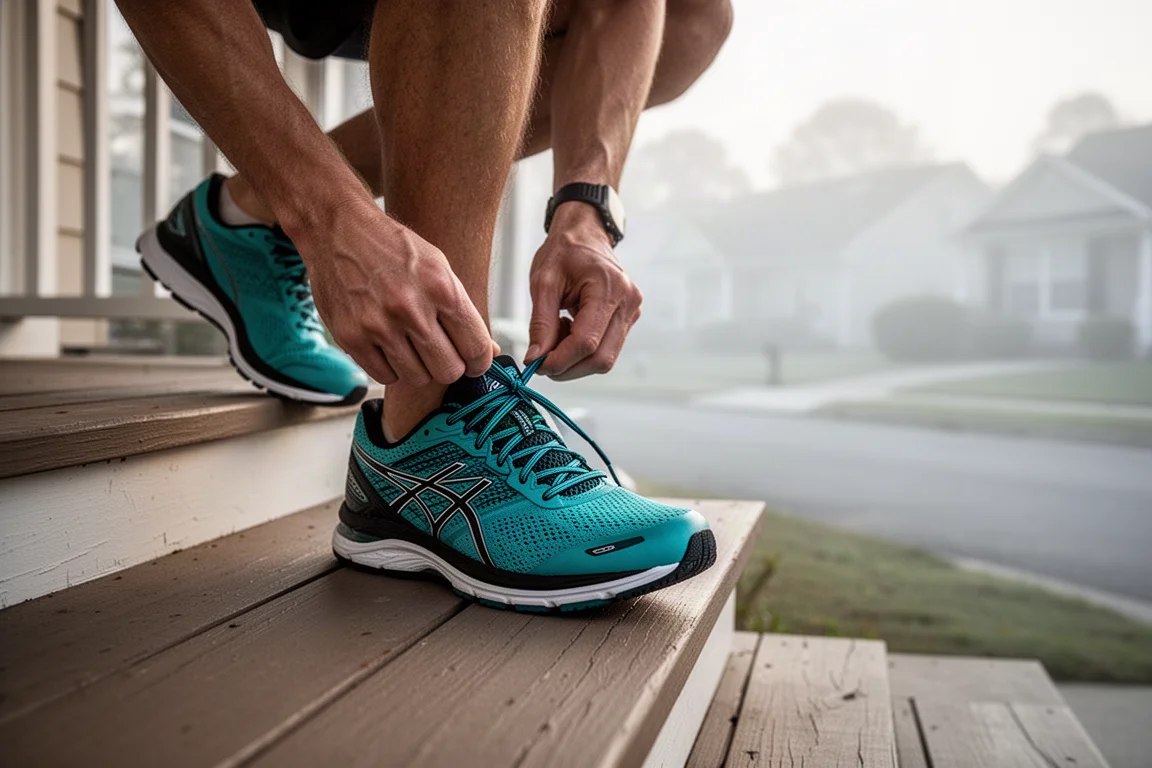
The fit is true to size, with the classic Adidas toe box feel that will be familiar to anyone who has worn the brand. The upper is the headline change. The Boston 12 had a thin, unlined, almost canvas-like upper with minimal padding. The Boston 13 adds a padded heel collar and a properly padded tongue, and it transforms how the shoe feels from the first step.
What Changed From the Boston 12
The Boston 12 was one of the most polarizing shoes in recent memory. The dual foam construction, with standard training foam on the bottom and Light Strike Pro race foam on top, plus energy rods, gave it a firm, supportive ride that many bigger or more powerful runners loved. It also took 30 to 50 miles to break in, and the upper bothered sensitive feet.
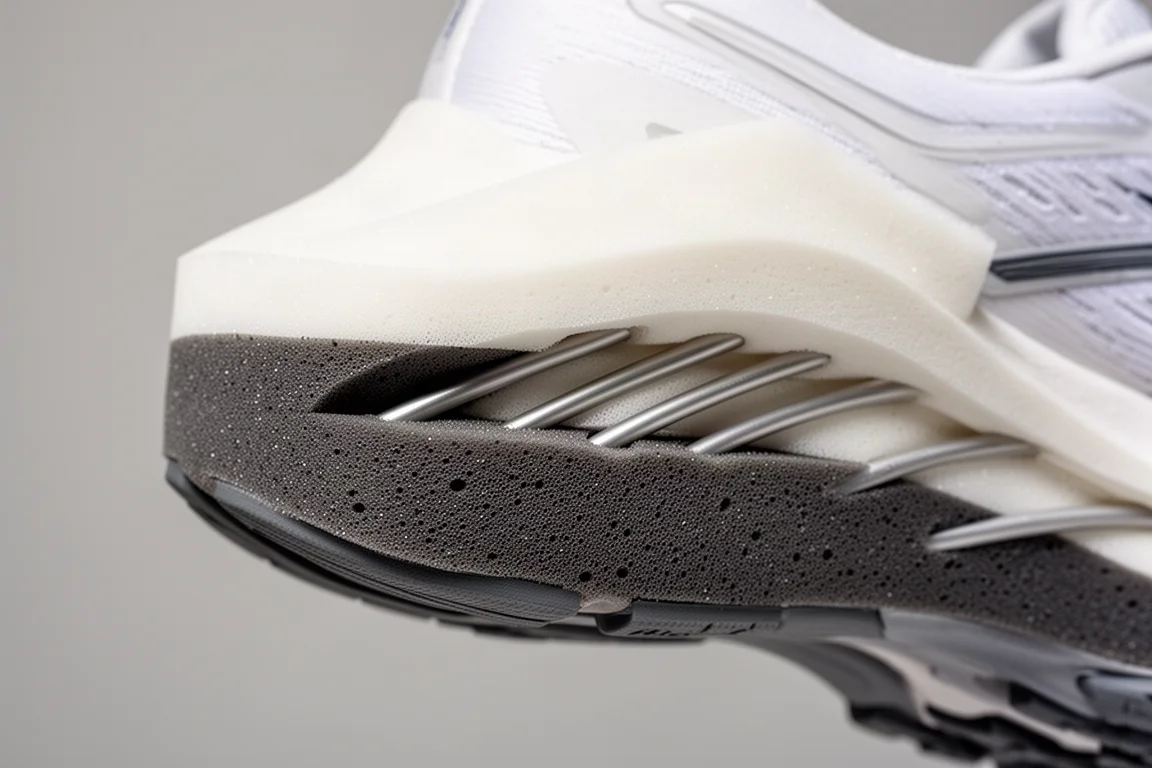
The Boston 13 addresses the complaints directly. The tongue gains roughly 3 mm of stack, the heel padding nearly doubles to around 11 mm, and the forefoot gets about 5 mm more Light Strike Pro. The cost is 5 g of extra weight, landing at about 275 g in the tested size, versus roughly 270 g for the Boston 12. The stack stays modest at a measured 37 mm in the heel and 30 mm in the forefoot, around a 6 mm drop.
Construction and Stack Height
The dual foam layout carries over: Light Strike 2.0 on the bottom, which feels noticeably softer than the original Light Strike, and Light Strike Pro race foam on top, with more of it in the forefoot this time. Energy rods remain through the midfoot to add snap and directional stability without a plate.
The outsole keeps a Continental rubber patch at the toe, with the rest in Adidas’ light traction rubber. In practice, all of Adidas’ rubber compounds grip well, including in wet weather, and the Boston 12 showed almost no wear after 300 miles. Durability remains a core strength of this line.
At 37 mm of heel stack, this is deliberately not a super max cushioned shoe. Compared with the Mach X2, which measured around 40.8 mm, the Boston 13 sits lower and closer to the ground.
How It Ran: 20 Miles With Marathon Pace Repeats
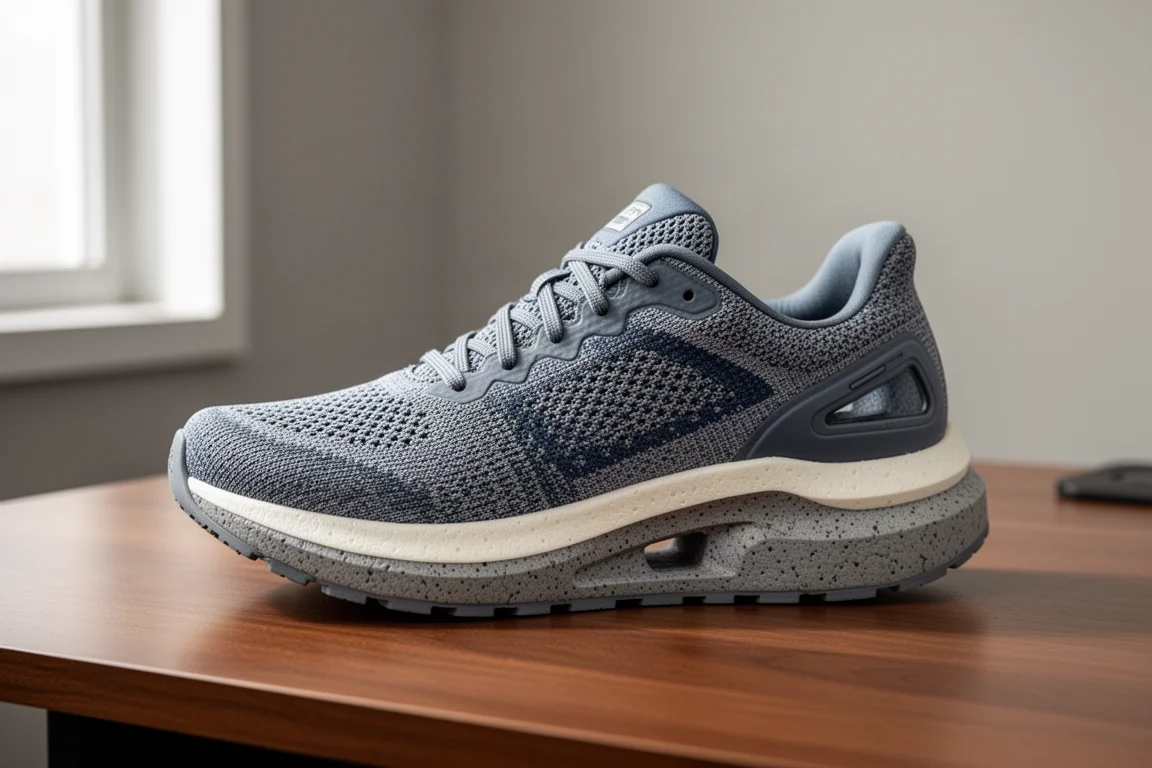
Out of the gates, the Boston 13 feels like a blue collar shoe. The cushion lands right in the sweet spot, not too soft and not too firm. The heel geometry is improved, the ride feels smoother, and it does not come across as choppy the way the Boston 12 could.

The surprise is the comfort. The Boston 12 needed dozens of miles to feel good. The Boston 13 felt comfortable from mile one and stayed that way through the full 20, including three sets of two-mile marathon pace repeats on hills and into wind. On faster paces, the energy rods and forefoot Light Strike Pro deliver a familiar, supportive snap, though the shoe is not the bounciest in the category. It is solid, smooth, direct, and reliable, with impressive range across easy, steady, and moderately fast running.
How It Compares
The Hoka Mach X2 is the current leader in the dual foam marathon training category for high-mileage running, with more stack, a bigger rocker, and around 267 g. It has more outright bounce, but a thinner upper that some runners found troublesome.
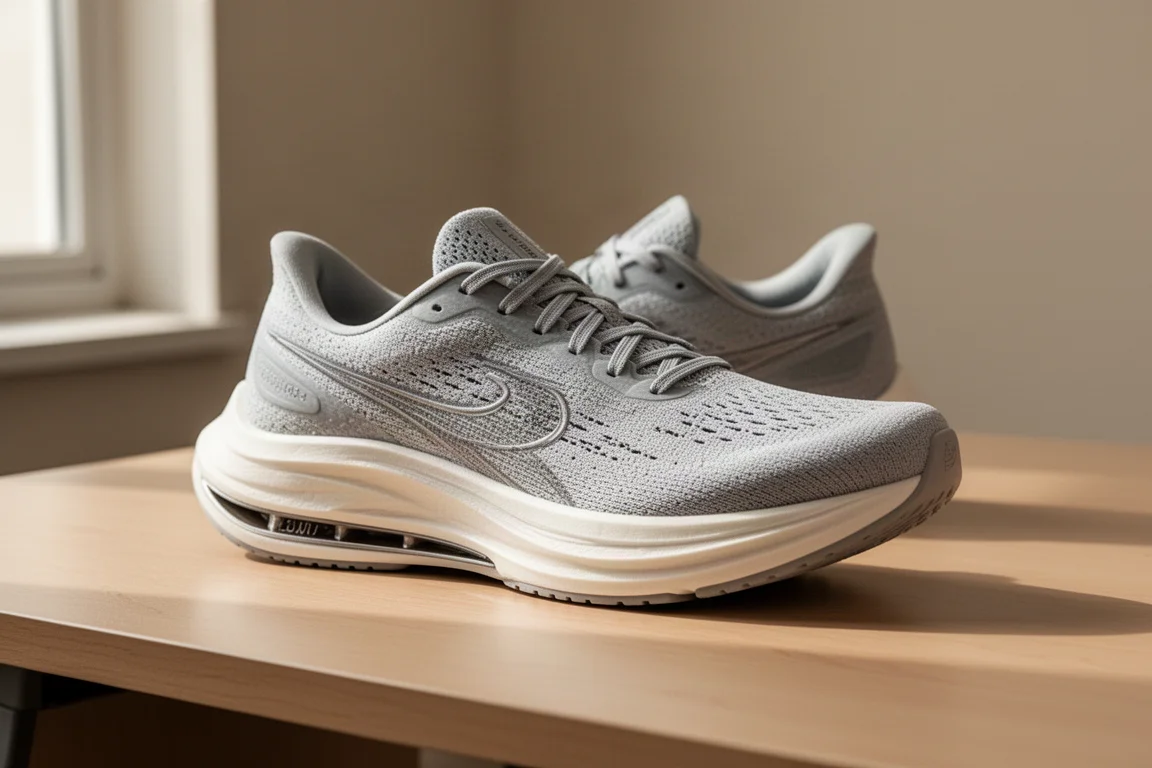
The Adizero Evo SL goes the other direction. It uses a full bed of Light Strike Pro with no plate and no rods, weighs around 212 to 225 g, and is the better pick for genuinely fast workouts. It is less supportive, less stable, and less suited to relaxed paces or heavy heel striking.
View more details for Adidas Adizero Evo SL
The Nike Pegasus Premium sits at the flashy end of the category, around 350 g, and delivers an explosively bouncy ride. It is exciting but heavy, and it does not match the Boston 13’s balance of weight and versatility.
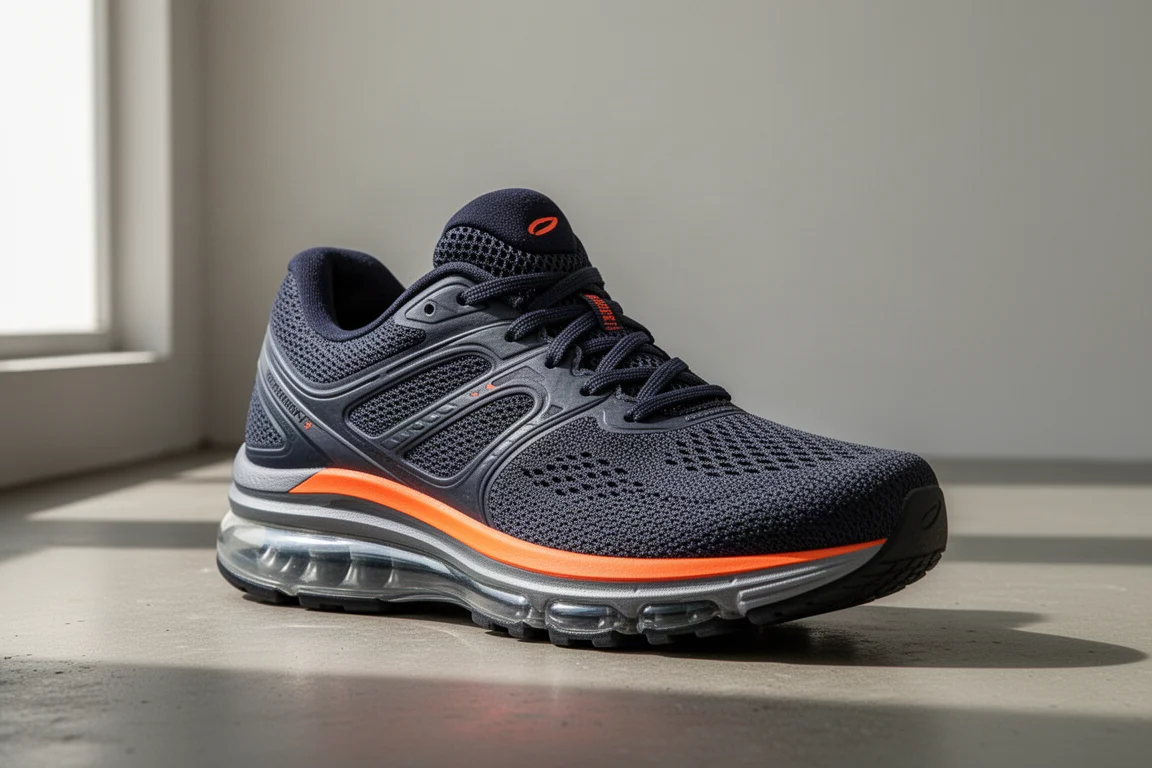
And the Boston 12 itself remains worth hunting down if you can find it. It rewarded a break-in period with one of the most durable, supportive rides available, with excellent Continental rubber coverage and 300-mile durability.
Buying Advice: Who Should Pick the Boston 13
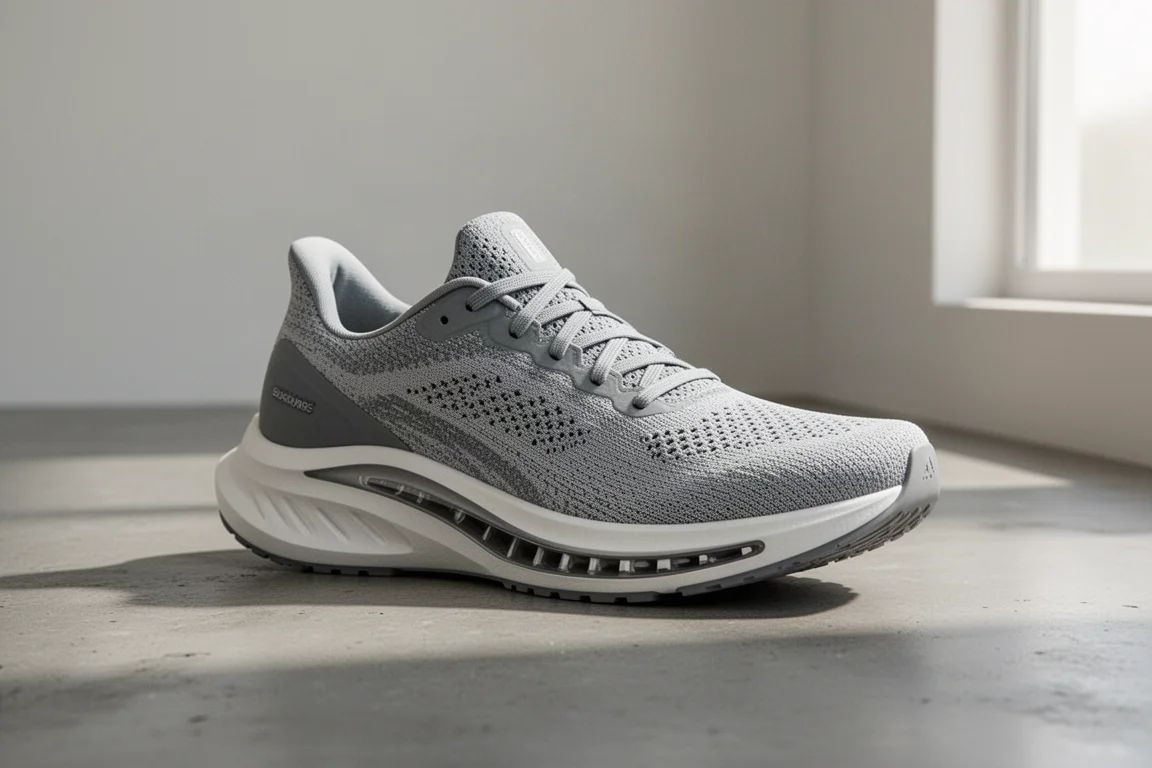
The Boston 13 is not the best at any single thing. It is not the bounciest, not the most stacked, and not the lightest. What it is, is the best version of what a normal, everyday marathon training shoe should be: comfortable, durable, stable, and versatile.
At around the $160 price point of the previous version, it is a strong value, especially given the likely long lifespan. If you want a small rotation of one to three shoes, the Boston 13 as a daily trainer plus a max cushioned easy-day shoe would cover nearly everything, with a race shoe added if you race. If you chase maximum bounce or aggressive modern rockers, look elsewhere. If you want a shoe that simply gets the job done, this is it.
Conclusion
Adidas listened. The Boston 13 keeps the supportive dual foam and energy rod character that made the Boston line a classic, then fixes the upper, the break-in, and the comfort complaints that made the Boston 12 polarizing. Five grams of extra weight is a fair price for a shoe this well rounded. On first run evidence, the Boston 13 is a big thumbs up and one of the best do-it-all marathon training shoes you can buy.
Further reading
Related Reviews

Running Shoes
Best Road-to-Trail Running Shoes: Three Versatile Options for Mixed Terrain
A practical guide to three road-to-trail running shoes that handle both pavement and mild trails, with clear strengths and trade-offs for different runner types.

Running Shoes
Best Running Shoes for Achilles Tendonitis: Three Options Explained
Three running shoes with different heel drops and support features designed to help reduce Achilles tendon pain during walking and running.

Running Shoes
Best Running Shoes for Women: Five Top Choices Ranked
A ranked guide to five women's running shoes, from versatile daily trainers to high-performance racing options, with real strengths and trade-offs for each.