Running Shoes
Adidas Adizero Boston 13 vs the Competition: Evo SL, Puma Deviate Nitro 3 and Nike Zoomfly 6
How the Boston 13 stacks up against three popular speed trainers on stack, foam, fit and ride feel, plus which shoe suits which runner.
Introduction
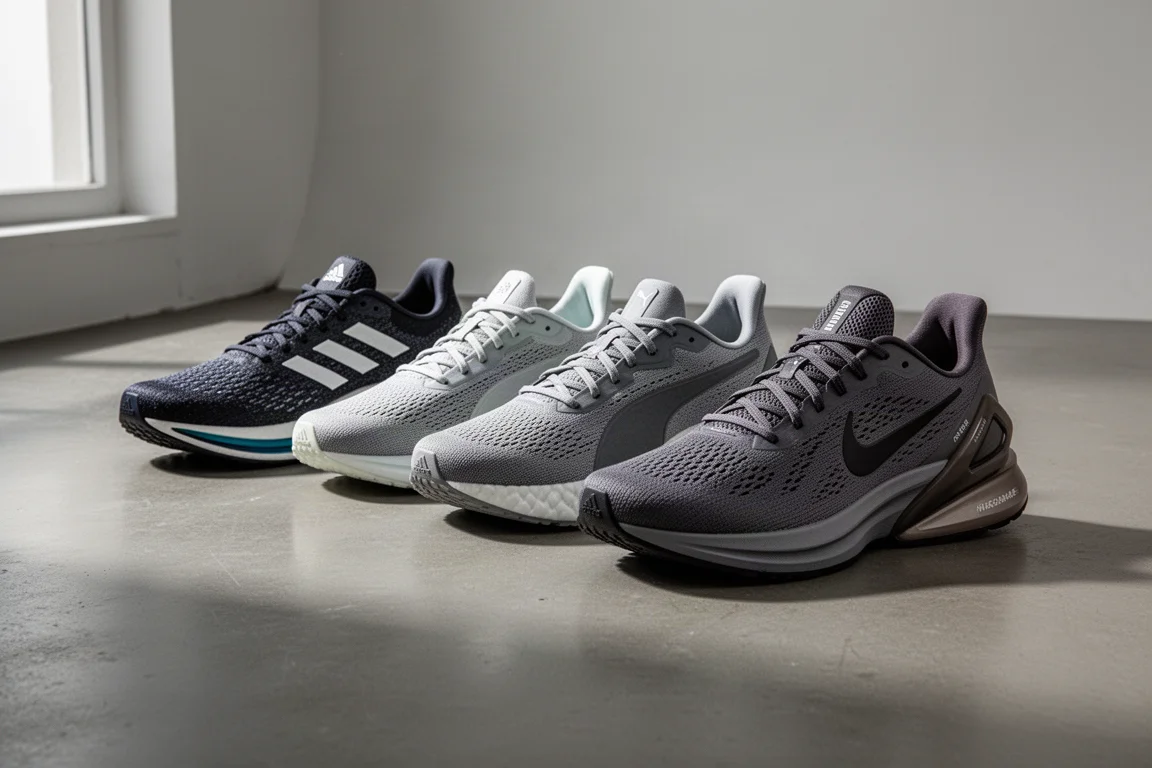
Few trainers have generated as many comparison requests as the Adidas Adizero Boston 13, so in this roundup we put it head to head with three popular alternatives: the Adidas Adizero Evo SL, the Puma Deviate Nitro 3 and the Nike Zoomfly 6. All four are plated or energy-rodded speed trainers aimed at tempo runs, quality days and, in some cases, light racing.
How They Compare on Paper
There is a genuine spread in geometry here. The Zoomfly 6 sits at the tallest of the bunch, measuring around 43 to 44 mm in the heel for a UK 11, with a hefty 10 mm drop that may not suit everyone. The Boston 13 counters with the widest forefoot of the four, while the Nike is surprisingly the widest in the heel, a design that nods to the Alphafly 3.
On foam, the Nike uses ZoomX while the Boston 13 carries the newer Lightstrike Pro, the softest formula in this group. It is not quite that simple, though: the Adidas, Puma and Nike all combine a softer material in the forefoot with a denser, more stable foam in the heel. Every shoe here comes in under 300 g except the Deviate Nitro 3, with the Evo SL easily the lightest of the four. Drops vary, but the forefoot stacks are all similar.
What Makes the Boston 13 the Benchmark
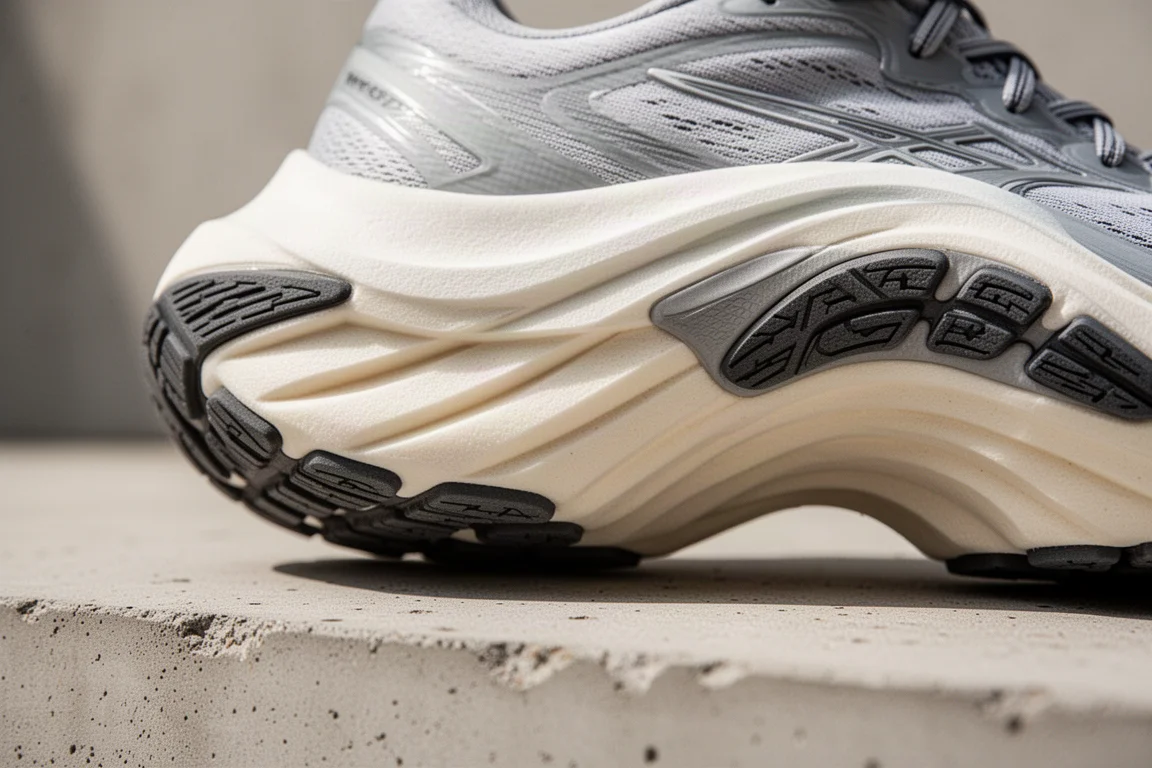
The Boston 13 earns its place as the reference point because it does so many things well at once. It is a sound, consistent performer with a more nuanced design and technology implementation than most rivals, and the lower drop makes it a versatile model that can tick lots of boxes in a shoe rotation. The wide forefoot suits a broader range of runners, the upper is noticeably breathable, and the Continental outsole is proven to last for hundreds of miles. The tongue and lacing are also better resolved than on most of the shoes here. One caveat: the softer foams tend to feel best out of the box and dull a little faster, so pairing them with the denser heel foam is what secures the mileage.
Nike Zoomfly 6 vs Boston 13
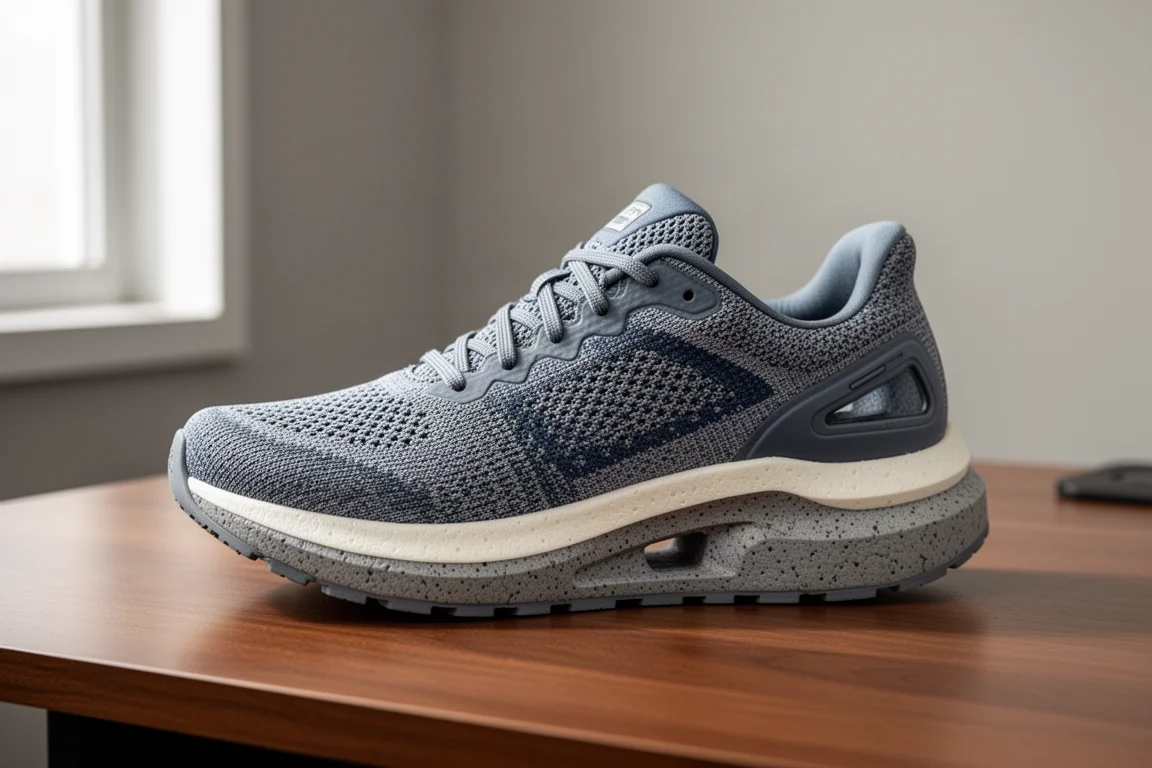
The Zoomfly 6 has been one of the great shoes of the last 18 months: super fun to run in, quick to pick up the pace, and a really great training partner. Its plate feels more present than in the Boston 13, making it feel more like a tempo trainer and possible racer, whereas the Boston reads much more as a pure trainer. That said, the Zoomfly 6 is too aggressive to be called a daily shoe.
The trade-offs are real. The thin, cheap-feeling laces were the one clear negative, and the outsole rubber is a little softer with more wear showing. Soft foam midsoles degrade faster and dull quicker, though coupling them with the denser rear foam helps both shoes go further. The Boston 13 fights back with a far less narrow forefoot, a more breathable upper, a better out-of-the-box fit and a slightly lower price. If pace is the priority, the Zoomfly 6 is the pick; for everything else, the Boston 13 is the more versatile buy.

Puma Deviate Nitro 3 vs Boston 13
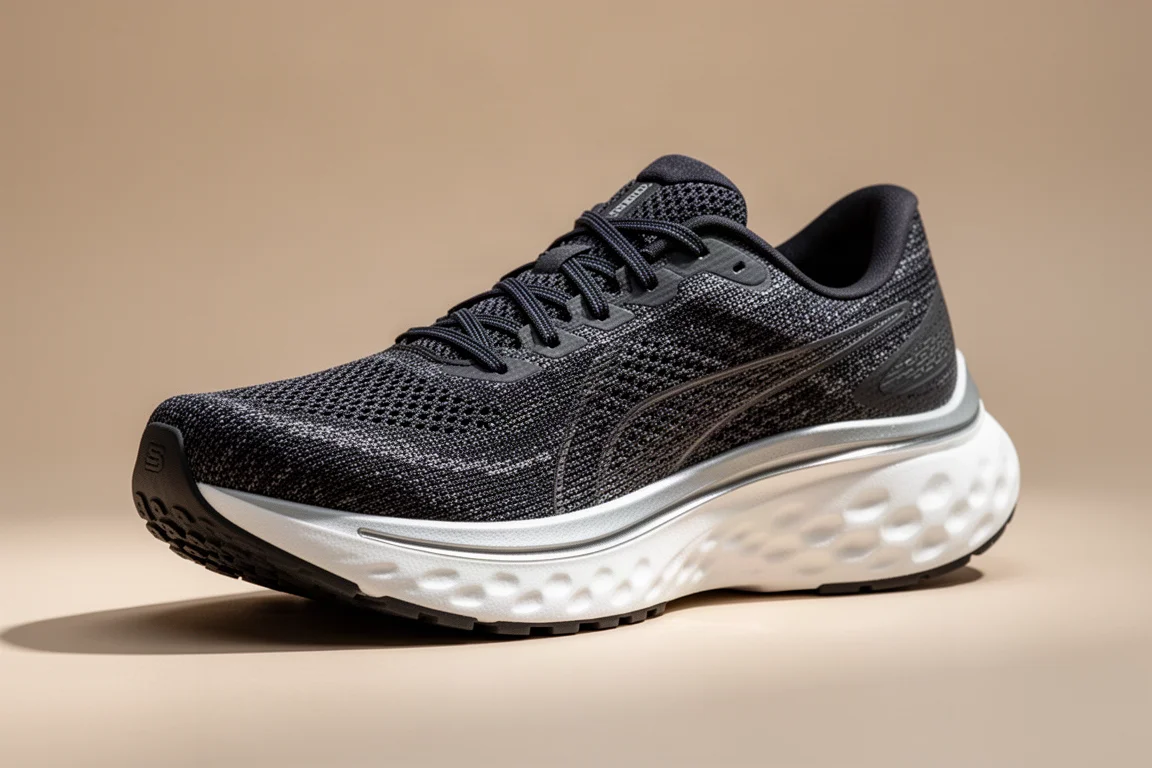
The Deviate Nitro 3 comes in about an ounce heavier than the Boston 13. It is a nicely fitting shoe, but it is by far narrower than the Adidas model and lacks the newer TPU foam up front. The forefoot is denser, without quite the same squash and compression, so the Boston 13 simply feels like it has more energy return.
Puma Grip is genuinely durable and the outsole battle ends roughly even. The Puma upper carries quite a bit more padding, but the narrow forefoot and less engaging ride put it behind the Boston. Lockdown is easy to achieve on both, though the Boston upper feels a touch thicker and may not be ideal for very warm summers. The Deviate Nitro 3 also sits close to its predecessor, which makes it harder to call a surefire upgrade. With its fast taper on the lateral toe box being a challenge for many runners, the wider Boston 13 is the easier win and suits a broader range of runners.
Adidas Adizero Evo SL vs Boston 13
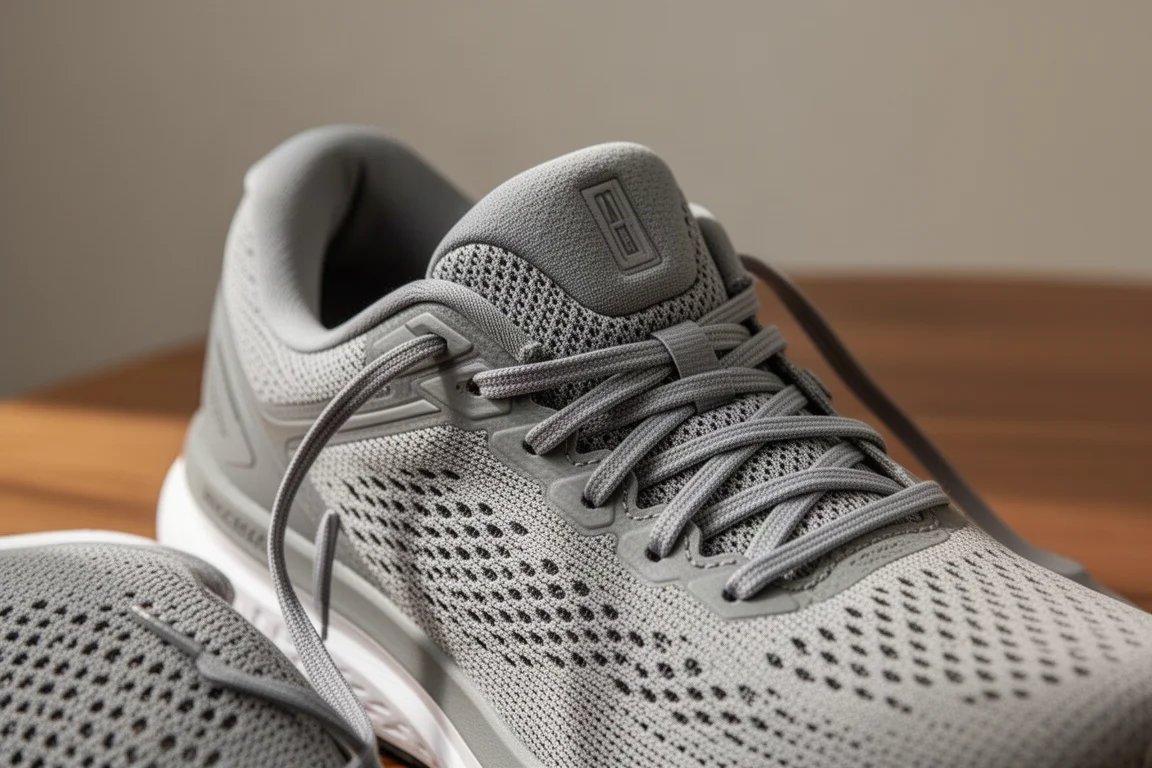
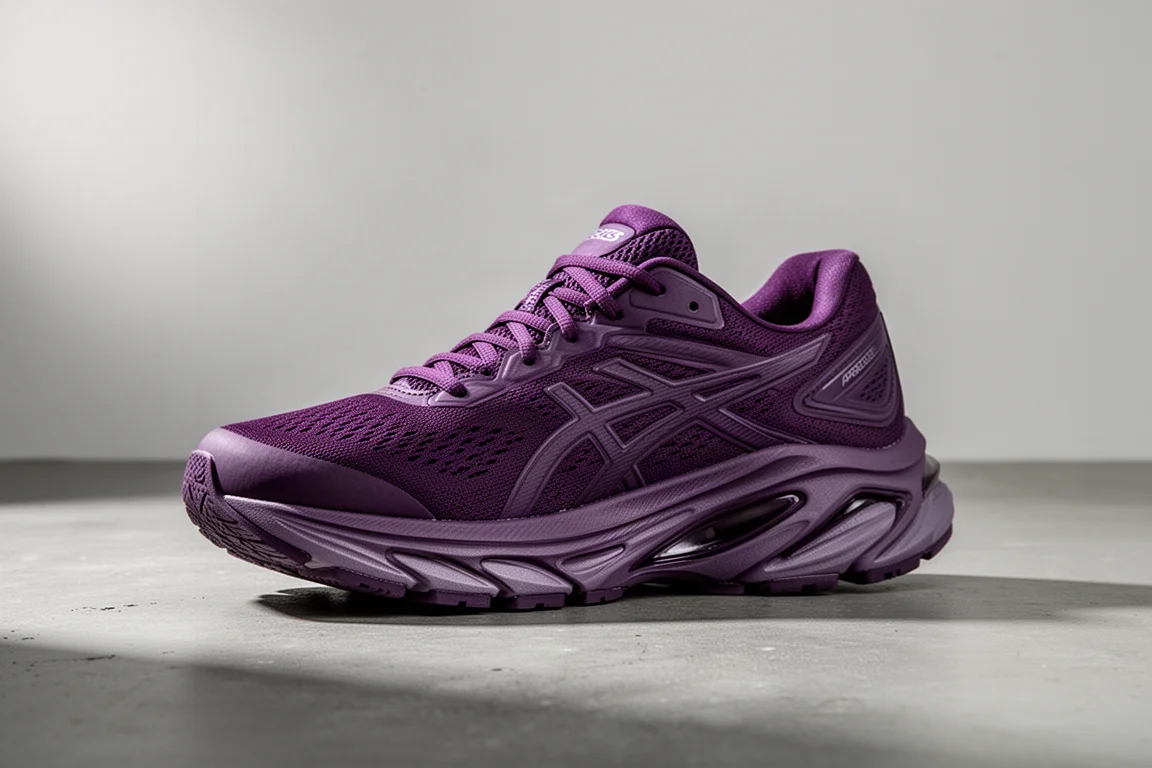
This was the most requested comparison, and with only around a tenner between the two shoes it is an interesting one. The Evo SL is lighter than the Boston 13 by an ounce and measures slightly more stack, though the forefoot measurements are the same and the difference is not hugely noticeable on foot. It is a light, nimble, carefree daily option: a fun, bouncy ride that can even double as a lifestyle shoe.
But the details let it down. The upper is less nuanced and harder to get a good lockdown in, the laces feel like a real downgrade, tongue slide kept recurring, and there is little protection on the top of the tongue for runners sensitive to lace pressure. It lacks stabilizing elements beyond a plastic torsional shank, so the Boston 13 is the more stable of the two thanks to its energy rods. The Evo SL offers around 300 miles before the foam starts to dull, which is reasonable, but the Boston 13 brings a new outsole design, better laces, a better tongue and a more natural, traditional running shoe feel. For roughly ten more, the Boston 13 is the more well-rounded option; only if weight is your absolute priority does the Evo SL make sense.
Buying Advice: Which Shoe Should You Pick?
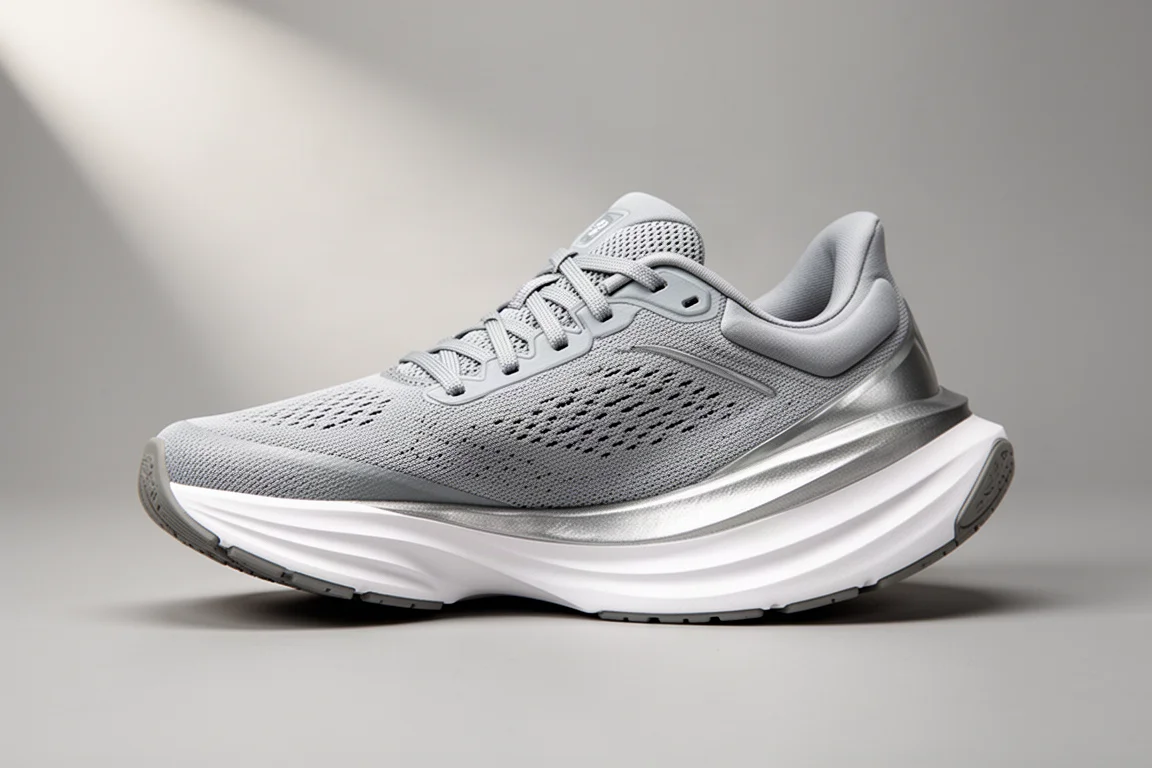
If you want the most versatile, widest-fitting trainer that works for more runners, the Boston 13 is the safe, well-rounded choice. If outright pace and a racier feel matter most, and you can live with thin laces and a slightly soft outsole, the Zoomfly 6 is the sharper tool and arguably closer to the Alphafly 3 as a racing companion. The Deviate Nitro 3 offers proven Puma Grip durability but a narrower fit and a heavier, less engaging ride. And if you chase the lowest weight and a fun, bouncy, lifestyle-friendly trainer above all, the Evo SL is the one, provided you accept its less refined upper.
Conclusion
The Adizero Boston 13 comes out of these comparisons as the best all-rounder: a wide forefoot, dependable Continental outsole, better tongue and laces, and enough pace for quality training days. The Zoomfly 6 wins when speed is the goal, the Evo SL wins on weight and fun factor, and the Deviate Nitro 3 remains a durable but narrower alternative. Match the shoe to your feet and your training, and any of them can earn a spot in the rotation.
Further reading
Related Reviews

Running Shoes
Best Road-to-Trail Running Shoes: Three Versatile Options for Mixed Terrain
A practical guide to three road-to-trail running shoes that handle both pavement and mild trails, with clear strengths and trade-offs for different runner types.

Running Shoes
Best Running Shoes for Achilles Tendonitis: Three Options Explained
Three running shoes with different heel drops and support features designed to help reduce Achilles tendon pain during walking and running.

Running Shoes
Best Running Shoes for Women: Five Top Choices Ranked
A ranked guide to five women's running shoes, from versatile daily trainers to high-performance racing options, with real strengths and trade-offs for each.