Running Shoes
Adidas Adizero Boston 12 vs Saucony Endorphin Speed 3: Which Plated Trainer Fits Your Running?
Two of the best plated training shoes compared across midsole, upper, fit, outsole and durability, with clear advice on which one suits your pace and goals.
Introduction
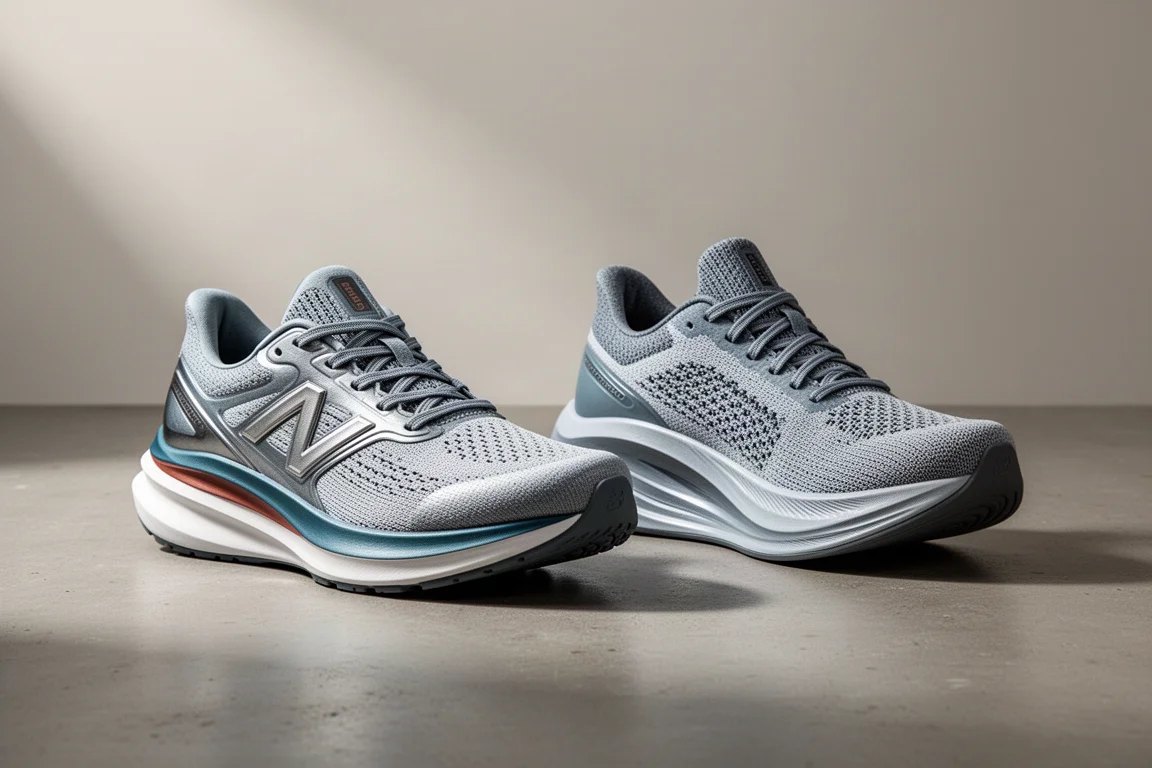
Plated training shoes occupy a sweet spot between daily trainers and out-and-out racers, and two names come up again and again in this segment: the Adidas Adizero Boston 12 and the Saucony Endorphin Speed 3. The Endorphin Speed 3 is one of the originals of the plated trainer category, while the Boston 12 is a newer entry to the segment that has quickly established itself as a serious high-mileage option.
Both are genuinely strong shoes, but they take clearly different approaches. The Boston 12 sits on the firmer, more controlled side of the spectrum, while the Endorphin Speed 3 is softer and bouncier. This comparison breaks down the midsole, upper, fit, outsole and durability of each, then finishes with clear advice on which runner each shoe is best for.
At a Glance: Spec Comparison
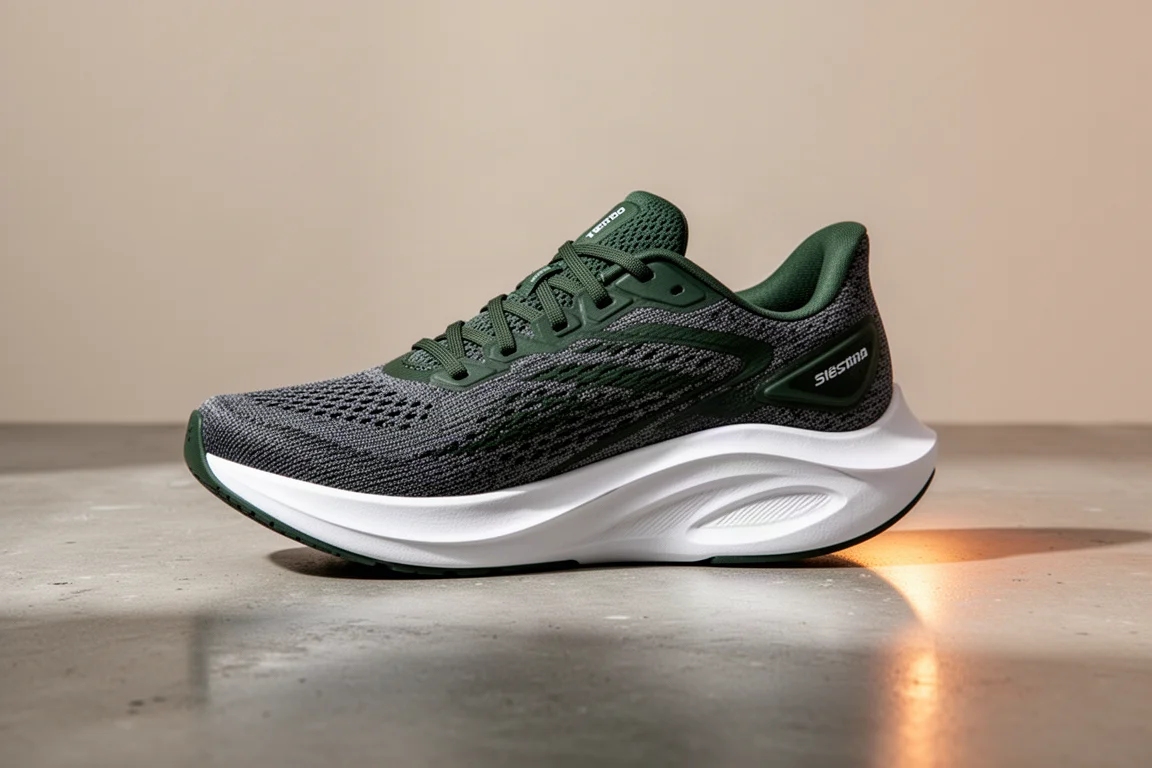
The Boston 12 is part of Adidas’ Adizero lineup, the brand’s fastest family of shoes that also includes racing models like the Adios Pro 3 and the Takumi Sen. Within that lineup, the Boston 12 is the high-mileage training option. It uses a dual foam construction with glass fiber energy rods and a Continental rubber outsole. Specs: 37 mm heel stack, 31 mm forefoot for a 6 mm drop, and 9.5 oz, which is on the heavier side for the plated training category.
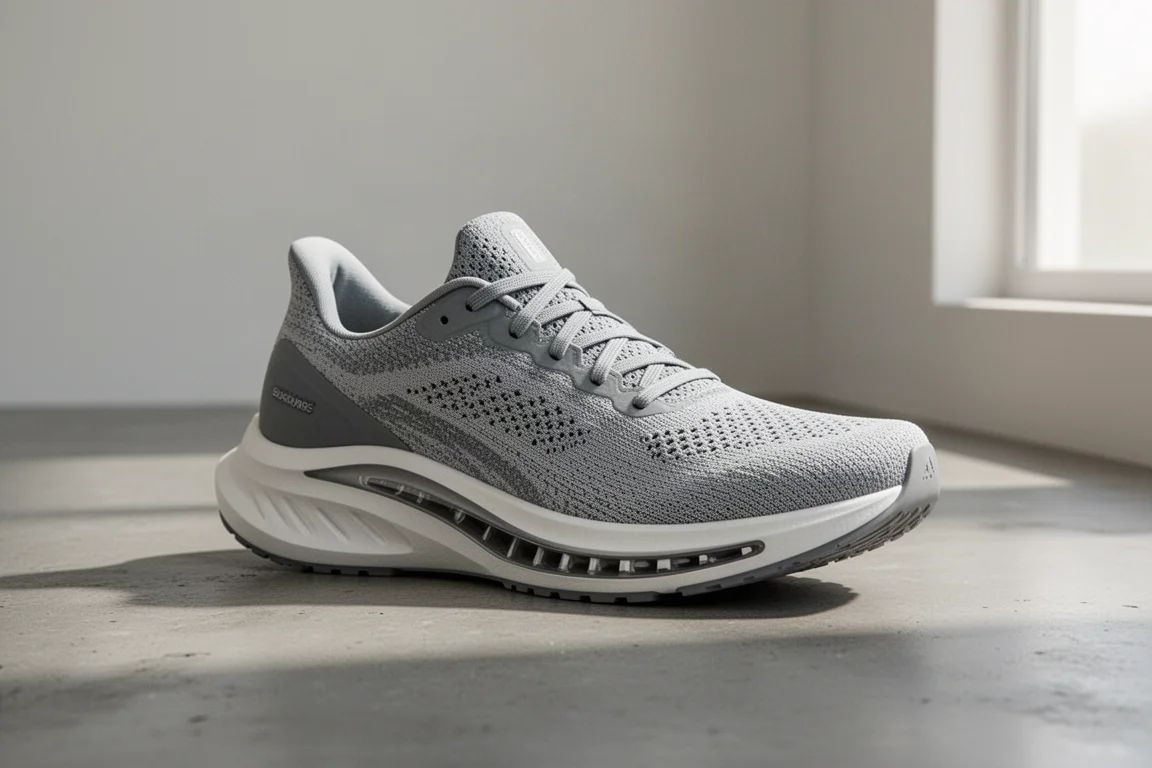
The Endorphin Speed 3 belongs to Saucony’s Endorphin series, known for big rockers and a canoe-shaped bottom that creates a rolling sensation on the run. It shares its PWRRUN PB foam with the Endorphin Pro marathon racer. Specs: 36 mm heel, 28 mm forefoot for an 8 mm drop, and 8.1 oz in a US men’s 9 sample size, a full ounce lighter than the Boston 12.
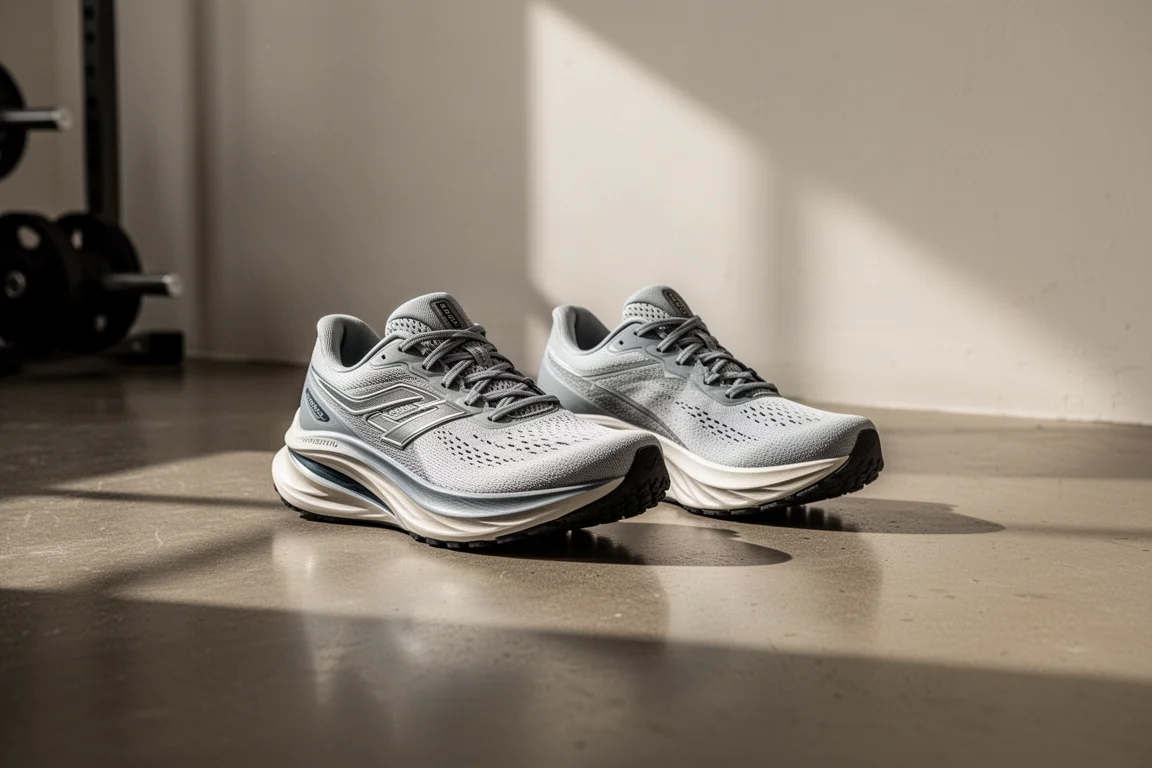
That one-ounce difference is noticeable on foot. The Boston 12 feels like a planted, heavy-duty training shoe, while the Speed 3 feels lighter and easier to turn over, not quite a racer but less serious than the Boston.
Midsole and Ride
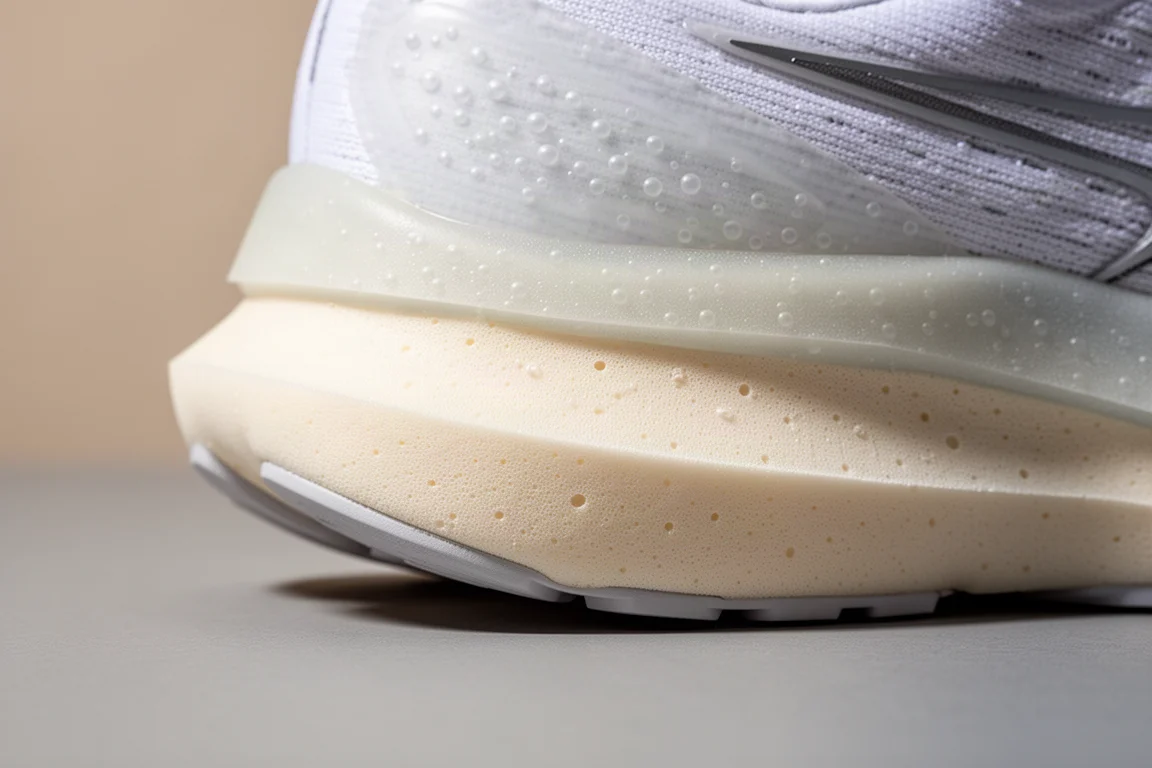
The Boston 12 uses a dual midsole: Lightstrike 2.0, an EVA-based training foam, sits underneath, while a thick stock of Lightstrike Pro, a supercritical foam, sits in the forefoot. Add the glass fiber energy rods and you get a firmer feel. The back two-thirds of the shoe barely flexes, but the forefoot is fairly flexible, which gives a nice sense of control up front.
The Endorphin Speed 3 is 100 percent PEBA foam in Saucony’s PWRRUN PB compound, the same foam found in the Endorphin Pro 3. It has a much softer feel, with a visible beaded texture in the foam and a winged nylon plate that flexes more easily than the Boston’s energy rods, making it feel less harsh underfoot.
On the run, the key difference is character. The Speed 3 is bouncy at any pace thanks to its PEBA foam and rocker, which makes easy running feel effortless but makes a slow, relaxed ride harder to control. The rocker also pushes you up on your toes and encourages forward lean and quick turnover. The Boston 12’s Lightstrike Pro only really comes alive at marathon pace or faster, and the shoe is not the friendliest at easy paces either, though it does not punish slow running the way the Speed 3 can.
In terms of stability, both have mildly stabilizing elements: the Boston 12 has a wider, chunkier EVA heel for planted landings, while the Speed 3’s nylon plate adds structure through the midfoot. The Boston is more planted on landings, but upper lockdown issues hurt its cornering, an area where the more nimble Speed 3 feels better. The Speed 3 also gained a slightly wider base than the Speed 2, so runners who found the previous version narrow may want to give it another look.
Upper, Fit and Lockdown
Both uppers are breathable, but the Boston 12 feels more constricting on the foot. Lockdown is the biggest issue with the Boston: it required re-tying at least twice on every run in testing, and the heel is very unstructured and easy to collapse.
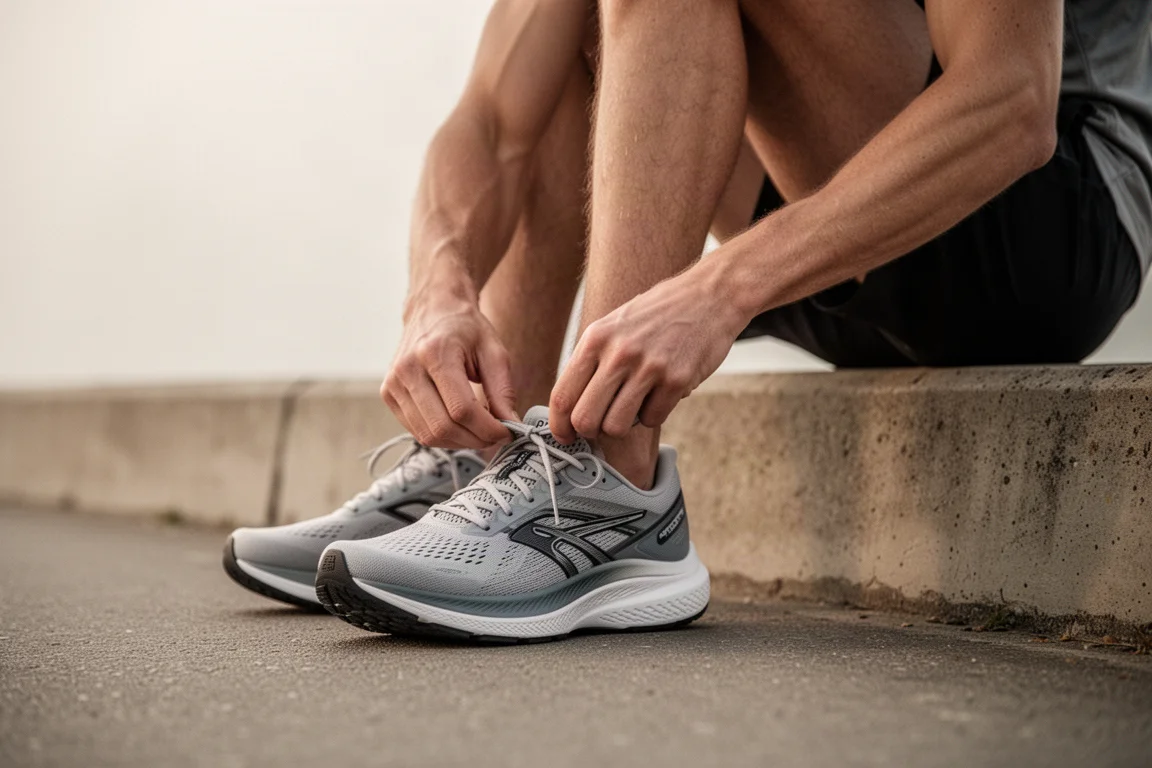
The Endorphin Speed 3 has a touch more stretch in its upper and softer laces, which makes it easy to crank down for a genuinely solid lockdown. Its heel lockdown is excellent thanks to a structured heel cup, a clear contrast to the Boston’s collapsible rear.
On fit, the Speed 3 runs narrow in the forefoot, tight enough to pinch even standard-width feet, while the Boston 12 is the better choice for wider feet, even though its midfoot is tighter. Overall the Speed 3 takes the upper matchup, with the caveat that a wider forefoot would make it even more accommodating.
Outsole and Durability
Here the Boston 12 wins with no contest. Its Continental rubber, known for grip and resistance on wet and slick roads, is applied in thick, comprehensive slabs with no cutouts in the heel or forefoot. That makes it a strong pick for winter, icy and wet conditions.
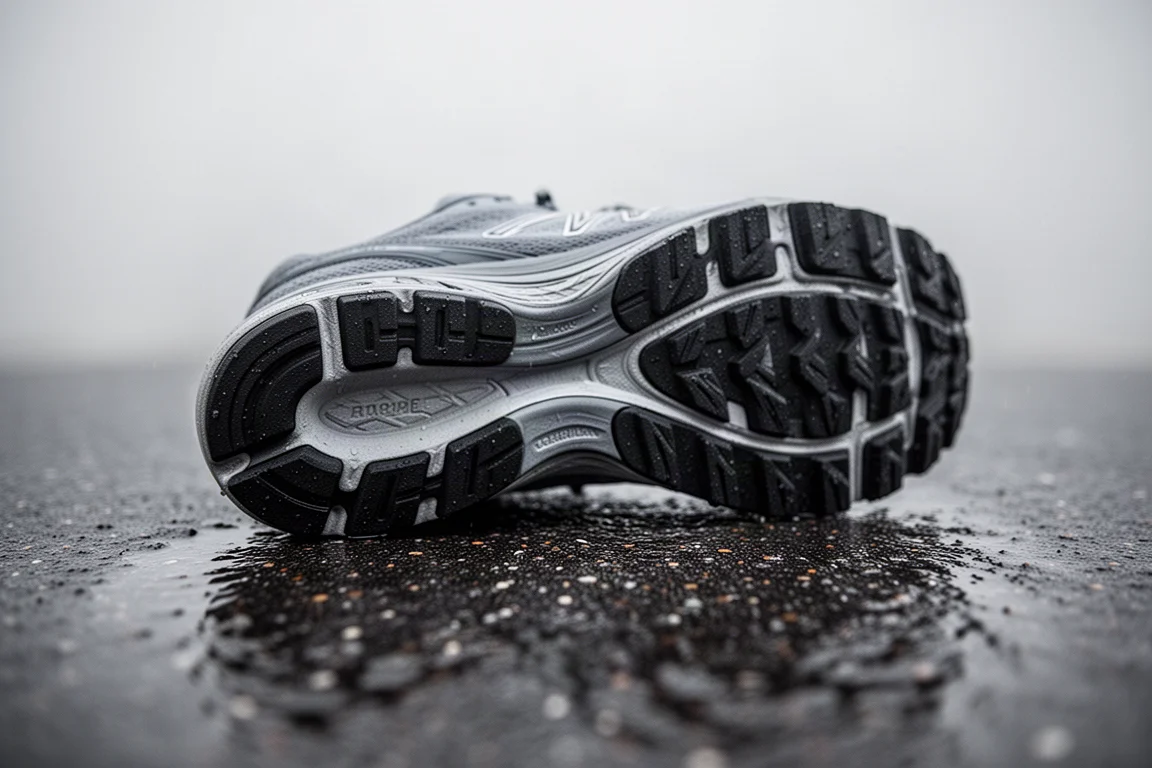
The Endorphin Speed 3 uses Saucony’s XT-900 rubber in strategically placed patches with major gaps in the forefoot. It performs acceptably with no slipping issues, but in testing the rear rubber wore through at about 300 miles on both pairs owned. Expect standard durability from the Speed 3 and slightly above-average durability from the Boston 12.
Which Shoe Is Best for You
Choose the Boston 12 if you like a firm, controlled ride; choose the Endorphin Speed 3 if you want a fun, bouncier, softer feel. The Boston rides more like a trainer, while the Speed 3 leans toward racing shoe territory thanks to its lighter weight, but the Boston is the better overall workout shoe.
Faster runners targeting a sub-3-hour marathon will get more from the Boston 12, since the Lightstrike Pro feels best when activated at faster paces under heavier force. At sub-6-minute pace, the Speed 3’s softer PWRRUN PB bottoms out a little, making it less appealing for 5K pace and fast repeats.
The Speed 3, on the other hand, is a great long run shoe for efforts at marathon pace or slower. If you want a do-it-all option that handles marathon pace, long runs and faster work, the Boston 12 is the pick. Pricing is close: the Endorphin Speed 3 is $170 and the Boston 12 is $160, so let ride preference and your typical paces drive the decision. Firm and fast, Boston 12. Soft and fun, Speed 3.
Conclusion
The Adidas Adizero Boston 12 and Saucony Endorphin Speed 3 are both excellent plated trainers, but they serve different runners. The Boston 12 is the firmer, more durable, more versatile workout shoe that rewards faster paces, while the Speed 3 is the lighter, bouncier option that makes long runs and easy efforts feel effortless. Match the ride character to your training and you will be happy with either.
Further reading
Related Reviews

Running Shoes
Best Road-to-Trail Running Shoes: Three Versatile Options for Mixed Terrain
A practical guide to three road-to-trail running shoes that handle both pavement and mild trails, with clear strengths and trade-offs for different runner types.

Running Shoes
Best Running Shoes for Achilles Tendonitis: Three Options Explained
Three running shoes with different heel drops and support features designed to help reduce Achilles tendon pain during walking and running.

Running Shoes
Best Running Shoes for Women: Five Top Choices Ranked
A ranked guide to five women's running shoes, from versatile daily trainers to high-performance racing options, with real strengths and trade-offs for each.