Running Shoes
Adidas Adizero Boston 12 vs Boston 10: A Meaningful Upgrade for Faster Training
The Boston 12 is lighter, softer and more fluid than the Boston 10, but the older shoe still holds some advantages. Here's how the two plated trainers compare.
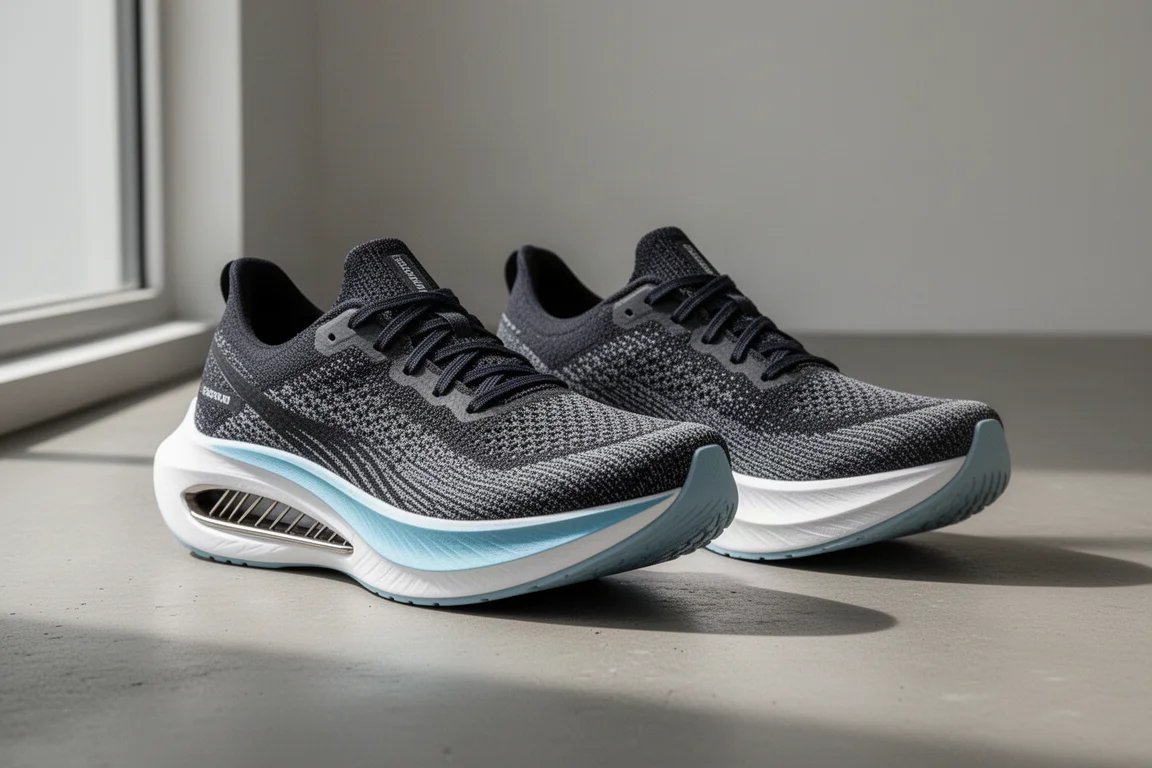
Introduction
The Adidas Adizero Boston has a long history as a favourite among serious runners: once a lightweight, cushioned fast training and racing shoe, and one of the best marathon options in its early days. The Boston 10 reinvented it as a max-stack daily trainer, and the Boston 10 and 11 were very similar shoes.
The Boston 12 is Adidas’s response to the criticism aimed at those previous versions, and the changes are significant. This comparison looks at how the new shoe differs from the Boston 10, and who each shoe suits best.
First Run Impressions
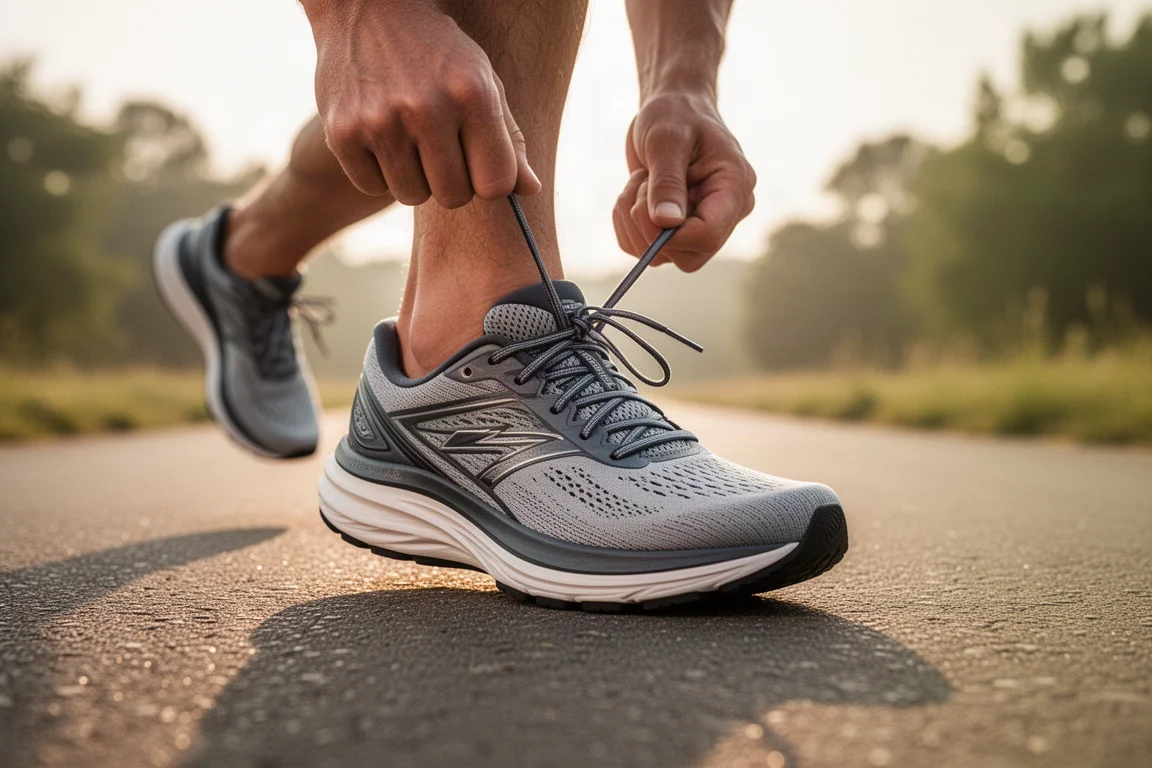
Out of the box, the Boston 12 feels softer and bouncier than the Boston 10, with a smoother transition between paces. On easy sections it still feels slightly blocky, but it softens up as the run goes on and breaks in further. At faster paces the difference is much more pronounced: pickups and strides felt smooth and lively, with a nice pop from the rods.
The Boston 10, by comparison, felt solid, stable and comfortable on easy running, but a bit much when the pace picked up.
Midsole and Ride Feel
Both shoes use a dual-density midsole with Lightstrike Pro on top and Lightstrike EVA beneath, but the Boston 12 gets the updated Lightstrike 2.0, which is lighter and softer than the foam in the Boston 10. The softer forefoot wedge creates a fluid roll onto the Lightstrike Pro layer, a nice ping from the rods, and a less jarring transition when running fast.
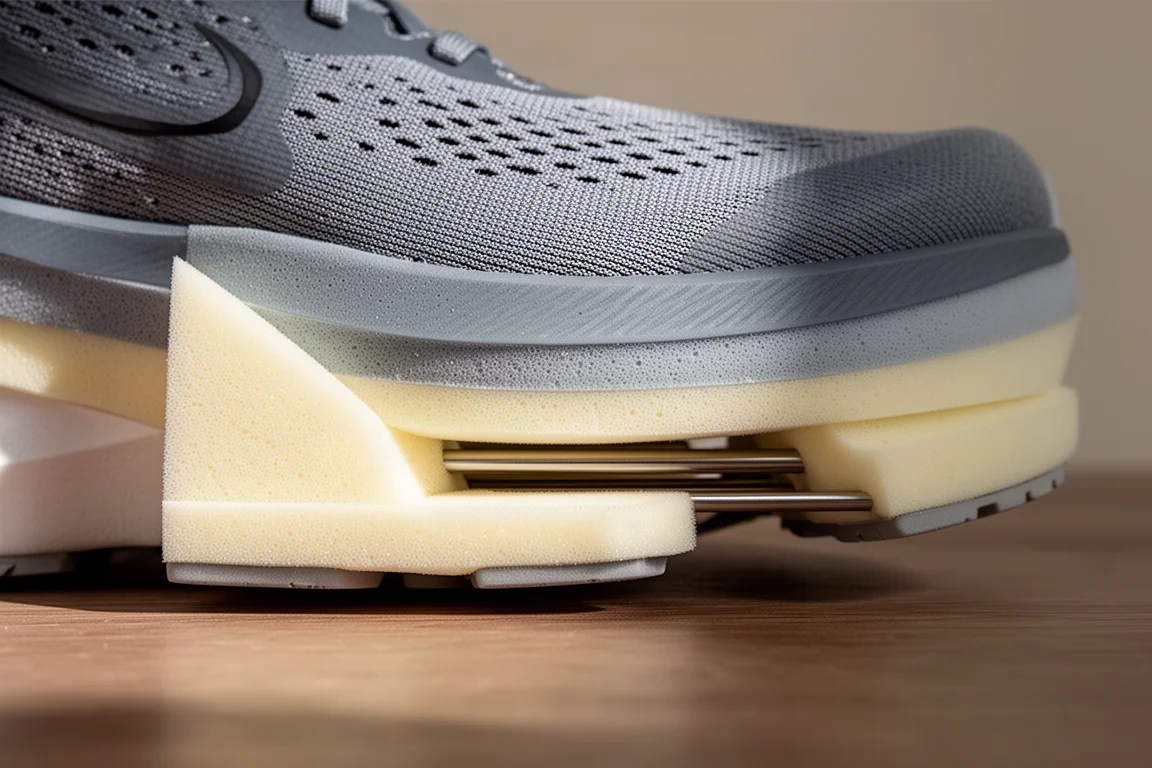
The energy rods are also updated to version 2.0, glass fibre infused rather than the thick carbon rods used in the Adizero Adios Pro. The outsole remains Continental rubber with good forefoot coverage and two large rubber strips at the rear, and the thick layer of rubber is impressive for such a lightweight shoe, promising good grip and durability.
Weight, Stack and Fit
The stats tell the story of the redesign. The Boston 12 costs £140 in the UK and $160 in the US, and weighs 259g (9.1 oz) in a UK 9 / US 9.5. That is even lighter than the official listed weight, which is rare, and roughly 40g lighter than the Boston 10’s 296g in the same size.
Stack height has changed too: the Boston 12 has 38mm at the heel and 31mm at the forefoot for a 7mm drop, versus the Boston 10’s 39.5mm heel, 31mm forefoot and 8.5mm drop. Adidas reduced the drop by lowering the heel while keeping the same forefoot cushioning.
The upper is the most noticeable change. The Boston 12 uses a much lighter, thinner mesh with fewer overlays, no suede toe bumper, a less gusseted tongue, and less padding and support at the heel. The Boston 10’s upper was thicker, more hugging and more comfortable, and offered a bit more support at easy paces. On the fit, the Boston 12 fits true to size in a UK 9 / US 9.5 / EU 43.5. It is not a wide shoe, but it is less narrow than past versions, with enough toe box room. One caveat: the new heel design with two strips of padding and a gap at the back has caused heel rubbing in other shoes, so heel locking the laces from day one is recommended.
Boston 12 vs Boston 10: Side by Side
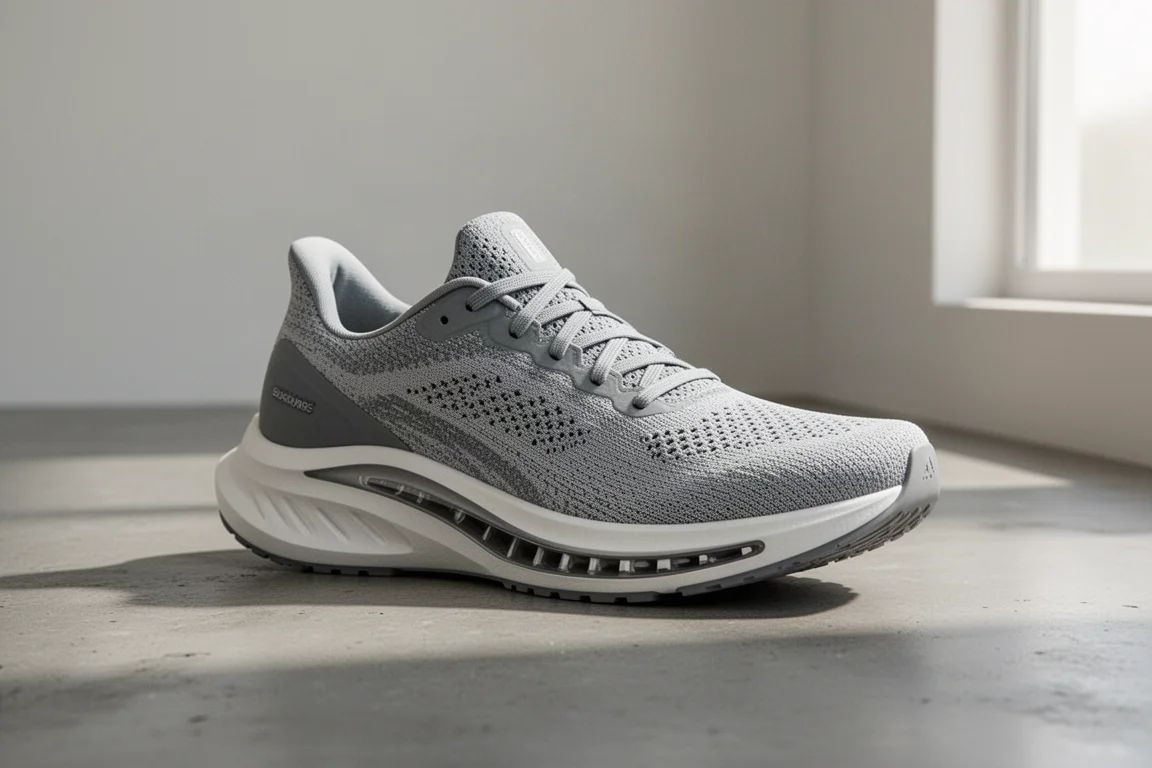
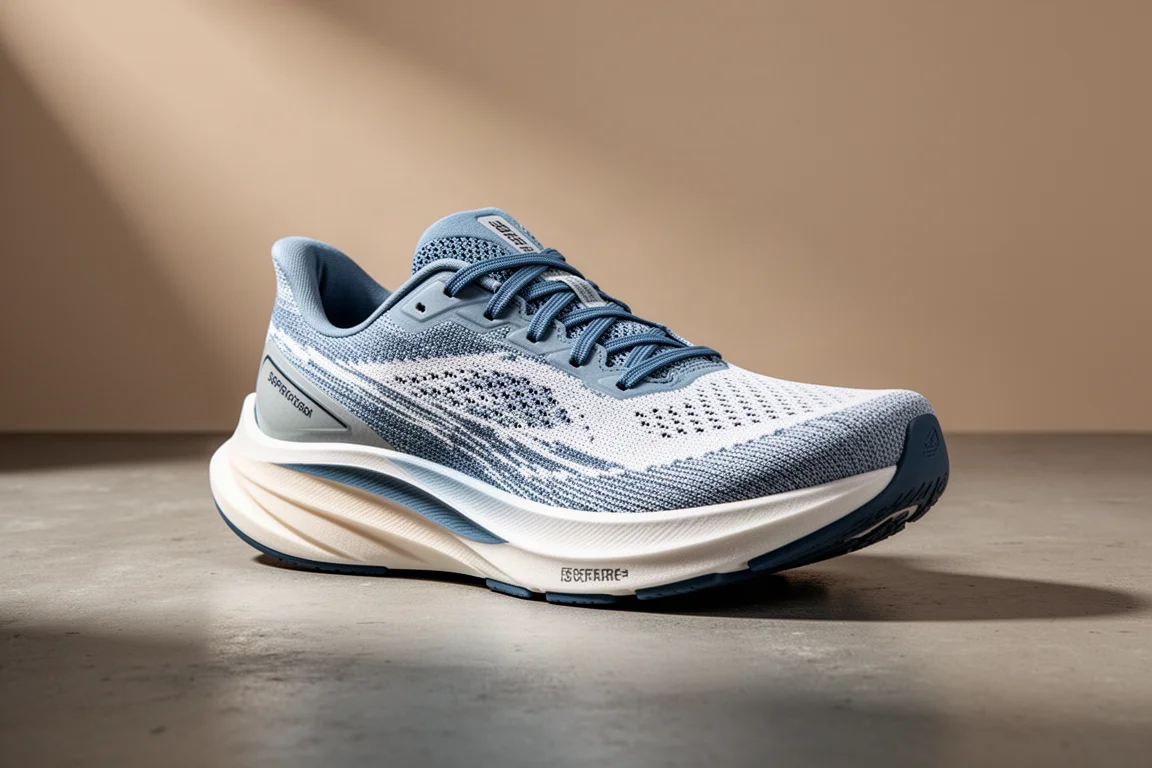
Running in both shoes in the same session made the differences clear. The Boston 12 is much lighter and nimbler, with an upper that feels barely there, especially at faster paces. It is softer, more fluid and slightly bouncier at both slow and quick paces, an upgrade across the board.
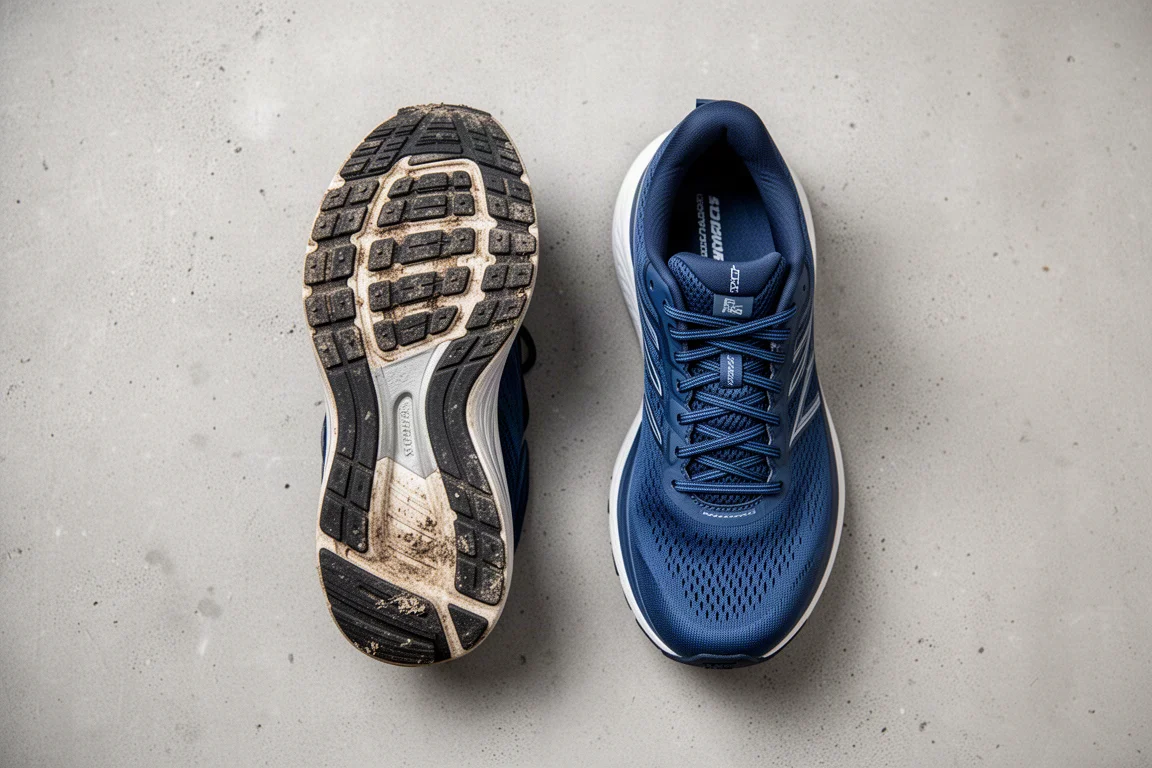
The Boston 10 still earns credit for its snug, well-cushioned heel fit, and it offers a bit more upper support when moving at slower paces. It is a denser, bigger, slightly blockier shoe, especially when running quickly, but with plenty of miles it broke in nicely and felt reassuring and versatile, a favourite for chunking out long runs.
Buying Advice
The Boston 12 looks like a significant improvement for runners who want a slightly faster, softer feel from a plated daily trainer, while retaining much of the stability and built-up support that made the Boston 10 popular. It should also hold up well as a long run shoe at good paces, though the new heel design makes long-run testing essential.

Choose the Boston 12 if you value weight, pace versatility and a smoother ride. Consider the Boston 10 if you prioritise a plush, supportive upper and heel comfort, particularly at easier paces.
Conclusion
The Boston 12 keeps what worked about the Boston 10 and fixes a lot of what did not: it is lighter, softer, and noticeably more fluid at speed. The trade-offs are a less padded upper and a heel design worth watching. For most runners shopping in this category, the Boston 12 is the one to buy.
Further reading
Related Reviews

Running Shoes
Best Road-to-Trail Running Shoes: Three Versatile Options for Mixed Terrain
A practical guide to three road-to-trail running shoes that handle both pavement and mild trails, with clear strengths and trade-offs for different runner types.

Running Shoes
Best Running Shoes for Achilles Tendonitis: Three Options Explained
Three running shoes with different heel drops and support features designed to help reduce Achilles tendon pain during walking and running.

Running Shoes
Best Running Shoes for Women: Five Top Choices Ranked
A ranked guide to five women's running shoes, from versatile daily trainers to high-performance racing options, with real strengths and trade-offs for each.