Running Shoes
Adidas Adizero Boston 12 Long Run Review: A Trainer That Gets Better With Miles
Ten miles of testing on the Adidas Adizero Boston 12 reveals a shoe that softens up, gains pace, and rewards a bit of patience before racing days.
Introduction
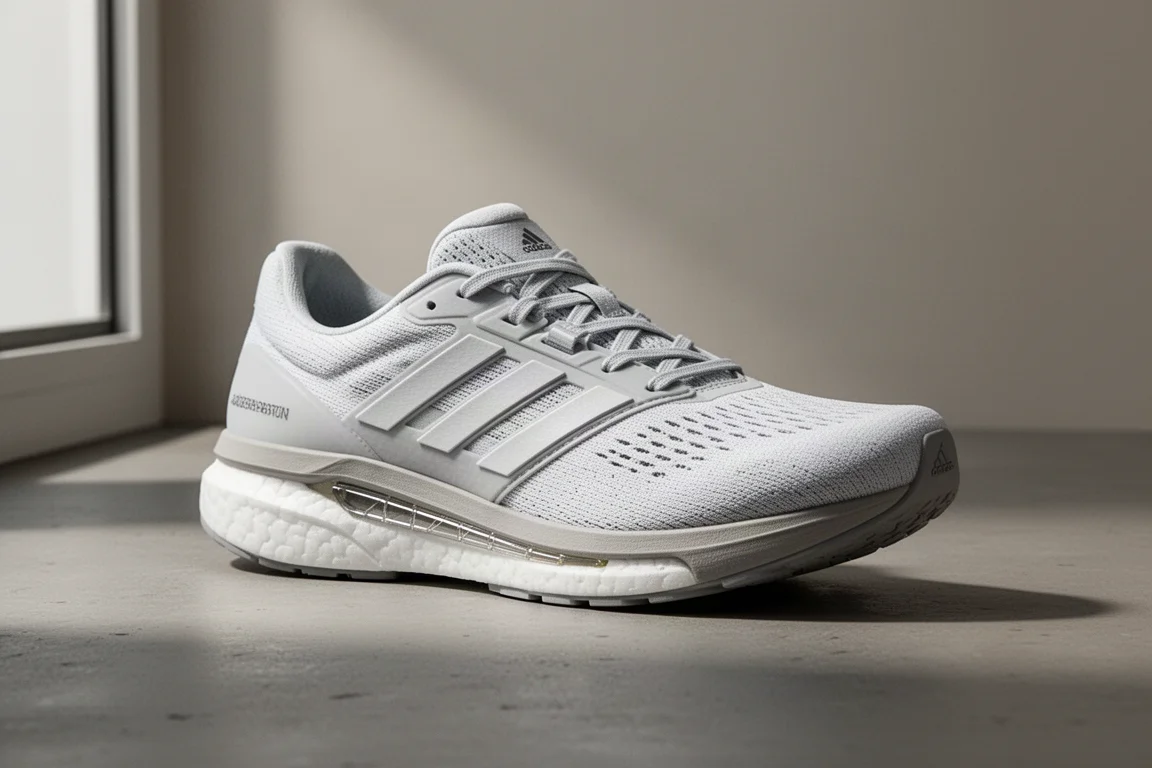
The Adidas Adizero Boston 12 sits in that tricky middle ground between daily trainer and race shoe, and after a ten-mile test effort it has become clear that this is a shoe with a personality that develops over time. It is not an instant-gratification ride. The midsole needs breaking in, and once it softens up, the whole experience changes for the better.
This review is based on a longer run of about ten miles (16.2 km) with roughly 466 feet of elevation, run in cool, dry UK conditions around 11 degrees Celsius. The pace was held at a sustainable eight minutes per mile for the first seven and a half miles, then ramped up to around 6:50 per mile, roughly half marathon effort, for the final two and a half miles to see how the shoe handled faster running.

Who This Product Is For
The Boston 12 is aimed at runners who want one shoe that can carry steady training miles and still respond when the pace climbs. It is not designed as a short-distance blaster. Think of it as a shoe that starts to sing at half marathon or marathon pace and fits best in the ten-plus mile range, similar in character to the Hoka Rocket X2 in that respect.
If your typical week includes longer sustained efforts and you value durability over plushness, this shoe makes a lot of sense. If you want a maximally soft, sink-in ride for easy miles, there are better options elsewhere.
Upper and Fit
The upper was one of the strongest parts of the long run. Using toe socks, there was enough room in the toe box to avoid any rubbing, blisters, or hot spots, and the feet felt good at the end of the effort. The side panels that wrap around the foot on both the lateral and medial sides hold everything in place, and this upper worked noticeably better than the ones on the Adios Pro 3 and the Boston 10.
The lacing arrangement with eyelets and lace loops is unconventional, and not everyone will like it, but it allows a very precise dial-in of the fit. It also makes it easy to keep lace tension away from the area at the back of the shoe where the padding stops. That gap is the one real gripe: a stone lodged in the uncovered section at the rear of the shoe on a loose-stone route, requiring a stop to remove it. The pull-tab at the heel did not prevent it, so keep that in mind if your routes include loose gravel.
The width held up well as the feet swelled slightly over the distance, which matters when a long run represents a meaningful chunk of weekly mileage. A comfortable upper that lets you keep training consistently, with no blisters or skin discomfort afterward, is exactly what you want from a trainer like this.
Midsole: Softens In, Then Comes Alive
The midsole is where the Boston 12 rewards patience. Out of the box there is definite break-in needed, which is common across recent Adidas running shoes. The Lightstrike combo foams flex and bed in over the first runs, and the shoe becomes noticeably more forgiving at steady pace.
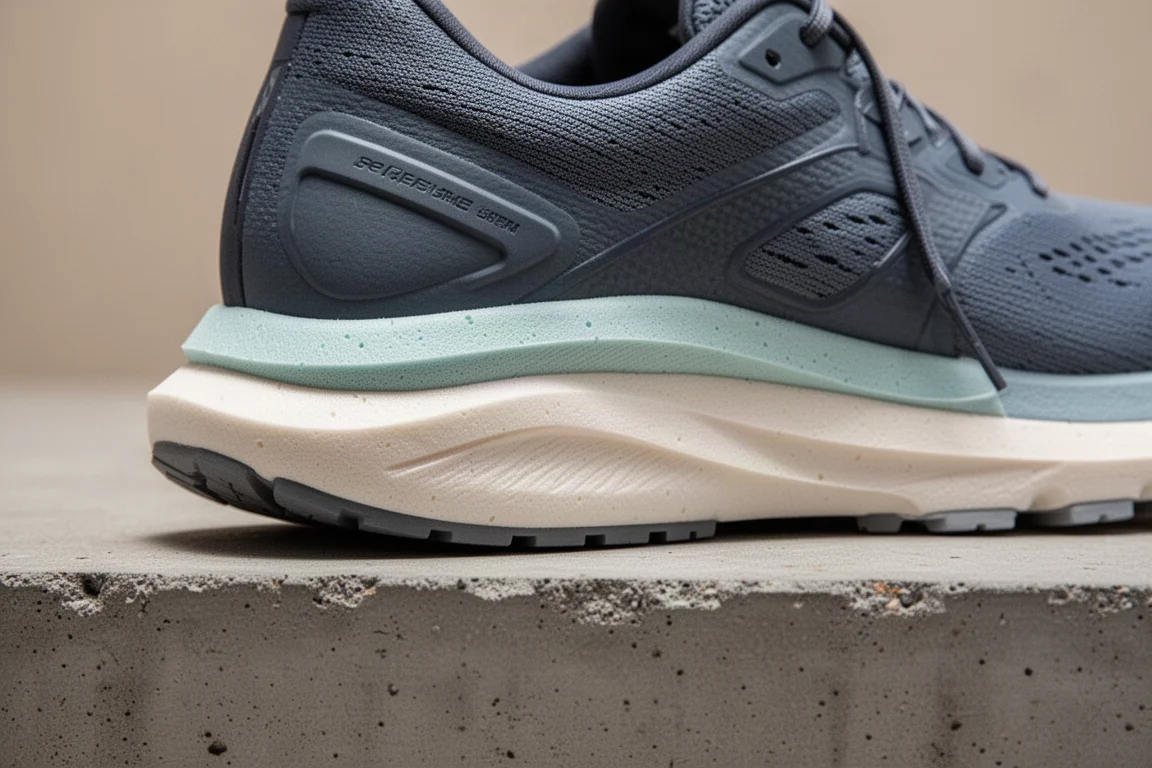
Once the pace lifts, the shoe genuinely comes to life. The increased amount of Lightstrike Pro under the forefoot softens under load and feels fantastic when you push on, while the softer Lightstrike 2.0 in the heel gains a bit of give and becomes more forgiving. The reduced weight compared to predecessors also makes it easier to turn the legs over and raise the cadence.
To be clear, this is not a marshmallow ride. It remains reasonably firm and responsive, in the same family as standard Lightstrike rather than something like a max-soft trainer. That is the right call here: the foam provides stability, lightness, and durability, with some spring and bounce rather than a squashy feel that would fade quickly. In terms of training-shoe character, it sits close to the Puma Deviate Nitro 2, with the composite plate being the main difference. Where the Puma plate is more present underfoot, the Boston 12 uses glass fiber rods that add rigidity and a nice rolling feel, letting you push into the stride without the foam simply collapsing.
Outsole and Grip
The outsole is classic Adidas. The sticky Continental rubber keeps improving run after run and is easy to clean out with a stiff bristle brush. Rubber is limited to the key zones, with the lateral heel smoothed off and the important forefoot area covered in tire-like Continental grip, which should translate into strong long-term durability. Adidas outsoles consistently wear well, and there is no reason to expect anything different here.
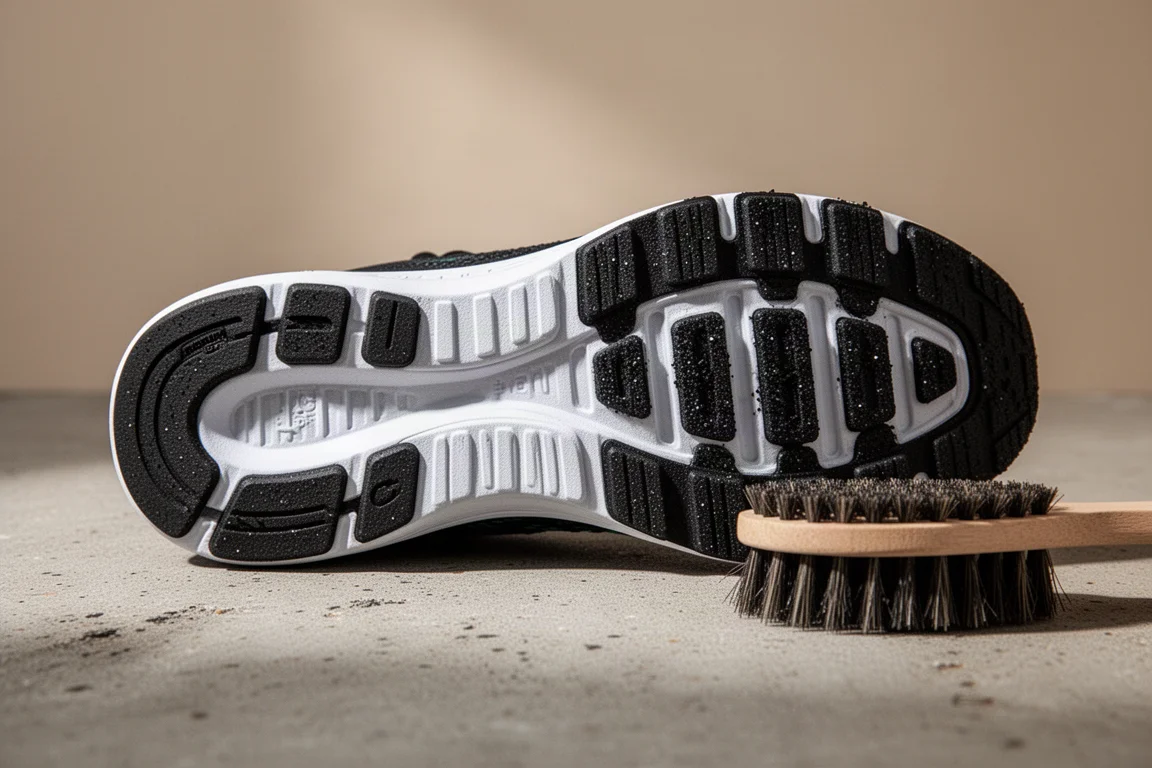
One clear limitation: keep this shoe off trails, especially anything with loose rocks or stones. The energy rods are exposed in places, and damaging one mid-run would be a serious problem.
Buying Advice
If you pick up a pair, do not expect instant results. Get them on around the house and put a few shorter runs in first to soften the midsole up. The shoe gets more comfortable and broken in with each effort, and on the test run it simply kept getting better.

This is a shoe for steady long miles with the ability to handle half-marathon-pace surges, rather than a 5K or 10K race weapon. On dry roads and pavement it performs very well, and the durability story makes it a sensible pick for runners who want longevity from their training shoe.
Conclusion
The Adizero Boston 12 is a trainer that grows on you, quite literally, as the midsole breaks in. The upper is comfortable and precise, the ride transitions from steady to quick without complaint, and the Continental outsole should hold up over the long term. Accept the break-in period, respect its road-only limits, and it makes a compelling option for runners whose training centers on longer, sustained efforts.
Product link
View more details for Adidas Adizero Boston 12
This product is mentioned in the review. Check the specifications, options, and compatibility before buying.
View more details for Adidas Adizero Boston 12Further reading
Related Reviews

Running Shoes
Best Road-to-Trail Running Shoes: Three Versatile Options for Mixed Terrain
A practical guide to three road-to-trail running shoes that handle both pavement and mild trails, with clear strengths and trade-offs for different runner types.

Running Shoes
Best Running Shoes for Achilles Tendonitis: Three Options Explained
Three running shoes with different heel drops and support features designed to help reduce Achilles tendon pain during walking and running.

Running Shoes
Best Running Shoes for Women: Five Top Choices Ranked
A ranked guide to five women's running shoes, from versatile daily trainers to high-performance racing options, with real strengths and trade-offs for each.