Running Shoes
Adidas Adizero Boston 12 vs Puma Deviate Nitro 2, ASICS SuperBlast and Saucony Endorphin Speed 3
How the Boston 12 stacks up against three popular daily trainers: softness, rigidity, fit, outsole durability and who each shoe really suits.
Introduction
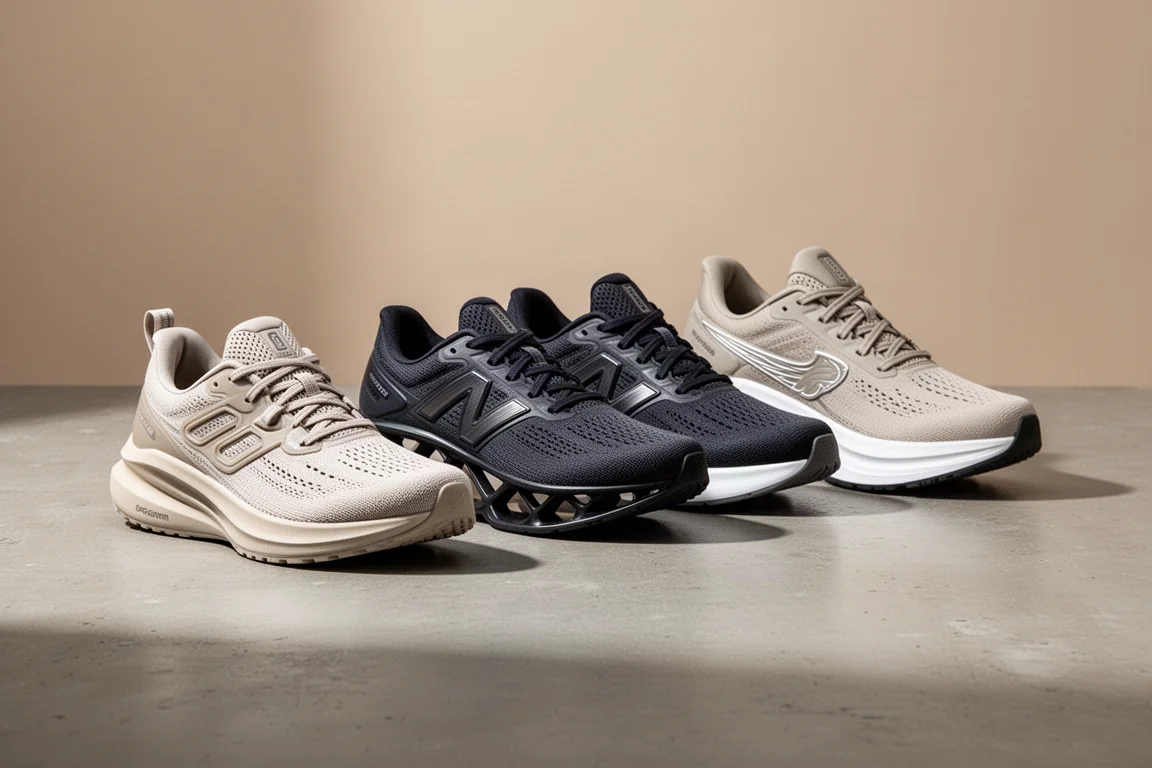
Few comparisons get requested as often as this one. The Adidas Adizero Boston 12 sits in a busy part of the market, and the three shoes it gets matched against most often are the Puma Deviate Nitro 2, the ASICS SuperBlast and the Saucony Endorphin Speed 3. All four share a similar brief: cushioned, versatile trainers with some structure underfoot, aimed at runners who want one shoe that can do a bit of everything.
The interesting part is how differently they go about it. Some lean soft, some lean firm, and one plays in a class of its own entirely. Here is how they break down.
Vs Puma Deviate Nitro 2
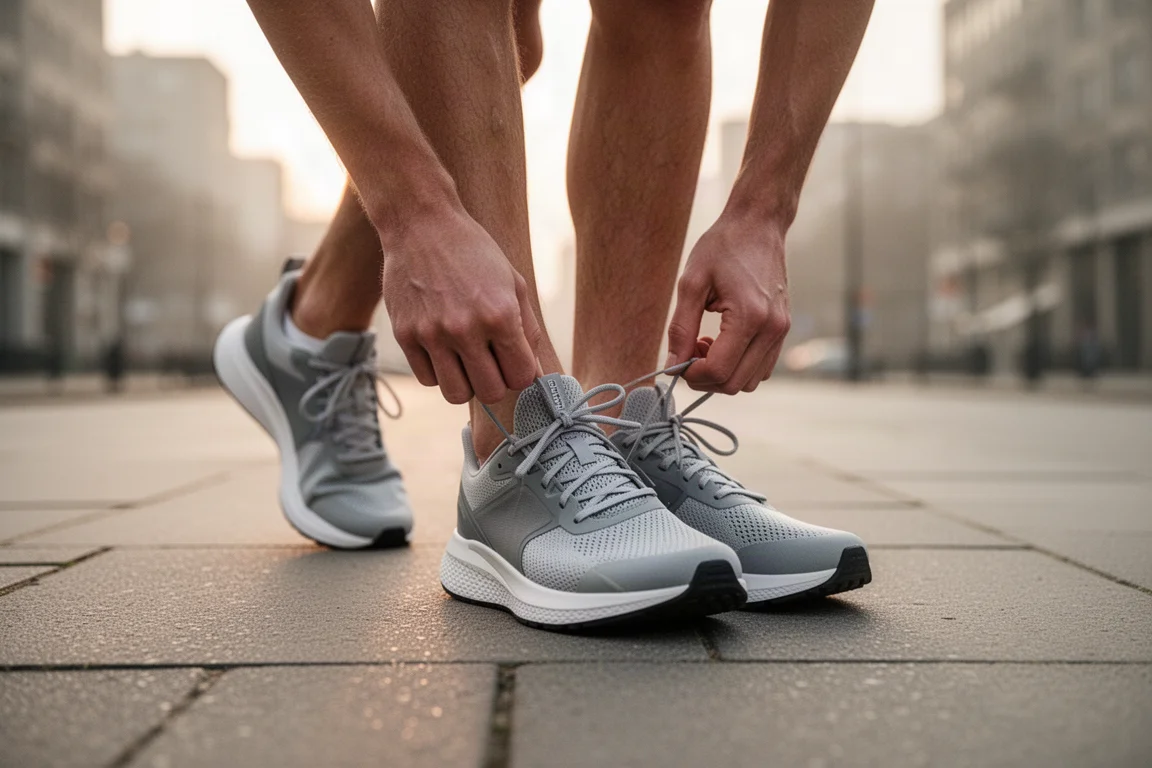
On paper, these two are near twins. The midsole stack heights in heel and forefoot are within about a millimetre of each other, the heel-to-toe drop is very similar, and the weights are close too. They even sit in roughly the same price range, which is exactly why this matchup comes up so often.
The differences show up in the details. The Deviate Nitro 2 uses a forked plate, while the Boston 12 relies on glass fibre energy rods. In practice, the Puma feels a little more flexible, largely because its Nitro and Nitro Elite foams are more compressive, while the Boston 12 runs the firmer Lightstrike Pro and Lightstrike 2.0 blend. If you want softness, the Puma has the edge. If you want a slightly firmer, more aggressive ride, the Adidas does that.
Up top, the Boston 12 is more breathable, especially in the toe box, and offers more width for anyone with a slightly wider foot. The Puma tapers noticeably on the lateral side of the toe box and uses a more traditional eyelet setup, which traditionalists may actually prefer over the Boston 12’s lace loops. The Puma’s rear upper is also much more heavily padded, worth considering if you run in warm or humid conditions. The Boston 12 needs some miles to break in, while the Puma feels good straight out of the box.
In both shoes, the plate and rods seem to exist mainly for stability and a more consistent midsole feel rather than outright propulsion. Neither is a true propulsion device.
Overall there is very little between them, and the choice comes down to fit and feel. If pure midsole softness and out-of-the-box comfort matter most, the Puma is the way to go. The Boston 12 rewards patience and suits longer efforts.
Vs ASICS SuperBlast
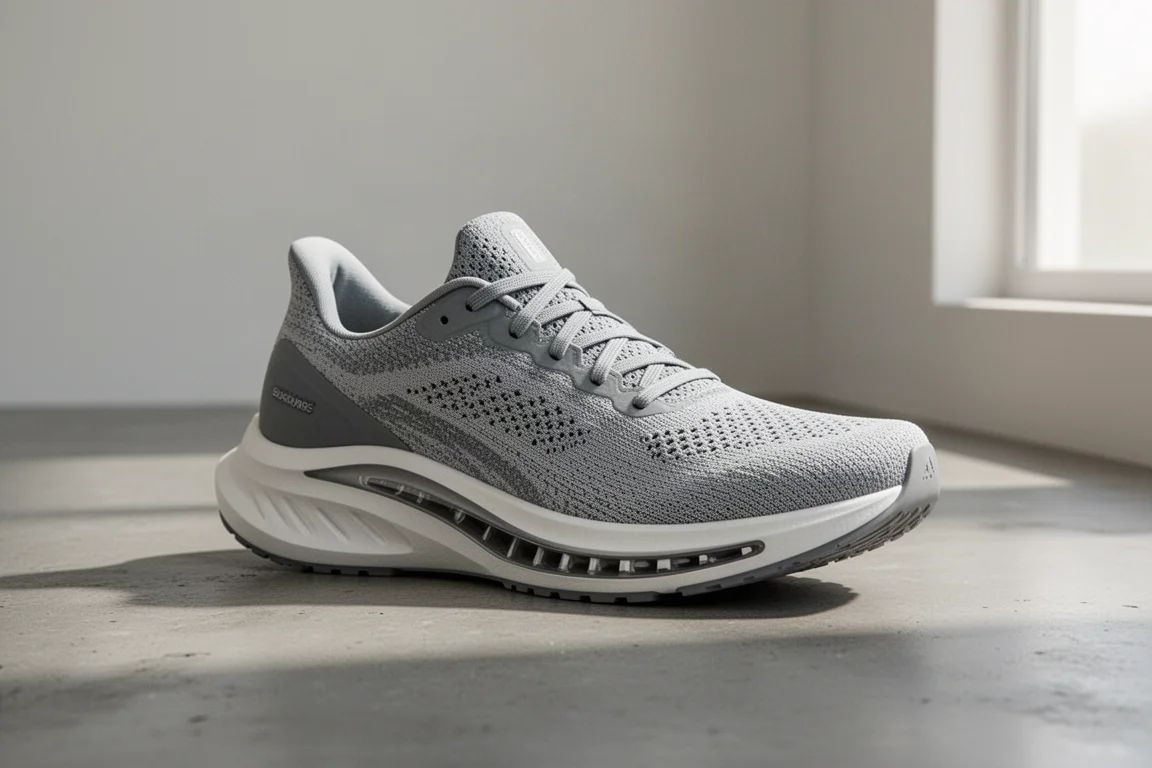
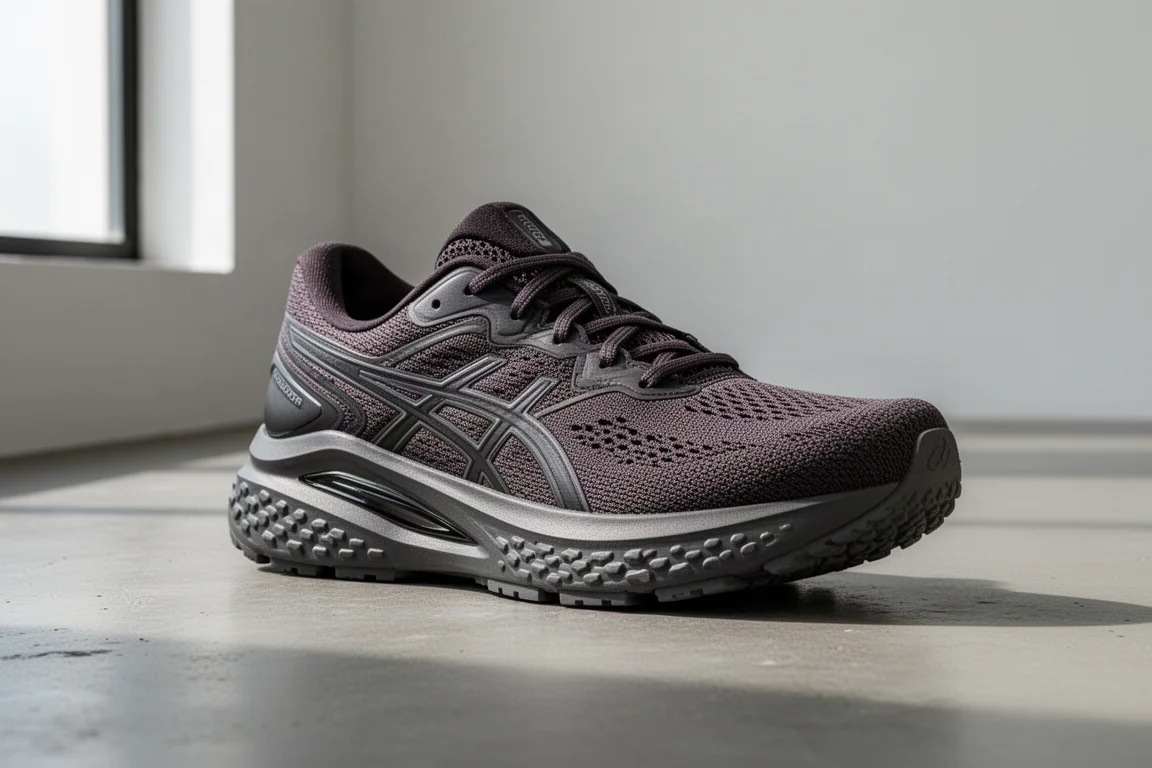
These two are very different shoes for very different purposes. The SuperBlast pairs a tall FF Turbo midsole, which is resilient and by no means squashy, with a thin sliver of FF Blast Plus underneath. The result is one of the most forgiving and enjoyable rides available right now, somehow leaving legs and feet feeling fresh.
The SuperBlast also offers roughly a centimetre more width in the forefoot and heel at the widest point, has no plate at all, and its more flexible upper is still very breathable. Despite all that extra midsole material, it comes in lighter than the Boston 12, if only by 14 grams. It is nimble, light and remarkably versatile.
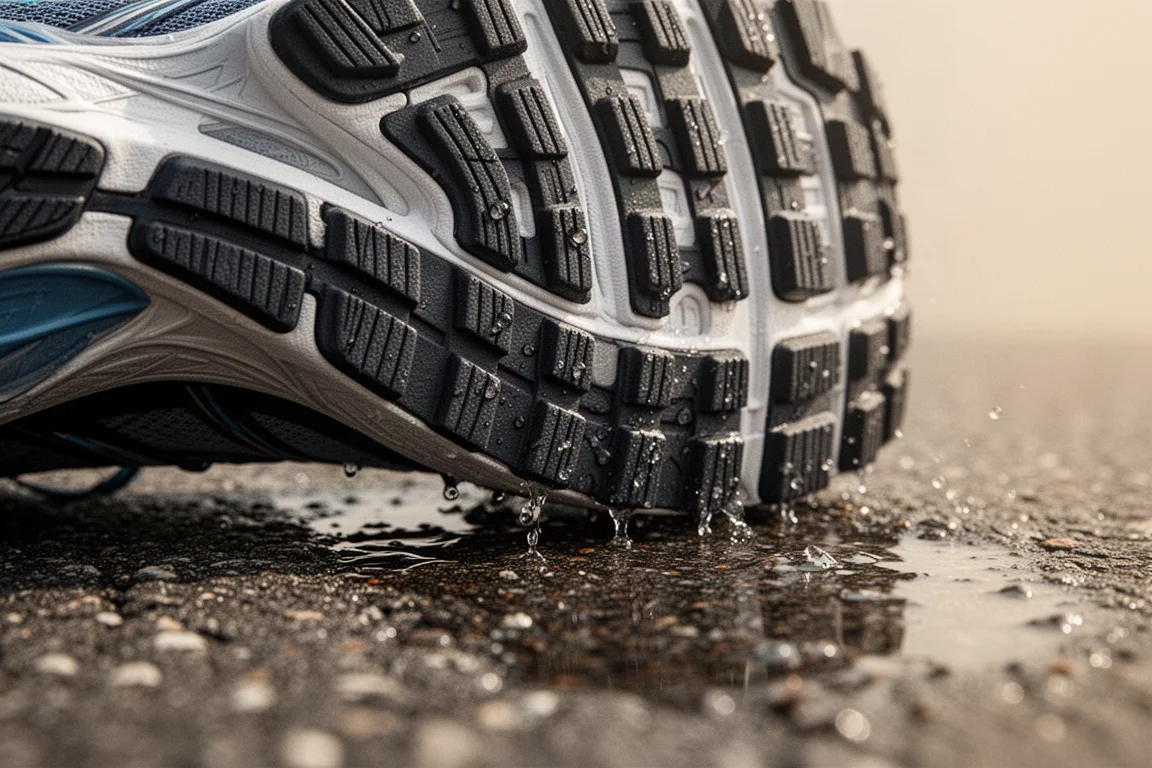
Where the Boston 12 fights back is the outsole. Its ridged rubber is proven and long-wearing, while the SuperBlast’s outsole can pick up visible wear over time. Price matters too: the Boston 12 comes in around £50 cheaper in the UK.
If you want something very light, very forgiving, and usable for easy runs and faster work alike, and budget allows, the SuperBlast is a superb pick. If you prefer a firmer, more structured, more aggressive feel underfoot, the Boston 12 is the better fit.
View more details for Adidas Adizero Boston 12
Vs Saucony Endorphin Speed 3
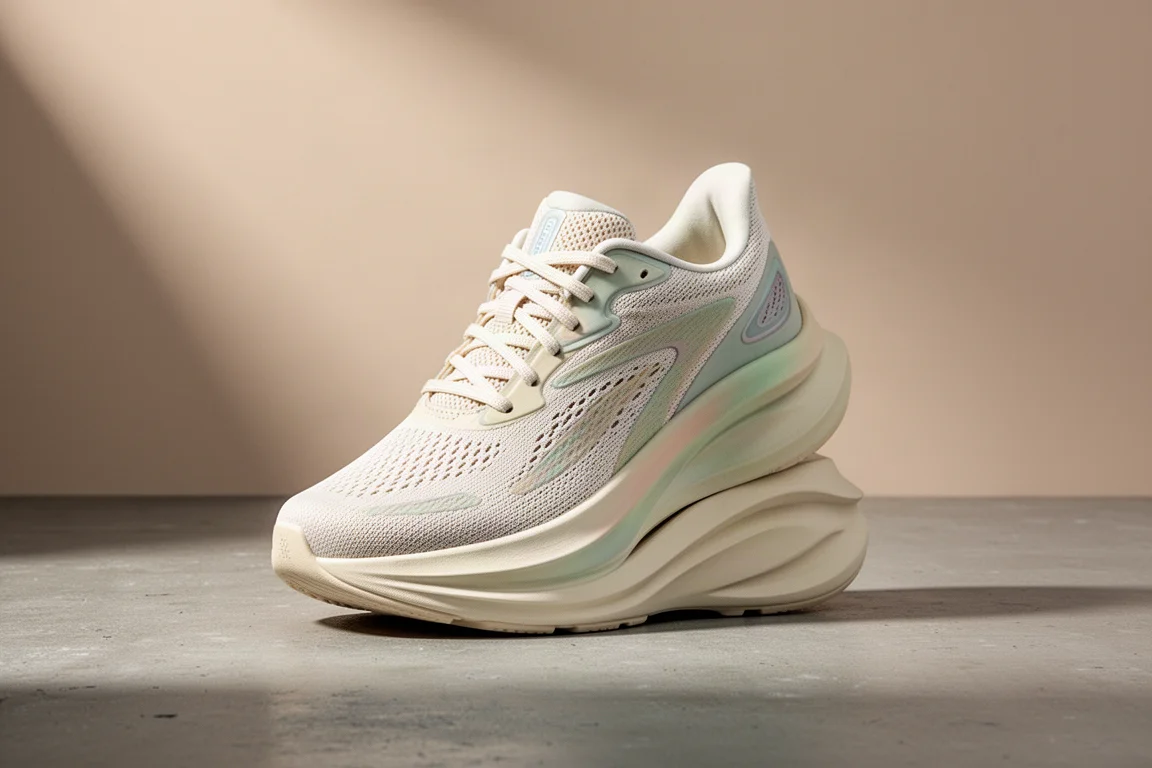
The Endorphin Speed 3 is a long-time viewer favourite, even if it gets a little overlooked these days among so many new options. It is another plated trainer in the same ballpark as the Boston 12, but it plays the softness card hard. Its PWRRUN PB midsole reads around 24 on the durometer scale, comfortably the softest foam in this comparison, and it delivers a very forgiving, squishy ride straight out of the box. It is also around 34 grams lighter than the Boston 12.
The Boston 12’s firmer, denser foam makes it the more stable shoe overall, something Saucony tries to counter with its winged nylon plate, which is visible on both the lateral and medial sides of the midsole. That softer, more compressive character will not suit everyone though.
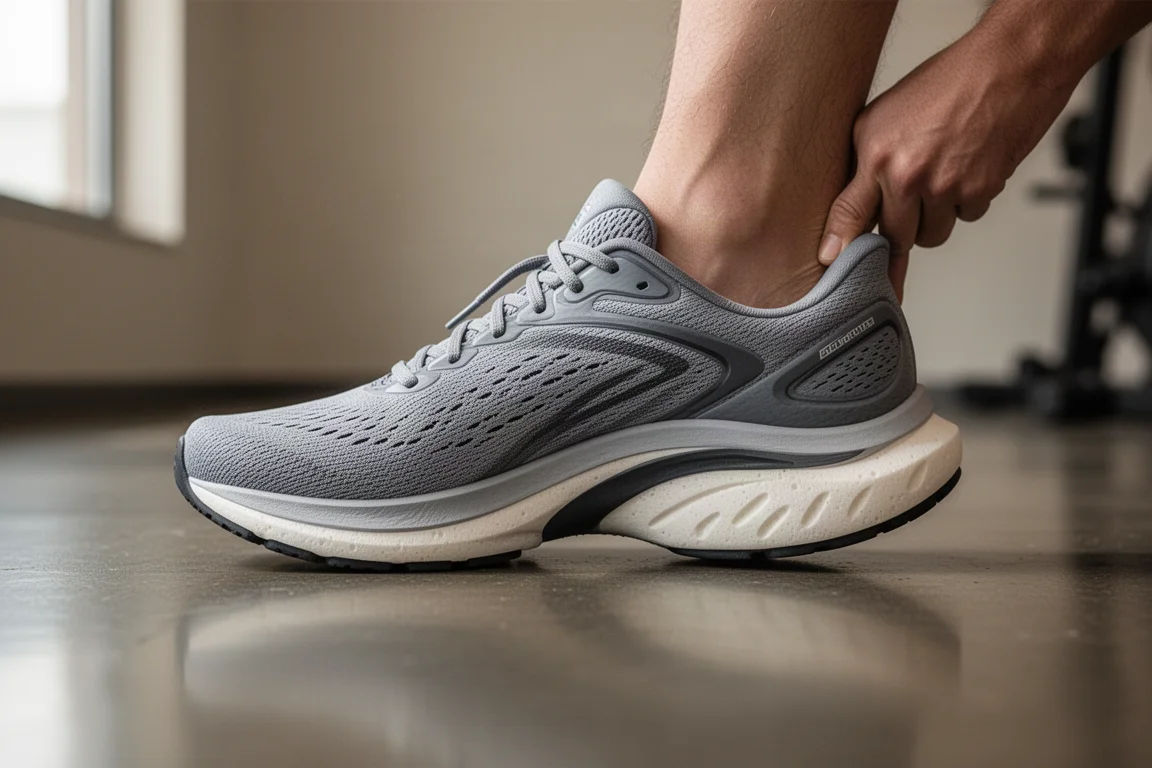
Two more areas tip the scales. The Boston 12’s Continental rubber outsole is a clear step up in durability, whereas the Endorphin Speed 3 exposes a lot of midsole that can tear up quickly, and its outsole rubber, while improved, does not match it. The heel design is simpler and more secure on the Boston 12 too, with no heel slip, while the Speed 3’s rigid plastic heel piece can ride up against the ankle. The Speed 3’s stock laces are also very stretchy and may need replacing to get the best fit.
The Endorphin Speed 3 can even stretch into racing duties thanks to its low weight, but with some tweaks required, the Boston 12 is the stronger pick as a shoe that works properly from day one, with better durability and usually a lower retail price.
View more details for Adidas Adizero Boston 12
View more details for Saucony Endorphin Speed 3
Which One Should You Buy?
If one shoe has to do everything, the Puma Deviate Nitro 2 and the Boston 12 are the closest pair, split by whether you prefer softness or structure. If forgiveness and versatility top your list and the budget stretches, the ASICS SuperBlast is the standout. If you want the softest, lightest option and do not mind a few tweaks, the Saucony Endorphin Speed 3 still earns its place.
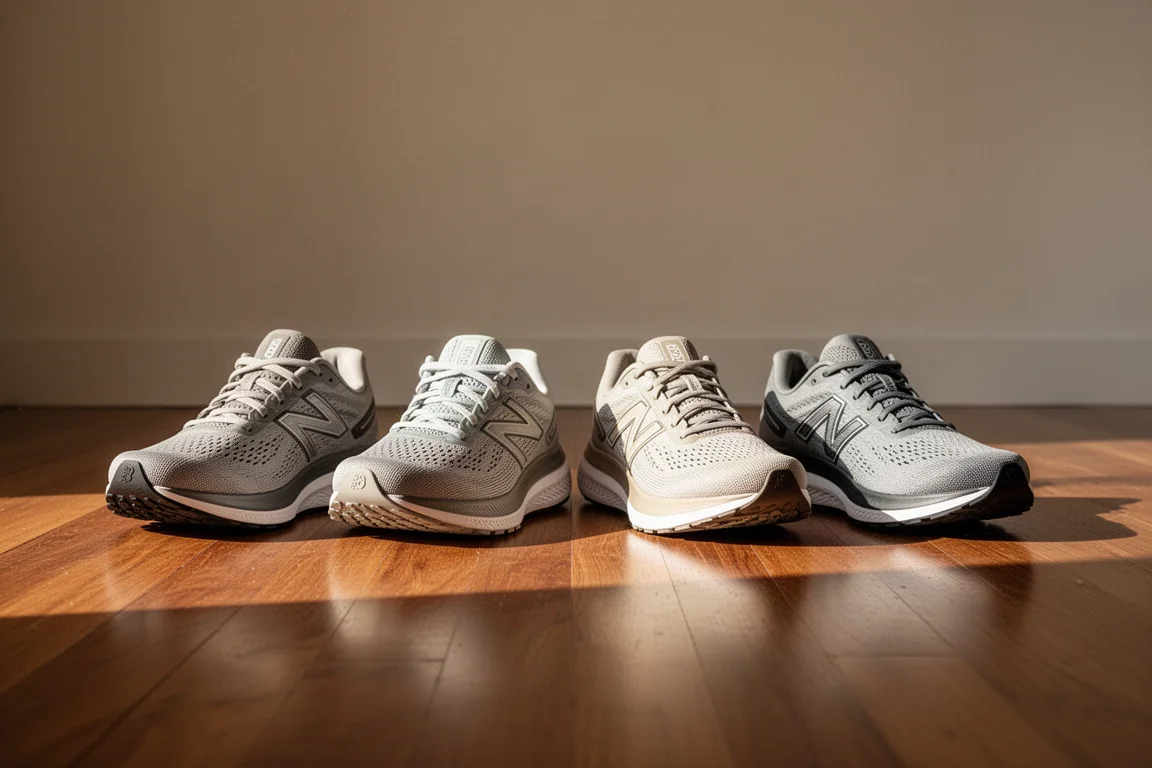
The Boston 12’s own strongest arguments are its outsole durability, its stability, and a ride that improves with mileage, making it a dependable choice for longer runs and everyday training alike.
Conclusion
There is no single winner across this group, because each shoe optimises for a different kind of runner. Softness first? Go Puma or Saucony. Forgiving, lightweight versatility with budget to spare? The SuperBlast is hard to beat. But for a firmer, stable, durable all-rounder that quietly does almost everything well, the Boston 12 remains a very safe bet.
Further reading
Related Reviews

Running Shoes
Best Road-to-Trail Running Shoes: Three Versatile Options for Mixed Terrain
A practical guide to three road-to-trail running shoes that handle both pavement and mild trails, with clear strengths and trade-offs for different runner types.

Running Shoes
Best Running Shoes for Achilles Tendonitis: Three Options Explained
Three running shoes with different heel drops and support features designed to help reduce Achilles tendon pain during walking and running.

Running Shoes
Best Running Shoes for Women: Five Top Choices Ranked
A ranked guide to five women's running shoes, from versatile daily trainers to high-performance racing options, with real strengths and trade-offs for each.