Running Shoes
Adidas Adizero Adios Pro Evo 3 First Run: 30% Lighter, Noticeably Softer
An early run in the sub-100g Adidas Adizero Adios Pro Evo 3, with a close look at the new carbon-infused EnergyRim, softer Lightstrike Pro Evo foam, and how it compares with the Pro Evo 2.
Introduction
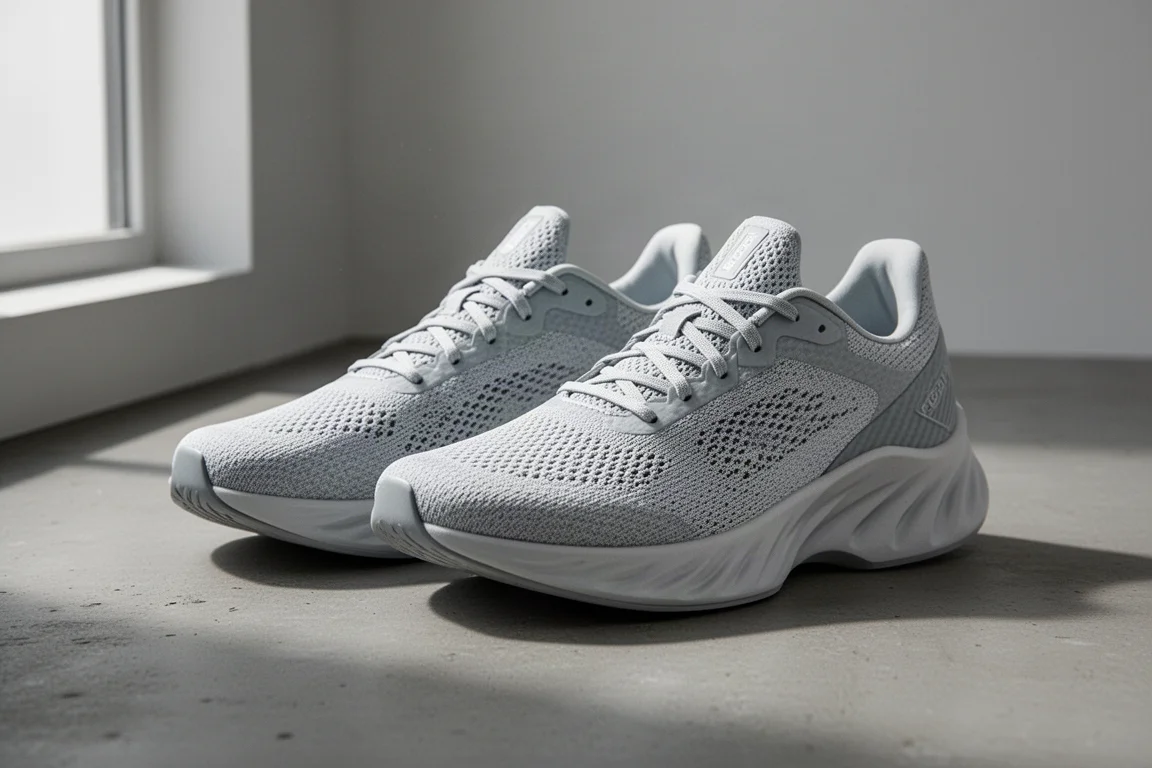
The Adidas Adizero Adios Pro Evo 3 arrives as the successor to one of the most extreme racing shoes ever made, and the headline numbers alone turn heads: under 100 grams per shoe and 30% lighter than the Pro Evo 2. After an early session on the treadmill ahead of its launch at the London Marathon, this new top-tier carbon racer looks like a meaningful step forward rather than a routine refresh. Here is how the Pro Evo 3 shapes up, and how it stacks against the Pro Evo 2 it replaces.
Key Specs and Pricing
The Pro Evo 3 packs a 39mm heel and a 36mm forefoot for a 3mm drop, with an average claimed weight of around 97g per shoe. Adidas positions it at $500 or 500 euros, with UK pricing still to be confirmed. Availability is very limited from 23 April, with more stock expected in the autumn. Given the Pro Evo 2’s track record, expect the first drop to sell out quickly.
The New EnergyRim and Softer Foam
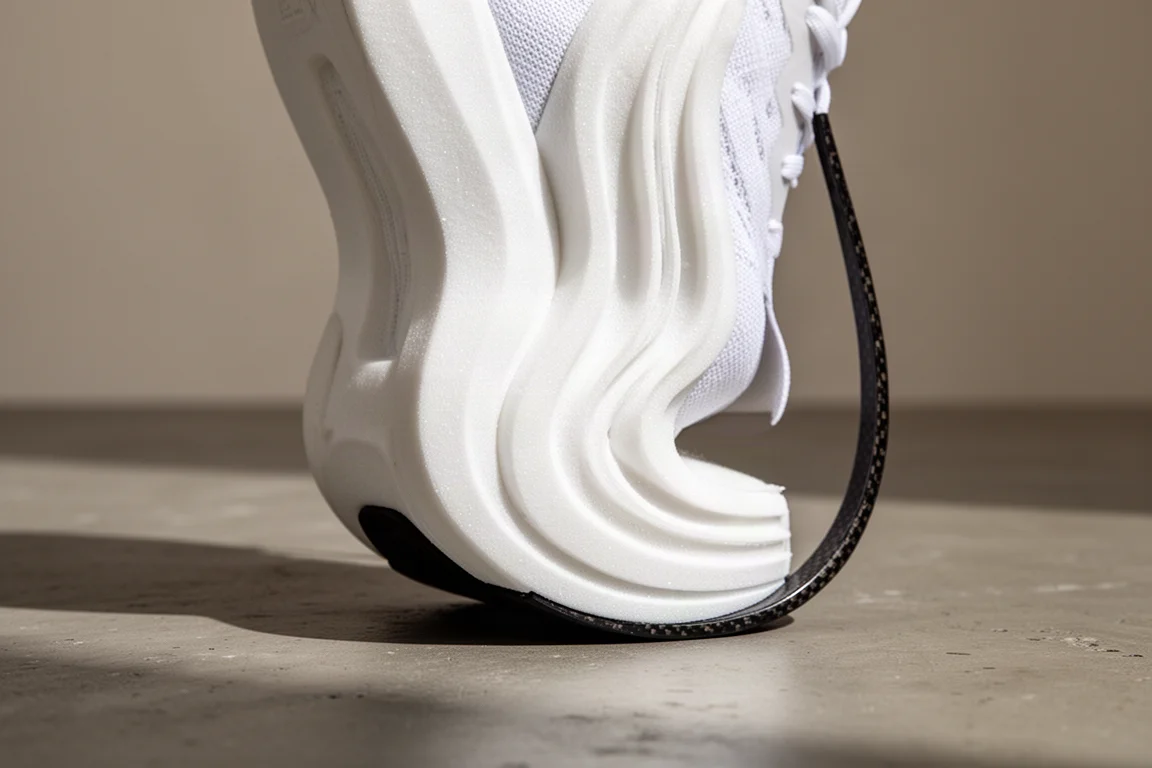
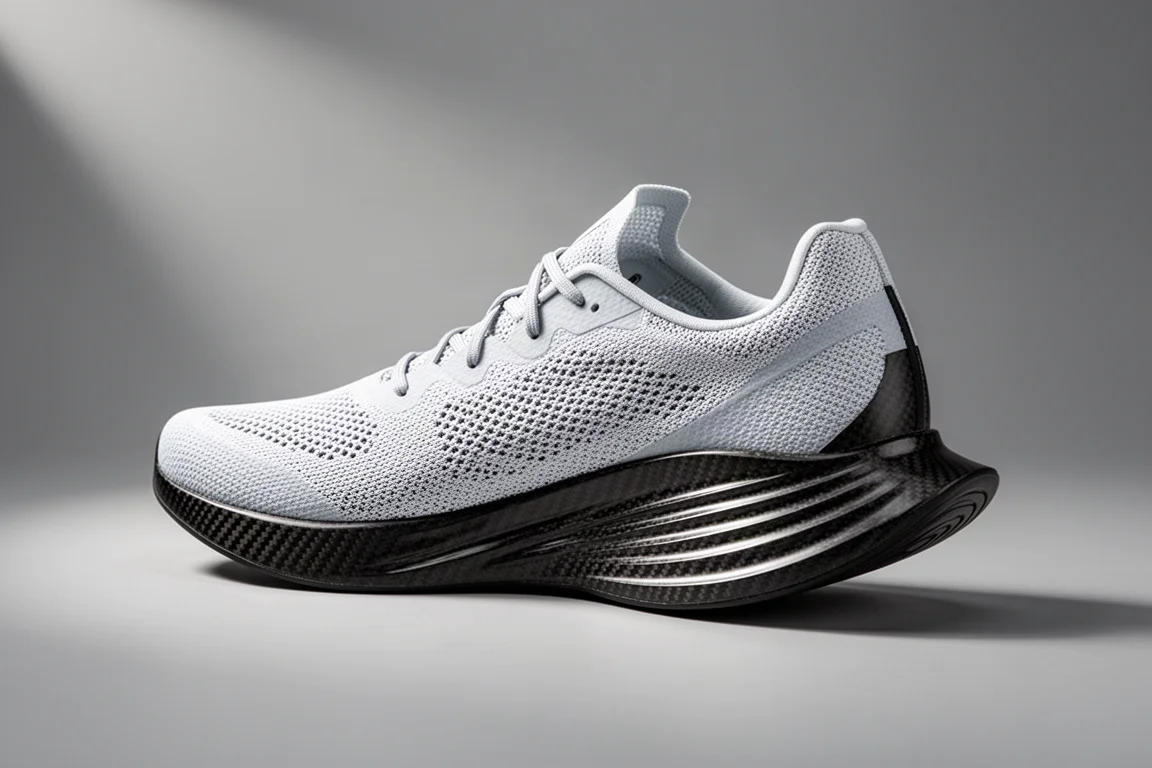
Three big changes define this update. First, a next-generation Lightstrike Pro Evo foam that Adidas calls its lightest and most responsive yet, claimed to weigh around 50% less than the foam in the Pro Evo 2. Second, that foam now sandwiches a carbon fiber-infused EnergyRim, a stiffened rim running around the outer edge of the midsole. It replaces the Energy Rods 2.0 from the Pro Evo 2 and is designed to add propulsion and a touch of stability.
Third, the outsole is finally upgraded. Strategically placed Continental rubber in the forefoot and heel replaces the thin liquid rubber coating on the Pro Evo 2’s exposed midsole, which struggled badly in wet conditions. Continental rubber has a strong reputation in previous Adidas shoes, so the wet-weather grip improvement looks promising, even though early testing happened in dry conditions.
Adidas claims this package delivers 1.6% more running economy in the runners it tested.
Fit and Sizing: Half a Size Up
The upper is a stripped-back engineered mesh that is far more pliable than before, with very thin tongues and minimal lacing in a standard layout. The heel collar remains largely unchanged: super minimal, with two small foam pads and a light heel counter, but no bagginess and no noticeable pressure.
In practice, going half a size up worked well. A UK 9 (US 9.5) provided a comfortable thumb’s length of toe room, and that extra space suits the marathon distance. For shorter, faster racing, a snugger normal size could still work. Compared directly with the Pro Evo 2 in the same UK 9, the Pro Evo 3 offers more flex, a roomier toe box, and extra wiggle room, while the Pro Evo 2 feels more locked-in and race-hugging. The Pro Evo 3 lands somewhere in between: secure, but noticeably airier.
First Miles in the Pro Evo 3
Around five miles on the treadmill at mixed paces, including some genuinely hard efforts, made the differences clear almost immediately. The shoe is definitely softer. The new foam compresses much more, delivering noticeably more bounce and cushioning than the Pro Evo 2, which feels firmer and more blocky by comparison. If the Pro Evo 2 left you wanting more bounding energy, the Pro Evo 3 takes that a step further.
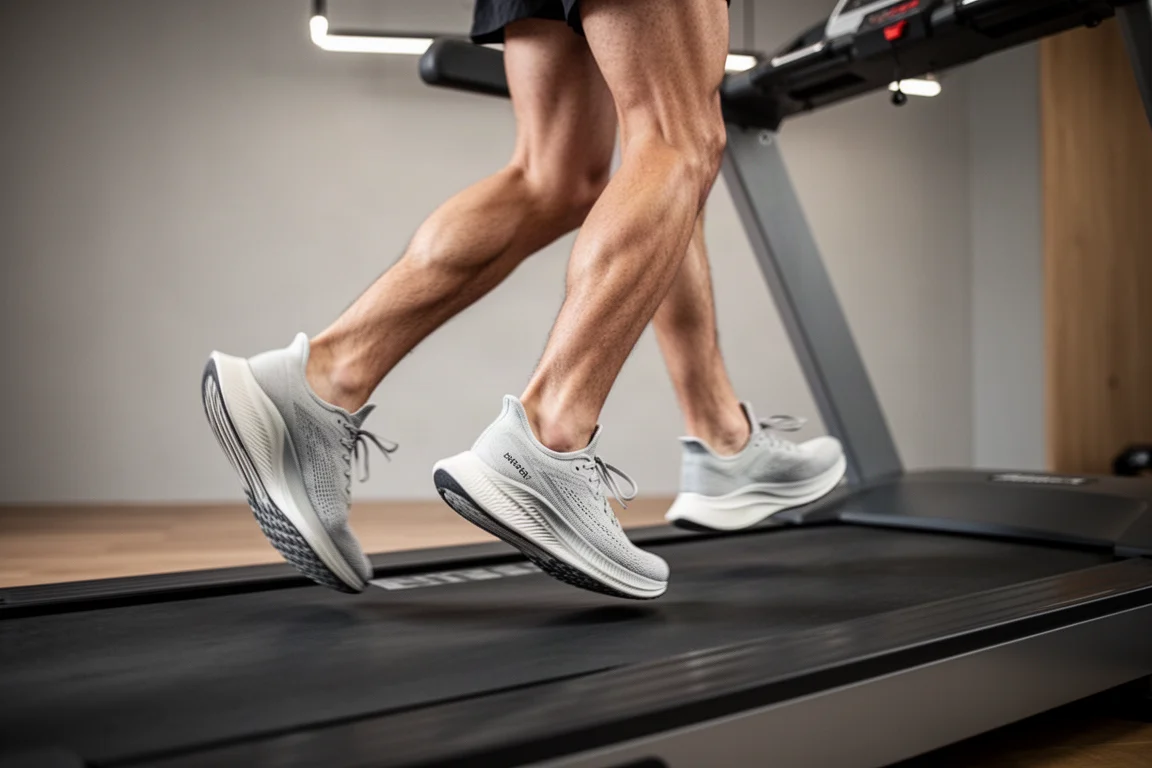
The lightness is the other standout. In the hand it feels almost like nothing, with an airy, paper-thin quality, and that translates to a disappearing feel on the run. It is the lightest shoe tested to date, and the flexible upper enhances that sensation while still holding securely through the forefoot.
How It Compares with the Pro Evo 2
The EnergyRim changes the character of the ride in a subtle but real way. Because more of the foot sits directly on top of the foam rather than on stiffening rods, the shoe feels softer while the rim still adds stiffness around the edge. That combination brings a bit more stability to a tall stack of very soft foam, which helps the shoe feel composed even when you are not running at all-out pace.
It works best for midfoot and forefoot strikers, and the rocker point sits in the same place as the Pro Evo 2. Roll back to slower paces and it remains surprisingly accommodating, with plenty of protection under the forefoot. The overall ride sits closer to a soft, springy Metaspeed Race-style feel than the firmer, thrusting transition of the Pro Evo 2, though it is more controlled than something like the Saucony Endorphin Elite.
The Pro Evo 2 Still Has Its Fans
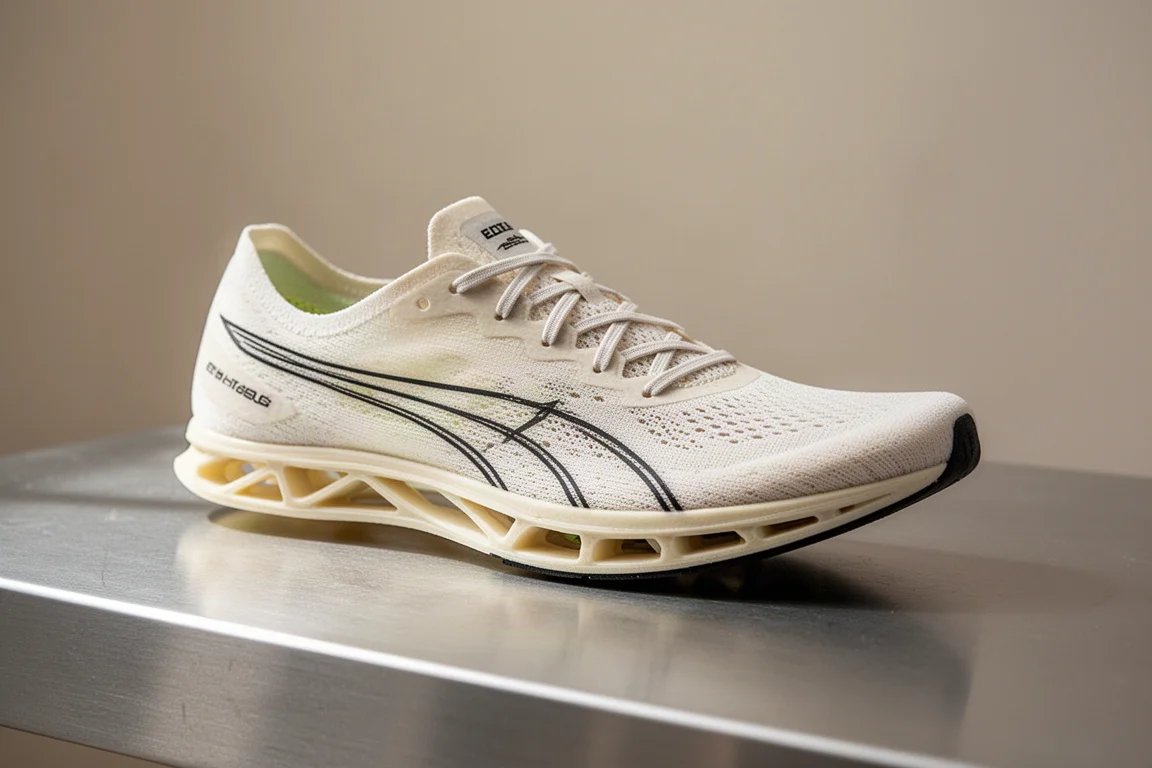
None of this makes the Pro Evo 2 obsolete. Its firmer, more locked-in ride and closer-fitting upper will still appeal to runners who want a race shoe that hugs the foot and delivers the road with immediacy. Its weakness was always the exposed-midsole outsole, which was close to useless in the wet and made the premium price harder to justify. If you already love that firmer feel and mostly race in dry conditions, the previous shoe remains a valid choice.
Buying Advice: Is the Pro Evo 3 Worth It?
At $500 or 500 euros, this is one of the most expensive racing shoes on the market, and it is fair to question whether any shoe is worth that investment for most runners. Early impressions suggest the Pro Evo 3 moves much closer to justifying the price than its predecessor. The softer, bouncier ride, the disappearing weight, the improved fit flexibility, and the much-needed Continental rubber outsole all address real criticisms. For marathon racing, half a size up looks like the smart call. For shorter races, the normal size may be fine.
That said, the grip upgrade has only been tested in dry conditions so far, and longer-term durability and out-in-the-wild performance remain to be seen. Buy it if you race seriously, run midfoot to forefoot, and value the lightest possible shoe. Look elsewhere if a $500 racer does not fit your budget or your racing calendar.
Conclusion
The Adidas Adizero Adios Pro Evo 3 is a genuine evolution: around 30% lighter than the Pro Evo 2, considerably softer and springier, more flexible in fit, and finally equipped with a real rubber outsole. It still costs a serious amount of money and will be available in very limited numbers, but as an early first impression goes, it feels much more like the premium racing experience that price point promises. Proper road testing should confirm whether it fully earns its place on the start line.
Further reading
Related Reviews

Running Shoes
Best Road-to-Trail Running Shoes: Three Versatile Options for Mixed Terrain
A practical guide to three road-to-trail running shoes that handle both pavement and mild trails, with clear strengths and trade-offs for different runner types.

Running Shoes
Best Running Shoes for Achilles Tendonitis: Three Options Explained
Three running shoes with different heel drops and support features designed to help reduce Achilles tendon pain during walking and running.

Running Shoes
Best Running Shoes for Women: Five Top Choices Ranked
A ranked guide to five women's running shoes, from versatile daily trainers to high-performance racing options, with real strengths and trade-offs for each.