Running Shoes
Adidas Adizero Adios Pro Evo 2 Review: The Lightest, Most Expensive Super Racing Shoe
A closer look at Adidas' ultimate super racing shoe: specs, ride, stability, fit, biomechanics, and who it is really worth the price for.
Introduction
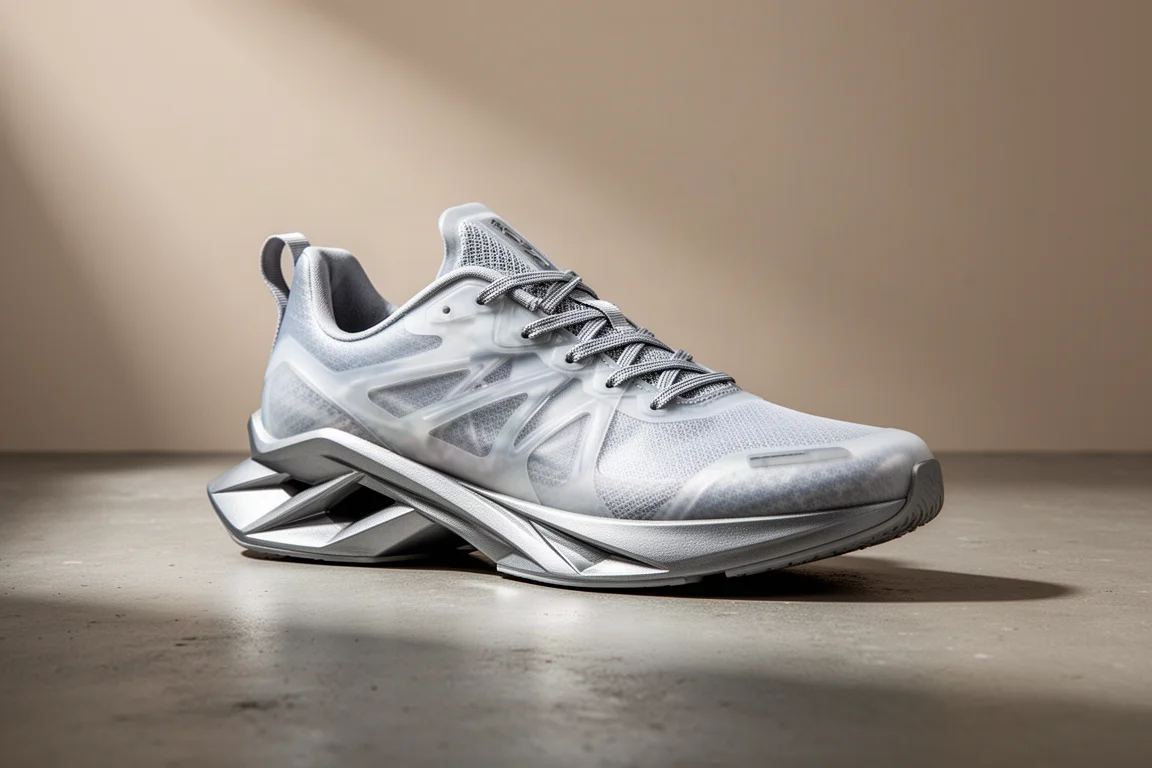
The Adidas Adizero Adios Pro Evo 2 is the lightest, most aggressive, and most expensive shoe in the Adizero line, and at the time of testing it stood as both the lightest and the most expensive super racing shoe on the market for its stack height. The first version shocked the running industry with its price and absurd weight, then backed itself up with world records and elite wins. Version two makes meaningful changes that make it feel very different, and in most cases better, but it remains a very specific tool.
Who This Product Is For
This is a shoe built around elite and sub-elite marathon performance. If your race pace is slower than about 6:30 to 7:00 per mile, the weight benefit does not translate: slower and recreational runners simply do not get the same return that faster runners do. If you race marathons in the 2:40 to 2:10 range and want the lightest possible shoe at this stack height, this is where the concept makes sense.
Specs and What Changed From Version One
In a men’s size 10, version two comes in at 5.2 ounces (148 grams), exactly the same as the original. Stack height is 39mm in the heel and 36mm in the forefoot for a 3mm drop, much lower than the 39/33 of version one. That low drop is immediately noticeable.
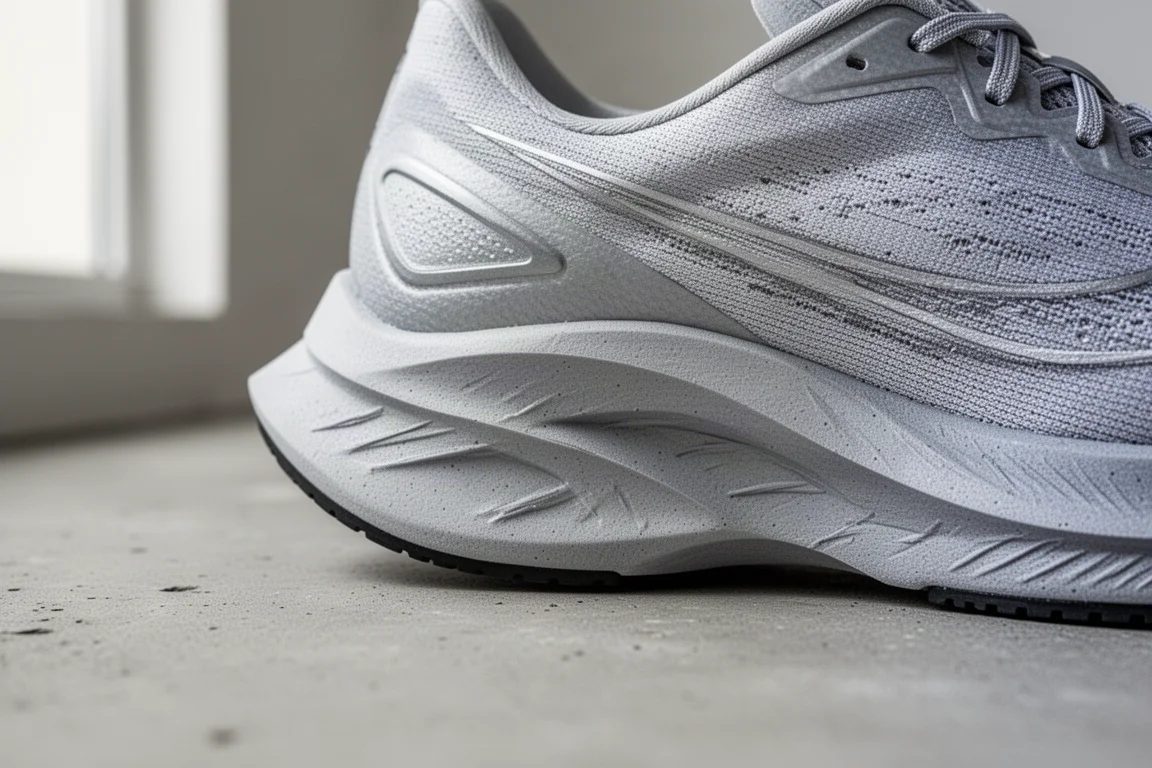
The biggest change is in the Light Strike Pro Evo foam. Version one felt incredibly light but relatively flat underfoot. Version two has far more compliance and resilience, especially in the heel, with more bounce and roll as you come off the heel. The forefoot rocker is much more aggressive and the shoe turns over beautifully.
Ride and On-Road Performance
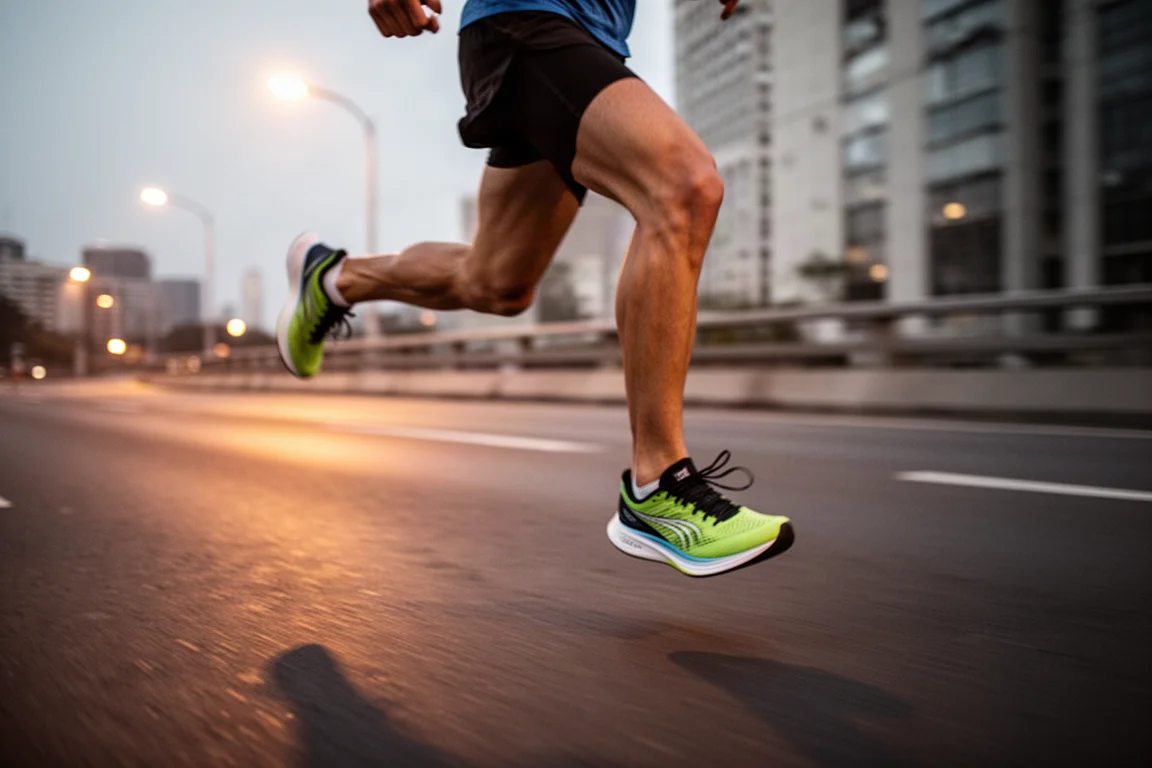
The ride is heavily rockered and stiff, with a plate and essentially no flexibility. You initially tip over the forefoot like a speed bump, but once it breaks in it rolls heel to toe very smoothly and efficiently. Combined with the weight, it is genuinely fast underfoot, though the foam itself has only moderate bounce, less than an Adios Pro 4 or an Alphafly-style shoe.
It does not feel good running slow. Anything slower than roughly 6:30 to 7:00 pace feels awkward, and the magic only appears from about 6:00 pace and faster, improving the quicker you go. Testing included a track workout, a fartlek, a tempo run, hill repeats, and one abandoned long run. It performed best when locking into 10k to marathon pace, and worst at slow speeds or on unstable midfoot landings.
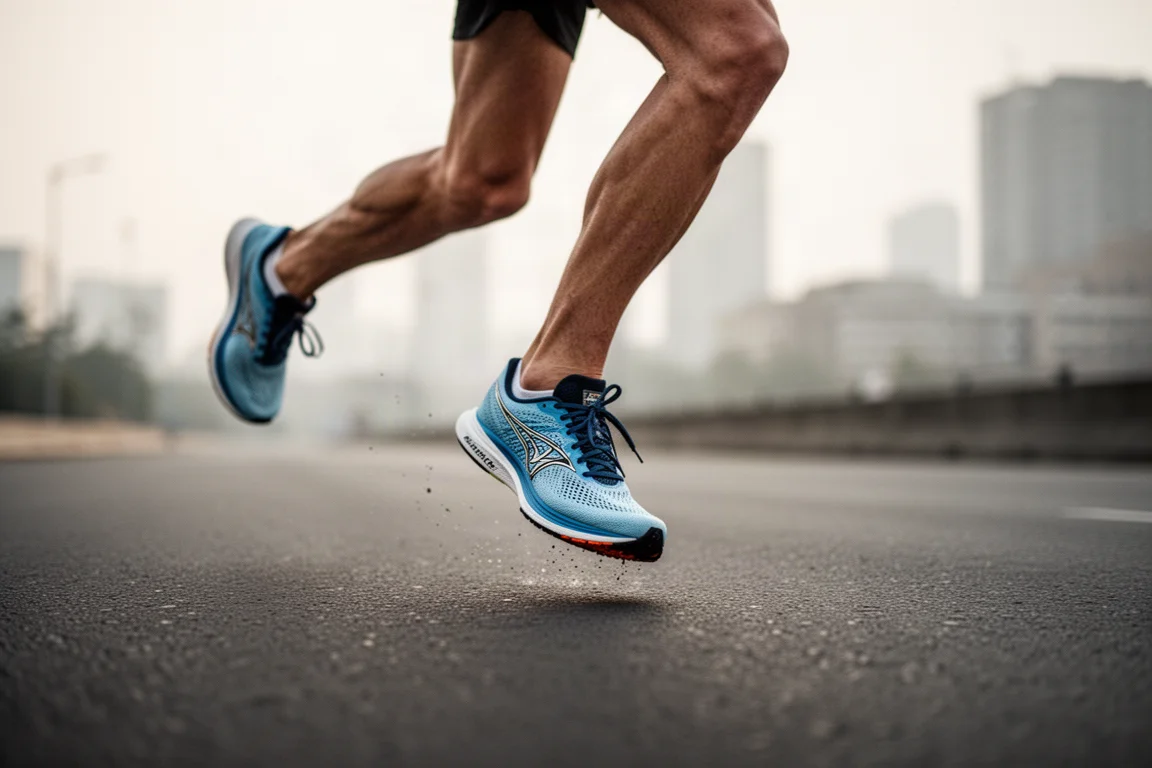
The outsole is holding up better than expected, with the first wear appearing around 30 miles. It grips far better than version one, with ribbed rubber that grabs track, wet road, and dry road well. Do not take it on trail; it is far too fragile. Road and track only.
Fit and Stability
Version two has more volume than the low-volume original, which felt slightly short and caused toe chafing. The length is the same but there is more room in the toe box, and the width sits in a fairly normal middle ground. There is essentially no structure to the upper, so you need to lock the laces down carefully; too much tension creates pressure on top of the foot, and the thin tongue slides until set properly. A small heel counter did not cause irritation.
Stability is the real dividing line. The forefoot feels surprisingly good, with sole flare, mild sidewalls, and the aggressive rocker providing mild guidance, which suits forefoot strikers. The midfoot, however, has a prominent cutout with no support, which contributed to a failed long run and makes anything beyond roughly 5 to 10k effort questionable. Runners with lateral heel sensitivities will find the same rearfoot bias as other Adios models.
Biomechanics: Who This Shoe Is Really For
The narrow midsole with a weight-saving cutout demands stable mechanics. If you collapse over the lateral edge as you fatigue, the softer foam will let you go further into that collapse. The low drop plus rocker also requires strong calves and hips, since you still have to power out of that geometry even with reduced ankle and Achilles stress.
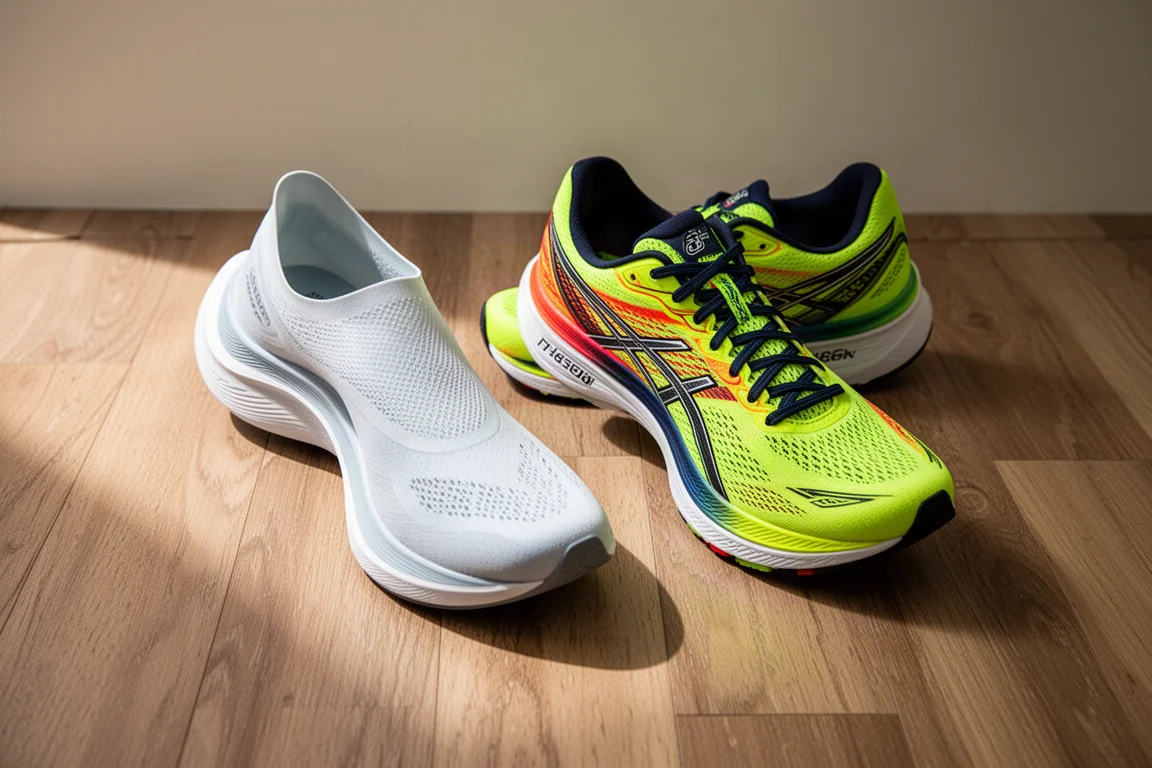
The pronounced toe spring is another consideration. Holding the toes in an extended position increases tension through the plantar fascia and toe flexors, and during break-in the shoe tugged at the heel where the plantar fascia attaches. Runners with mobility limitations or sensitivity there should think carefully before committing.
Things to Consider Before Buying
This shoe has no insole; you sit directly against the inner liner and exposed stitching. Never run sockless in it, and it will not accommodate orthotics, which rules out runners with stability needs. The original was rated for roughly one training run and one marathon, and while version two is more durable, this remains a short-lived performance tool.
Buying Advice
At around $500, this is not a shoe for most runners. If you want a super shoe from Adidas, the Evo SL, the Adios Pro 4, and the Takumi SE 11 are far better options for the money. The Pro Evo 2 only earns its price for faster runners with neutral mechanics who can genuinely compress the midsole and exploit the weight for real performance gains. If you can spend half the price on two other super shoes instead, that is usually the smarter move.
Conclusion
The Adizero Adios Pro Evo 2 is a remarkable and genuinely fast racing shoe that earns its reputation at high speeds on neutral, strong runners. For everyone else, the cost, fragility, midfoot instability, and aggressive geometry make it easy to recommend something else. It is a very specific tool, and it should be bought as one.
Product link
View more details for Adidas Adizero Adios Pro Evo 2
This product is mentioned in the review. Check the specifications, options, and compatibility before buying.
View more details for Adidas Adizero Adios Pro Evo 2Further reading
Related Reviews

Running Shoes
Best Road-to-Trail Running Shoes: Three Versatile Options for Mixed Terrain
A practical guide to three road-to-trail running shoes that handle both pavement and mild trails, with clear strengths and trade-offs for different runner types.

Running Shoes
Best Running Shoes for Achilles Tendonitis: Three Options Explained
Three running shoes with different heel drops and support features designed to help reduce Achilles tendon pain during walking and running.

Running Shoes
Best Running Shoes for Women: Five Top Choices Ranked
A ranked guide to five women's running shoes, from versatile daily trainers to high-performance racing options, with real strengths and trade-offs for each.