Running Shoes
Adidas Adizero Adios Pro Evo 2 First Run Review: Extreme Speed at an Extreme Price
Adidas' pinnacle racing shoe is one of the lightest on the market with 39 mm of heel stack. Fast, punchy and impressively stable, but grip and price raise real questions.
Introduction
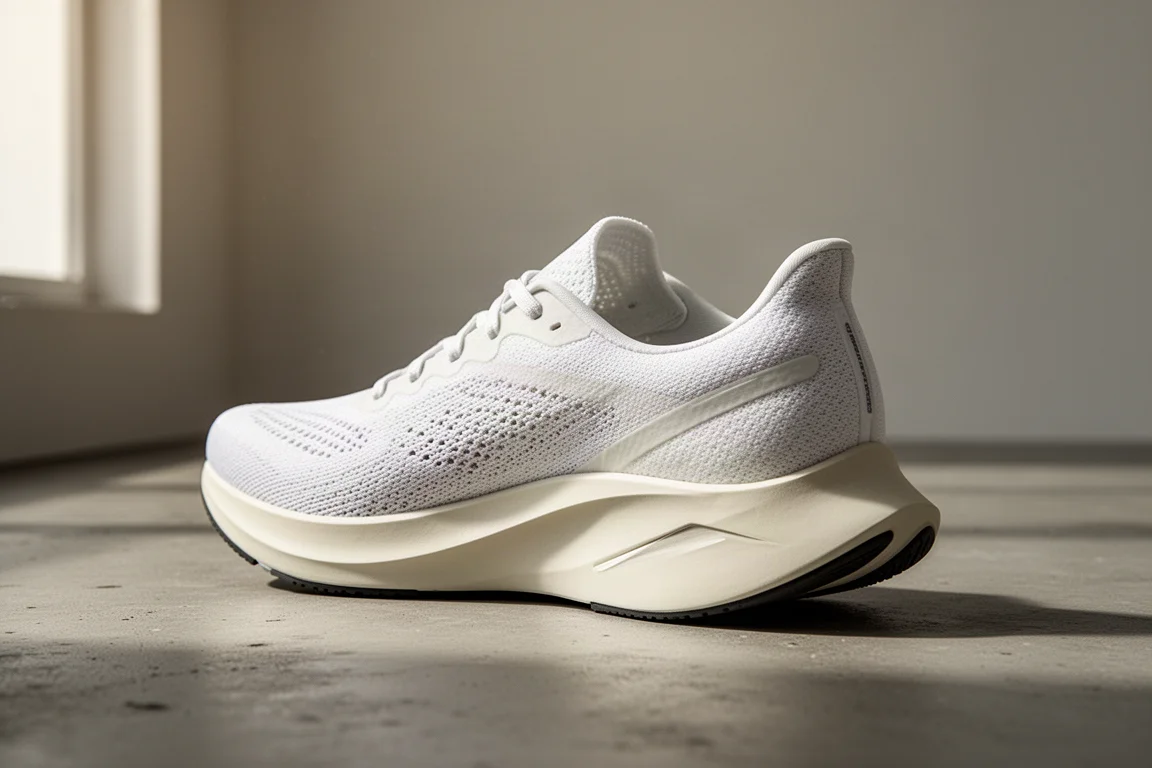
The Adidas Adizero Adios Pro Evo 2 sits at the very top of Adidas’ racing lineup, positioned above the Adios Pro 4 as the brand’s pinnacle race day shoe. It is built primarily with elite runners in mind, but it is on general sale for anyone willing to pay the entry fee. That fee is substantial: £450 in the UK and $500 in the US, clearing even the most expensive alternatives by roughly £150 to £200.
What you get for that money is one of the lightest shoes on the market. In a UK size 9 (US 9.5), it weighs just 142 grams, around 5 oz, making it the second lightest shoe we have ever tested. Only the Asics Metaspeed Sky is slightly lighter, and that shoe carries far less cushioning.
Who This Product Is For
This is a shoe for race days, not everyday training. At this price, most buyers would reserve it for key events and keep the running in it minimal, preserving its lifespan for the races that matter. If you are chasing personal bests over 5K through the marathon and want the lightest, most responsive platform Adidas makes, this is squarely aimed at you.
That said, it is worth being honest upfront: the question hanging over the Pro Evo 2 is not whether it is fast, but whether it is worth this much more than the excellent super shoes available at £250 to £300.
Main Strengths
The headline numbers are genuinely impressive. Full stack height is 39 mm at the heel and 36 mm at the forefoot, a modest 3 mm drop, with more forefoot cushioning than the previous model and more than the Adios Pro 4. Even the Metaspeed Sky sits lower at the front. Achieving that much cushioning at 142 grams is what makes the shoe remarkable.
Design and Construction
The upper is a very lightweight mesh with hardly any padding at all. It exists purely to hold the foot in place while weighing as little as possible. The midsole uses Lightstrike Pro foam with Adidas’ carbon energy rods running through it, the same formula on paper as the Adios Pro 4, but the foam here is a new iteration that is lighter and more energetic than what the Pro 4 uses.
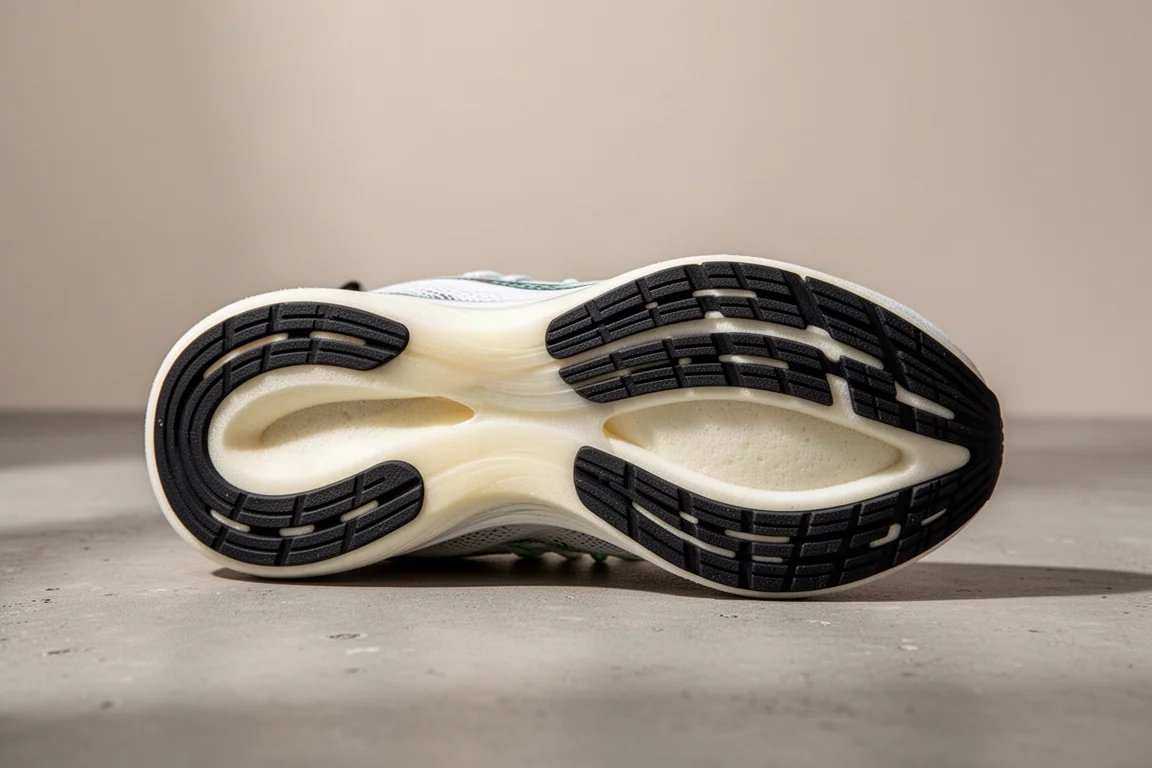
The forefoot rocker is sharp, angular and set far forward, so the large wedge of foam carries almost to the very tip of the shoe before rolling you off an immediate toe-off edge. The outsole has been redesigned compared to the first Pro Evo, adding thin strips of rubber across the front to help grip without adding meaningful weight. It is still a very minimal layer.
Fit and Sizing
Sizing needs attention, particularly in the UK. We ran in a UK 9 (US 9.5), which is a normal size, yet the shoe still felt close at the toes. In the Adios Pro 4, a half size down caused toe bashing, and the Pro Evo 2 is similarly snug up front. Our recommendation: go half a size up in the UK, and check centimetre sizing elsewhere, since Adidas tends to convert slightly smaller than brands like Hoka or On.
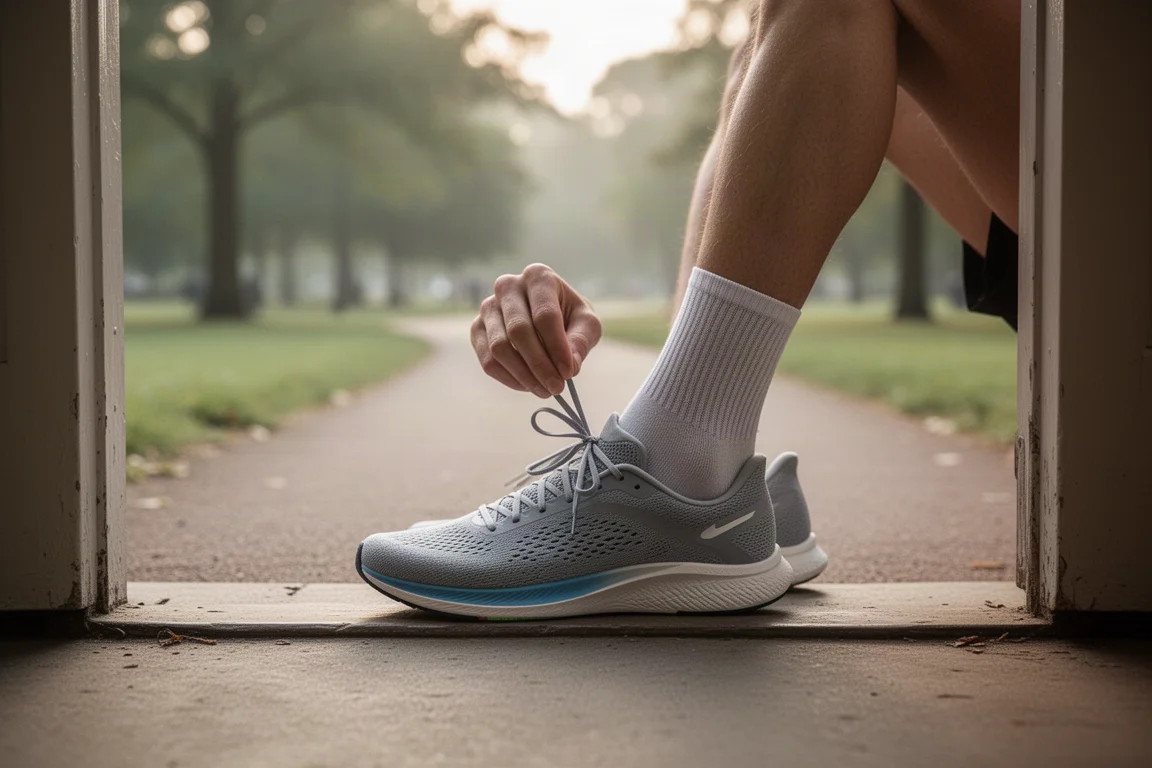
The race fit is compact and precise, with good midfoot lockdown and a snug hold that avoids squeezing the little toe. The heel collar is minimal to save weight, with little structure, but it held well, and heel rub did not materialise on longer running after an initial tentative jog. Two things to watch: the tongue is minimal, so lacing down too tightly risks lace pinch despite a small bumper, and one foot showed slight rubbing beneath the Achilles, possibly down to socks or adjustment rather than fit. Over a short 5 to 7K, fit was fine; longer runs may reward that extra half size.
First Run: Pace and Turnover
The turnover is what stands out most. The shoe flows forward onto the forefoot very quickly, with none of the deep sink you get in something like the Metaspeed Sky. You land, transition rapidly onto that high forefoot platform, and the sharp edge at the end gives a punch of propulsion to move you on.
In a first outing at a parkrun, the shoe delivered a 16:02 finish, run solo with a lazy fourth kilometre, at a point when legs were still fatigued from a marathon a week earlier. Even at sub-3 minutes per kilometre downhill, the shoe felt controlled and easy to hold at speed. Impressively, it also felt more stable than the Adios Pro 4, with none of the heel wobble that the Pro 4’s large cutaways can produce. The mid-to-forefoot platform is wide enough to give consistent landings, and the shoe protects well from the road without feeling soft or squishy.

The energy return is immediate rather than springy. Unlike the Saucony Endorphin Elite 2, which sinks down and bounces back big, this shoe is right there under your foot: press down and it pops you straight off. That immediate response makes fast running feel almost effortless, even on tired legs.
One note for early ownership: the foam eased up slightly by the end of the first parkrun, feeling a little more squishy and bouncy. Expect a short break-in of just a few kilometres to wake the foam up.
How It Compares
After the first runs, the Pro Evo 2 felt like an upgrade on the Adios Pro 4: smoother, more natural, with more pop and better stability, while the Pro 4 is the squishier of the two. The Pro 4 remains a very good alternative at literally half the price.
It did not, however, feel dramatically different from other carbon plate racing shoes. There are many excellent super shoes available well below £450, including the Puma Fast-R 3 and the Asics Metaspeed range, and nothing in the first runs suggested the Pro Evo 2 is enormously better than those rivals.
Grip and Durability Concerns
Grip is the clearest weakness. On wet paving, the shoe slipped noticeably, and some parkrun corners were taken cautiously after overnight rain. Walking to the car on slick pavement afterwards nearly produced a fall. The minimal outsole clearly suits dry, all-weather paths, where grip proved adequate on the run itself.

This matters for racing. City marathon courses can include unpredictable paving sections, and on those surfaces the Pro Evo 2 may not inspire confidence. The rubber strips add some traction over the original shoe, but not enough to make wet stone or slick surfaces safe.
Buying Advice
If you are an elite runner or a racer chasing every possible edge in your key events, the Pro Evo 2 has the credentials: it is extraordinarily light, fast, punchy and more stable than expected. The shoe genuinely pushed hard running on tired legs and delivered a strong 5K out of the box.
For most runners, though, the value case is harder to make. You can absolutely set personal bests in cheaper shoes, and several alternatives sit close to this level of performance at £250 to £300. Availability has also been limited, which makes the Pro Evo 2 even harder to justify as a practical purchase. If budget matters at all, the Adios Pro 4 at half the price is the smarter buy.
Conclusion
The Adidas Adizero Adios Pro Evo 2 is a genuinely thrilling race shoe: 142 grams, 39 mm of stack, sharp forefoot rocker and immediate, punchy energy return. It is better than the Adios Pro 4 in ride feel and stability, and it is one of the fastest shoes we have run in. Whether it deserves to cost £150 to £200 more than the best of the rest is far less certain, and the grip on wet, slick surfaces is a real limitation for unpredictable race courses. Extended testing over a half marathon will tell us more, but on first impressions this is a superb shoe with a very demanding price tag.
Product link
View more details for Adidas Adizero Adios Pro Evo 2
This product is mentioned in the review. Check the specifications, options, and compatibility before buying.
View more details for Adidas Adizero Adios Pro Evo 2Further reading
Related Reviews

Running Shoes
Best Road-to-Trail Running Shoes: Three Versatile Options for Mixed Terrain
A practical guide to three road-to-trail running shoes that handle both pavement and mild trails, with clear strengths and trade-offs for different runner types.

Running Shoes
Best Running Shoes for Achilles Tendonitis: Three Options Explained
Three running shoes with different heel drops and support features designed to help reduce Achilles tendon pain during walking and running.

Running Shoes
Best Running Shoes for Women: Five Top Choices Ranked
A ranked guide to five women's running shoes, from versatile daily trainers to high-performance racing options, with real strengths and trade-offs for each.