Running Shoes
Adidas Adizero Adios Pro Evo 1 Review: The Lightest Super Shoe Yet, and the Hardest Call on Value
At 138g in a standard size, the Adizero Adios Pro Evo 1 is a radically light marathon racer built for one goal. Here is how it runs, how it holds up, and who the $500 price actually makes sense for.
Introduction
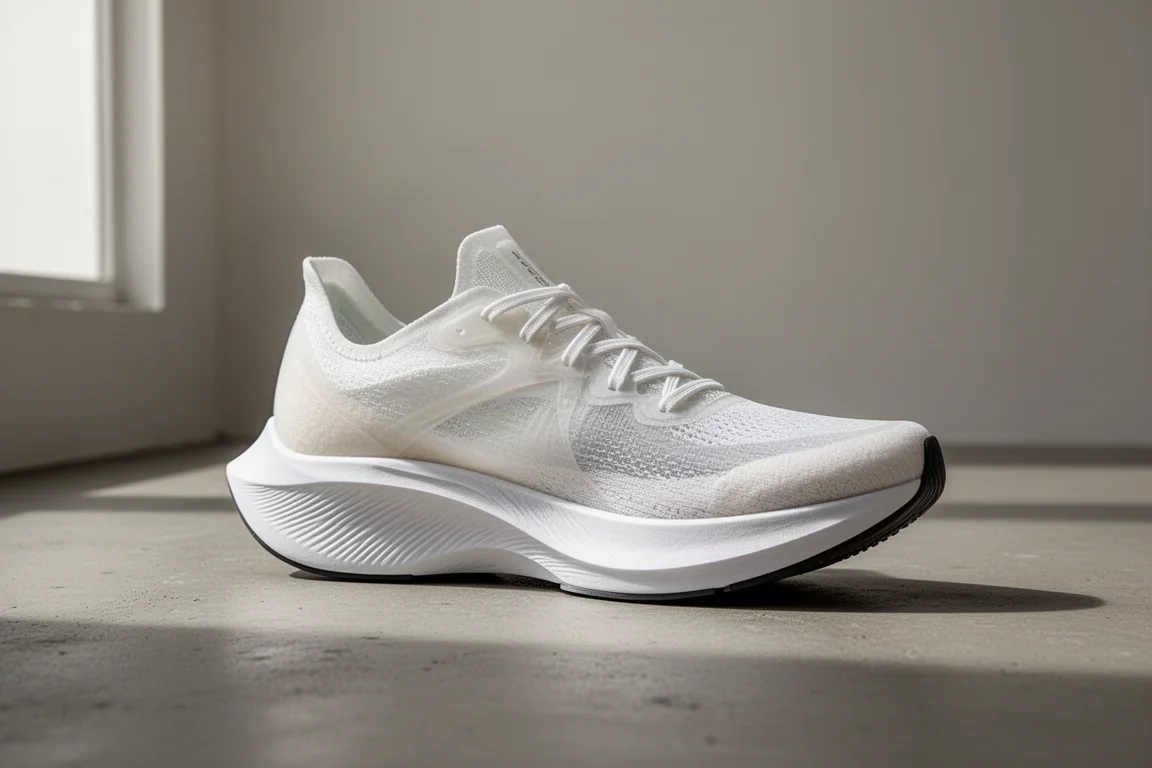
Some shoes arrive quietly. This one did not. The Adidas Adizero Adios Pro Evo 1 was the most talked-about running shoe of 2023, and it earned that attention within weeks of launch. The reason is simple: Adidas unveiled a marathon racing shoe weighing just 4.8 oz (134 g) in a UK size 8, and paired that figure with a $500 price tag.
We spent time running in the shoe, and it is exactly what Adidas claims: their pinnacle of road racing technology. Whether it is the right purchase for you is a genuinely interesting question, and one worth answering honestly rather than just admiring the weight figure.
Key Details of the Adizero Adios Pro Evo 1
Start with the weight, because nothing else about this shoe makes sense without it. A UK size 8 weighs 4.8 oz (134 g), and a men’s size 10.5 comes in at 5.1 oz (145 g). That is a figure so low that picking up the shoe box feels like there is nothing inside. For context, this is roughly 40% lighter than the Nike Vaporfly.
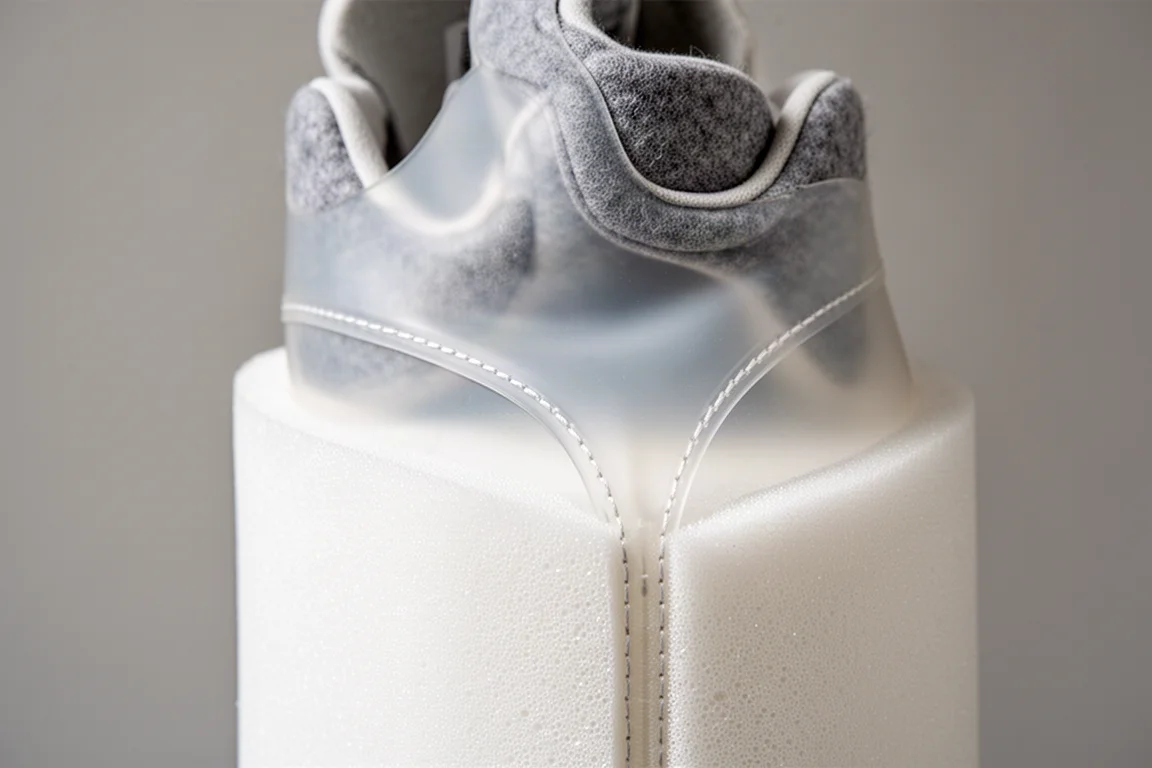
The upper is a major part of that weight saving. It is astonishingly thin, so much so that you would want a jeweler’s loupe to inspect it. Despite that, it keeps a structured heel counter, the one element Adidas deliberately kept because their athletes wanted the heel locked in. The heel counter design carries over from the Adios Pro 3, and the small heel pull tab also remains, which makes the shoe easier to get on.
The tongue is a quirky detail worth knowing before you buy. It sits low and has only a thin strip of padding, just enough to protect the top of the foot. Some wearers have reported slight heel lift, so using the runner’s loop for a locked-down lace-up is a sensible precaution. There is also no sock liner, just a thin strobel layer with visible stitching where it joins the upper, another deliberate weight cut.
The Midsole and Outsole
The midsole is a brand-new Lightstrike formula, and Adidas has not compressed or injected it. Instead, sheets of the foam appear to be cut and assembled specifically for the shoe. Skipping compression means the foam retains as much airiness as possible, which is where the shoe’s light, bouncy feel comes from. The exact composition is not confirmed; it is likely a TPE blend rather than EVA, but Adidas has not been fully transparent here.
Carbon-infused energy rods run through the midsole, the same system as the Adios Pro 3, with the rocker point moved from 70% of the shoe to 60%. After a run you can start to see where the rods sit under the foam, and interestingly the foam sinks slightly inward around them rather than bulging out.
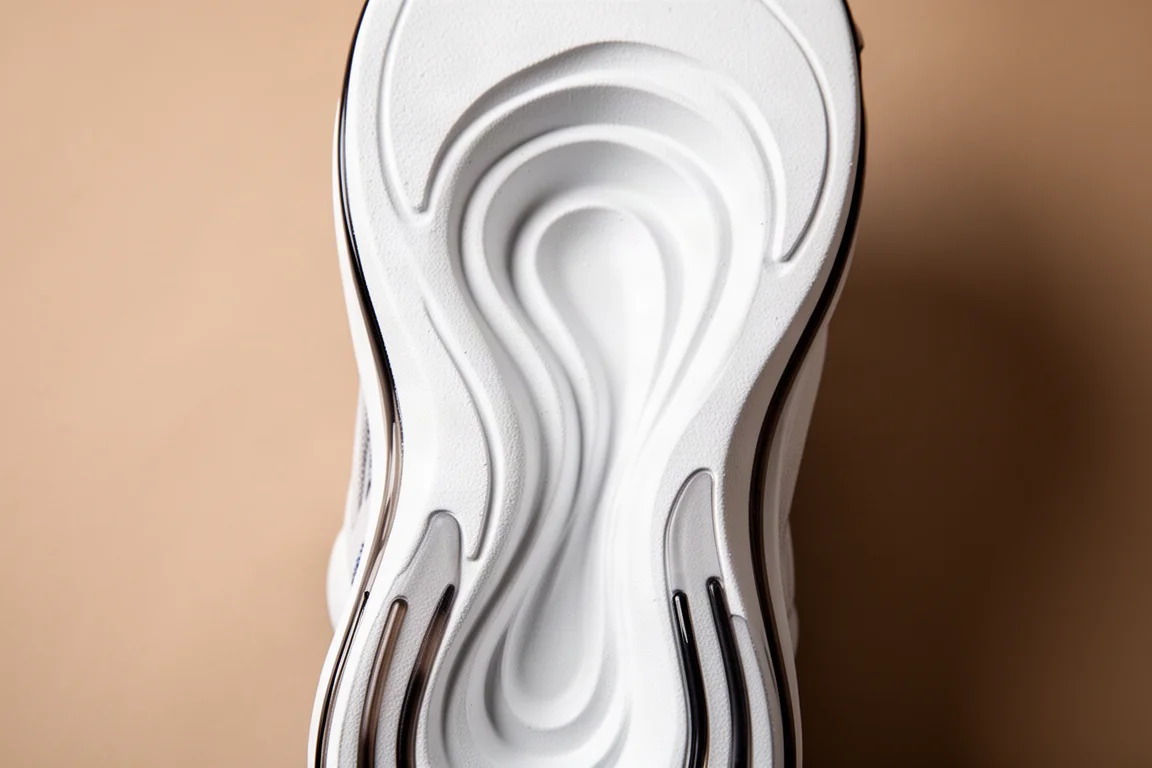
The outsole is a new liquified rubber that is very thin and saves roughly 20g over the Continental rubber used on the Adios Pro 3. Adidas claims it offers the same grip as the Continental compound. Berlin athletes actually raced in a Continental version of the shoe, so the lighter outsole is an interesting choice. It grips well, but there are early signs it may not be the most durable.
Ride and Performance
On the run, the shoe feels light and airy from the first step. There is so much foam underfoot yet almost no weight attached to your foot, and it creates a genuine urge to pick up the pace. In an 800-meter repeat session at around 7:15 perceived effort, every split came in at 6:50 or faster, averaging around 6:40. Some of that is psychology, some is the shoe, but the leg turnover it encourages is real.

The most meaningful benefit showed up late in each repeat. Normally the legs start to feel heavy and footfall becomes noticeable in the final stages of an 800. In this shoe, it still felt light, bouncy, and responsive right at the end of each rep. The energy rods are clearly felt through the toe, more than in the Adios Pro 3 during Boston, and the shifted rocker makes the shoe roll through the stride impressively smoothly.
Adidas includes a card in the box that puts all of this in context. The shoe is for road racing only, not trail running, not daily training, not leisure use, and it is optimized for one race. The card also recommends it only for experienced and advanced runners with a marathon time under roughly 3:00 to 3:30. Adidas has said the foam is designed so the shoe will not be completely done after one marathon, but the honest framing is elite, optimum performance: familiarization runs, then the race. Pushing serious miles into it afterward is possible, but you are spending the shoe’s best days.
How It Compares to Other Super Shoes
Having run in nearly every super shoe since the Vaporfly launched, this one occupies a clear position. The week before testing it, the Vaporfly Next% 3 was used for the same type of workout. The weight difference is obvious, but the actual feeling underfoot is remarkably similar: that balanced, responsive, race-day sensation.

So the real comparison is not about feel. It is about whether the lighter shoe pays you back over 26.2 miles. Research cited in the shoe’s materials suggests each gram removed from a shoe increases efficiency, and being 2 oz lighter than the Vaporfly should, in theory, matter late in a marathon when fatigue sets in. The traction also felt excellent throughout. There was nothing negative to report about the ride itself.
This is also the first super shoe in years that feels like a genuine leap ahead of Nike rather than a chase. The women’s world record fell at Berlin in this shoe, and the conversation around it drowned out everything else in the racing lineup that season. Adidas has thrown down a gauntlet on weight, and every other brand is now going to be trying to knock grams out of their own racers, which should eventually push this technology to trickle down at more accessible prices.
The $500 Question: Who Should Actually Buy It
The value call comes down to the athlete, and it is worth being direct. If you are chasing a sub-3:00 marathon, a PR in that low 3-hour range, or an OTQ time, and you are squeezing every advantage from your training, nutrition, sleep, and recovery, then $500 for the best possible shot on race day is not an absurd investment. Coaches, gear, and travel all cost money; this fits into that same equation for the fully committed runner.
If running is your passion and culture but not your entire life, this is honestly not your shoe. The Adios Pro 3 exists precisely for everyone else and will get most runners to a very similar place for half the price. The one use case that makes no sense at all is buying it to flex, especially given the durability: the foam can chip and be scraped out, and the shoe is visibly not built for longevity.
Conclusion
The Adizero Adios Pro Evo 1 is a remarkable piece of engineering: an incredibly light, bouncy, responsive marathon racer with strong grip and a rocker that moves beautifully through the stride. It rewards runners with specific, competitive goals and the budget to match. For everyone else, admire it, watch the weight race heat up across the industry, and let the next generation bring this technology down to a friendlier price.
Product link
View more details for Adidas Adizero Adios Pro Evo 1
This product is mentioned in the review. Check the specifications, options, and compatibility before buying.
View more details for Adidas Adizero Adios Pro Evo 1Further reading
Related Reviews

Running Shoes
Best Road-to-Trail Running Shoes: Three Versatile Options for Mixed Terrain
A practical guide to three road-to-trail running shoes that handle both pavement and mild trails, with clear strengths and trade-offs for different runner types.

Running Shoes
Best Running Shoes for Achilles Tendonitis: Three Options Explained
Three running shoes with different heel drops and support features designed to help reduce Achilles tendon pain during walking and running.

Running Shoes
Best Running Shoes for Women: Five Top Choices Ranked
A ranked guide to five women's running shoes, from versatile daily trainers to high-performance racing options, with real strengths and trade-offs for each.