Running Shoes
Adidas Adizero Adios Pro 5 vs Pro 4: Which Marathon Racer Deserves Your Feet?
A head-to-head comparison of Adidas' latest super shoe and its predecessor, covering weight, ride, fit, and whether the upgrade is worth it.
Introduction
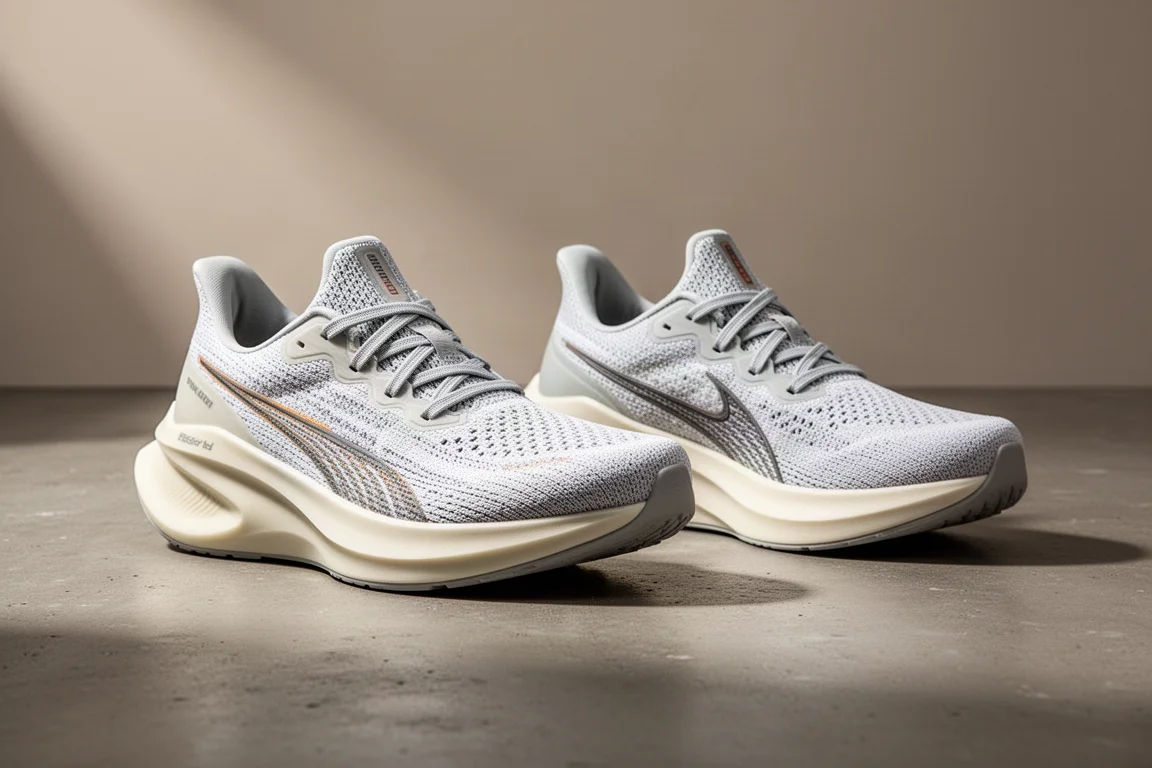
The Adidas Adizero Adios Pro 5 is a full overhaul rather than a small refresh. It translates technology from the Adizero Adios Pro Evo 3 concept shoe into a race day package designed to suit a wider range of runners than that sub-two concept ever aimed for. With a new Lightstrike Pro foam formula, an energy rim replacing the carbon energy rods, and a claimed 12.5% weight reduction plus 9% improvement in energy return, the question is simple: does the Pro 5 leave the Pro 4 behind, or should you hunt down last-gen bargains?
Key Specs at a Glance
The Pro 5 lands with a 39mm heel and 35mm forefoot for a 4mm drop, while the Pro 4 offered 39mm in the heel and 33mm in the forefoot for a 6mm drop. That means more Lightstrike Pro foam sits under the forefoot of the Pro 5.
Weight is where some of the biggest changes show up. Adidas puts the Pro 5 at 12.5% lighter than the Pro 4. In testing, the Pro 5 weighed 6.2 oz (176g) in a UK 8.5 / US 9, down from 7.1 oz (202g) for the Pro 4. On price, the Pro 5 sets you back $275 in the US and £275 in the UK, which is $25 and £50 up on the Pro 4 respectively.

Midsole: A Complete Rework
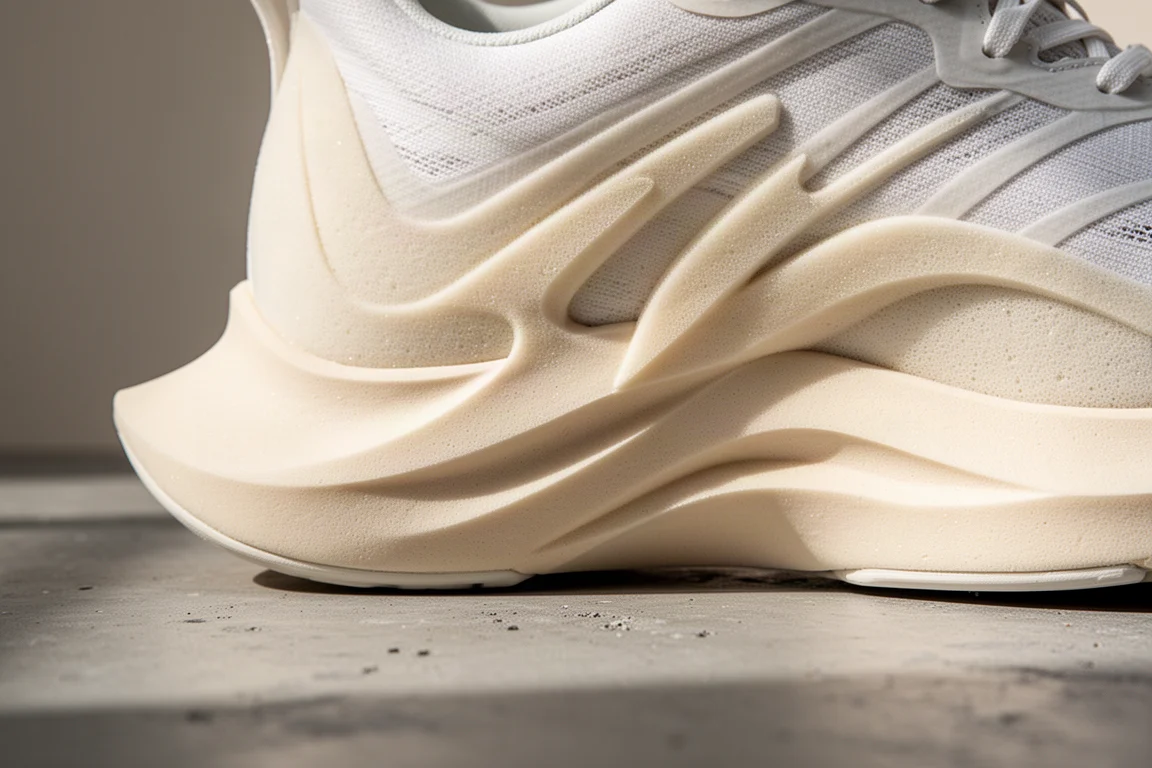
The Pro 5 has an entirely new bottom unit. It sticks with Lightstrike Pro, but the formula has been tweaked to be softer, more responsive, and more energetic underfoot. Adidas has also added more foam under the forefoot.
The carbon energy rods are gone. In their place is a horseshoe-style carbon energy rim, similar in spirit to the one used in the Pro Evo 3 but with geometry tweaked for this shoe. The rocker looks very similar, covering around 60% of the shoe. Another notable change: the big cutaway into the midsole has disappeared, replaced by a flatter, more complete midsole unit, and the heel geometry looks slightly flatter across the back of the shoe.
Ride: How They Feel Side by Side
In a side-by-side mile with one shoe on each foot, the difference was immediately obvious. The Pro 4’s Lightstrike Pro midsole is quite firm and can feel blocky until you are up on your mid to forefoot and moving well. When landing further back at slower paces, there is a sensation of a block of foam under the ball of the foot that feels clunky.
That sensation is gone in the Pro 5. It is much smoother, with more uniformity to the platform underfoot. The Pro 4 offers very little compression and gets you into toe-off quickly with immediate snappiness; the Pro 5 gives a softer, more protected landing followed by a bouncier, springier return. You notice the rocker less in the Pro 5, as the shoe seems to start working further back and simply rolls you out.
If you loved the firmness and immediate snap of the Pro 4, that character has partly gone, replaced with a more modern, bouncy energy. The consistency is the real win: each footstrike in the Pro 5 feels predictable, with far less of the tilting sensation of the Pro 4.
Fit and Upper: Comfort Details Compared
Both uppers use a similar woven material of comparable thickness, but the Pro 5 adds plenty of pinhole perforations for breathability, along with an updated version of the Light Lock 2.0 internal support bands. Both tongues are thin, racy, and stitched in on the side rather than gusseted, and both are quite short; more length would be welcome in either shoe. The Pro 5 switches to new lace-lock laces, which is a genuine step up over the Pro 4’s notably short laces.
At the front, the Pro 5 adds reinforcement into the toe box to preserve clearance over the toes, which matters deep into a marathon. The sharp toe box taper remains, though, and the forefoot stays snug and slightly cramped in both. In testing, the Pro 4 caused big toenail lifting on longer runs; the Pro 5’s reinforcement solved that across a full marathon test.
The heel package changes too. The Pro 5 keeps small internal heel pads that are shorter, softer, and stitched in, plus a coating that grips better when wet to reduce rubbing. However, the Pro 5’s heel collar has a slightly harsher edge under the ankle bones than the softer Pro 4 finish, and it caused heel irritation in testing.

Fit-wise, length and midfoot lockdown are roughly on par between the two, but with both shoes there is an argument for trying half a size up: the Pro 4 for more toe box clearance, the Pro 5 simply for a little extra wiggle room.
Outsole and Durability
Flip them over and you find a very similar combination of traction and Continental rubber pads. The front Continental pads sit in the same place, and those on the Pro 5 look slightly longer in the main impact zone. The Pro 5’s rubber is thinner overall with some recessed areas, such as on the heel pad, which helps avoid pads catching and lifting while also saving weight. There is also more exposed foam on the lateral side of the forefoot, as Adidas uses rubber only where it is really needed to cut weight.
Verdict: Is the Upgrade Worth It?
Around 60km in the Pro 5 and more than 80km in the Pro 4, including solo marathon tests in both and shorter races in the Pro 4, point to a clear conclusion: the Pro 5 is a marked improvement on comfort and performance, though the ride sensation has changed significantly.
The Pro 4 rewards good form and forefoot striking, but it is less friendly at slower paces and demands engagement to get the most from it. The Pro 5 fixes the ride without losing the energy assistance and efficiency, echoing the Pro Evo 3 with an energy rim and foam combination that feels smoother, softer, and more protective but no less energetic. The toe box reinforcement solves the black toenail issue, but the new heel collar introduces a fresh concern, and the price hike is hard to ignore.
If you really love the Pro 4, there are solid budgetary arguments for stocking up before moving on. If you wanted more consistency underfoot, the Pro 5 is a worthwhile investment. The extra comfort and smoothness also make it usable for limited training, whereas the Pro 4 was arguably race day only, and that versatility helps offset the price. If money were out of the equation, the Pro 5 would be the marathon race pick, with the better all-round package.

Conclusion
The Adizero Adios Pro 5 improvements win the day: lighter, smoother, softer, and more consistent, with only a new heel irritation issue and a higher price as caveats. Fans of the Pro 4’s firm, snappy ride should shop for discounted Pro 4 pairs first; everyone else racing a marathon this season will likely be happier in the Pro 5.
Product link
View more details for Adidas Adizero Adios Pro 5
This product is mentioned in the review. Check the specifications, options, and compatibility before buying.
View more details for Adidas Adizero Adios Pro 5Further reading
Related Reviews

Running Shoes
Best Road-to-Trail Running Shoes: Three Versatile Options for Mixed Terrain
A practical guide to three road-to-trail running shoes that handle both pavement and mild trails, with clear strengths and trade-offs for different runner types.

Running Shoes
Best Running Shoes for Achilles Tendonitis: Three Options Explained
Three running shoes with different heel drops and support features designed to help reduce Achilles tendon pain during walking and running.

Running Shoes
Best Running Shoes for Women: Five Top Choices Ranked
A ranked guide to five women's running shoes, from versatile daily trainers to high-performance racing options, with real strengths and trade-offs for each.