Running Shoes
Adidas Adizero Adios Pro 5 Review: A Full Overhaul Built on Six Years of Lessons
Adidas rebuilt its marathon racing shoe with an energy rim, 9% more energy return, a 12% weight drop, and a new 4mm drop geometry.
Introduction
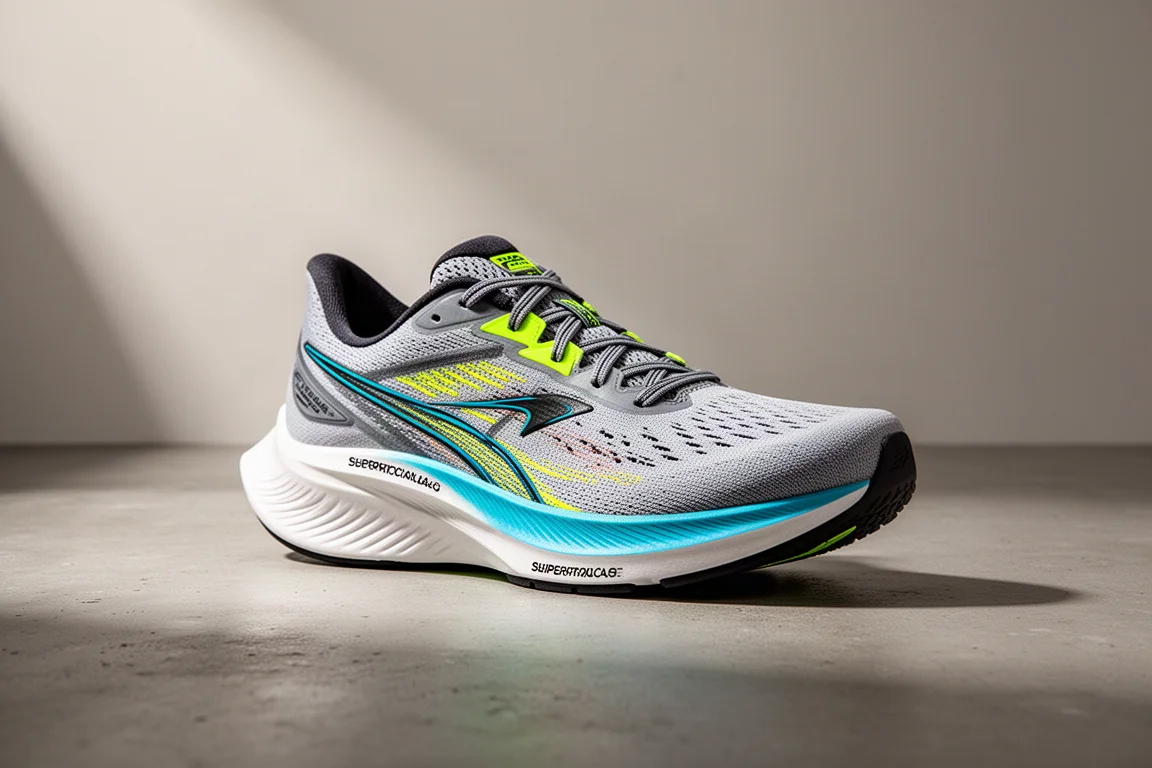
The Adidas Adizero Adios Pro 5 is not a refresh. Adidas went for a full overhaul, taking ideas proven in the Adios Pro Evo 3, the elite racing shoe built to break the sub-2 hour barrier, and translating them into a more democratic package for fast everyday runners. The headline numbers are significant: 9% more energy return across the entire shoe, a 12% weight reduction to 177 grams, and a geometry reworked around a new stiffening system. After extended miles in the shoe, the changes do not just show up on a spec sheet. They show up in how the ride feels deep into a run.
The Energy Rim: From Rods to a Rim
The biggest structural change is moving from internal rods to what Adidas calls the energy rim. The previous design placed three to four millimeter thick rods directly under the forefoot, taking up space. Removing them allowed Adidas to fill that area with energetic, high-resilience foam, especially under the metatarsals where propulsion happens.
Moving the stiffening agent to the outer rim, on both the lateral and medial sides, does two things. It preserves the stiffness the shoe needs while enhancing the trampoline effect, and it helps guide the foot over the midsole. That second benefit matters most late in a marathon, when soft, compliant foams start to feel less controlled and fatigue pulls runners off line.
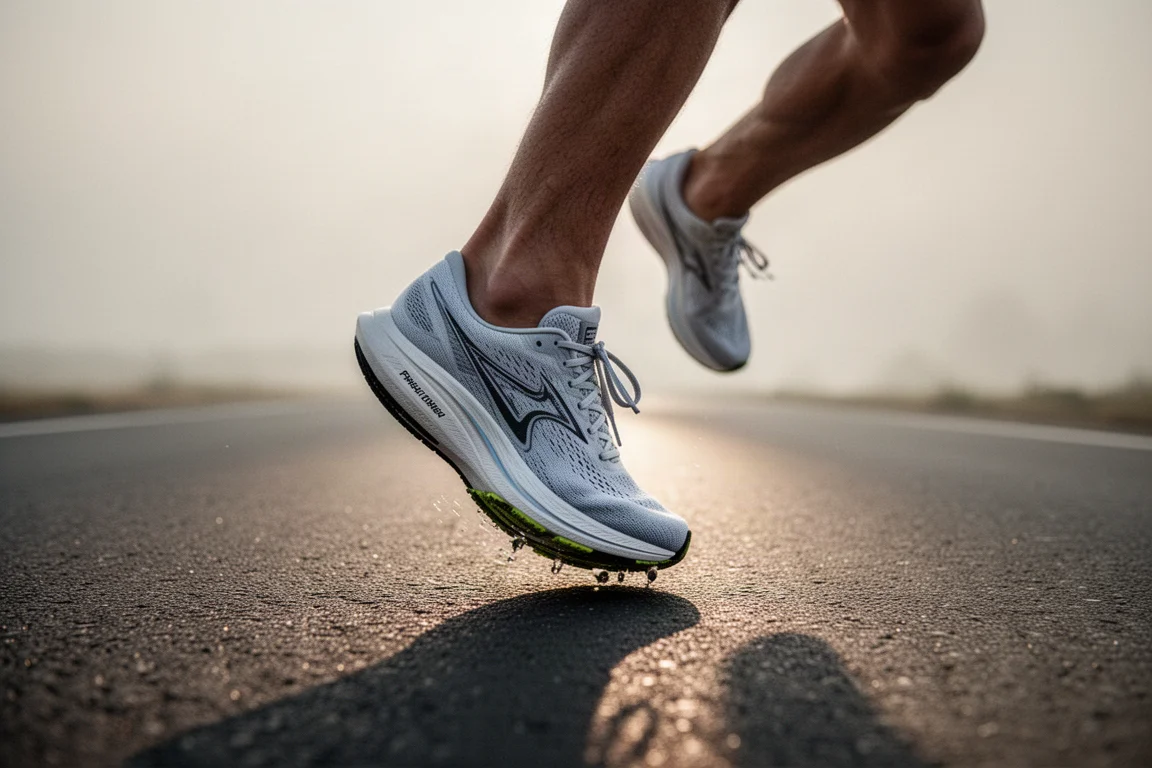
The result in practice is a shoe where the foam’s softness and bounce are no longer muted by hardware sitting directly underfoot. Many testers report they can genuinely feel the compliance and resilience of the midsole, something that often gets lost in plate-heavy designs.
Geometry, Drop, and Ride Changes
The rocker geometry stays largely unchanged from the Pro 4. The rocker point still sits at 60% and the radius is identical. What did change is the drop: from 6mm down to 4mm, with stack heights of 39mm at the heel and 35mm at the forefoot. Adding foam under the forefoot follows the lesson from the Evo 3 that more foam under the metatarsal joints increases energy return and pop.
Despite the lower drop, the shoe does not feel dramatically low. The combination of the rim, a slightly firmer bottom layer of Lightstrike Pro beneath a softer top layer, and a small posterior heel flare balances the system. The firmer bottom layer creates perceived stability underfoot, while the extended heel, a visual nod to the Pro Evo 3, adds a bit of extra stability for heel strikers and reduces rearfoot compression.
Midfoot strikers will notice the midfoot area has been closed in and widened, making the transition through the gait cycle smoother. Frontal plane stability is also measurably better than the Pro 4, which was well liked as long as you ran in a straight line.
Outsole and Traction
Adidas combined Continental rubber in the toe area, where final push-off acceleration happens, with a full-length light traction outsole. The pattern is engineered to balance grip in both dry and wet conditions, a pairing that is far harder to achieve when surfaces get wet.
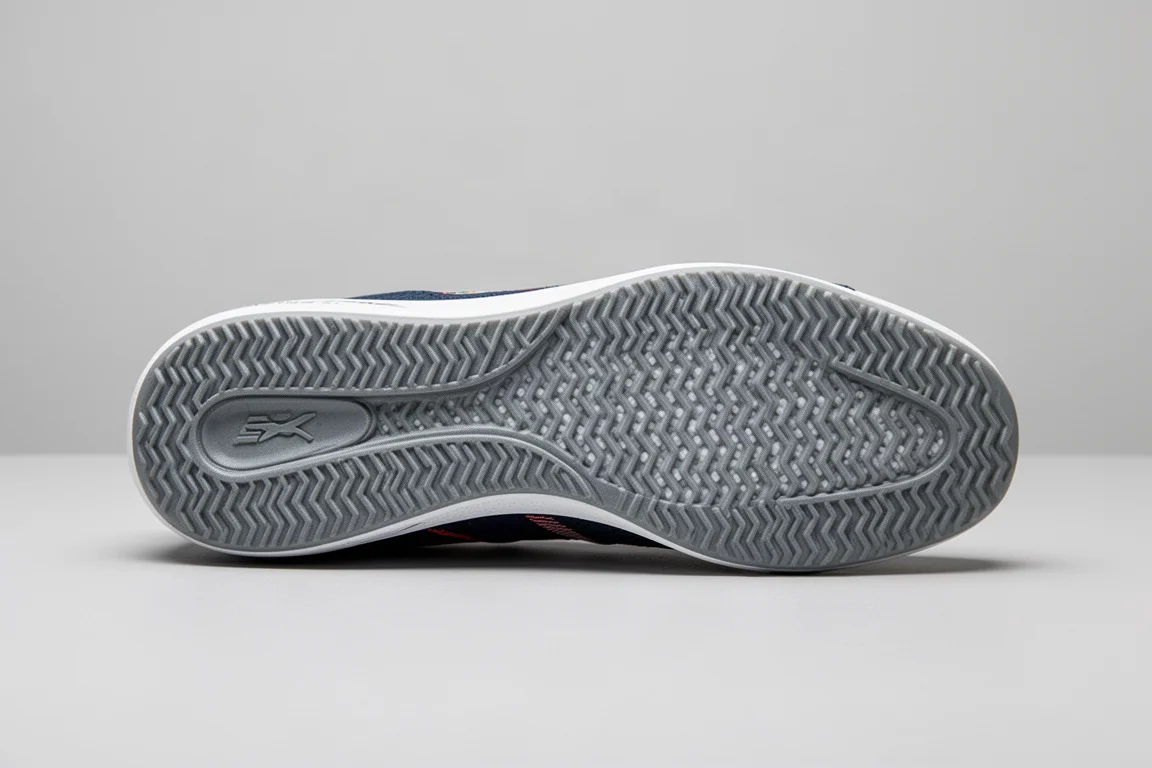
One decision stands out: Adidas kept the midfoot section intact rather than cutting it out to save weight. Removing the outsole creates shearing forces where the foam can splay into hollow areas, and a full-length platform helps keep the foam behaving consistently as you transition through the gait cycle. Keeping the platform’s integrity also helps durability, since exposed super foams wear faster in uncovered areas.
For runners who routinely destroy racing outsoles, the light traction setup has proven remarkably hard to wear down, and there are no exposed edges or cutouts to catch and rip.
Upper, Fit, and Heel Comfort
The upper uses a lightweight woven material with Light Lock technology, creating a holistic lightweight fit system. A gusseted construction gives a sock-like fit that settles in immediately: slip it on, lace it once, and it is go time, with no tongue slip or mid-run re-lacing.
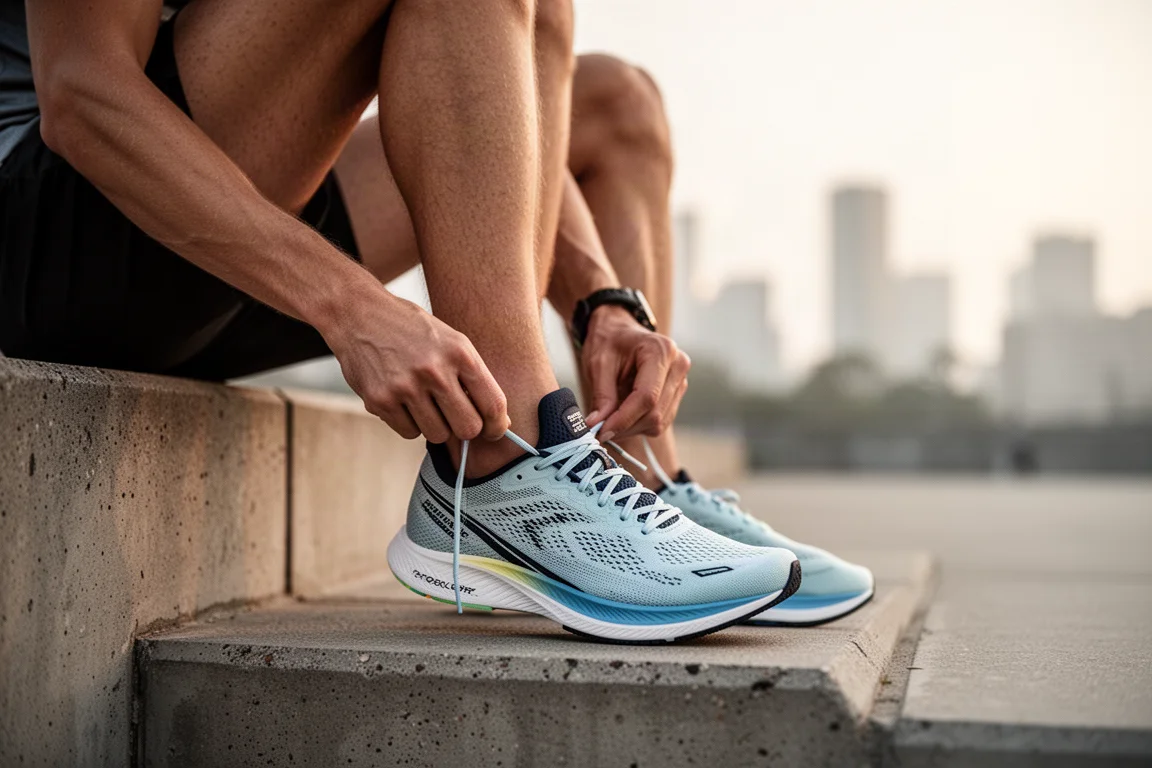
The heel construction is arguably the standout. The padding height and thickness sit just high enough to avoid pressure on the Achilles insertion point, an area that is notoriously sensitive to compressive forces. Six years of iteration from the Pro 1 through the Pro 5 went into finding that sweet spot. The fit runs close-fitting, but over long runs it has produced no blistering issues.
Longevity and How the Shoe Ages
This is one of the most tested shoes Adidas has built, validated through mechanical component testing, lab biomechanics and physiology work, and field testing in Germany, Kenya, Ethiopia, and the US. The full-length outsole and gap-free midsole contribute to a more consistent ride across the shoe’s lifespan rather than just when new.

The design philosophy is that weight is only one piece of the puzzle. Cutting mass further was possible, but the sacrifices in stability, energy return, and comfort would have been too high. The Pro 5 optimizes stiffness, weight, support, and energy return as a package, which is what keeps the ride smooth over a marathon distance and throughout the shoe’s life.
Buying Advice
The Adizero Adios Pro 5 makes sense for fast runners racing half marathons through the marathon who want a supershoe that stays stable when fatigue sets in. If you have sensitive Achilles issues, the 4mm drop deserves attention, though the balanced geometry and posterior flare make it feel less low than the numbers suggest. Runners who liked the Pro 4 but found it unstable outside a straight line will find the frontal plane improvements are the most meaningful change. Heavier heel strikers and late-race forefoot shifters both get something from the extended heel and firmer bottom layer. Anyone chasing absolute minimum weight at all costs may still prefer the Pro Evo line, but for a race-day shoe you can actually train in and race in with confidence, the Pro 5 is the more complete package.
Conclusion
The Adizero Adios Pro 5 is the product of a clear development philosophy: put the athlete first, test relentlessly, and balance weight against comfort rather than chasing numbers. It is lighter, more energy efficient, and noticeably more stable than its predecessor, with an upper and heel that solve long-standing fit problems. For marathon racers, it is a genuinely considered evolution rather than a cosmetic update.
Product link
View more details for Adidas Adizero Adios Pro 5
This product is mentioned in the review. Check the specifications, options, and compatibility before buying.
View more details for Adidas Adizero Adios Pro 5Further reading
Related Reviews
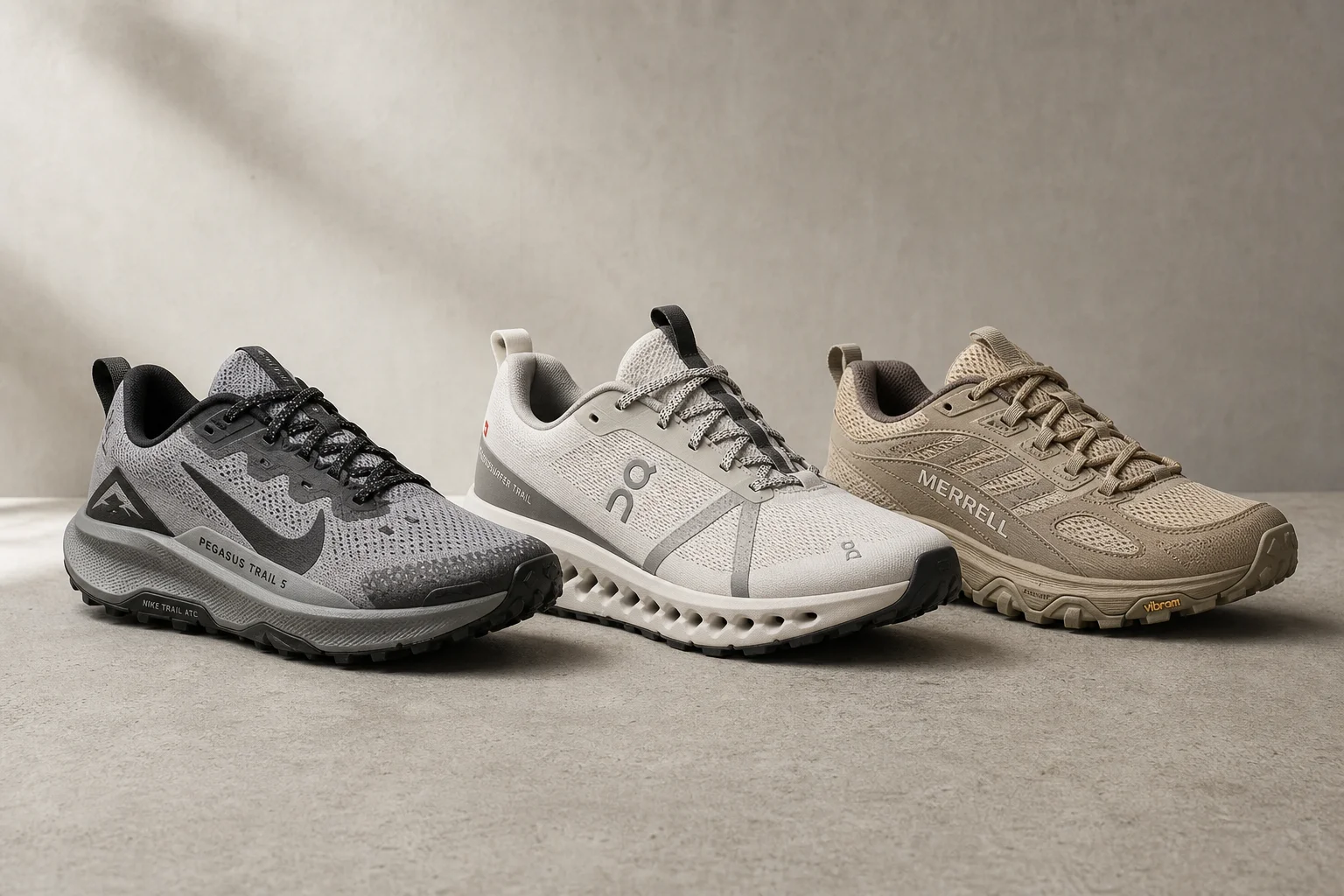
Running Shoes
Best Road-to-Trail Running Shoes: Three Versatile Options for Mixed Terrain
A practical guide to three road-to-trail running shoes that handle both pavement and mild trails, with clear strengths and trade-offs for different runner types.
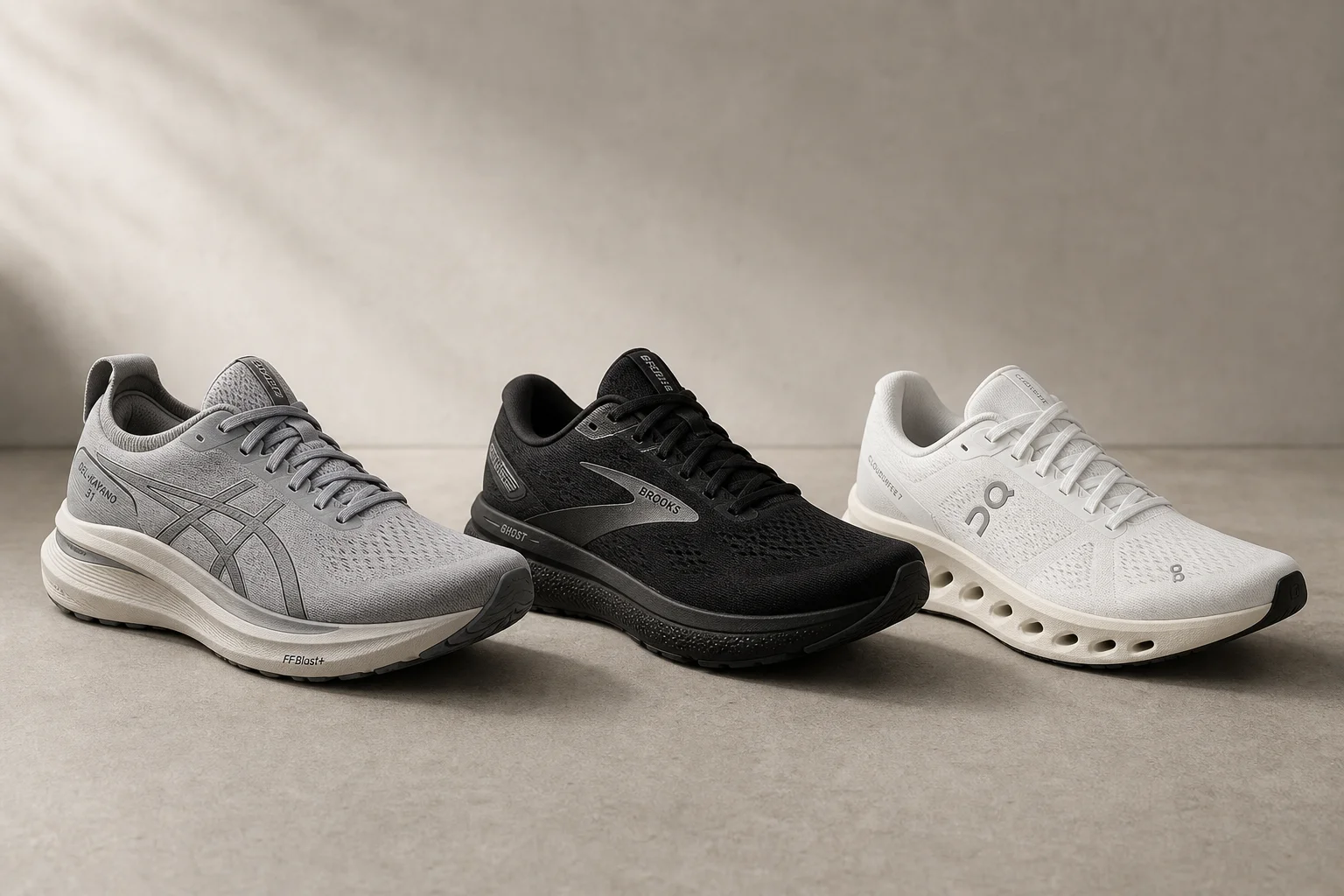
Running Shoes
Best Running Shoes for Achilles Tendonitis: Three Options Explained
Three running shoes with different heel drops and support features designed to help reduce Achilles tendon pain during walking and running.
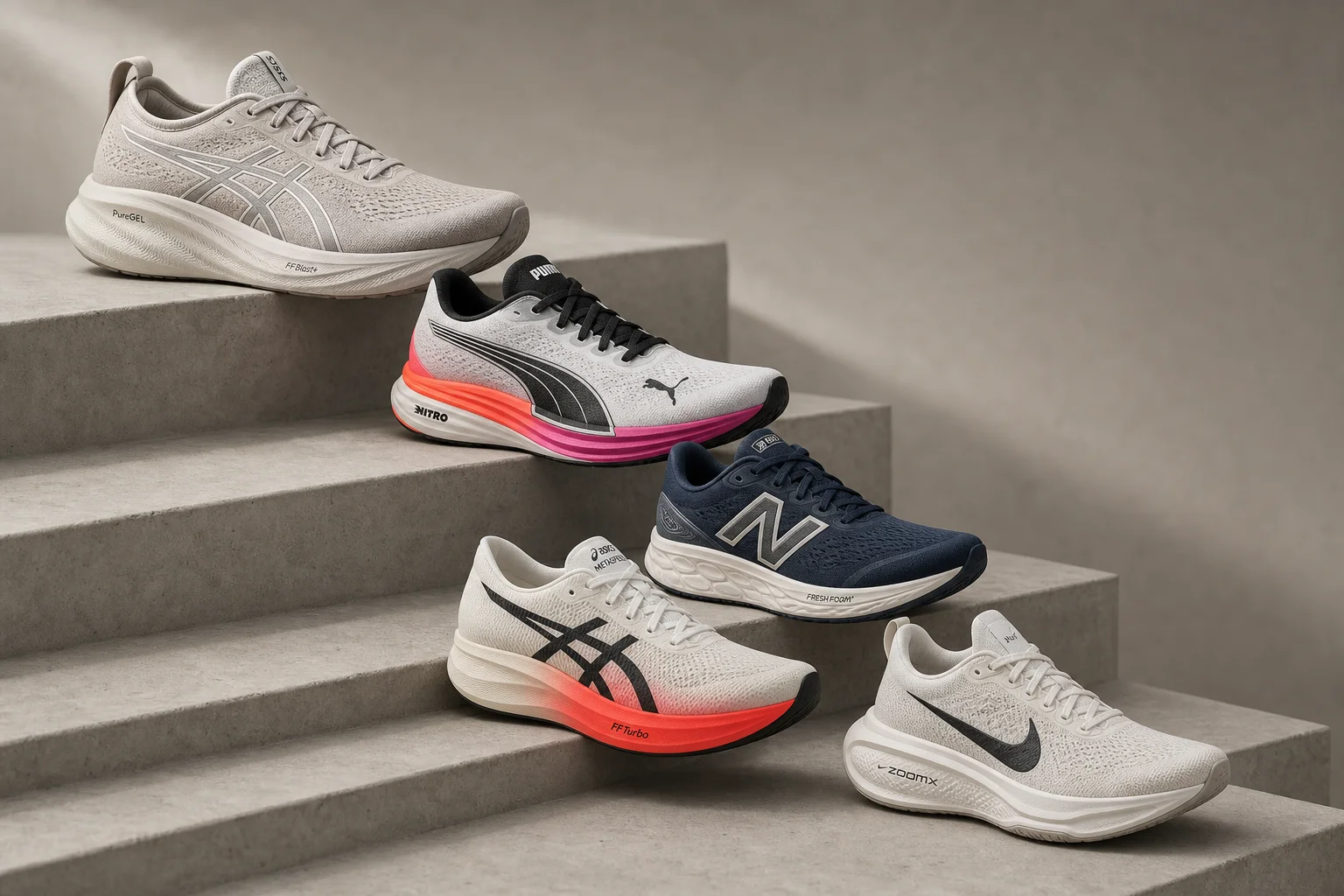
Running Shoes
Best Running Shoes for Women: Five Top Choices Ranked
A ranked guide to five women's running shoes, from versatile daily trainers to high-performance racing options, with real strengths and trade-offs for each.