Running Shoes
Adidas Adizero Adios Pro 3 vs Adios Pro 4: Should You Upgrade?
The Adios Pro 4 looks similar to the Pro 3 but rides very differently. Here is how the two Adidas super shoes compare on weight, foam, stability, fit, and traction.
Introduction
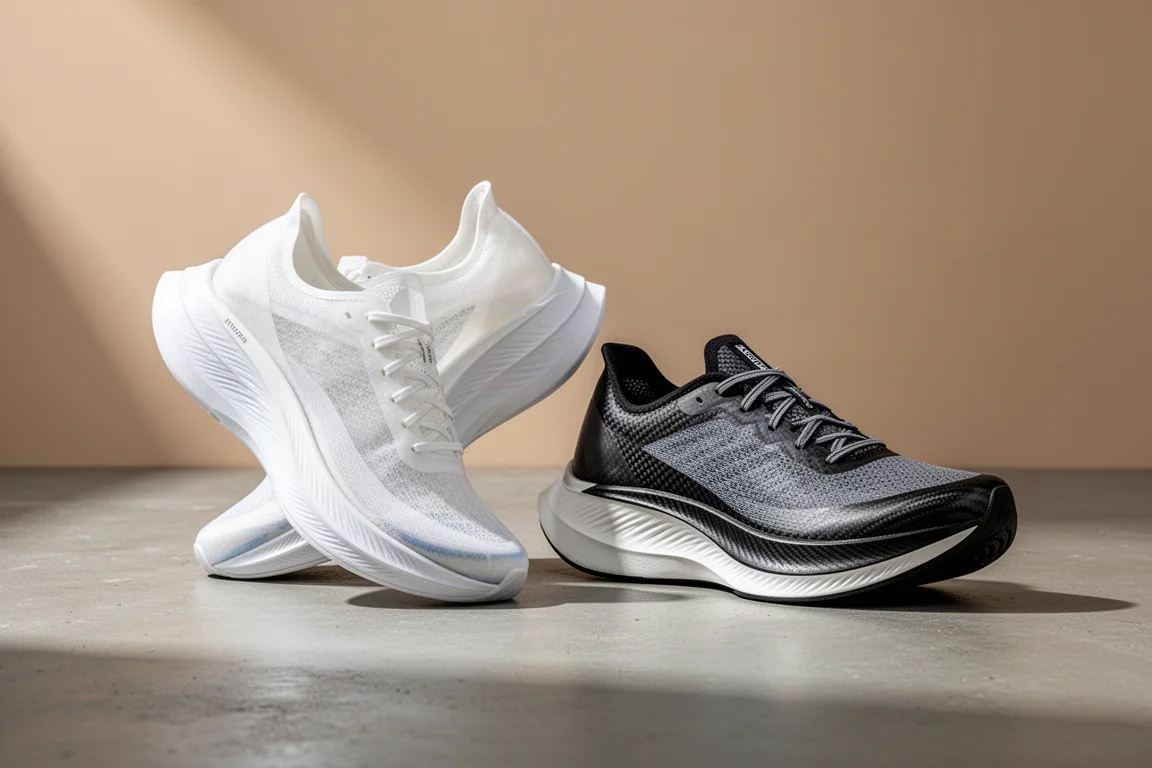
The Adidas Adizero Adios Pro series sits at the top of Adidas’s super racing shoe line, and the two most recent versions look similar at a glance while performing very differently on the road. The Adios Pro 3 earned a reputation as a versatile, comfortable people’s racer with a bit more guidance from its stiff rods. The Adios Pro 4 keeps that DNA but pushes hard toward speed: it is lighter, bouncier, and considerably more aggressive.
This comparison is useful in two directions. If you already own the Pro 3 and are wondering whether to move up to the Pro 4, the answer depends heavily on how you run and at what paces. And if you are choosing between the two for the first time, the right pick is less about which shoe is better and more about which running style it matches. After significant mileage in both, the differences come down to ride character, stability, fit, and traction.
Specs and Weight
In a men’s size 10, the Adizero Adios Pro 3 comes in at 8.5 oz, roughly 240 g. The Adios Pro 4 is noticeably lighter at 7.6 oz, about 216 g, which is a fairly large weight drop for a shoe in this category.
Stack height is essentially the same across the pair: 39 mm in the heel and 33 mm in the forefoot, for a 6 mm drop. So the weight saving is not coming from a slimmer midsole. Both shoes also use Lightstrike Pro foam, though that shared name hides very different ride characteristics, which is where the real divergence begins.
Midsole and Ride Feel
The Pro 3 leans slightly firmer. Its stiff rods keep the ride controlled rather than bouncy, but there is still enough rebound and cushioning to make it genuinely comfortable. It works across easy runs, long runs, and up-tempo efforts without ever feeling like too much shoe.
The Pro 4 feels like a completely different proposition. Despite the identical stack numbers, the midsole reads as much taller underfoot, with a lot more bounce and an early, aggressive transition that comes from moving the forefoot rocker back slightly. At 5K and 10K paces it feels excellent, bouncing and pushing you forward in a way the Pro 3 never quite did.
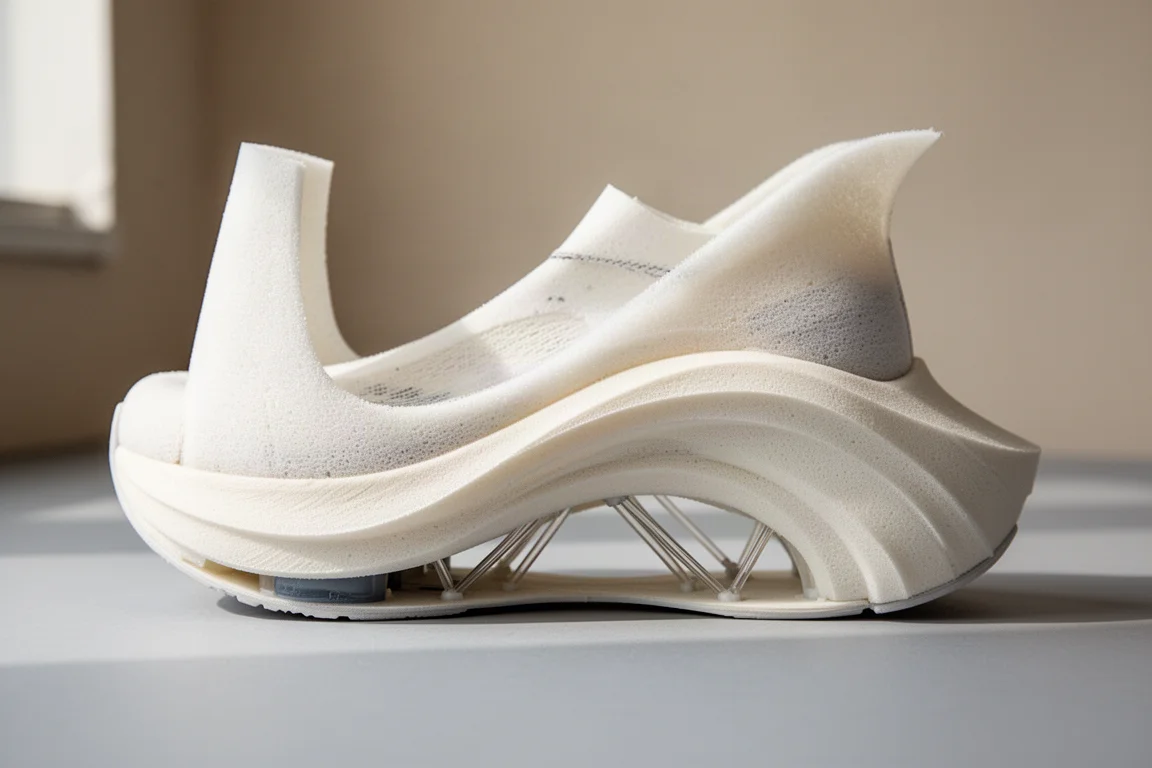
That aggressiveness has a cost: stability. The energy rods are still present in the Pro 4, but the extra bounce mutes their stiffness. The midfoot feels noticeably less secure, and the shoe leans toward the lateral side. The Pro 3, by contrast, feels more centered overall and better suited to runners who want some midfoot guidance. Both shoes keep lateral guidance in the forefoot, and the Pro 4 emphasizes that lateral push even more thanks to its softer, more compressible foam.
Traction and Durability
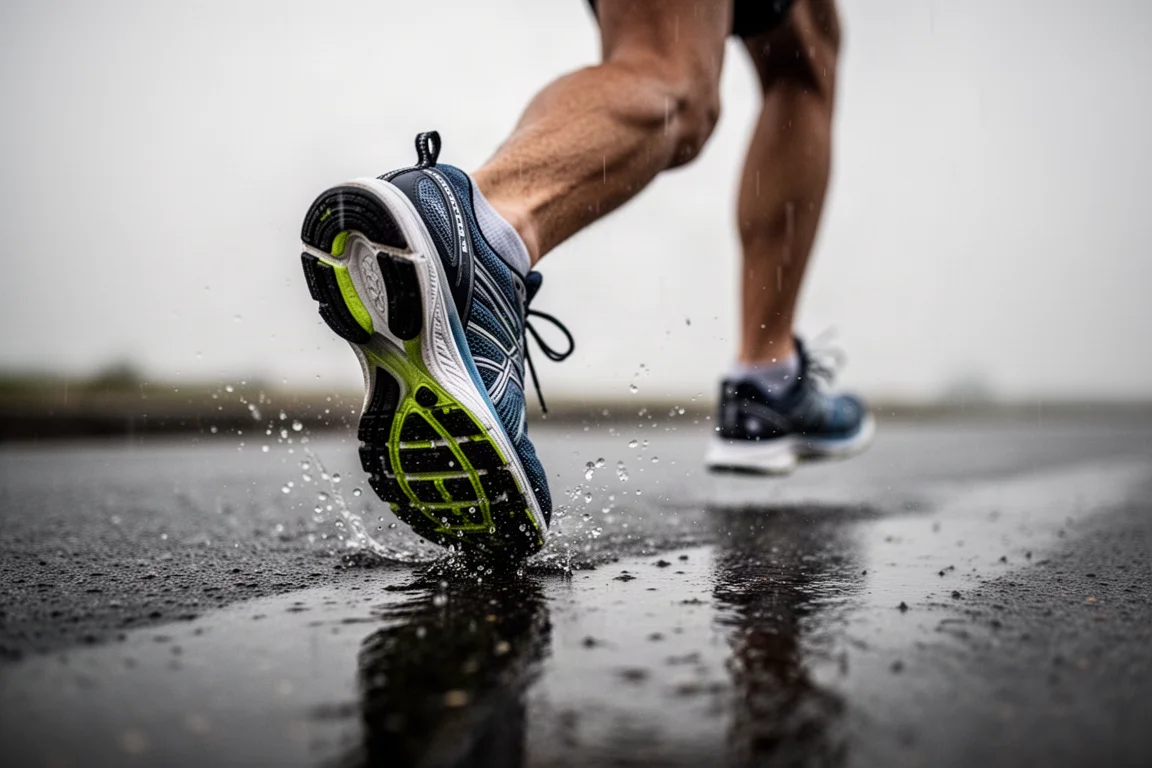
Traction is one of the clearest upgrades. The Pro 3’s grip was merely average, fine on softer surfaces but nothing to write home about, and it degraded noticeably past the 100-mile mark as the sole smoothed out. The Pro 4 grips noticeably well, holding its own even on wet pavement, and it is easy to grip and pull through toe-off.
Early durability on the Pro 4 looks promising, with no signs of wear after roughly 20 miles. Long-term outsole wear beyond 100 miles remains the one thing worth watching, but the wet-road confidence alone is a meaningful step forward.
Upper and Fit
The Pro 3 uses a structured, slightly see-through mesh upper that gives the shoe a bit more body and room throughout. It ran slightly long for some people, and it fits true to size with plenty of space. There is a small amount of heel stiffness, though nothing intrusive.
The Pro 4’s Lightstrike upper is much lighter and thinner, and it locks the foot down more aggressively. It is slightly snug along the length of the shoe, with lower forefoot volume, and the toe guard can put pressure on the big toe. That pressure eased after around 20 miles of break-in, but runners between sizes should seriously consider going up a half size. On the plus side, the heel is essentially unstructured, which makes the Pro 4 an excellent choice for anyone with sensitive heels or heel spurs.
Which One Should You Buy?
If you want a shoe that does a bit of everything, the Adios Pro 3 is the easier recommendation. It handles easy runs, long runs, and marathon-pace work with composure, and its extra structure helps runners who want some stability in the midfoot. It is the more forgiving, more versatile of the two.
If you are a faster runner with a long, open stride and a strong toe-off, the Adios Pro 4 is the more exciting shoe. It rewards speed, feels lighter and bouncier, and its traction is a genuine upgrade. It is less stable at the midfoot, fits snugger, and feels less natural at easy paces, so it suits runners who will actually use it where it shines.
Both shoes sit at the same price point, and the Pro 4 is arriving at retailers imminently. If you are between sizes or have heel sensitivities, weigh those fit details carefully before choosing.
Conclusion
The Adizero Adios Pro 3 and 4 are not interchangeable. The Pro 3 remains the versatile people’s racer, comfortable at a wide range of paces with better midfoot guidance. The Pro 4 is the sharper tool: lighter, bouncier, faster at 5K and 10K paces, with better traction and a more forgiving heel, but less stable and less roomy. Match the shoe to your paces and fit preferences, and either one can earn its place at the start line.
Product link
View more details for Adidas Adizero Adios Pro 3
This product is mentioned in the review. Check the specifications, options, and compatibility before buying.
View more details for Adidas Adizero Adios Pro 3Further reading
Related Reviews

Running Shoes
Best Road-to-Trail Running Shoes: Three Versatile Options for Mixed Terrain
A practical guide to three road-to-trail running shoes that handle both pavement and mild trails, with clear strengths and trade-offs for different runner types.

Running Shoes
Best Running Shoes for Achilles Tendonitis: Three Options Explained
Three running shoes with different heel drops and support features designed to help reduce Achilles tendon pain during walking and running.

Running Shoes
Best Running Shoes for Women: Five Top Choices Ranked
A ranked guide to five women's running shoes, from versatile daily trainers to high-performance racing options, with real strengths and trade-offs for each.