Running Shoes
Adidas Adizero Adios Pro 3 First Run Review: A More Stable Carbon Racer
Early miles in the Adizero Adios Pro 3, with a side-by-side comparison against the Adios Pro 2 covering fit, stability, ride feel and the price jump.
Introduction
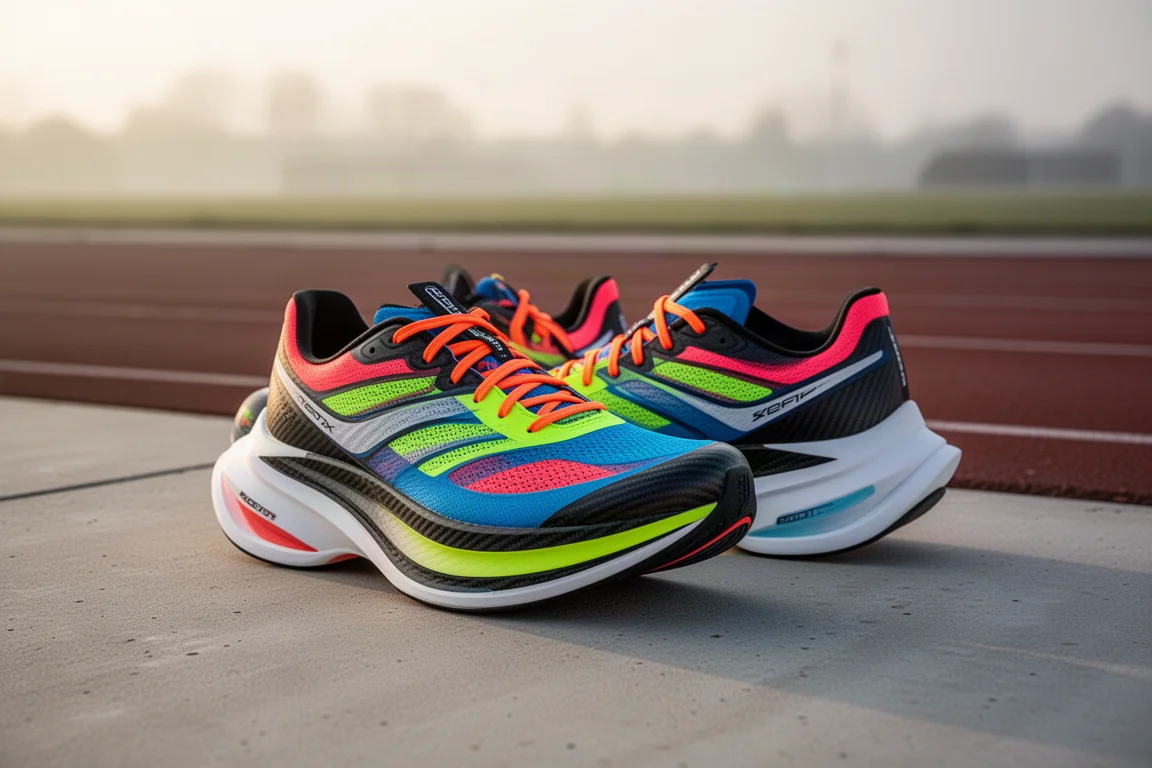
Adidas calls the Adizero Adios Pro 3 the ultimate long-distance road racing shoe. This first run test covers the early miles, the key changes from the Adios Pro 2, and what they mean for fit, stability and ride feel.
The headline specs are straightforward: a 39.5mm heel stack with 33mm at the forefoot, a 6.5mm drop, and a big price change. The Adios Pro 2 cost 180 pounds in the UK; the Pro 3 is now 220 pounds in the UK and 250 dollars in the US. That jump frames the whole buying decision, and we will come back to it at the end.
What Has Changed on the Adios Pro 3
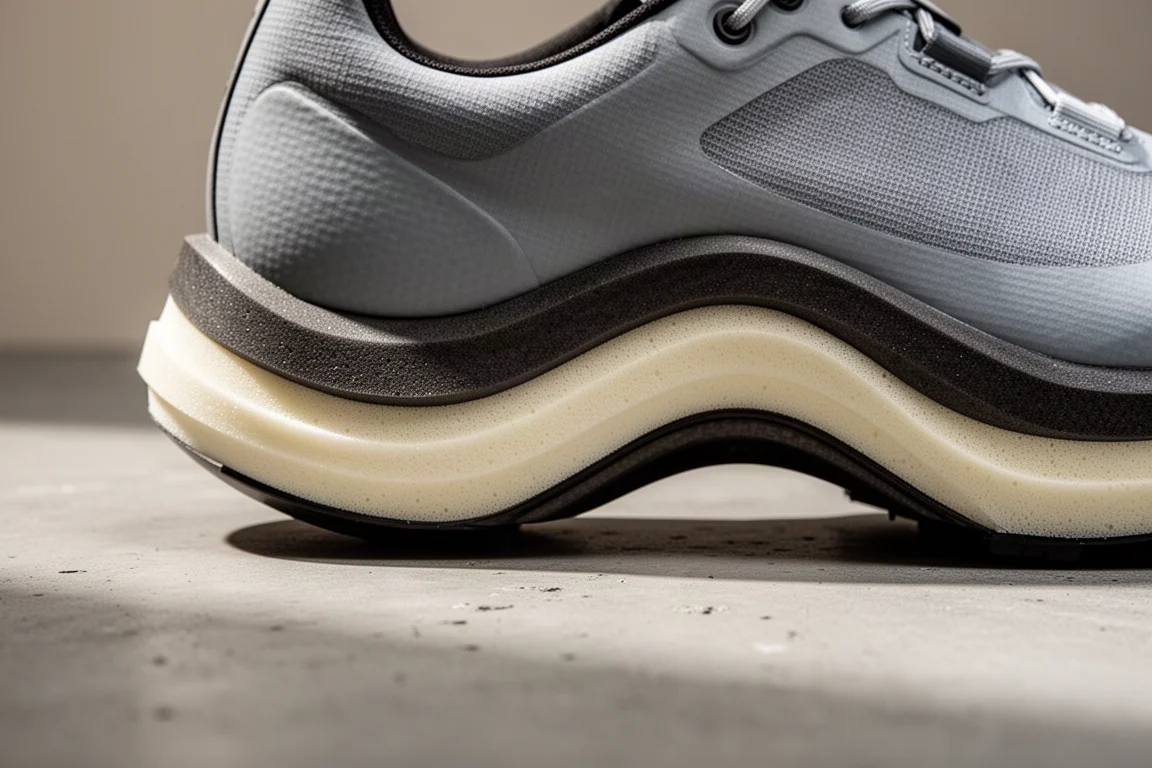
The dual-density Lightstrike Pro foam carries over from the Pro 2, but the midsole shape is different. The drop has dropped from 10mm to 6.5mm, achieved by adding 4mm of extra foam at the forefoot. The carbon element has been revised too: the Energy Rods are now a single piece rather than separate rods, while still running carbon under each metatarsal. On the earlier shoe, some runners had issues with individual rods breaking, and the one-piece design is meant to fix that.
The upper is more lightweight than before and feels a little more rigid. The tape overlays that wrapped around the foot on the Pro 2 have been cut back to a single strap over the top of the foot plus a few smaller structural pieces. The lacing has also changed: the last two eyelets are built into the upper as reinforced, slightly raised bumps rather than standard holes, which held the laces firmly during running.
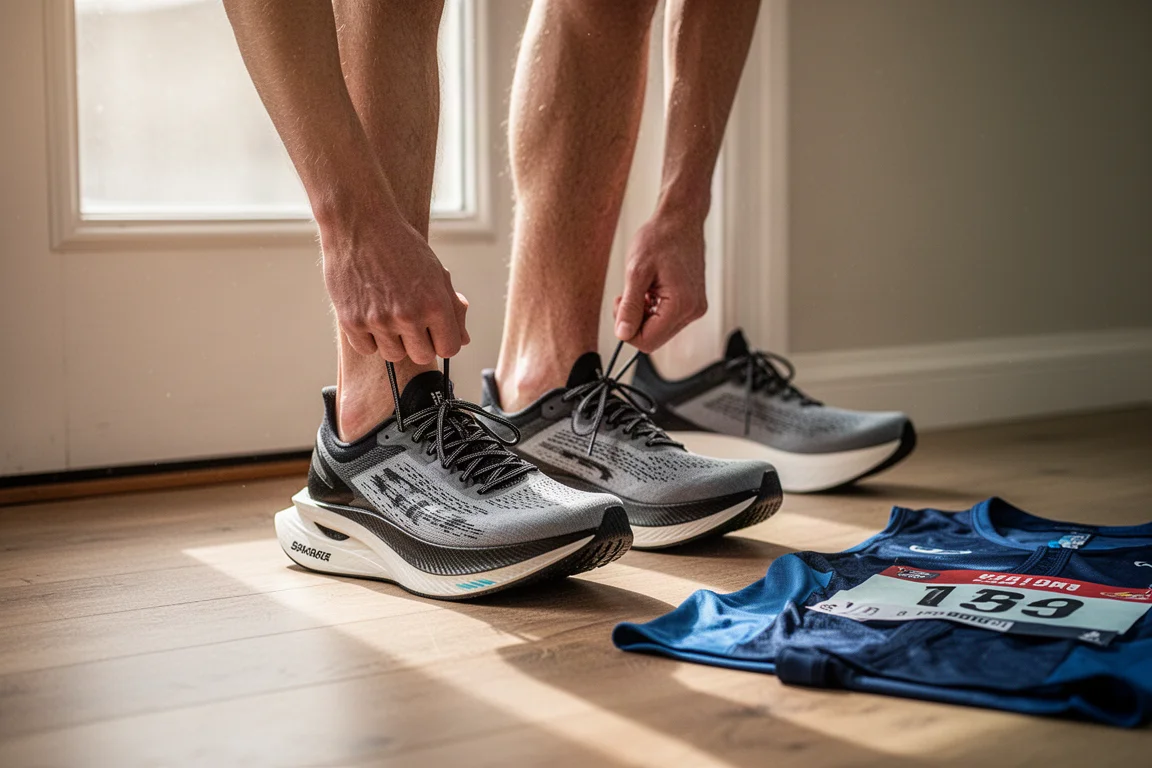
At the heel, there is noticeably less padding in the collar than on the Pro 2. Instead, you rely on internal pads plus a heel tab that folds down after you pull the shoes on, so it stays out of the way of the Achilles. Underfoot, the Continental rubber outsole remains, with a similar placement pattern to the Pro 2, two heel protection zones, some rubber cut away in the forefoot to save weight, and extra reinforcement where toe strikers are likely to land.
Fit and Sizing Notes
The tester ran in a UK 8.5, his normal size, and suggests going true to size as a starting point. However, the fit is genuinely different from the Pro 2. The midfoot feels narrower, and the toe box narrows more than before. With wide feet, this caused rubbing on one foot, and a half size up turned out to fit perfectly, removing the risk of toe cramping that the normal size seemed likely to cause. On the Adios Pro 2, the normal size had fit correctly.
Another tester had no problems at the heel or midfoot and was happy in a half size up. The takeaway: if you have wider feet, it is worth trying a half size up, and expect to work with the upper a little before it disappears on the foot.
Ride and Stability
The most obvious improvement is the base. The Pro 3 is slightly wider, by millimetres or so at the widest point of the forefoot, with more width coming back through the midfoot and heel. Combined with the lower drop, this changes the ride sensation significantly.
Running the two shoes side by side, the difference is pronounced. The Pro 3 feels much firmer across the whole foot. It is not hard: it is still squishy and gives super foam response, but it forms a far more stable platform. The narrowing around the midfoot and arch, which was pronounced on the Pro 2, is far less so on the Pro 3. The heel cutaway on the Pro 2 is also much less prominent on the Pro 3, which improves how the shoe handles when you rock back on your heels, adding protection and a bit more platform there.
The comparison to make is with the Asics Metaspeed Sky Plus: this is a shoe that rewards a stable base rather than maximum punch. Coming straight from the AlphaFly 2, there is noticeably less immediate spring in the Adios Pro 3, and it is not as punchy. It is also not as light, aggressive and nimble as something like the Takumi Sen for all-out shorter efforts. In that sense, it sits a little in between: built like an AlphaFly in weight and girth, without that shoe’s bounce and efficiency, and without the tippy-forward aggression of the Vaporfly or Takumi Sen.
First Runs: The Honest Verdict So Far
The first outing was a demanding session in hot conditions: a warm-up 5k around 3:35 pace, a hard parkrun, then a 10k at 3:35. On that day, the shoes did not leave a hugely positive impression. They felt reasonably firm for a high-stack shoe with a good snap, but not especially light or aggressive at parkrun pace, and they did not deliver that leg-saving, tippy-forward feeling at the slower 3:35 sections.

The second tester’s experience was more encouraging. A 10k mixing very slow, steady and quicker miles on tarmac and compacted river path went well. He enjoyed the run, felt the stability had genuinely improved, and rated it a really solid set of carbon-plated shoes, with the caveat of painful rubbing at the base of the big toe knuckle on the left foot by the end of a 55-minute run. Lace adjustments did not fix it, and it eventually stopped him running faster intervals in them. The same issue did not occur on the right foot, so it may not affect everyone.
Both testers agreed on one thing: first impressions of the Adios Pro 2 were not great either, and that shoe went on to rank highly among carbon racers. Longer, harder efforts are where this range tends to prove itself.
Adios Pro 3 or Adios Pro 2
Based on early miles, the Pro 3 looks like a small step forward. The wider base, firmer platform, lower drop and improved heel area add up to noticeably less wobble and more control. That makes it a shoe that can handle a wider variety of miles, from all-out racing to more of them in training.
The trade-off is a possible loss of punch. The Pro 2 may still feel a little poppier, though that is a matter of margins rather than a clear downgrade. Asked to choose after a mile in each, one tester preferred the Pro 3 all day long.
Should You Buy Them?
If you already own and love the Adios Pro 2 and found the fit worked, the Pro 3’s improved stability is a genuine reason to consider the upgrade, provided you check the narrower toe box in store or size accordingly. For marathon training and long hard efforts, the firmer, more stable platform should suit well.
The bigger question is price. At 220 pounds or 250 dollars, the Pro 3 has left behind the wallet-friendly positioning of the 180-pound Pro 2 and now competes directly with the Asics Metaspeed Sky 3 and the Vaporfly line on value. Judged purely on the ride, the Pro 3 impressed our testers as an improved, more controllable racer. Judged on value, the competition is much stiffer this time around. A full verdict will follow after more testing, including longer miles.
Conclusion
The Adizero Adios Pro 3 is a genuine refinement rather than a reinvention: more stable, firmer, lower drop, and easier to control at a wide range of paces, at the cost of a little pop and a much higher price. For runners who valued the Pro 2’s ride but wanted a more trustworthy base, it is an easy recommendation. For those shopping purely on value, the new price point invites a closer comparison with its rivals first.
Product link
View more details for Adidas Adizero Adios Pro 3
This product is mentioned in the review. Check the specifications, options, and compatibility before buying.
View more details for Adidas Adizero Adios Pro 3Further reading
Related Reviews

Running Shoes
Best Road-to-Trail Running Shoes: Three Versatile Options for Mixed Terrain
A practical guide to three road-to-trail running shoes that handle both pavement and mild trails, with clear strengths and trade-offs for different runner types.

Running Shoes
Best Running Shoes for Achilles Tendonitis: Three Options Explained
Three running shoes with different heel drops and support features designed to help reduce Achilles tendon pain during walking and running.

Running Shoes
Best Running Shoes for Women: Five Top Choices Ranked
A ranked guide to five women's running shoes, from versatile daily trainers to high-performance racing options, with real strengths and trade-offs for each.