Running Shoes
Adidas Adizero Adios Evo Pro 1 Review: The Lightest Super Shoe, With Big Trade-Offs
Adidas built the lightest commercially available super shoe on the market, but the Evo Pro 1 demands a very specific runner and a very specific budget.
Introduction
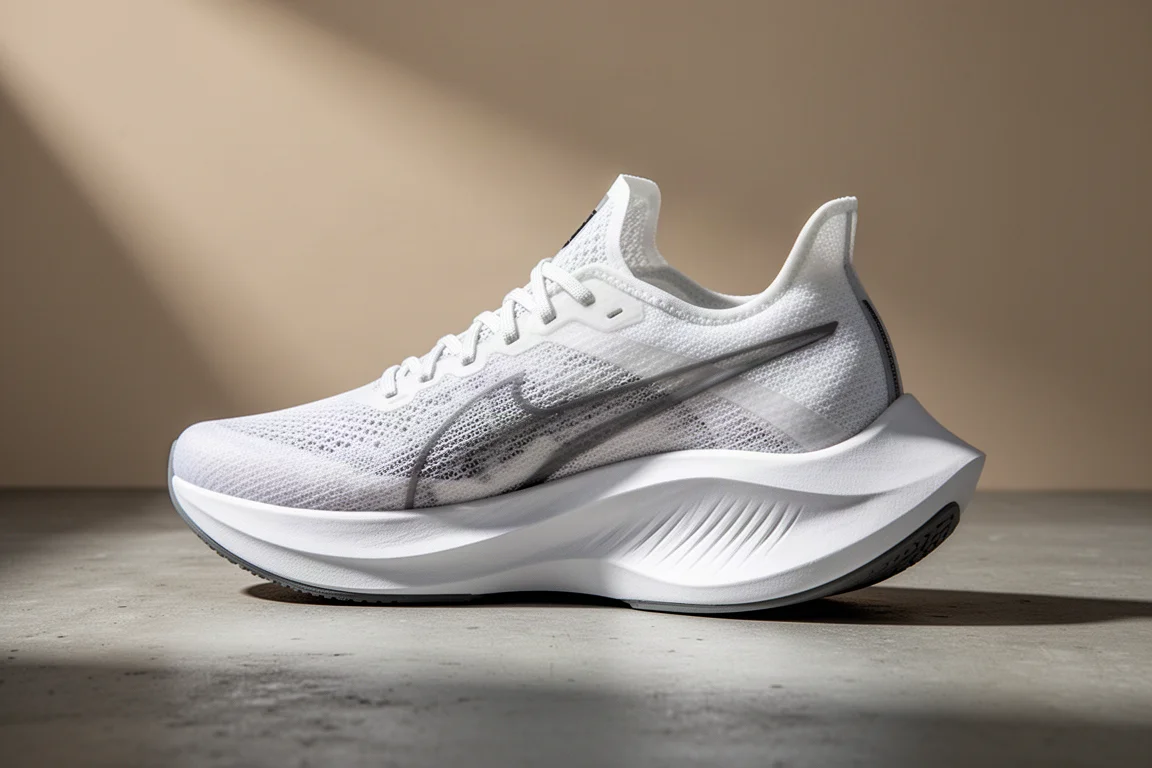
The Adidas Adizero Adios Evo Pro 1 is one of the most intriguing running shoes to appear in recent memory, and also one of the easiest to overhype. It holds a genuine technical distinction: at 138g in men’s size 9 / women’s size 10.5 (unisex sizing, 4.87 oz), it is the lightest super shoe that is commercially available. It is also priced at around $500, extremely hard to find, and built with a lifespan that will shock most buyers.
After spending real miles in it, the honest verdict is blunt: the majority of runners should not buy this shoe. It is built for a very specific population, and understanding whether you are in that group matters more than any spec sheet. Here is the full breakdown.
Who This Shoe Is For
Let’s start with the blunt part. Unless you are a super elite runner chasing personal bests at a level where every gram matters, or you simply have a lot of cash to burn, this is not the shoe for you. Adidas itself frames the Evo Pro 1 as a shoe good for one training run and one marathon or major key race, and that framing tells you everything about its intent.
The fit is surprisingly wide with a low volume: the toe box runs wider than expected, but the shoe sits low, so there is less vertical room than you might want. Lacing down snugly helps, though the delicate upper makes aggressive lace-locking feel risky. There is structure at the rear but not a true heel counter, and as is classic with Adidas, runners with some foot deformities may actually do very well here.
Specs and Construction
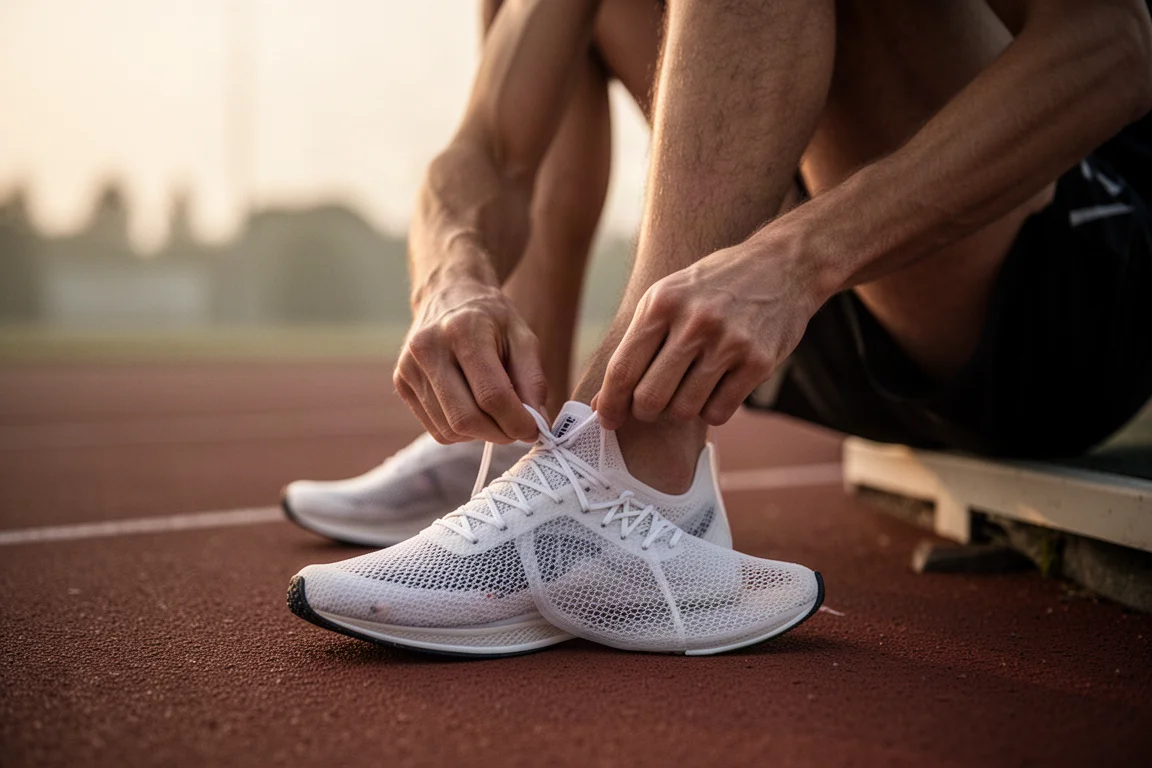
The numbers tell the story of a shoe stripped to the absolute minimum. The stack is 39mm at the heel and 33mm at the forefoot, for a 6mm drop that matches exactly what it feels like on foot. The upper is an ultra-light mesh that feels almost alarmingly fragile in hand but has held up well in use.
The midsole uses a new variation of Lightstrike Pro, reworked to be super light and super low density. Full-length carbon rods run through the shoe, creating a fairly stiff platform with essentially no flexibility, though the ride is remarkably smooth. This is a shoe that gets nearly everything from its extreme lightness: the moment you put it on, the sensation is almost disorienting, like there is nothing on your feet.
Ride Quality and Performance
From a pure performance standpoint, this is a shoe that is genuinely easy to love. The transition is super smooth, thanks to a really large heel bevel that provides a nicely laterally guided rearfoot transition, very classic Adidas, paired with an early forefoot rocker that rolls off the toe effortlessly.
The midsole is compliant rather than soft. It compresses under load and feels very protective, but it is only moderately responsive. There are plenty of super shoes with far more bounce, and the low foam density likely costs some of that rebound. That is the trade Adidas made for weight, and it is why the shoe works best at pace.
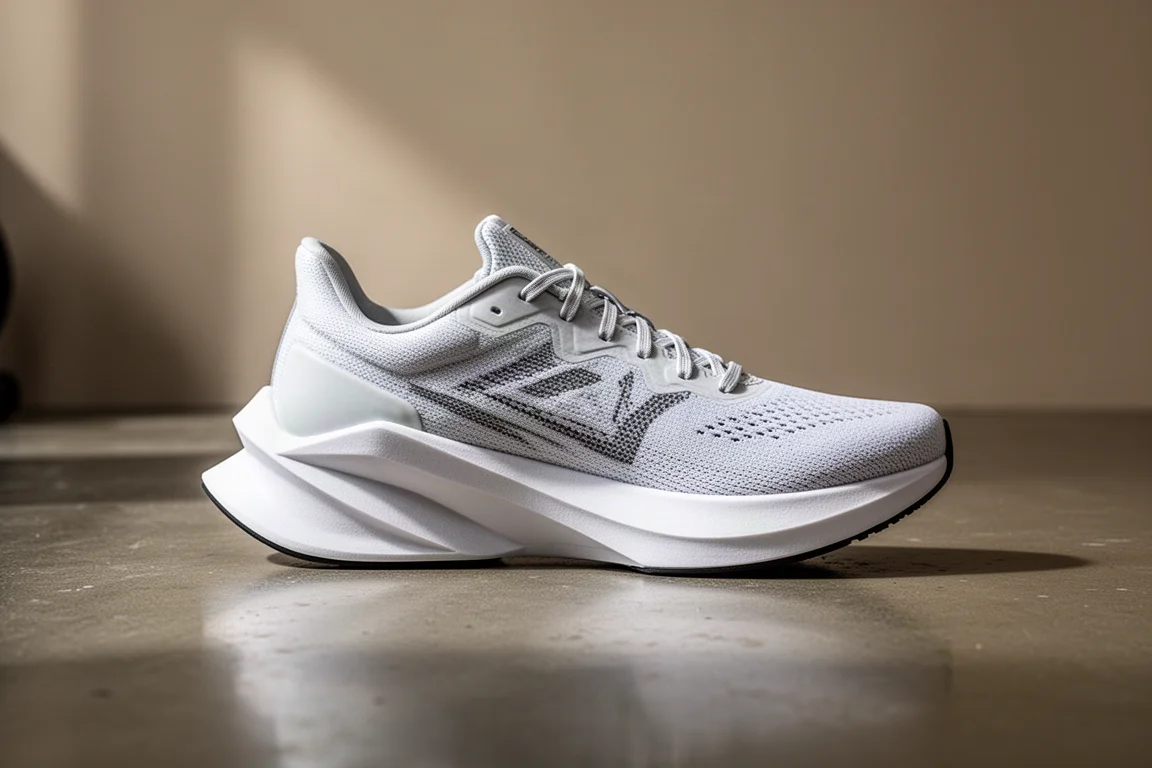
At 10K distance and up, rolling through longer intervals, threshold work, or tempo sessions, the Evo Pro 1 genuinely shines. The weight, the roll, and the geometry come alive at faster efforts. At 5K pace, it did not respond as quickly as hoped; quicker options like the Meta Speed Edge Paris or even the Takumi Sen 10 would be preferred for shorter races. And running slow in this shoe is simply not exciting: it does not feel special at easy paces.
Stability is split. The heel is laterally biased like many Adidas shoes and transitions nicely, but the midfoot is very narrow and unstable, with a real sensation of rolling off the side at slower speeds. The forefoot is excellent, with sole flares on both sides creating a centralized, nicely guided platform, best suited to runners with neutral midfoot mechanics.
Durability: The Big Problem
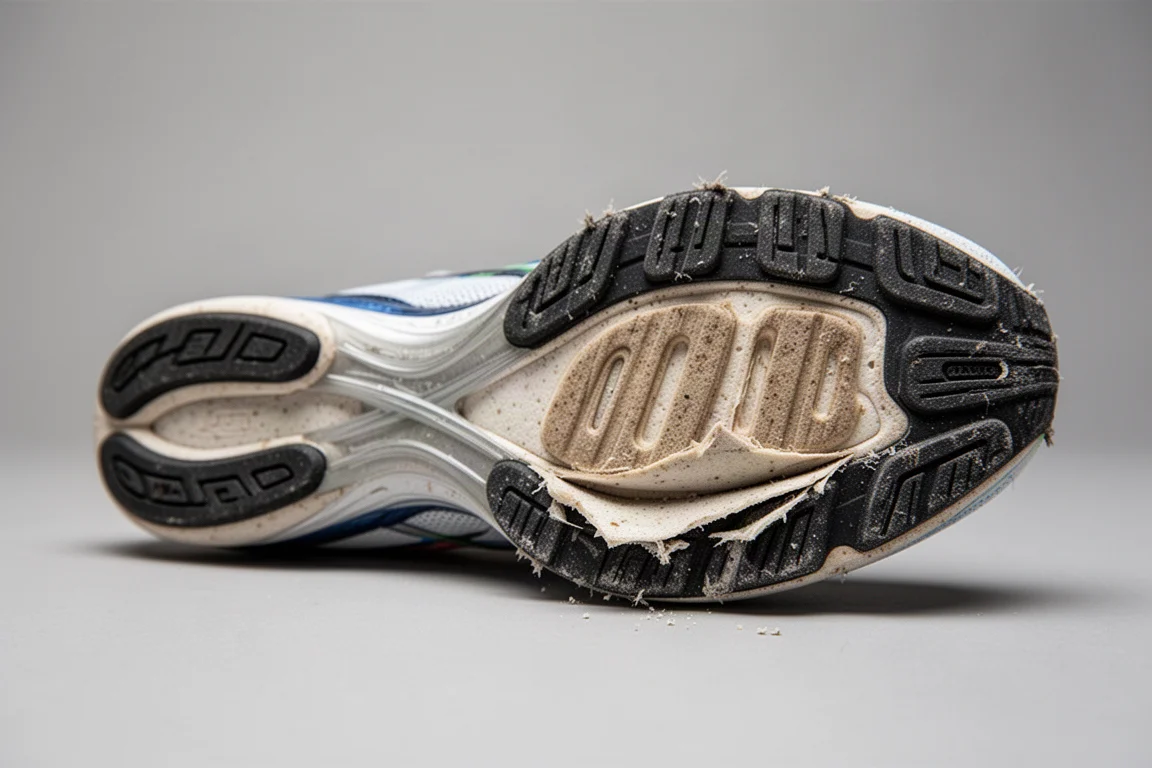
Here is where things get painful, literally and financially. Durability on this shoe is not that hot. The outsole tore off at just 10 miles, in the middle of a tempo run no less, requiring a mid-run stop to retrieve the piece before finishing. For a $500 shoe, that is deeply disappointing.
After a repair, the shoe carried around 25 total miles before being retired from testing. The concern is not just the outsole: with foam this low in density, compression over time is a real question, though in this case the outsole failed first. The message is simple: if you are hard on shoes or chew through outsoles, do not buy this shoe. You will rip through it before you ever get to race in it.
Only runners who are very light on their feet and gentle on outsoles should even consider it, and even then, the shoe has a short competitive window. Adidas’s own guidance of one training run and one key race is not marketing spin; it matches what the shoe delivers.
Buying Advice
The Evo Pro 1 makes sense in exactly one scenario: you are an elite or near-elite runner for whom a single tool that might set you apart, break a PR, or move your career forward is worth $500, regardless of lifespan. For that runner, this is an excellent, extremely fast long-distance weapon.
For everyone else, alternatives like the Adidas Adizero Adios line’s more mainstream options, the Meta Speed Edge Paris, or the Nike Vaporfly will deliver far more miles, plenty of performance, and roughly half the price. The Evo Pro 1 is best understood as a concept shoe: brilliant, cool to look at, and genuinely impressive, but not worth the money for most runners, especially with an outsole that gives up at 10 miles.

There is real hope here, though. If Adidas can carry the lessons from this project into a more affordable, slightly more durable version, that shoe could be special. For now, enjoy it from a distance and keep your $500.
Conclusion
The Adidas Adizero Adios Evo Pro 1 is the lightest commercially available super shoe on the market and a genuinely thrilling ride at threshold pace and beyond. But extreme weight comes at the cost of bounce, durability, and value: the midfoot is narrow at slow speeds, the outsole failed at 10 miles, and the shoe is priced and built for a single race window. If you are an elite runner chasing a breakthrough, it is a legitimate tool. For the rest of us, it is a fascinating concept shoe best admired rather than purchased.
Product link
View more details for Adidas Adizero Adios Evo Pro 1
This product is mentioned in the review. Check the specifications, options, and compatibility before buying.
View more details for Adidas Adizero Adios Evo Pro 1Further reading
Related Reviews

Running Shoes
Best Road-to-Trail Running Shoes: Three Versatile Options for Mixed Terrain
A practical guide to three road-to-trail running shoes that handle both pavement and mild trails, with clear strengths and trade-offs for different runner types.

Running Shoes
Best Running Shoes for Achilles Tendonitis: Three Options Explained
Three running shoes with different heel drops and support features designed to help reduce Achilles tendon pain during walking and running.

Running Shoes
Best Running Shoes for Women: Five Top Choices Ranked
A ranked guide to five women's running shoes, from versatile daily trainers to high-performance racing options, with real strengths and trade-offs for each.