Running Shoes
Adidas Adizero Adios 8 vs the Competition: Five Race Shoes Compared
How the Adizero Adios 8 stacks up against the Hoka Rocket X2, New Balance FuelCell SC Pacer, Nike ZoomX Streakfly, and Adidas Takumi Sen 8.
Introduction
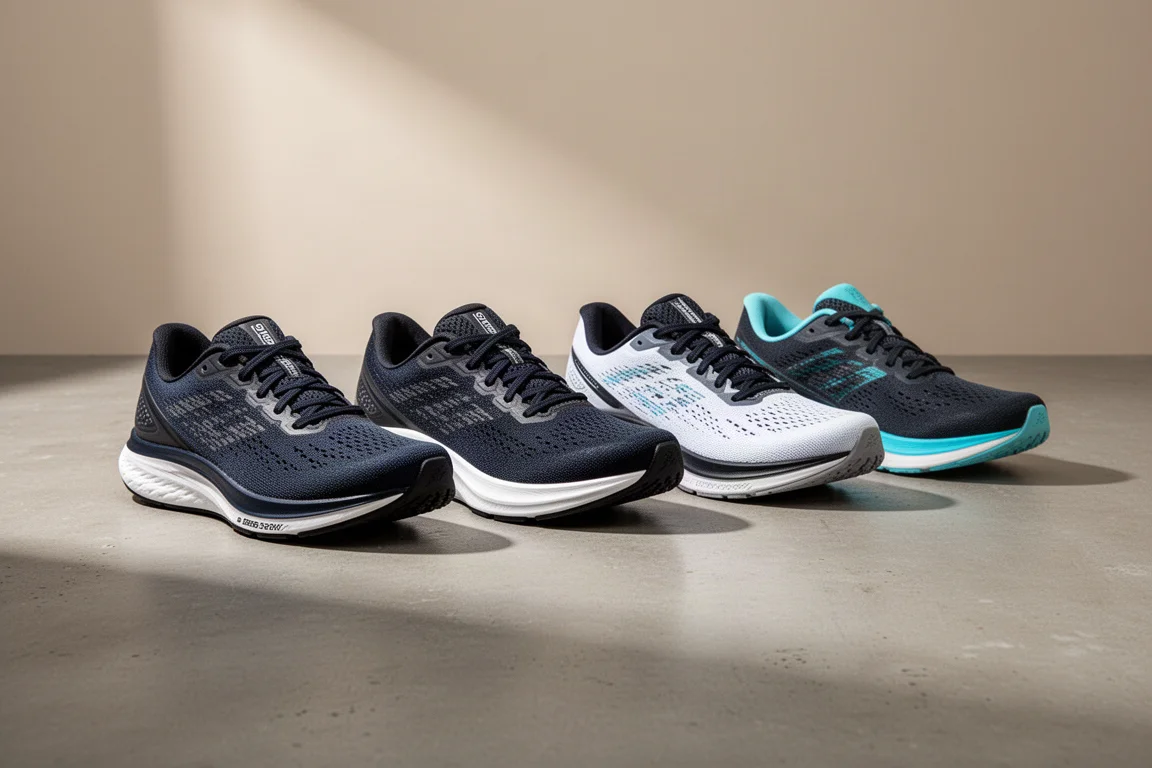
The Adidas Adizero Adios 8 has earned a spot in plenty of running rotations lately, and for good reason. But it enters a crowded field of lightweight race-day options, so we put it head to head with four rivals: the Hoka Rocket X2, the New Balance FuelCell SC Pacer, the Nike ZoomX Streakfly, and its own stablemate, the Adidas Takumi Sen 8. Some of these comparisons are closer than you might expect.
Adidas Adizero Adios 8: The Benchmark
The Adios 8 pairs a Light Strike 2.0 heel with a Light Strike Pro mid-to-forefoot section, giving it a slightly firmer, more rebound-focused ride than its spec sheet suggests. Torsion prongs limit flex in the midfoot, and while some runners have complained about similar prongs in earlier Adios versions, they feel less intrusive here and bed in nicely after around 20 miles, after which the shoe flexes naturally from mid to forefoot.
Durability is a genuine strength. The Light Strike 2.0 heel has shown no real wear issues, and the outsole and upper fit are better than most of the competition here. The trade-off is that the prongs are noticeable when you land, and the shoe is probably best kept to half marathon distance rather than a full marathon.
Hoka Rocket X2: The More Versatile Marathon Option
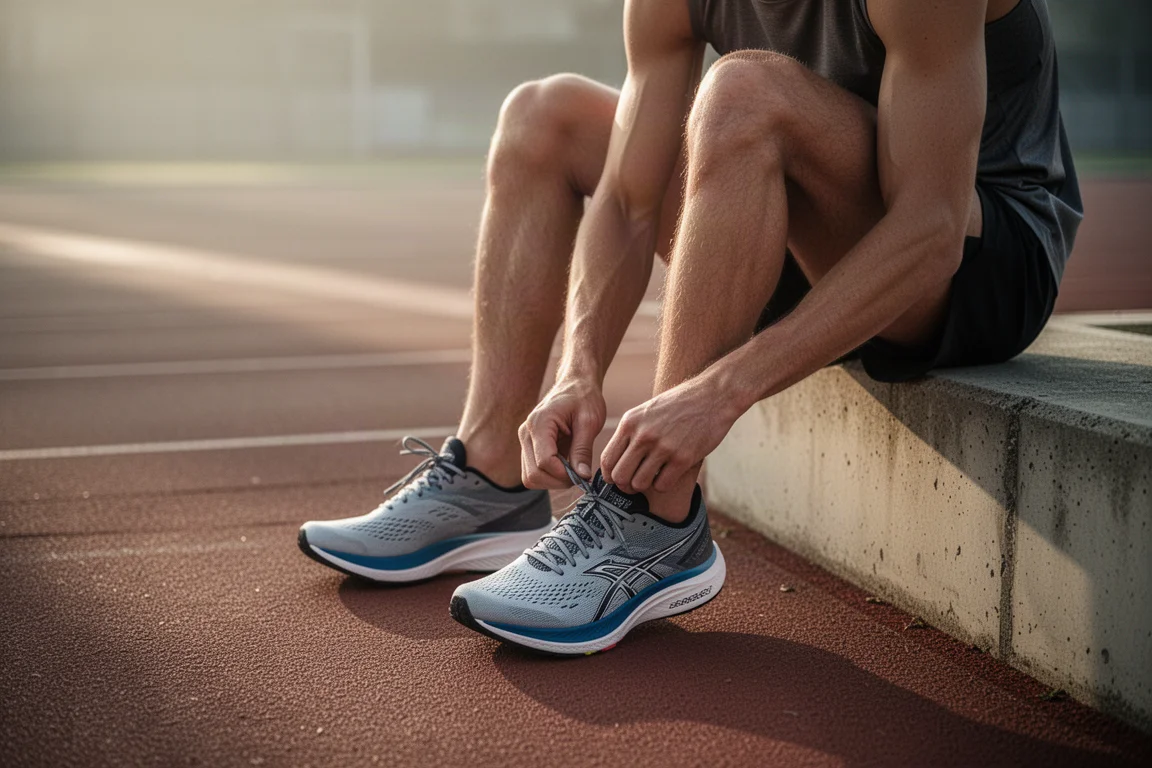
The Rocket X2 sits a few millimeters higher in stack than the Adios 8, with a softer peba-based midsole, a carbon plate, and a lower drop. The ride rolls and drives you forward, and the slightly wider heel adds versatility for longer distances. If you prefer a softer landing platform, the Hoka will likely suit you better; if you want more response when you hit the ground, stick with the Adidas.
Fit is a master class: a simple, slightly gauzy mesh upper with a neoprene-like tongue creates excellent containing tension and lockdown. Traction on both the Rocket X2 and Adios 8 is better than the rest of the field, though some lateral heel wear was beginning to show on the Hoka. Weights are very close between the two shoes, but the extra cushioning makes the Hoka the more versatile half or full marathon option. Taking price out of the equation, the Rocket X2 edges the head-to-head.
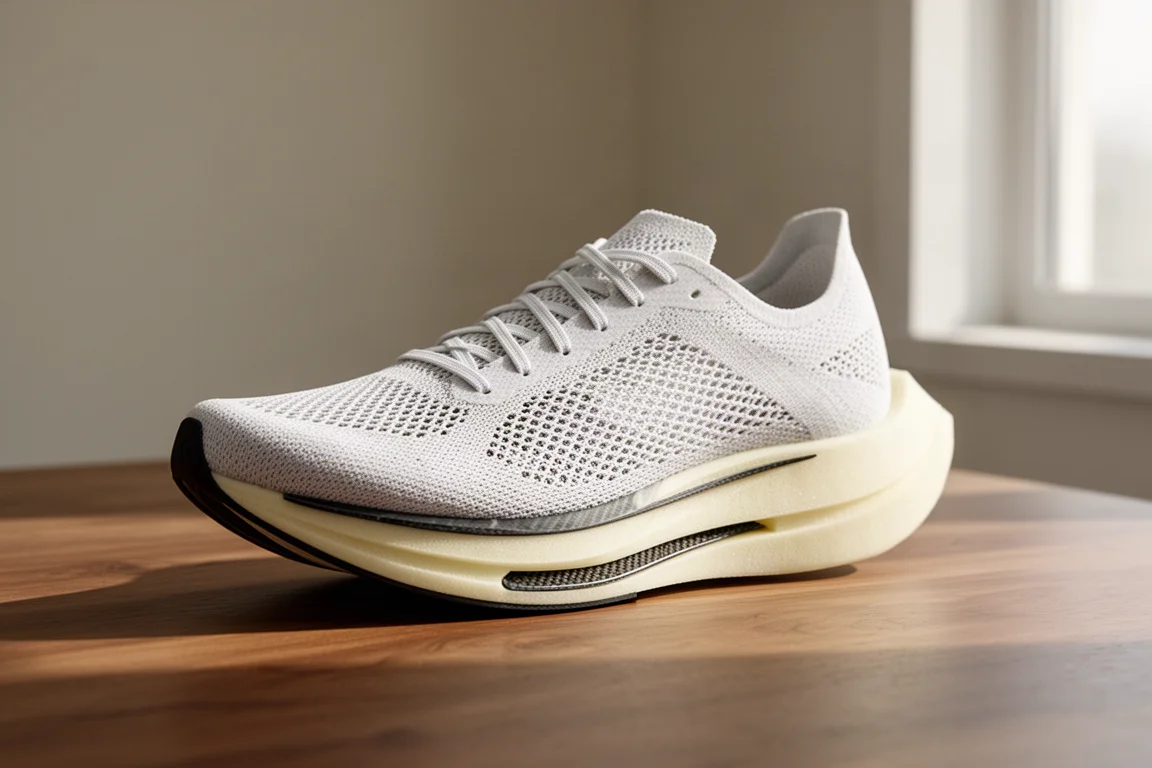
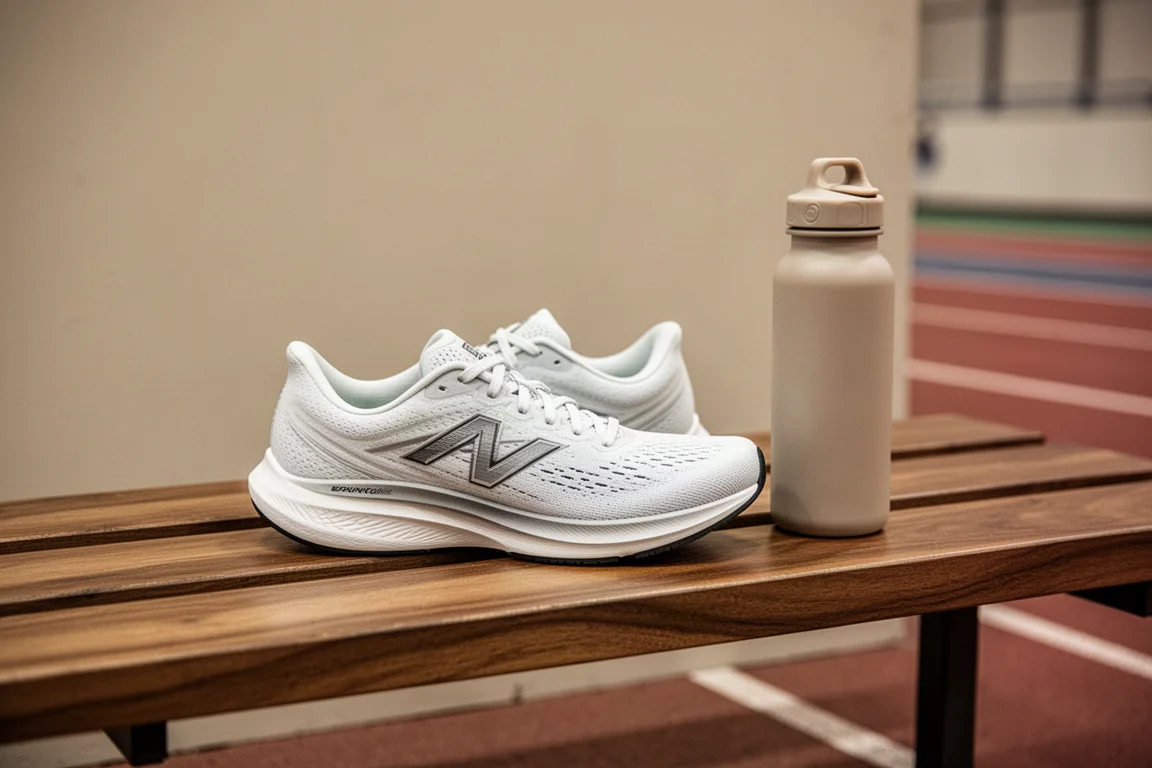
New Balance FuelCell SC Pacer: A Niche Shoe at a Niche Price
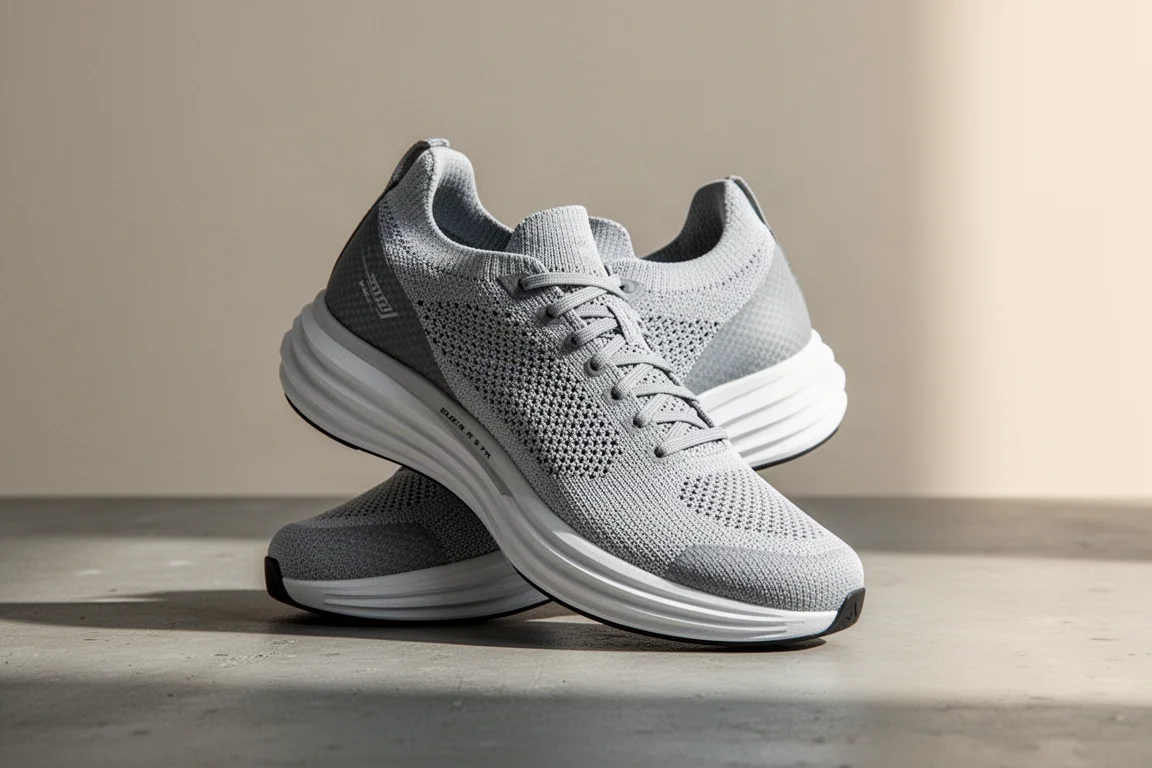
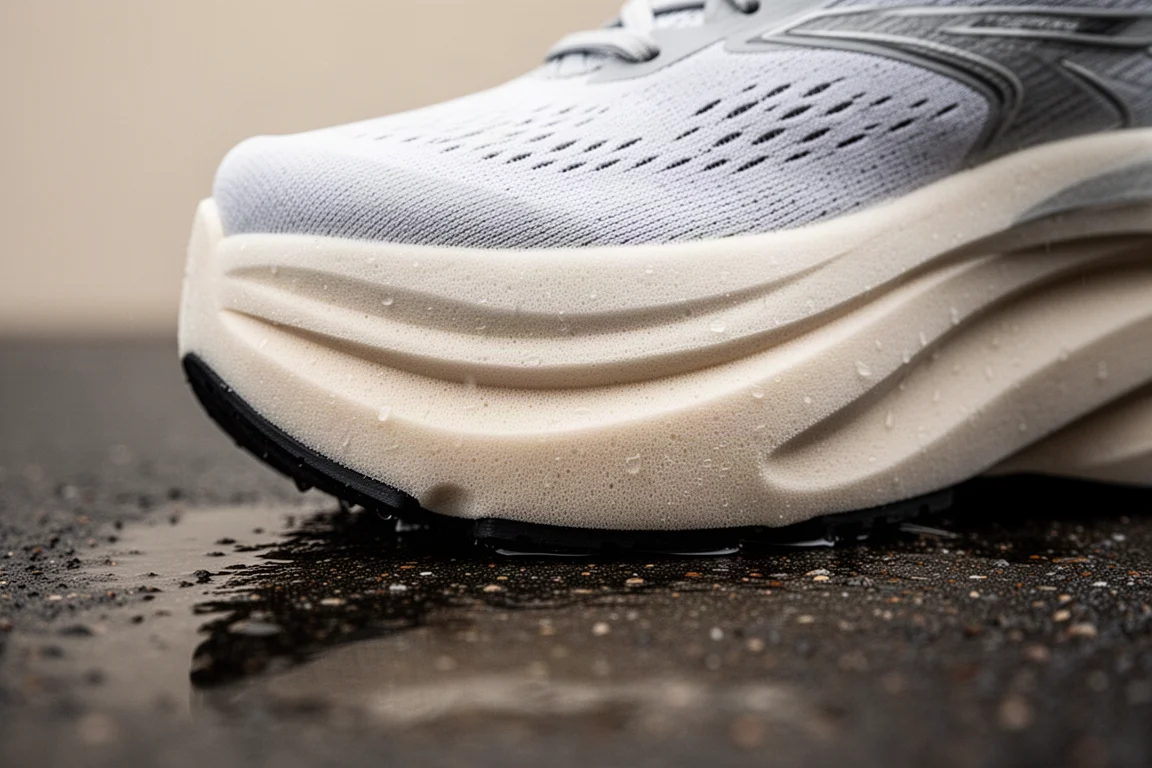
The SC Pacer shares the same midsole heel stack as the Adios 8, yet the midsole foam measures a very soft 20 on a shore A durometer, well below the roughly 28 average, and noticeably softer than the Adios. That softness makes it a hard shoe to draw much out of unless you are running at genuinely quick paces with excellent form. The carbon plate barely registers either.
The outsole wears quickly on road and pavement use alone, and the lacing setup, with its odd four-or-five-eyelet chain, does not grip the foot as well as the Adios. It launched at a high retail price and has since seen steep discounts, which says a lot about how niche it is. The Adios 8 handles everything this shoe can do, with only a tiny weight penalty and a better fit.
Nike ZoomX Streakfly: Ultra-Light but Fragile
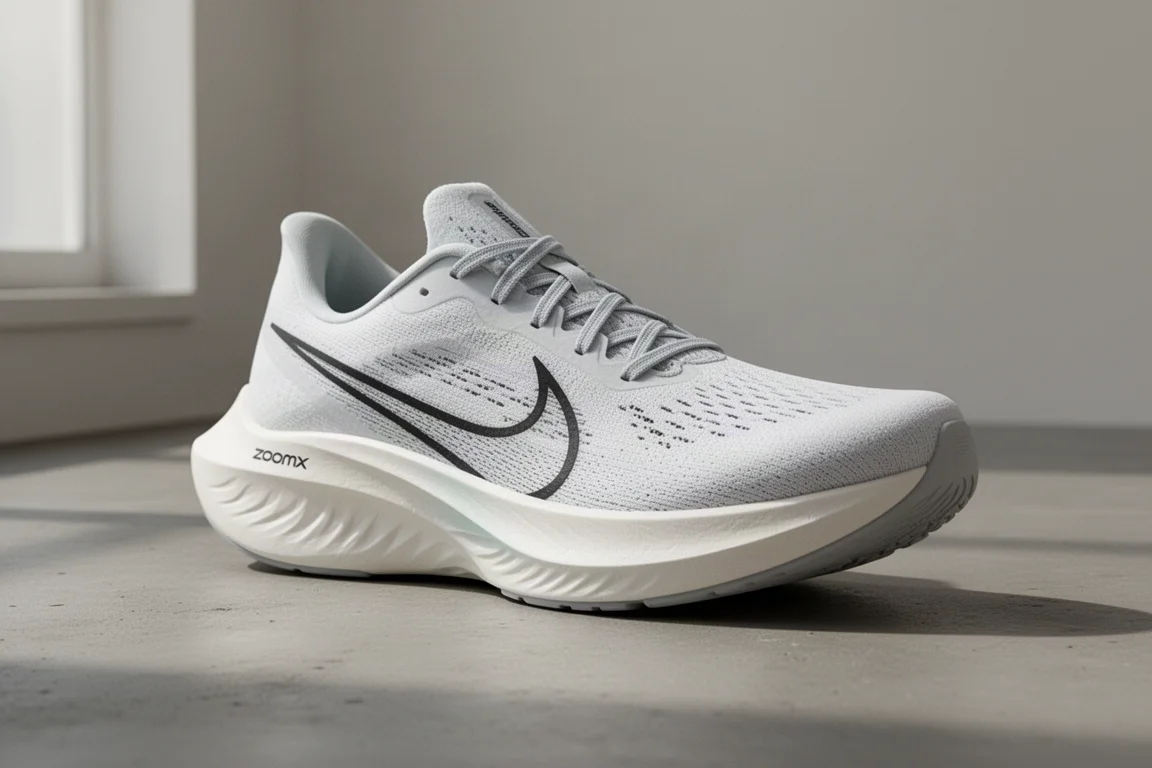
The Streakfly is roughly 50 grams lighter than the Adios 8 and far more flexible, with no torsion system and only a plastic shank that does very little for rigidity. Its ZoomX foam is extremely soft and compressive, and it bottoms out quickly, which may explain why so few runners have picked it up. Lighter runners might chance it for a half marathon, but for most people it feels like too little shoe.
Fragility is a real concern: the ZoomX midsole tears easily if you catch it on anything, and one shoe already carried a significant tear. The upper is voluminous rather than glove-like, with a very large toe box. Stack heights measure very similar between the two shoes, but the Adios 8 wins on outsole, upper fit, stability, and response. The Streakfly is fine in its own right as a 5 to 10K option, but the Adios is simply more usable.
Adidas Takumi Sen 8: The Race-Tuned Sibling
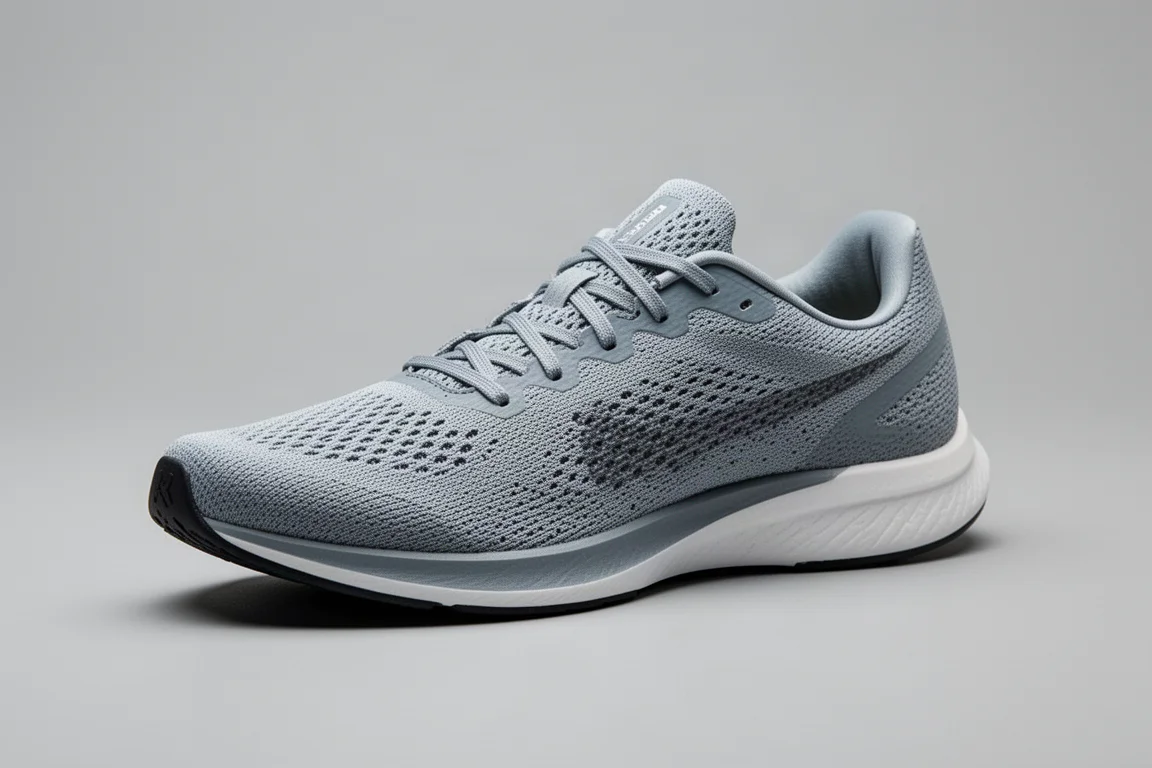
The closest comparison is internal. The Takumi Sen 8 carries roughly three to four millimeters of extra foam and comes in around an ounce lighter than the Adios 8, yet oddly the Light Strike 2.0 heel in the Adios can feel almost softer than the Light Strike Pro in the Sen. The Sen is considerably more rigid thanks to its energy rods, while the Adios flexes more forgivingly from mid to forefoot once bedded in.
Fit is the real differentiator. The Adios 8 offers more toe box and midfoot room plus a wider heel, which will suit heel strikers; the Sen is tuned more for mid-to-forefoot strikers who want a tighter, race-shoe fit closer to the Adizero Pro feel. Both are stable at nearly any pace, and both look great, borrowing a little from a classic football boot aesthetic. With good discounts currently available on the Sen, it remains an exciting, slightly cut-down super-shoe feel. If only one shoe were allowed, the lighter Sen just edges it, though it is very close.
Overall Buying Advice
If you want one versatile shoe that covers tempo runs through half marathon racing, the Adios 8 remains the most rounded choice here: better grip, better durability, and a firmer, more responsive ride than most of this field. Marathon runners should lean toward the Rocket X2, while runners chasing minimum weight for shorter races and willing to accept fragility can consider the Streakfly. The SC Pacer only makes sense at its heavily discounted price, and the Takumi Sen 8 is the pick if you prefer a snug, race-focused fit.
Conclusion
The Adizero Adios 8 holds up remarkably well against four very different rivals. The Hoka Rocket X2 takes the marathon-cushioning crown, the Takumi Sen 8 is the closest race-tuned alternative, and the Nike and New Balance options trail on durability, fit, or usability. Match the shoe to your distance and fit preferences and you will not go far wrong.
Further reading
Related Reviews

Running Shoes
Best Road-to-Trail Running Shoes: Three Versatile Options for Mixed Terrain
A practical guide to three road-to-trail running shoes that handle both pavement and mild trails, with clear strengths and trade-offs for different runner types.

Running Shoes
Best Running Shoes for Achilles Tendonitis: Three Options Explained
Three running shoes with different heel drops and support features designed to help reduce Achilles tendon pain during walking and running.

Running Shoes
Best Running Shoes for Women: Five Top Choices Ranked
A ranked guide to five women's running shoes, from versatile daily trainers to high-performance racing options, with real strengths and trade-offs for each.