Running Shoes
Adidas Adizero Adios 8 First Run Review: A Lighter, Softer Racing Shoe
The Adizero Adios 8 gets a redesigned midsole, softer Light Strike 2.0 foam, and a significantly lighter build. Here is how it performed on a first steady run.
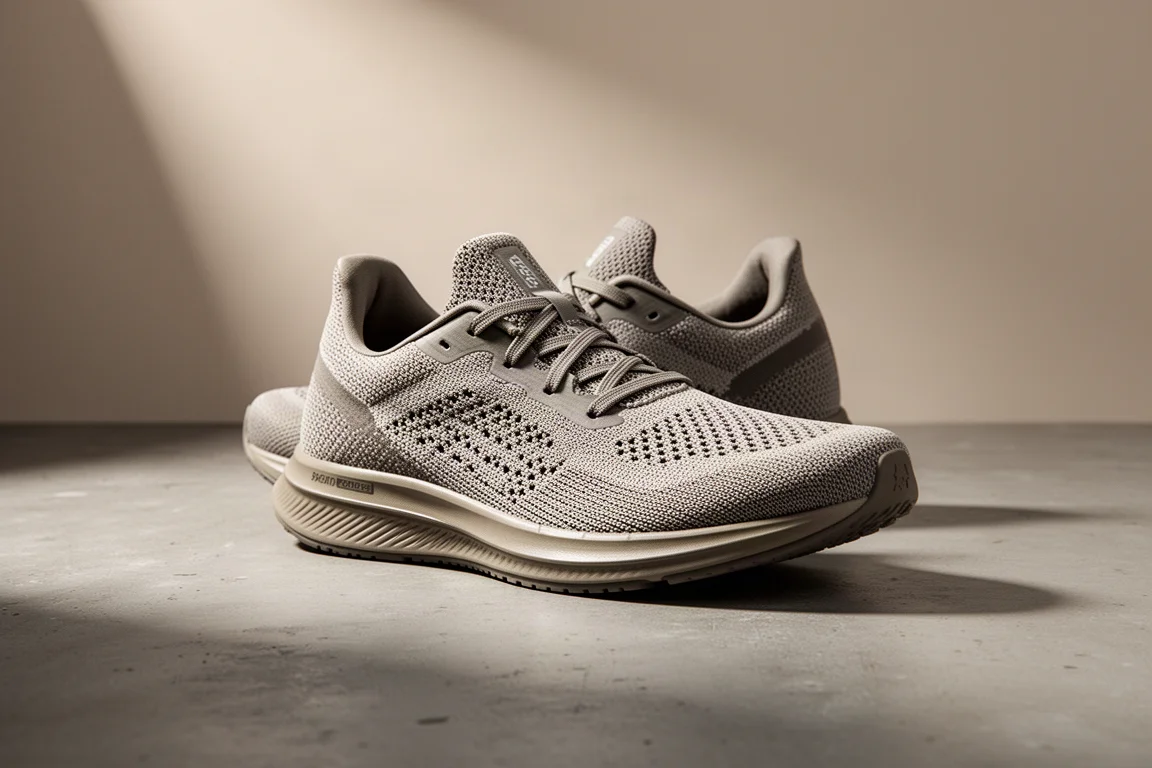
Introduction
The Adidas Adizero Adios has a long history as a serious racing shoe, and early versions of the line were behind multiple marathon world records. With the arrival of carbon-plated super shoes, the Adios lost some of its top-tier status, and recent versions were solid but not especially inspiring. The Adios 8 is a much bigger update than the incremental changes of recent generations, and it arrives from June 15 at $130 in the US, with UK pricing unofficially appearing around £120 to £125 at third-party retailers.
Key Specs and Weight
The headline change is weight. Our UK size 9 (US 9.5) sample weighs 217 grams, or 7.65 ounces, a significant drop from the Adios 6 at 245 grams in the same size. The stack height is 28 millimeters at the heel dropping to 20 millimeters at the forefoot, an eight millimeter drop, and just one millimeter more than the Adios 6. That still makes it a genuinely low-profile option compared to the 40 millimeter racing shoes most runners are accustomed to now.
What Has Changed in the Adios 8
The midsole is the update most people were waiting for. Adidas keeps Light Strike EVA at the rear and Light Strike Pro at the forefoot, but the configuration and the foams themselves have changed. The Light Strike Pro is now a deeper wedge that runs right through to the bottom of the shoe, putting much more of it under the forefoot for a livelier, bouncier feeling on toe-off.
At the back, the Light Strike EVA becomes Light Strike 2.0, a softer and lighter foam than the version used on the Adios 6, which many runners found too firm and chunky. Right away it feels noticeably softer underfoot, particularly for heel strikers landing in that rear section.
The energy torsion rods in the midfoot have also been redesigned, adding a third prong running from midfoot to forefoot. It is not a full plate, but it adds stiffness and a hint of the propulsive feeling you get from carbon plates. The shoe is also wider all around than before, which adds stability at the forefoot and should help with fit, since the Adios line has traditionally run narrow.
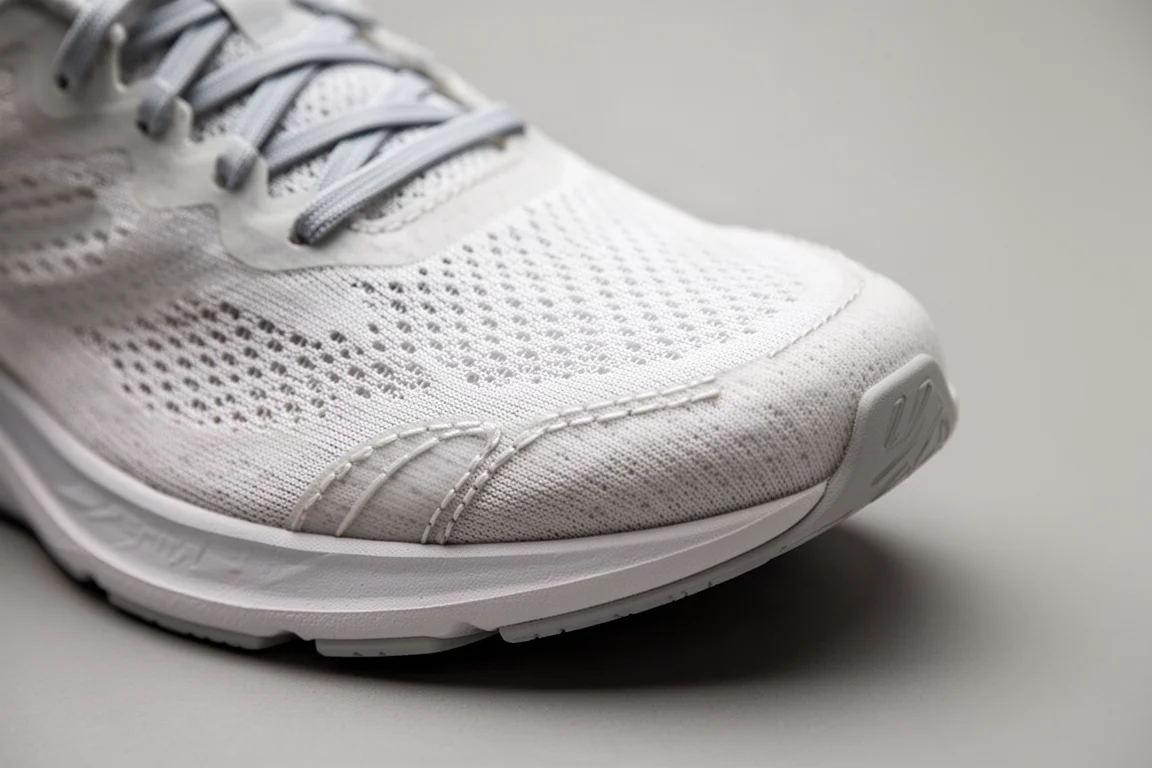
The upper is a very stripped-back, see-through lightweight mesh with small overlays at the front replacing the larger suede toe bumper of the Adios 6, cutting weight. There is also much less padding at the heel, reinforcing its identity as a lightweight racing shoe rather than a cushioned trainer. One caveat: the heel design borrows from the Adios Pro 3 and Prime X, a design that caused heel irritation on previous testing, so longer runs will need watching.
Outsole and Durability
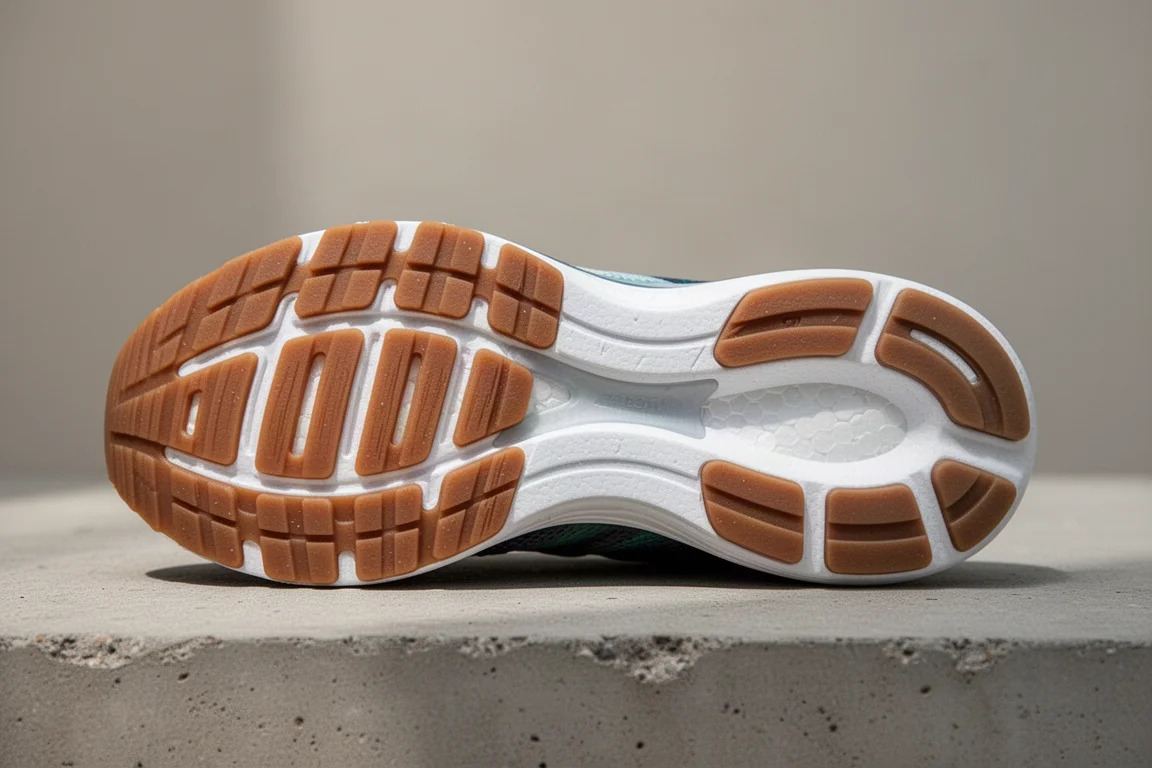
The outsole uses Continental rubber, with good coverage across the forefoot and two strips at the back, leaving little exposed foam. Continental rubber consistently delivers strong grip, and the coverage here should make this a durable shoe, which matters for a lightweight trainer that many runners will use for fast everyday running rather than pure racing.
Fit and Sizing Notes
Sizing needs some thought, as is often the case with Adidas. Our UK size 9, equivalent to a US 9.5 and EU 43.5, fits well, but it runs slightly shorter than other UK 9s. The good news is that the Adios 8 is not very narrow, which is unusual for this line, and the fit around the toe box and midfoot felt solid in the normal running shoe size.
No significant heel rubbing appeared on a first run of nearly eight miles, but given the heel design history, a heel lock lacing on longer efforts may be a sensible precaution.
First Run Impressions
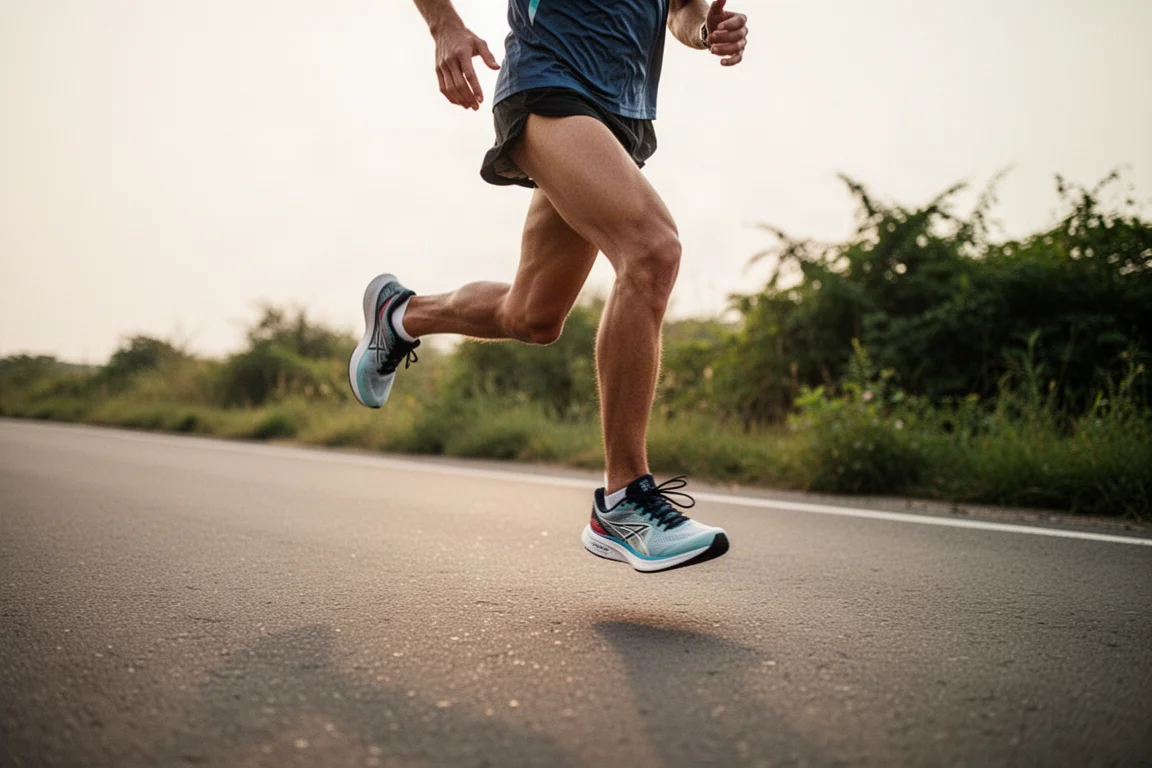
On a steady five-mile effort at quicker than threshold pace, the Adios 8 felt fast, light, and noticeably softer and smoother than the Adios 6. The ground contact felt cleaner, likely helped by the smoother outsole rubber replacing the harder strips of the previous version. The ride is more snappy than smooth-rolling, closer in character to the Puma Deviate Nitro than shoes like the Saucony Kinvara or Asics Magic Speed, but lighter than both.
The forefoot feels deeper and more cushioned than the stack numbers suggest, thanks to the additional Light Strike Pro, and there is a little more pop at toe-off. It stayed comfortable on easy sections too, and the lightness particularly suits higher-cadence runners who want to pick their feet up quickly.
Who This Shoe Is For
Given the price and technology, you should not expect carbon-plated performance, and the Adios 8 does not deliver that. What it does offer is a lower-profile, lighter, more traditional alternative to plated training shoes like the Saucony Endorphin Speed and Asics Magic Speed, which cost more and carry higher stacks.
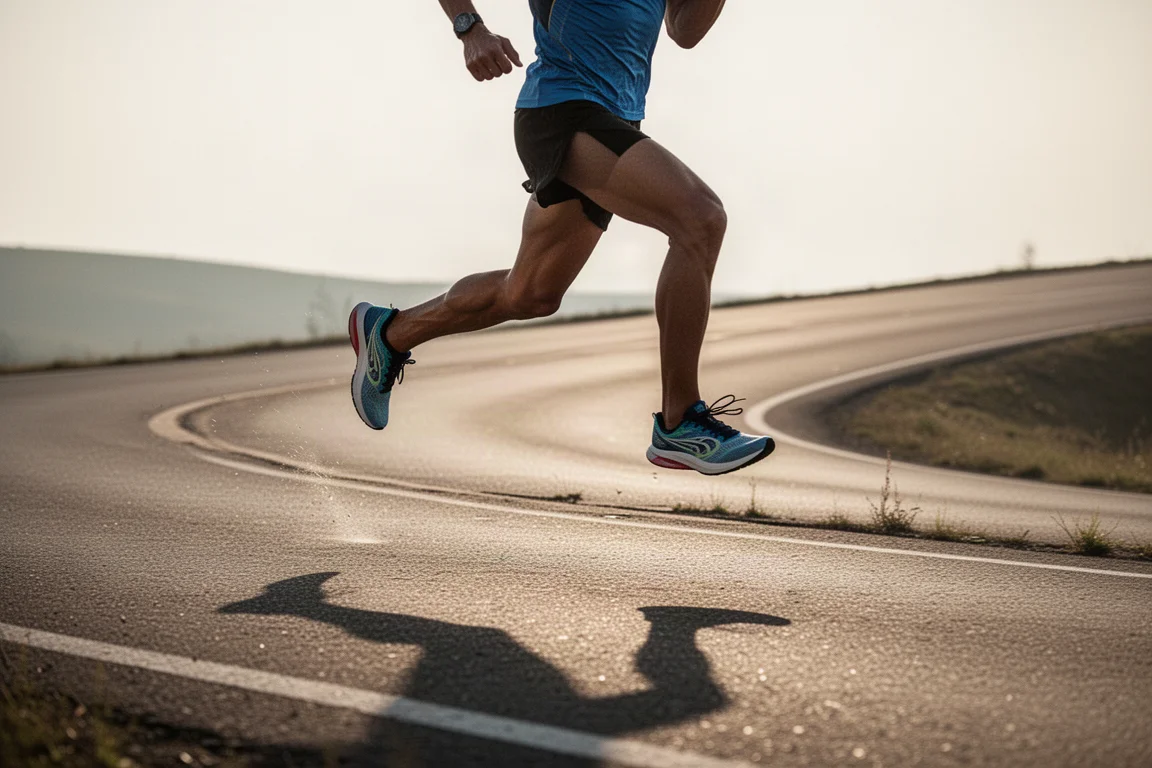
It looks well suited to short reps, with the redesigned torsion system and Light Strike Pro foam helping to sustain longer efforts. Whether it can maintain that efficiency over long hard runs like those plated trainers do remains to be seen with more testing.
Buying Advice
If you want a lightweight, snappy, low-profile shoe for fast training and shorter races, and you prefer a more traditional ride over a tall carbon-plated one, the Adios 8 makes a strong case at $130. Check sizing carefully before buying, since it runs slightly short in UK sizes, and consider a heel lock lacing for longer runs if you have had heel irritation from similar Adidas designs.
Conclusion
The Adizero Adios 8 is a genuinely meaningful update. Softer Light Strike 2.0 foam, more Light Strike Pro under the forefoot, a redesigned torsion system, and a much lighter build combine into a shoe that felt fast, comfortable, and fun on its first run. It may not rival carbon super shoes outright, but as a lighter, cheaper alternative to plated trainers, it is a step in the right direction for the line.
Product link
View more details for Adidas Adizero Adios 8
This product is mentioned in the review. Check the specifications, options, and compatibility before buying.
View more details for Adidas Adizero Adios 8Further reading
Related Reviews

Running Shoes
Best Road-to-Trail Running Shoes: Three Versatile Options for Mixed Terrain
A practical guide to three road-to-trail running shoes that handle both pavement and mild trails, with clear strengths and trade-offs for different runner types.

Running Shoes
Best Running Shoes for Achilles Tendonitis: Three Options Explained
Three running shoes with different heel drops and support features designed to help reduce Achilles tendon pain during walking and running.

Running Shoes
Best Running Shoes for Women: Five Top Choices Ranked
A ranked guide to five women's running shoes, from versatile daily trainers to high-performance racing options, with real strengths and trade-offs for each.