Running Shoes
adidas Adizero Adios 7 Review: A Lighter, Sharper Version of a Fan Favourite
The Adios 7 trims 22 grams over the Adios 6 while keeping the same midsole DNA, making it a fast, versatile daily trainer with race-day potential.
Introduction
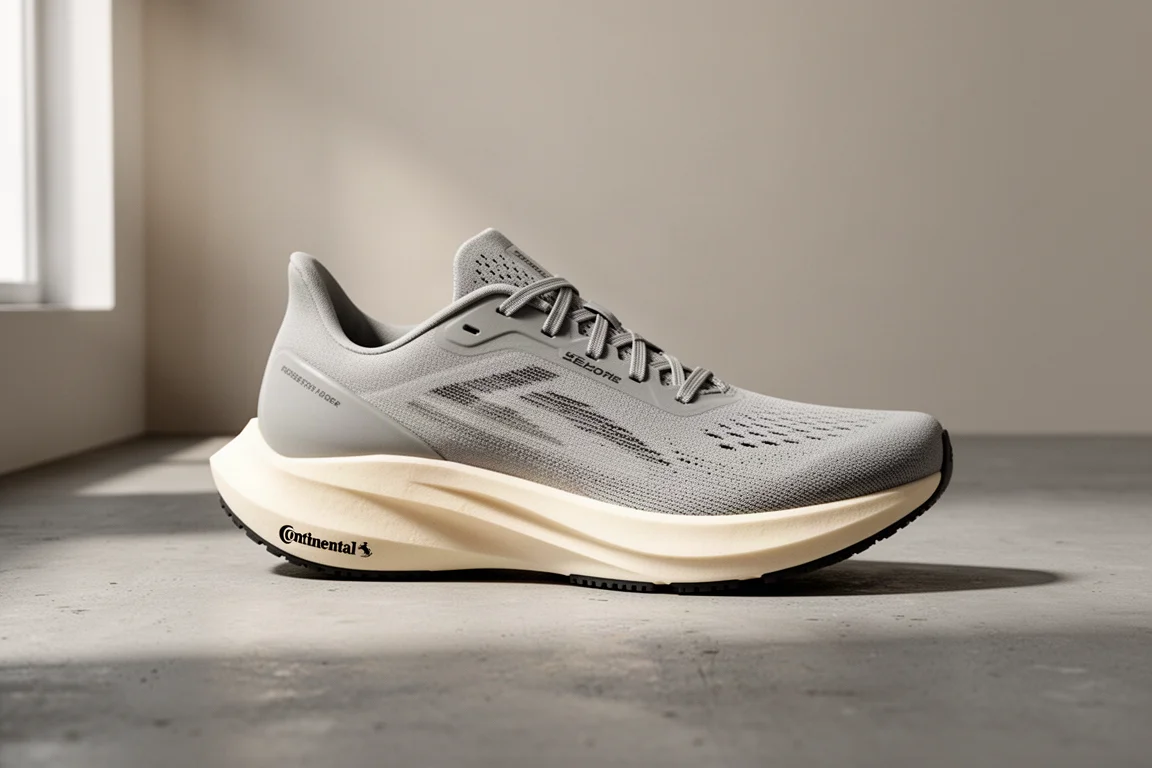
The adidas Adizero Adios 7 arrives as a trimmed-down, sharper take on one of the most quietly beloved shoes in the Adizero line. It keeps the same midsole and outsole recipe that made the Adios 6 a favourite, then strips weight out of the upper to create a shoe that feels lighter, faster and more versatile. After an initial run covering easy pace, warm-ups, recoveries and half-mile reps well under half marathon pace, the early impression is overwhelmingly positive.
At 259 grams in a UK 11.5 (US 12), roughly 9.1 ounces, it is about 22 grams lighter than the previous version. That may not sound dramatic on paper, but on foot it makes the shoe feel considerably more nimble and opens the door to a wider range of uses, from daily miles through to faster sessions.
Upper: Less Material, Better Fit
The upper is where most of the changes live, and they are almost all for the better. The suede hits in the toe box remain, giving that area a little structure, and the tongue keeps a similar felty material for comfort. Some sections of mesh are so thin they are nearly transparent, and that aggressive material diet is a big part of the weight saving.
A sling-like element around the back of the heel grips the foot impressively well, and lockdown is genuinely excellent. The iconic extra eyelets from the Adios 6 carry over on both the lateral and medial sides, letting you dial in the fit with a runner’s knot if needed, though many runners will not have to touch them at all. The fit is glove-like out of the box and it shows in faster efforts.
There are hints of the Adios Pro 3 and Prime X in the design details. The tongue is carved away near the first eyelet in the style of the Prime X, which may look unusual, but it goes unnoticed while running. The heel counter is much thinner than before, concentrated only at the very back, and the flip-down pull tab at the rear can be folded away, which may even help runners with achilles sensitivity by pulling the upper slightly away from the foot. Ventilation holes in the front of the toe box add breathability, and sizing appears consistent with the Adios 6, so stick with your usual size in that shoe.
Midsole: Familiar Stack, Better Out of the Box
The midsole setup is practically identical to the Adios 6: about 32 mm of stack in the heel, around 24 mm in the forefoot, and roughly an 8 mm drop. It is a relatively modest stack by modern standards, and that is part of the appeal. This is a shoe with a less-is-more ethos, without extra stabilizing elements, and it feels like a purer running shoe for it.
The firmer Lightstrike material in the heel feels stable, while softer foam sits directly underfoot through the midfoot and forefoot. The combination is very responsive, and where some found the Adios 6 firm or clunky, this version feels more settled straight away, needing less break-in than its predecessor. It handled easy running, warm-ups, recoveries and everything up to threshold, half marathon and 10K pace without complaint, and it should only get better as it breaks in further.
Outsole: Quiet, Grippy, But It Collects Stones
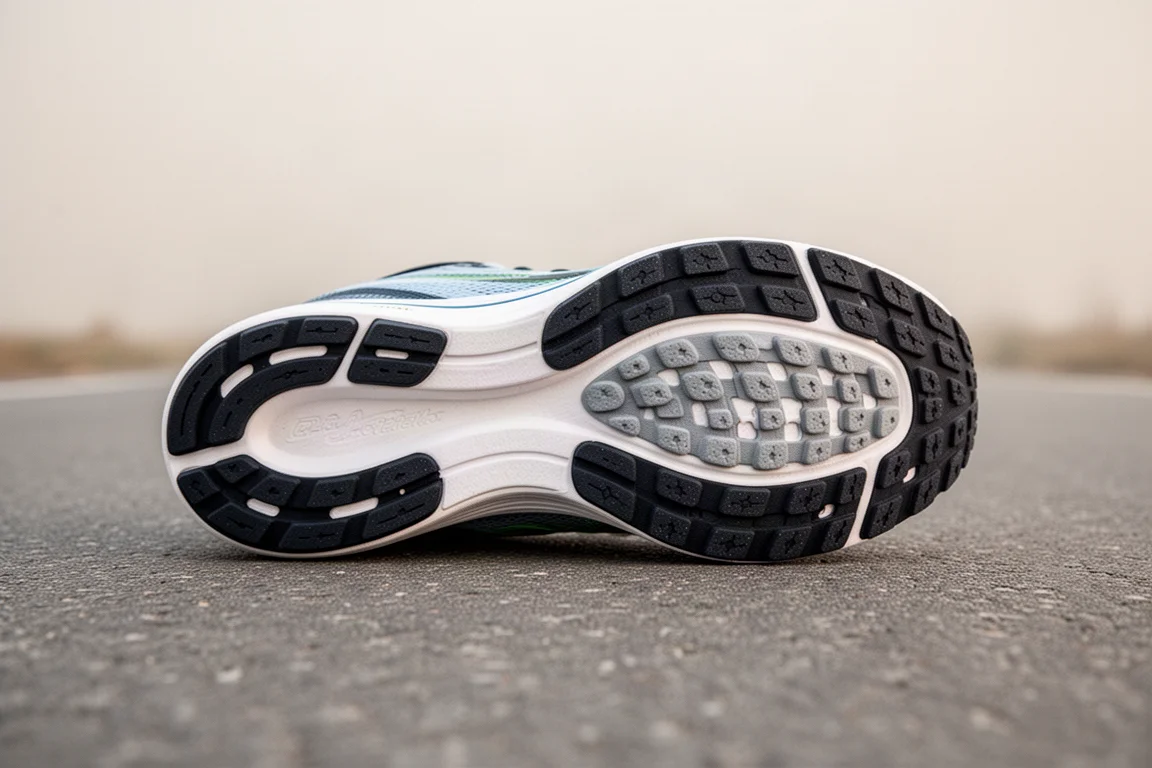
The outsole uses the same Continental rubber, thickness, pattern and layout as the Adios 6, and it is far quieter on the road than you might expect from the looks of it. The new lemon-coloured torsion system with green and black accents gives it a fresh look too.
The one real frustration carries over: the tread pattern picks up small stones and debris, meaning periodic picking-out with a screwdriver is likely. On durability, the previous version showed barely any wear after 100 miles apart from a little in the midfoot, so expectations here are similarly high.
Ride and Versatility
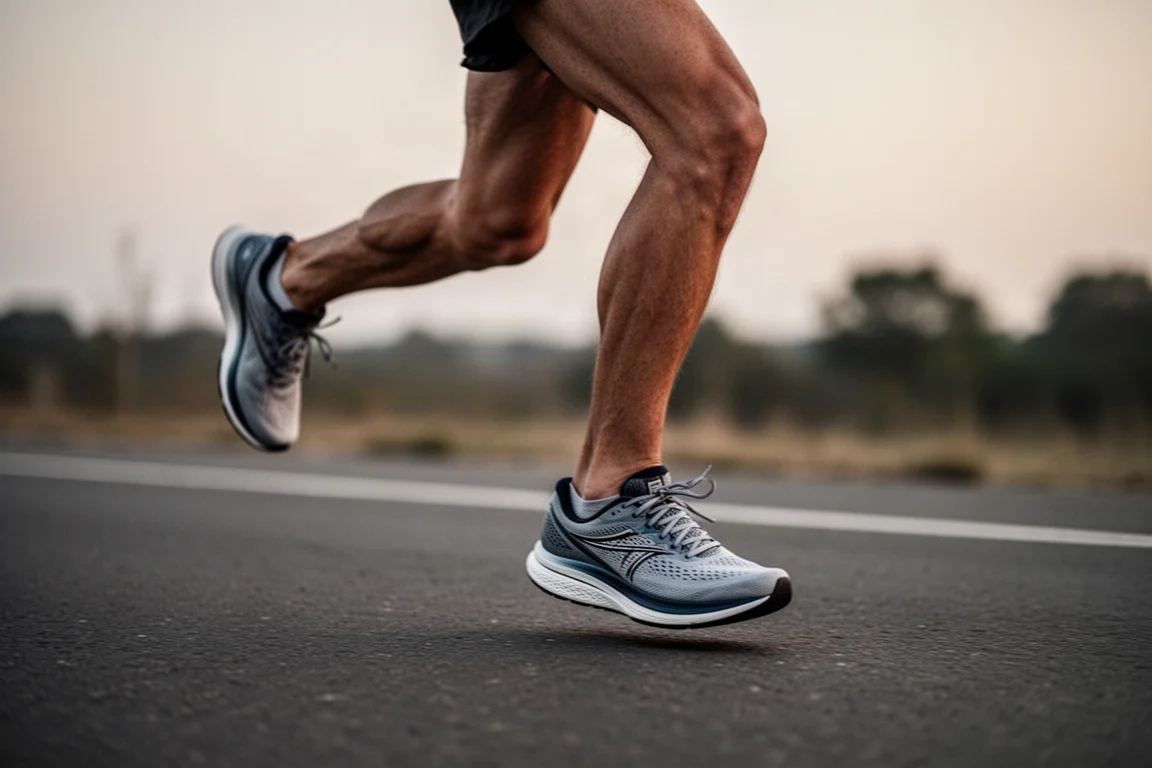
This is a shoe that covers a surprising range of paces. Easy runs, warm-ups, cool-downs and recoveries all feel natural, and it is genuinely enjoyable at half marathon and 10K pace. Most runners probably would not choose it for a 5K, but from threshold work down to daily mileage it does a little bit of everything well.
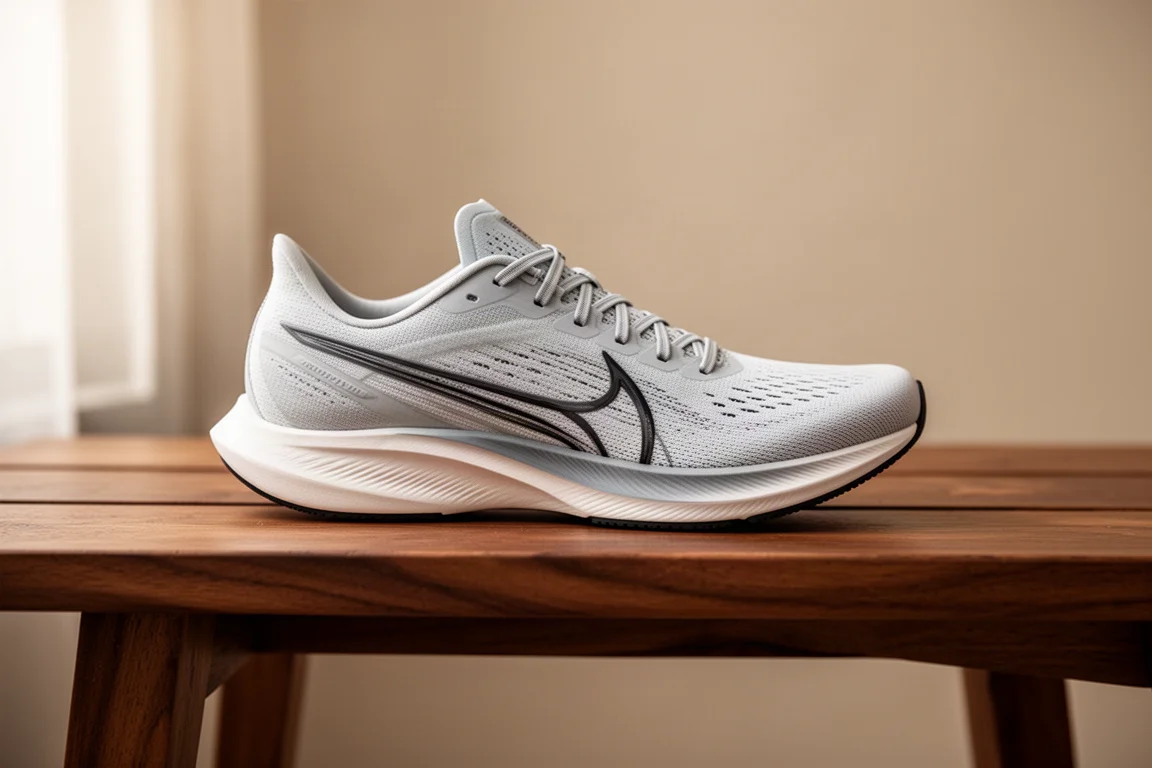
Compared with rivals, it sits in an interesting spot: lighter than shoes like the Reebok Floatride Energy 4 and slightly heavier than the Takumi Sen 8, making it a plausible rotation partner for that model. It is firmer and more stable than the Saucony Endorphin Speed 3, with a noticeably narrower heel, and the upper is easier to live with than most performance shoes worn in recent years. It stays out of the way completely on foot, built for performance first, though it happens to look good too.
Value and Verdict
The price has gone up by £10 in the UK, landing at £120, which is now a little more than the Nike Pegasus 39. That said, discounts are often available, and at a discounted price it feels like an absolute bargain. Considering everything the Adios 7 offers, it remains a very exciting, fun shoe to run in, and the lower weight makes it a real winner.

For anyone who enjoyed the Adios 6, this is an even better version of the same idea. For anyone who has overlooked the Adios series as just another daily shoe, this is the version to change their mind: it can do many things, and do them well. It is easy to recommend.
Conclusion
The adidas Adizero Adios 7 takes an already excellent formula and removes everything that was not needed. The result is a lighter, glove-like fitting, responsive trainer with the same durable Continental rubber outsole and a midsole that works at nearly any pace. The stone-collecting outsole pattern and a higher price are the only real knocks, but they do little to dull what is one of the most complete lightweight daily trainers in the Adizero line.
Product link
View more details for Adidas Adizero Adios 7
This product is mentioned in the review. Check the specifications, options, and compatibility before buying.
View more details for Adidas Adizero Adios 7Further reading
Related Reviews
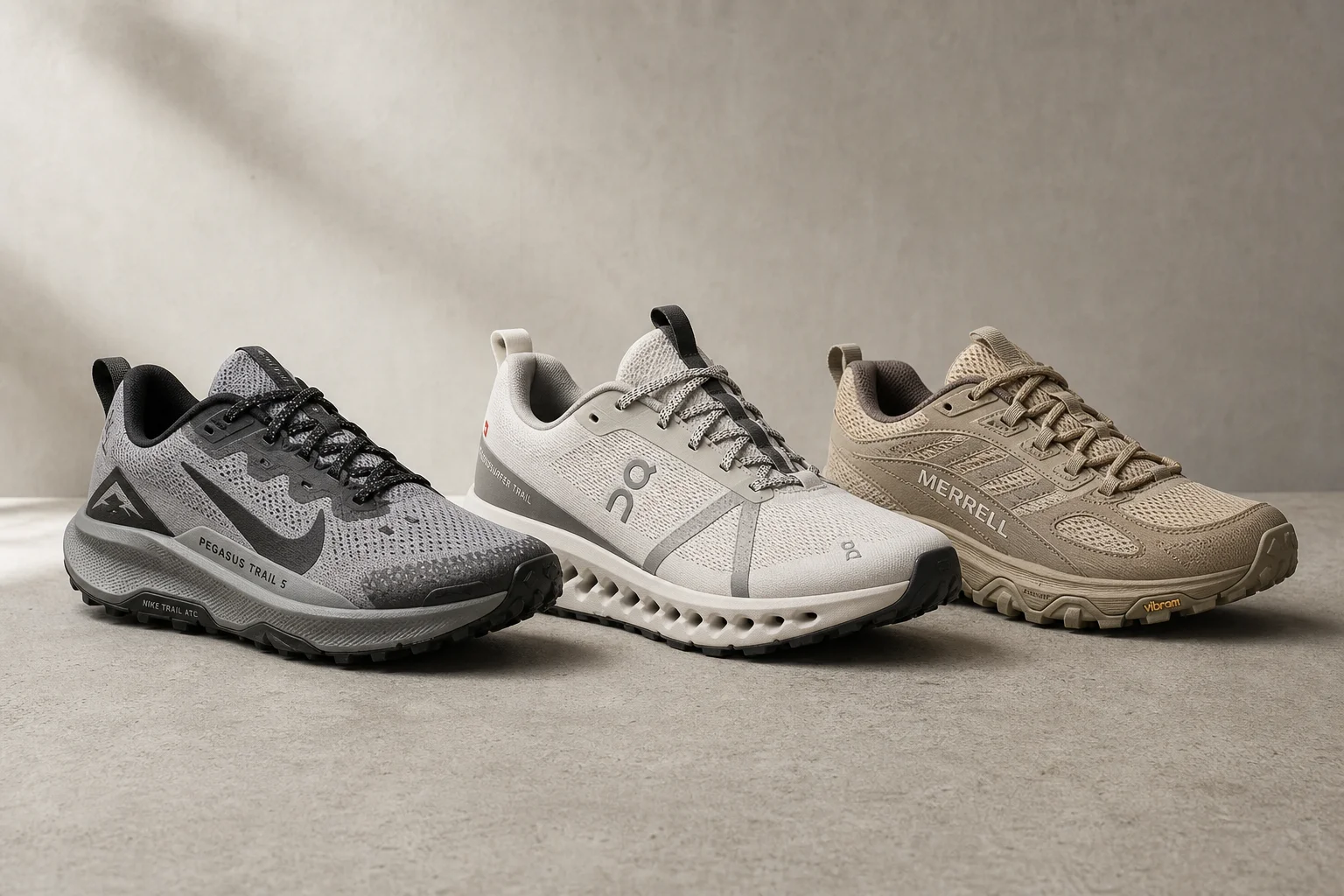
Running Shoes
Best Road-to-Trail Running Shoes: Three Versatile Options for Mixed Terrain
A practical guide to three road-to-trail running shoes that handle both pavement and mild trails, with clear strengths and trade-offs for different runner types.
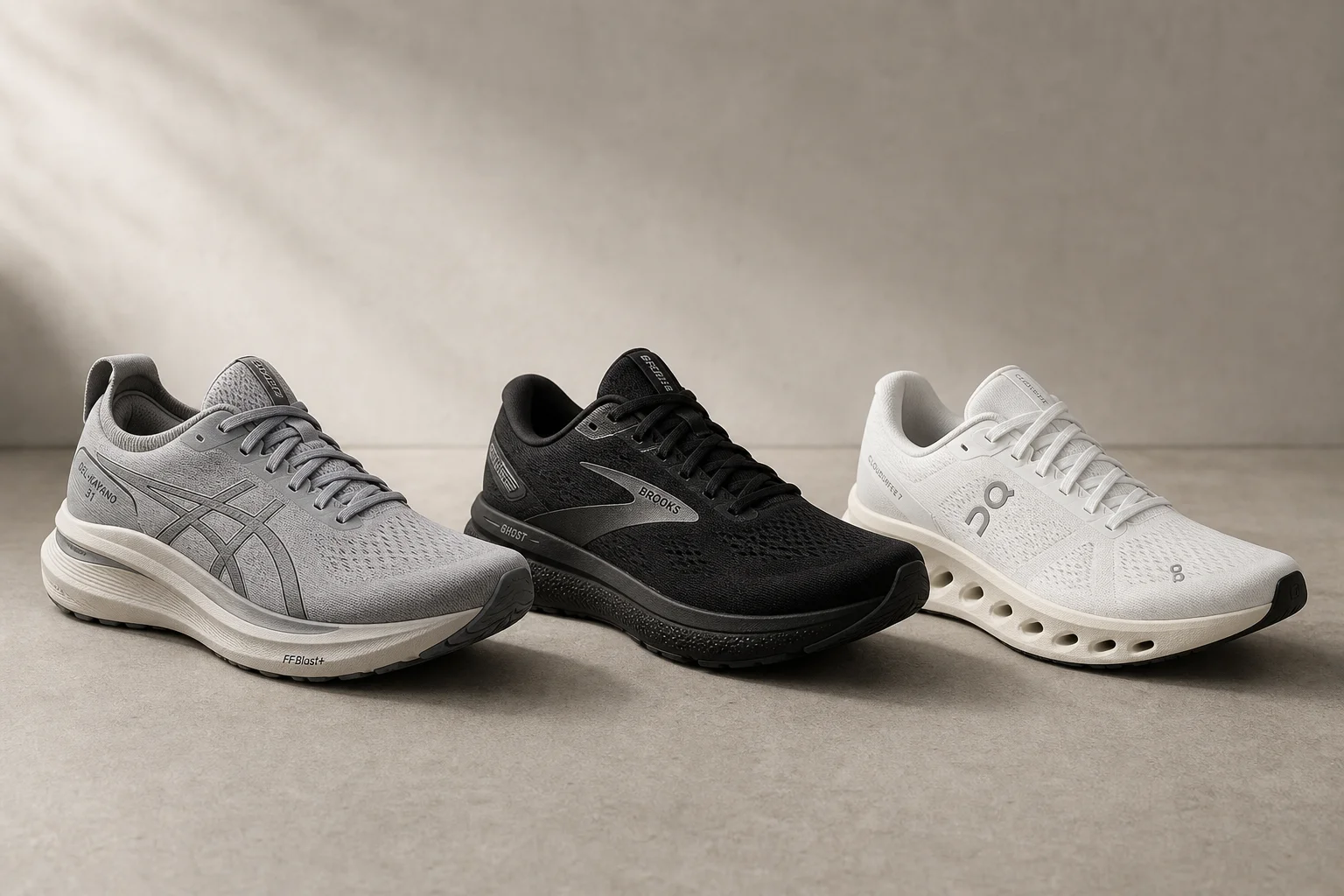
Running Shoes
Best Running Shoes for Achilles Tendonitis: Three Options Explained
Three running shoes with different heel drops and support features designed to help reduce Achilles tendon pain during walking and running.
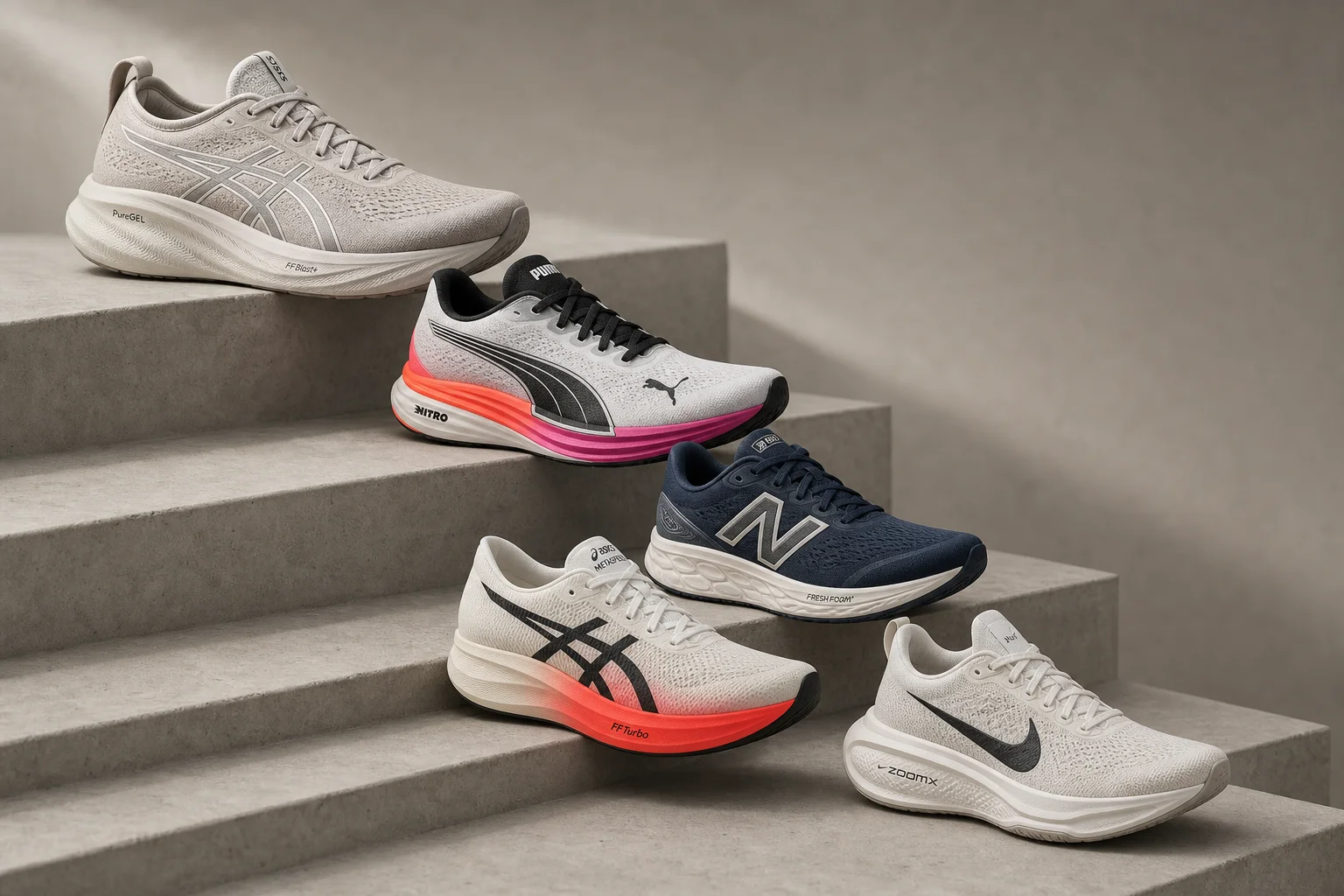
Running Shoes
Best Running Shoes for Women: Five Top Choices Ranked
A ranked guide to five women's running shoes, from versatile daily trainers to high-performance racing options, with real strengths and trade-offs for each.