Running Shoes
Adidas Adizero Adios 6 vs Adizero Boston 10: Two Rebuilt Classics for Runners
Adidas gave both of its long-standing value trainer lines a major refresh. Here is how the lighter Adios 6 and the bulked-up Boston 10 compare for speed work, tempo runs, and long mileage.
Introduction
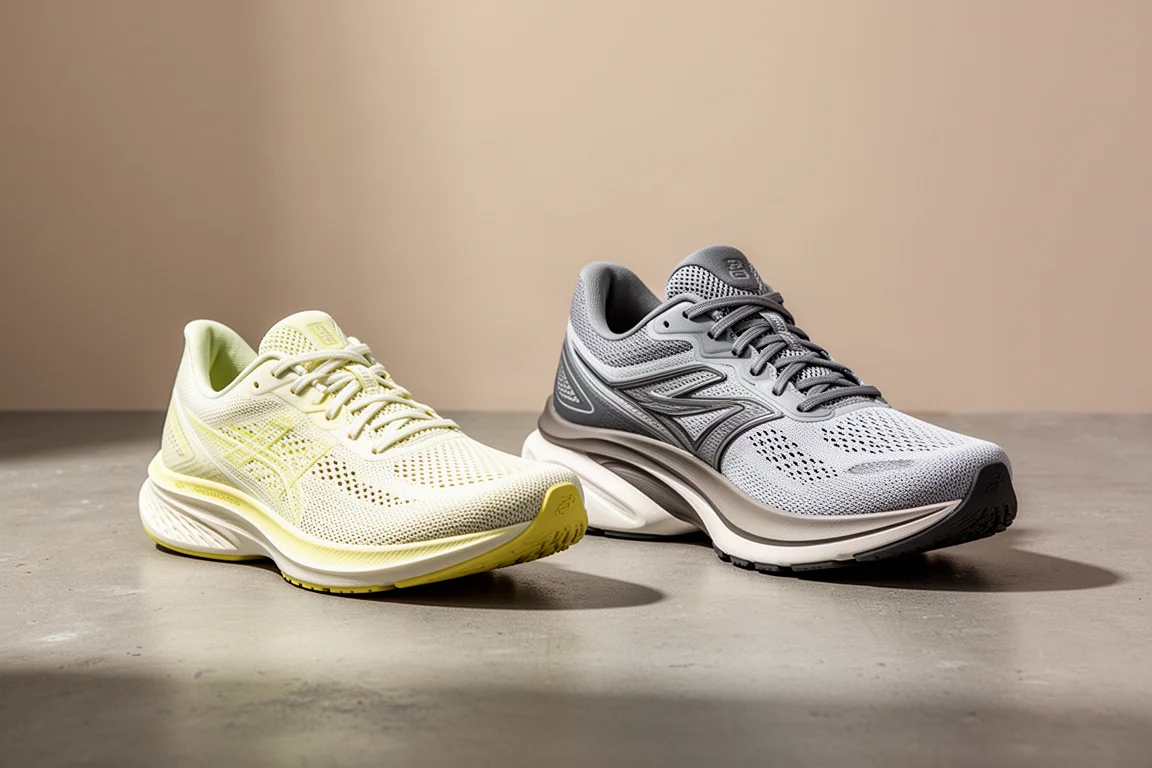
The Adios and Boston lines have long been the value workhorses of the adidas running range. Both were once the brand’s top-flight racing shoes and made great use of Lightstrike Boost foam back when it was the hottest new material around. Over time they fell behind more modern trainers, super shoes with carbon plates, and plated training shoes with super foams, so adidas gave both a very big refresh for the latest editions.
The result is two much bigger, bulkier shoes with new Lightstrike foams inside. They are no longer the shoes their predecessors were, and that split opinion among longtime fans. Here is how they compare, and who each one makes sense for.
Adidas Adizero Adios 6: The Faster, Lighter Option
The Adios is the cheaper of the pair, at £110 in the UK or $120 in the US. It weighs 246 grams (8.6 ounces) in a UK size 9 and has a 27 millimeter heel stack with an 8 millimeter drop.
The midsole uses the same two foams as the Boston but in a different configuration. Lightstrike EVA sits at the heel, with Lightstrike Pro running all the way through the forefoot. The Lightstrike Pro is dramatically softer and squidgier underfoot, and that forefoot is where this shoe comes alive. There are no energy rods here, but an adjusted torsion system forms a shank that runs from quite far back and forks under the forefoot, creating a genuinely snappy transition.
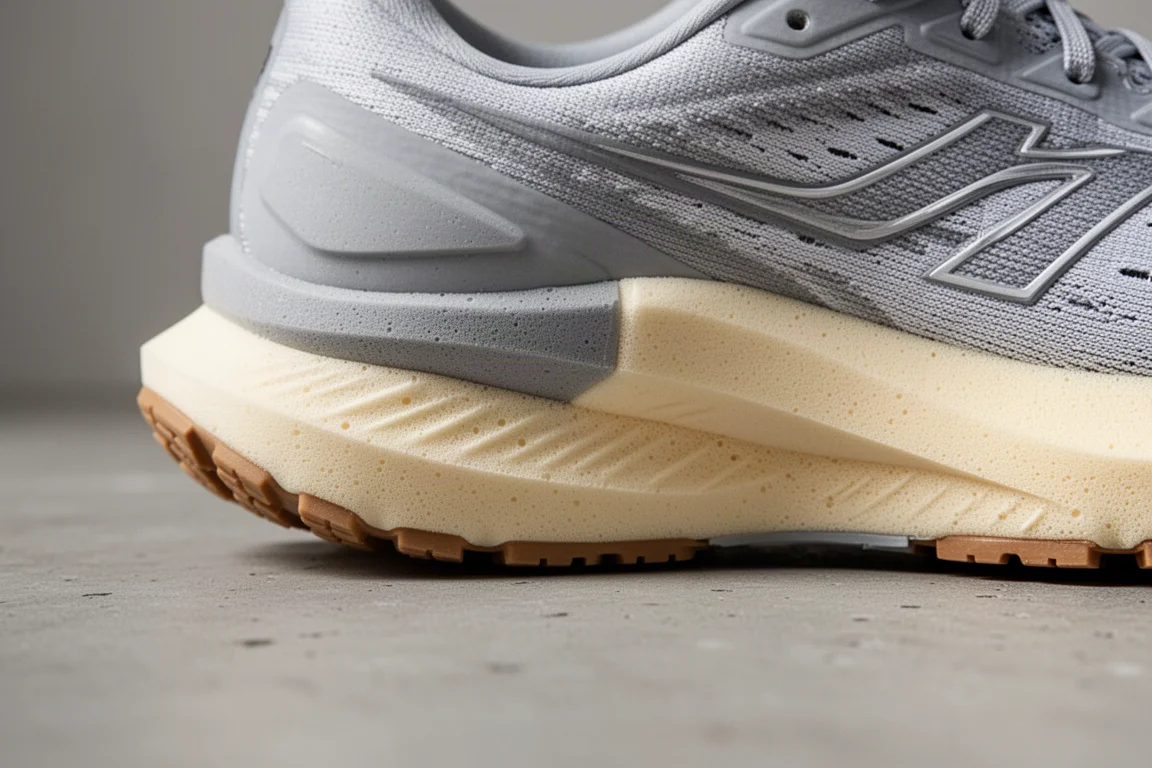
The upper is much more stripped back than the Boston’s, with a single-layer mesh, decent cushioning around the heel, and very little elsewhere. The Continental rubber outsole delivers the same excellent grip and durability as its bigger sibling.
Adidas Adizero Boston 10: The Big-Mileage Cruiser
The Boston received the larger share of adidas’s new technology. It costs £130 in the UK or $140 in the US, weighs 296 grams (10.4 ounces) in a UK size 9, and sits at a hefty 39.5 millimeter heel stack, close to the legal limit, with an 8.5 millimeter drop.
The midsole is busy in a good way: a top layer of Lightstrike Pro (the same foam as the Adios Pro 2 and Takumi Sen racing shoes), a small carbon plate near the heel for stability, and energy rods under the forefoot for snap. Below that sits Lightstrike EVA, a firm, lightweight, durable foam that raises the stack and keeps the shoe stable. The dual-layer mesh upper with a bootie underneath creates a very secure fit, though there is a lot going on up there, and it speaks more to a training shoe than a racing option.

Fit and Comfort
Both lines were historically known for tight, narrow fits, and that remains true of the Adios. The Boston is now the roomier, more ample shoe of the two. Both ran true to size for the tester’s narrow foot, with the Adios suiting narrow feet particularly well. Wide-footed runners may find the Adios a struggle.
Running Experience: Boston 10
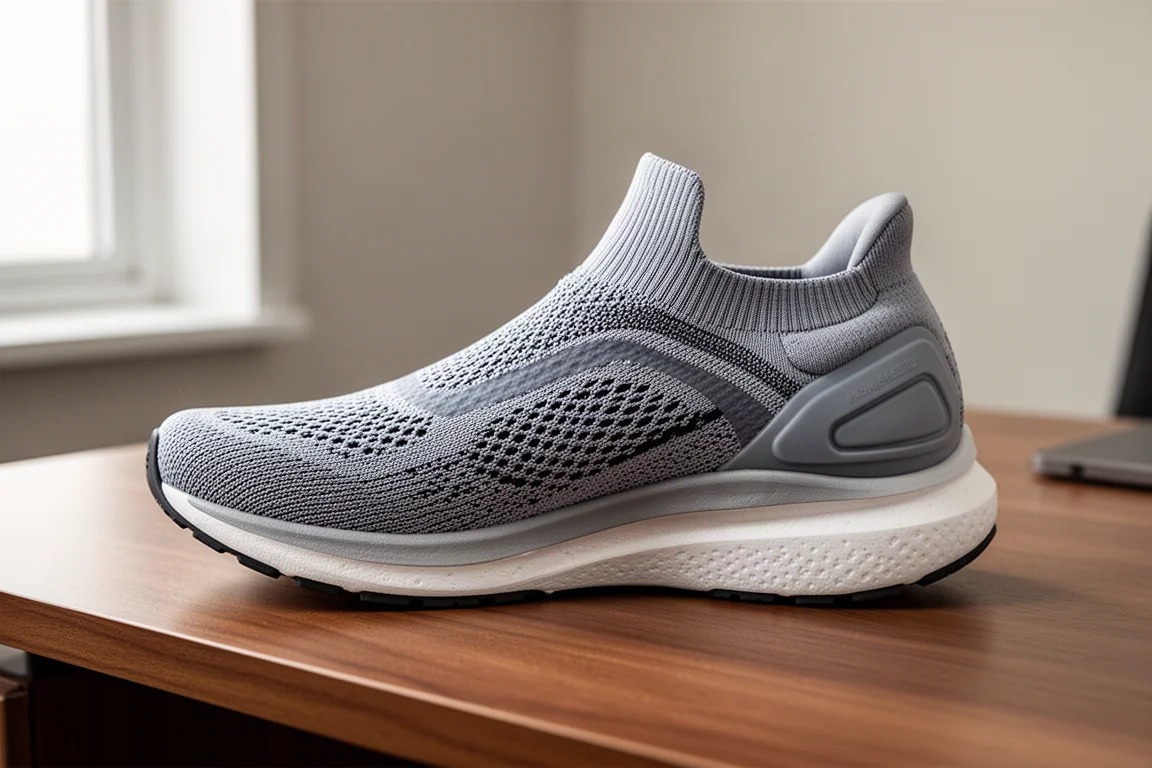
The Boston needs a proper break-in. It felt fairly dead and firm at first, but from around the 50K mark the ride began to liven up, and it improved as time went on. It remains a firm shoe by high-stack standards, but that firmness is part of the appeal: it helps you cruise through heavy mileage and shows essentially no wear and tear.
It is versatile too. It handled a track ladder session of 400s through a mile with a fair bit of pace despite the heft, though it is not a pure out-and-out speedwork shoe. Where it truly shines is long runs: a 20-miler at a good clip felt fresh and effortless, and the energy rods give a pleasant heel-to-toe transition. It is not as fluid as rocker-based shoes like the Endorphin Speed, but it is not clumpy either once broken in.
Running Experience: Adios 6
The Adios is built for speed. Early testing found it enjoyable even for easy runs, but in a heavier mileage block it beat the legs up too much to use daily. On the track, however, it performs very well: mile reps plus 300 and 200 meter intervals went quickly, and a progression hour ending at 5:30 per mile pace was no struggle. It is a shoe that feels traditional and normal underfoot yet is still genuinely fast, thanks to the snappy transition from the underfoot shank.

Midfoot and forefoot strikers will enjoy it most, since they land directly on the soft Lightstrike Pro. Heel strikers still get a cushioned, stable landing on the firmer EVA before rolling onto the fast forefoot. The one concern is longer race distances, where it likely beats the legs up more than the Boston.
Overall Buying Advice
If you are a one-shoe runner covering longer distances and lots of training miles, pick the Boston. It is more comfortable, more forgiving, and better at protecting your legs. If it slots into a rotation, it can tick off tempo runs and marathon training long runs nicely, though it can be hard to find a place for it when other shoes do easy runs more comfortably and fast days more impressively.
The Adios 6 is the more impressive of the two out of the box and makes more sense inside a rotation. Pair it with a carbon-plated or energy-rod racing shoe for race days and a soft easy-day option, using the Adios for fast training and tempo work. If you run shorter races, enjoy a firm feel, and want one shoe for everything, the Adios can cover most bases while still costing just over £100, which makes it genuinely good value.
Conclusion
The Adios 6 stands up as a very good fast training option with a different ride to most of the market at an attractive price, while the Boston 10 is a durable, versatile high-stack cruiser that rewards patience through its break-in period. Two rebuilt classics that both earn their place, just for different runners.
Product link
View more details for Adidas Adizero Adios 6
This product is mentioned in the review. Check the specifications, options, and compatibility before buying.
View more details for Adidas Adizero Adios 6Further reading
Related Reviews

Running Shoes
Best Road-to-Trail Running Shoes: Three Versatile Options for Mixed Terrain
A practical guide to three road-to-trail running shoes that handle both pavement and mild trails, with clear strengths and trade-offs for different runner types.

Running Shoes
Best Running Shoes for Achilles Tendonitis: Three Options Explained
Three running shoes with different heel drops and support features designed to help reduce Achilles tendon pain during walking and running.

Running Shoes
Best Running Shoes for Women: Five Top Choices Ranked
A ranked guide to five women's running shoes, from versatile daily trainers to high-performance racing options, with real strengths and trade-offs for each.