Running Shoes
adidas Adizero 2021 Lineup Explained: Takumi Sen 8, Boston 10 and Adios 6 Compared
adidas reshuffled its Adizero naming conventions in 2021. Here is how the Takumi Sen 8, Boston 10 and Adios 6 stack up against each other and their predecessors.
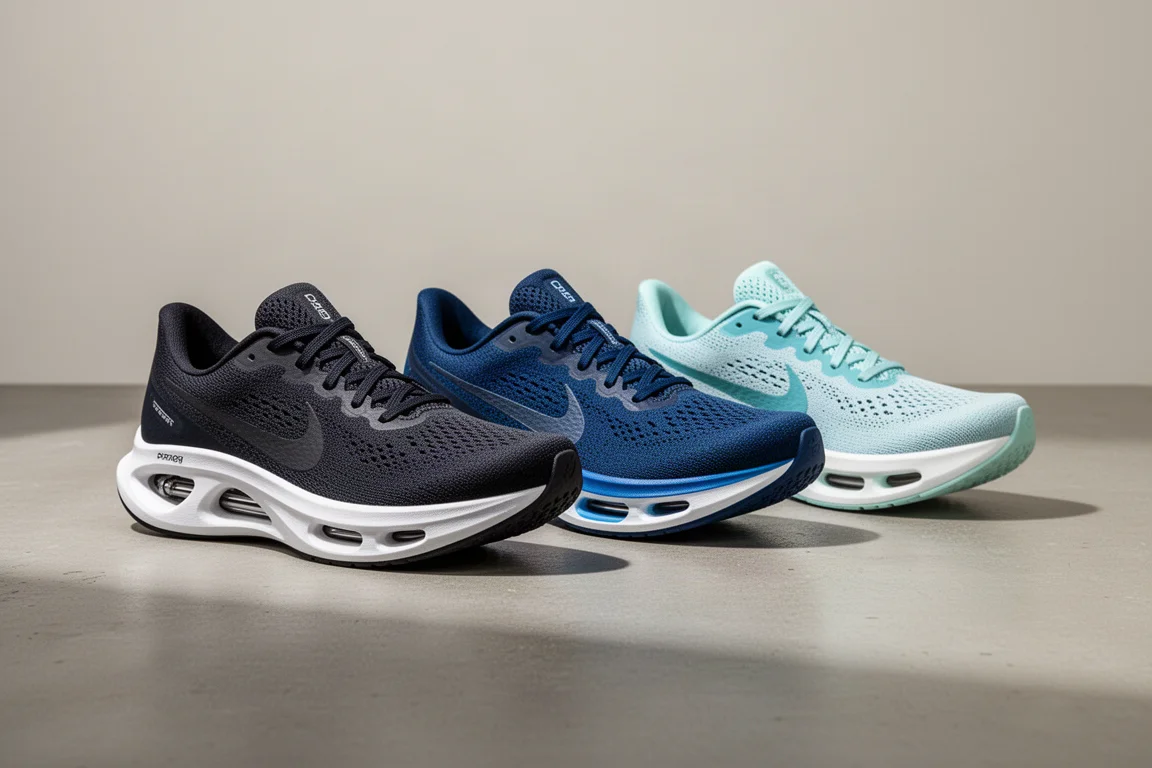
Introduction
In 2021 adidas did something unusual: it restructured its entire Adizero running shoe lineup, and the result left plenty of longtime fans scratching their heads. The Adios 6 ended up more like the old Boston 10, the Takumi Sen 8 turned into something completely different from its race flat predecessors, and the Boston 10 itself became heavier and bulkier than the shoe it replaced.
This guide unpacks what each of the three key models actually delivers, so you can decide which one makes sense for your running instead of guessing based on the name on the box.
Why the 2021 Adizero Lineup Confused Runners
The confusion comes down to stack heights, energy rods and naming. The Takumi Sen 8 carries a claimed 33 mm of heel stack with a 6 mm drop, which actually makes the Adios 6 a lower-stack shoe than the Takumi Sen 8. That is the opposite of what the historical positioning of these models would suggest.
adidas also introduced its energy rods into more models, and the increased stack heights exist largely to accommodate them. More compressive foam, not the carbon elements, is what delivers efficiency, and the rods plus softer foam demand more space underfoot. The result is a lineup where familiar names no longer map to familiar shoes, and runners who loved the original Takumi Sen race flats or the leaner Adios models may find the new versions take some adjustment.

adidas Adizero Takumi Sen 8
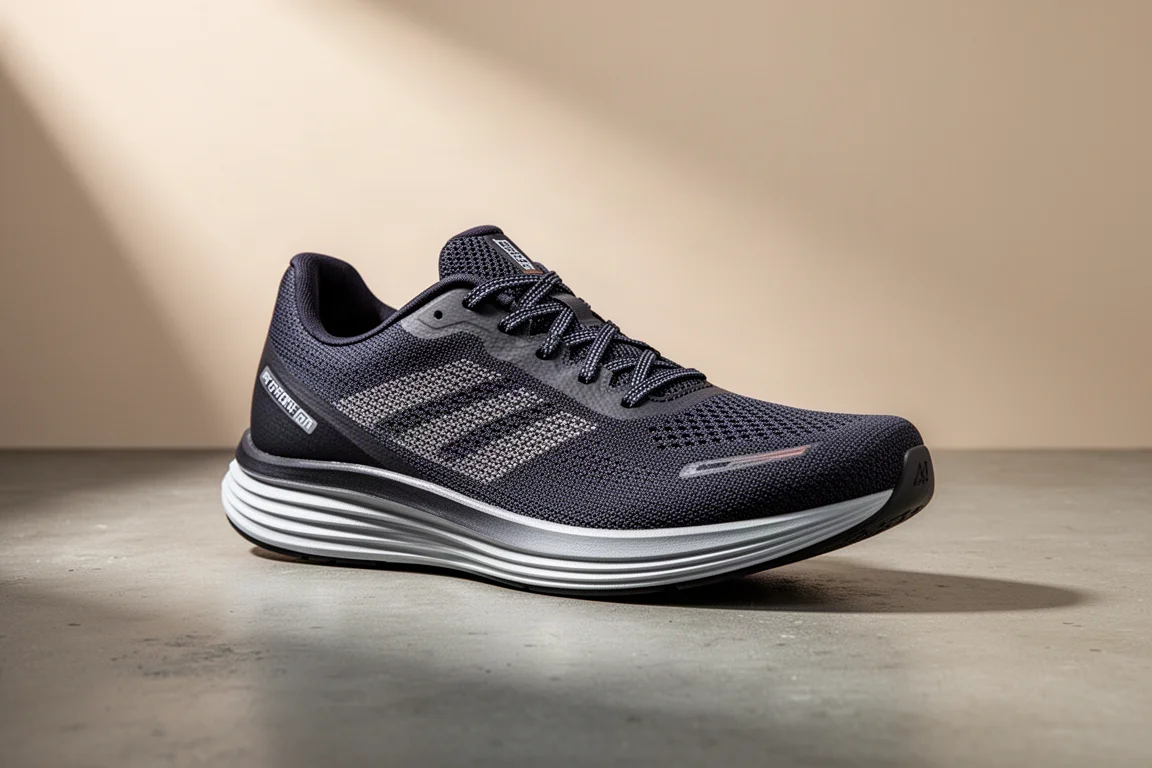
The Takumi Sen 8 is essentially a mishmash of every idea adidas developed that year, all in one shoe. The heel section resembles the Prime X, with a diagonal sling-like portion, and the upper features the sway-hit design shared with the Adios 6 and Boston 10. The midsole is a full Lightstrike Pro setup, used generously, which should bring the weight down considerably compared with the Adios 6.
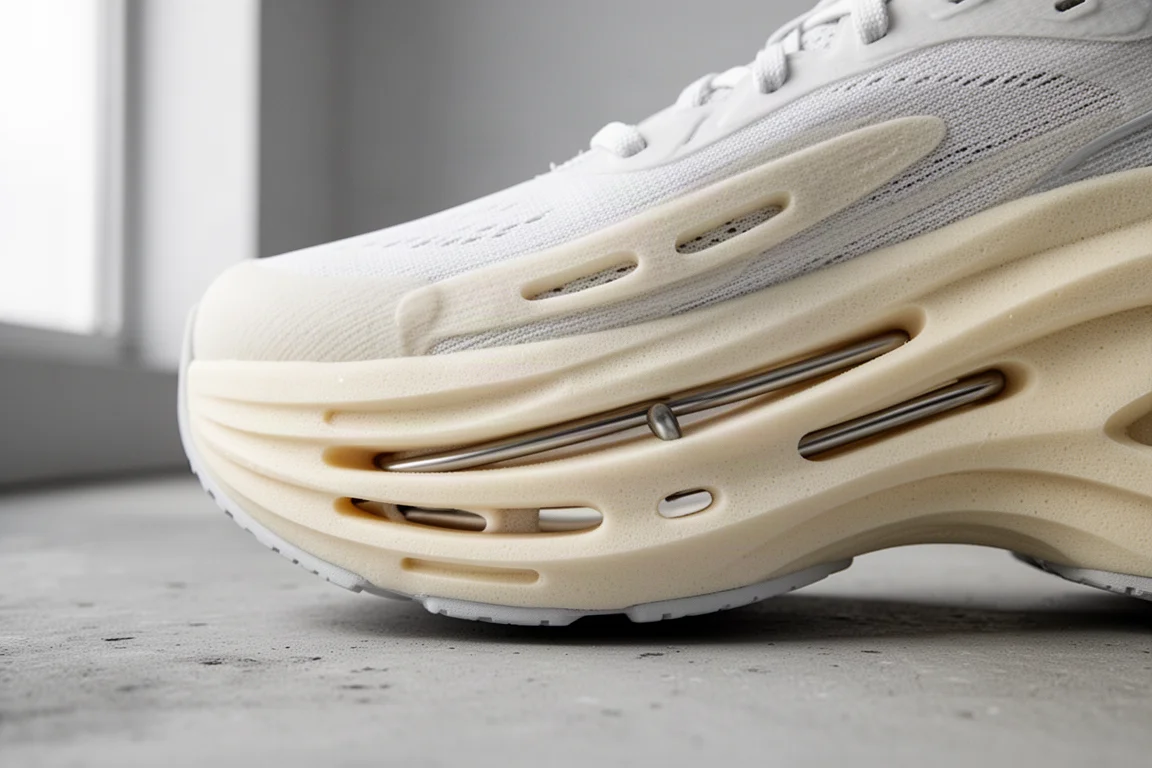
Energy rods feature prominently in the mid to forefoot, in red variants that may be glass fiber rather than carbon fiber, and the foam includes the cut-out segments seen on the Prime X, Adios Pro 2 and Boston 10. The design reads almost like a minimized version of the Adizero Adios Pro 2, with a similar midsole profile. adidas is targeting a sub-7-ounce sample size in UK 8, and the prior Takumi Sen models weighed around 220 grams in a UK 11.5, so weight should stay in a similar territory.
One oddity worth noting: there is a lateral cut-out toward the little toes on the outer edge, exposing a structurally vulnerable part of the shoe. It is a questionable design choice to keep in mind. Overall this is positioned as a 5K to 10K specialist, and a viable alternative to shoes like the Saucony Endorphin Speed 2 or similar plated trainers.
adidas Adizero Boston 10
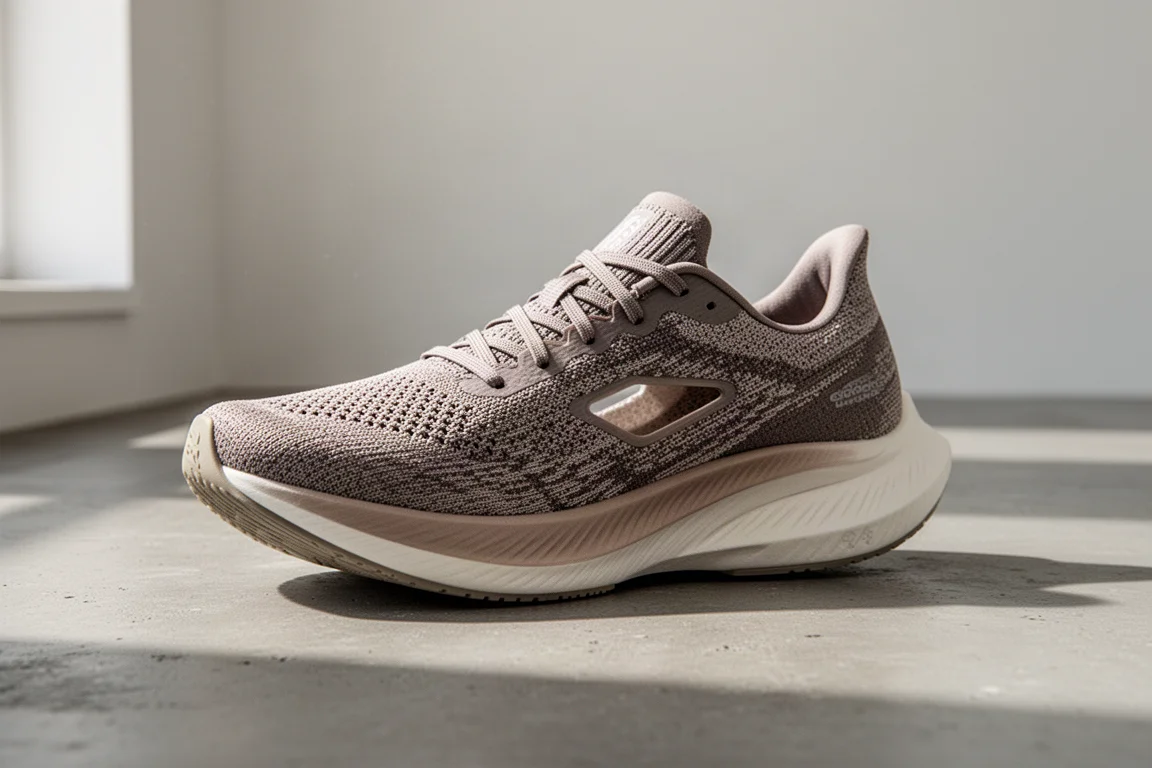
The Boston 10 is the biggest departure from its own heritage. It weighed in at over 350 grams in a UK 11.5, roughly 12.4 ounces, with a bulky upper built from layers of material wrapping around the foot. Compare that with the previous Boston at around 280 grams in the same size, a full 70 grams lighter, and the direction of travel is clear.
The shoe does carry the energy rods and foam cut-outs shared with the rest of the new lineup, but the overall result is a clunky-feeling shoe that sits awkwardly between categories. Is it a daily trainer? A long run shoe? It does not fully commit to either role, and it is hard to escape the sense that the rods were shoehorned into another model for lineup consistency rather than a clear performance goal.

adidas Adizero Adios 6
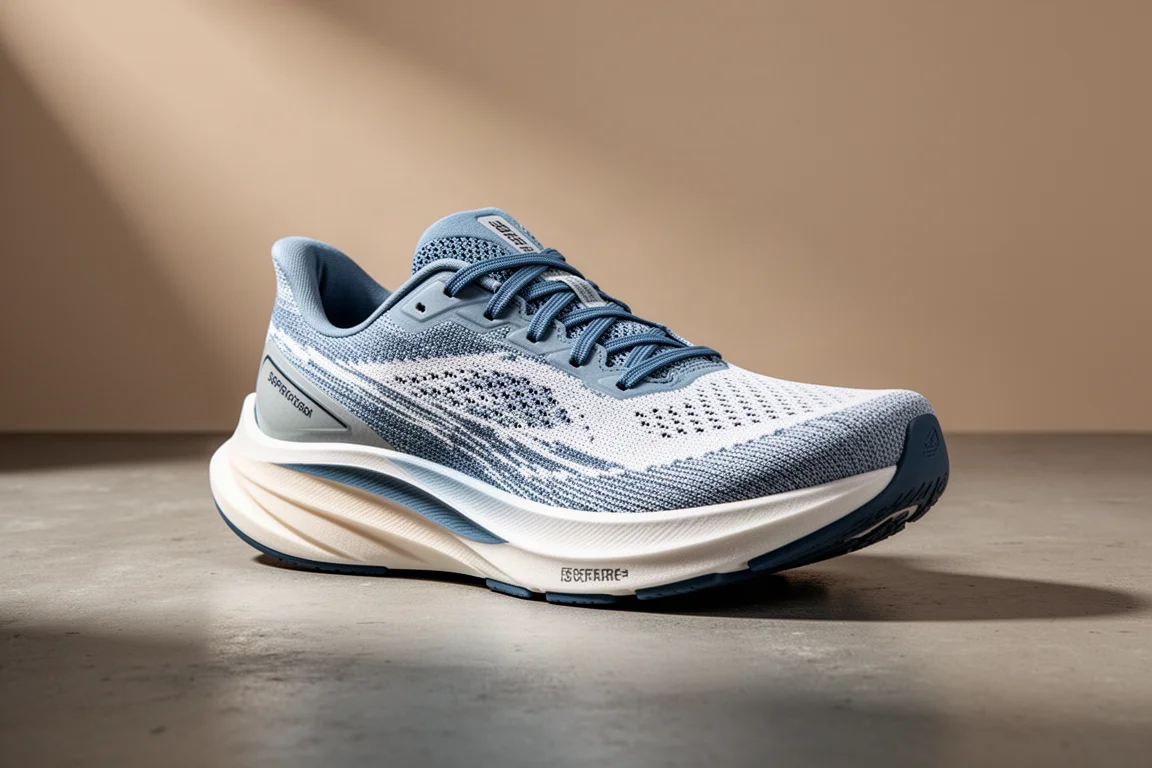
The Adios 6 lands in a strange spot: it is now a lower-stack shoe than the Takumi Sen 8, and in character it is closer to what the Boston used to be. Runners familiar with the Adios name may be perplexed when they lace up the 6 expecting the traditional lean race flat feel.
Its upper shares the sway-hit design with the Takumi Sen 8 and Boston 10, but it sits a little heavy for the racing role the Adios historically occupied. If anything, the Adios 6 arguably reads as the true successor to the Takumi Sen 7 in terms of where it sits in the restructured lineup, though that is more a reflection of adidas’s confusing naming than a deliberate design goal.
Buying Advice: Which One Fits Your Running
If you want a fast shoe for 5K to 10K racing and tempo sessions, the Takumi Sen 8 is the standout of the three: generous Lightstrike Pro foam, energy rods, and a weight that stays competitive with its predecessors. If your feet prefer a wider fit, take note that the Takumi line has historically run narrow, so check the fit before committing.
The Boston 10 makes sense only if you specifically want a more cushioned, durable trainer and do not mind the added bulk. The Adios 6 suits runners who want a lower-stack option in the range and are happy to accept that it no longer matches the character of older Adios models.
Conclusion
The 2021 Adizero restructure rewards careful reading: the names no longer tell you what the shoe is. The Takumi Sen 8 is the most compelling of the trio for fast running, the Boston 10 traded lightness for bulk, and the Adios 6 now occupies lower-stack territory. Match the shoe to your distance and fit preferences rather than to the name, and you will land on the right pair.
Further reading
Related Reviews

Running Shoes
Best Road-to-Trail Running Shoes: Three Versatile Options for Mixed Terrain
A practical guide to three road-to-trail running shoes that handle both pavement and mild trails, with clear strengths and trade-offs for different runner types.

Running Shoes
Best Running Shoes for Achilles Tendonitis: Three Options Explained
Three running shoes with different heel drops and support features designed to help reduce Achilles tendon pain during walking and running.

Running Shoes
Best Running Shoes for Women: Five Top Choices Ranked
A ranked guide to five women's running shoes, from versatile daily trainers to high-performance racing options, with real strengths and trade-offs for each.