Running Shoes
Adidas Adistar 4 Review: A Promising Daily Trainer Undone by Quality Problems
The Adistar 4 refines a comfortable max-cushion trainer with better geometry and an improved upper, but serious fit and consistency issues keep it from earning a recommendation.
Introduction
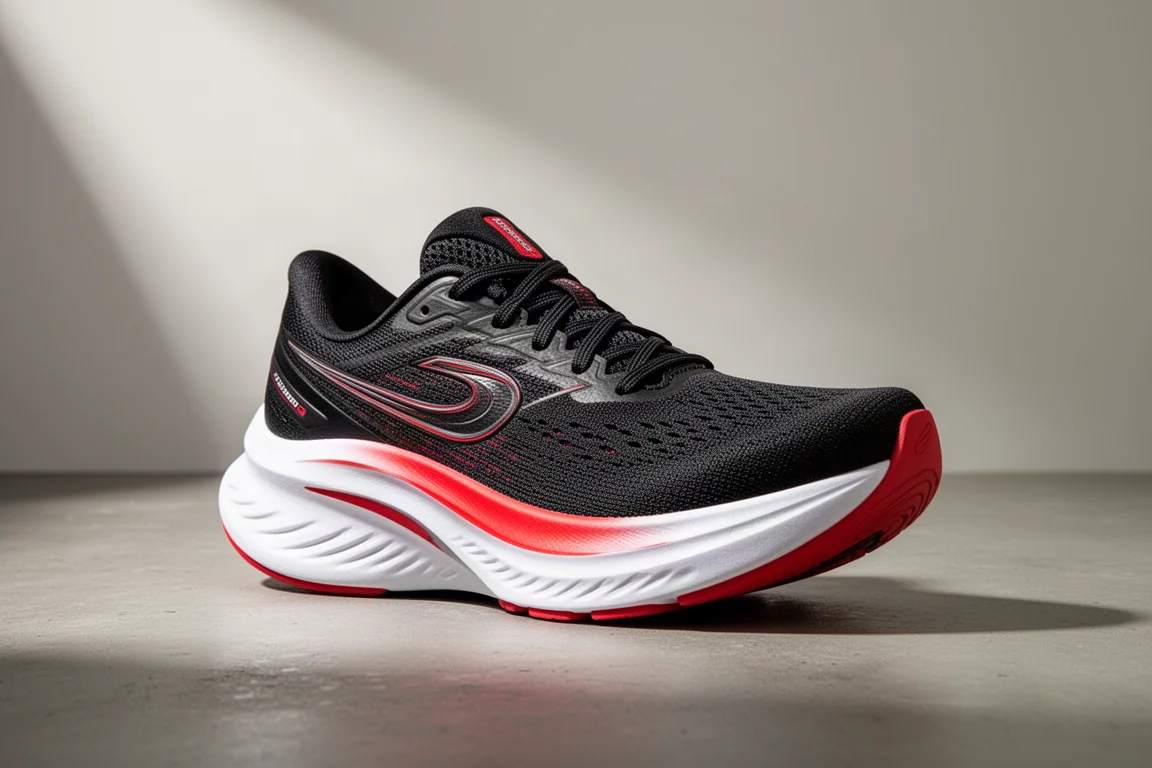
The Adidas Adistar 4 arrived with genuine promise. Its predecessor, the Adistar 3, was one of the more quietly impressive value trainers in recent memory: a comfortable, max-cushion daily shoe built on a foam you will not find in Adidas’ mainstream lineup, sold at a price that undercut most of the competition. The fourth version keeps that same Repetitor foam, refines the geometry, upgrades the upper, and adds ten dollars to the price tag. On paper, that is exactly the formula for a standout budget trainer.
In practice, the pair tested here came with problems serious enough to change the verdict entirely. Inconsistent foam firmness between the two shoes and a noticeably shorter, snugger fit turned what should have been an easy recommendation into one of the most disappointing shoes of the year. Here is how it all breaks down.
Background: The Adistar Lineup’s Quiet Value Play
Every major brand keeps at least one shoe in its lineup that it does not push heavily: a high-value model priced below its core performance range that rarely gets marketing attention. Within Adidas’ range, that role belongs to the Adistar. It sits to the side of the shoes the brand actively promotes, and that relative obscurity is part of what made the Adistar 3 such an interesting find.
The Adistar 3 launched at $130 and delivered a max-cushion experience that many described as a budget version of the Nimbus. It offered less foam, a narrower platform, and a less aggressive rocker than Adidas’ premium cushioned shoe, but it nailed the essentials: strong impact absorption, more bounce than expected from a comfort-focused trainer, and enough support for relaxed daily miles. It also invited comparisons to the Hoka Clifton, a top-selling comfort trainer that costs $150. In other words, the Adistar 3 punched well above its price.
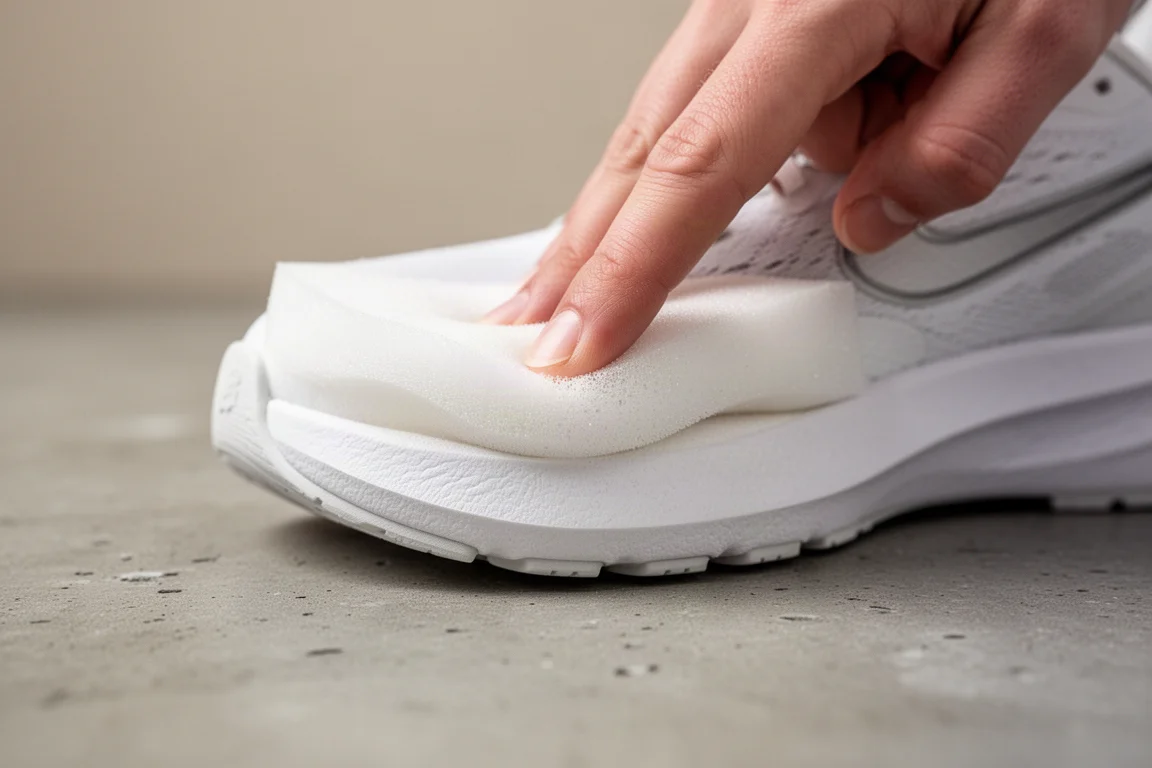
That context matters, because the Adistar 4 was positioned as an improvement on an already solid foundation, and the price moved up to $140.
What Changed From the Adistar 3
The most visible change is the upper. The new colorway is a clear step up, and the material itself feels different: slightly nicer to the touch, with more considered detailing and additional padding around the heel collar. The Adistar 3’s upper felt cheap in hand; the Adistar 4 does not.
The changes go deeper than cosmetics, though. Adidas quietly resculpted the midsole geometry. The toe spring at the front is angled up more aggressively than before, and there appears to be slightly more foam under the forefoot before the taper begins. Side by side, the difference is easy to see: the Adistar 3 sits noticeably lower at the front, while the Adistar 4 curves up in a way that should encourage a better toe-off and make the shoe more capable at faster paces.
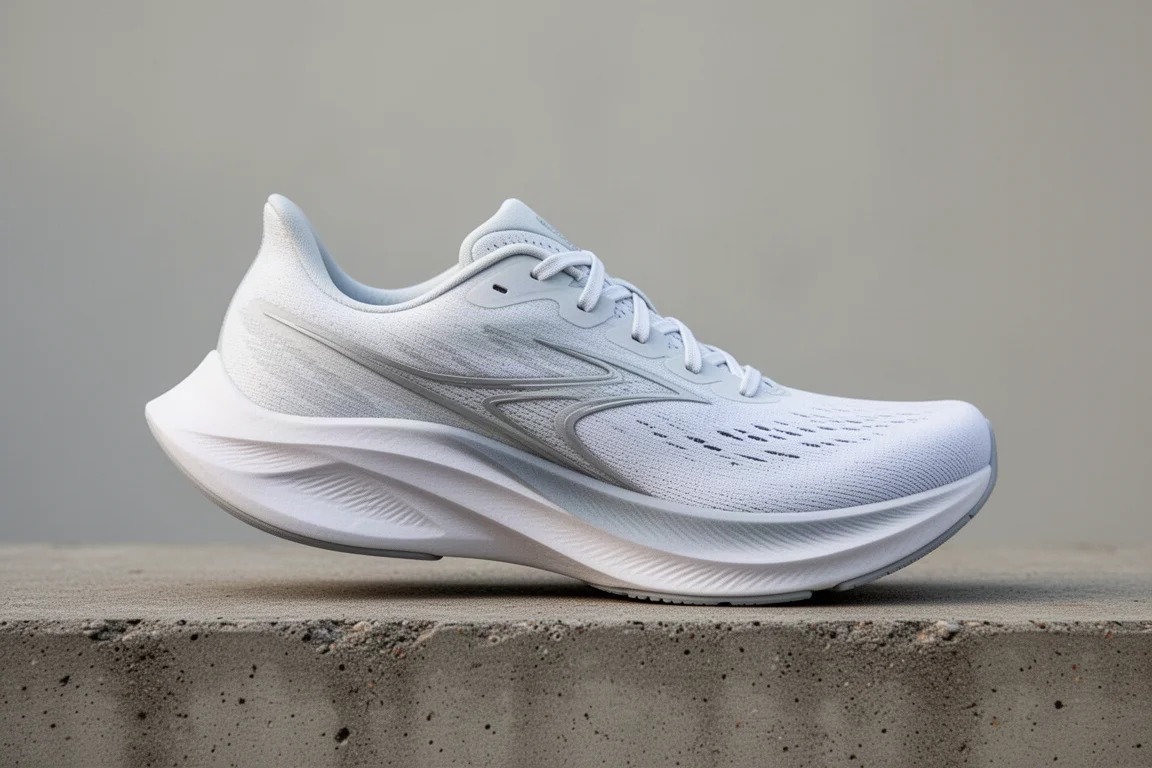
The foam itself is unchanged. It is the same Repetitor compound, and pressing into it by hand still produces that solid, satisfying squish that made the previous version so appealing. On paper, this is a shoe taking something that already worked and making it better. Measured out of the box, the heel stack came in around 41.4 mm on one side and 42.6 mm on the other, with a platform width of about 90 mm, essentially unchanged from the Adistar 3 and considerably narrower than the Nimbus at roughly 104 mm. Weight is a genuine bright spot: 274 grams on the scale, seven grams lighter than the Adistar 3 and lighter than the Clifton at 295 grams.
Fit and Sizing: A Serious Step Back
The geometry changes at the front appear to have shortened the toe box. Compared directly with the Adistar 3 in the same size, the Adistar 4 fits noticeably shorter and snugger, both in length and through the midfoot. A size 10.5 pair tested here ran exceptionally small, with toes pressed right up against the front of the shoe.

Adidas sizing is famously inconsistent across its range, but this is an unusually large deviation within a single model line. The practical advice is straightforward: if you do buy this shoe, go up at least half a size. The snugger fit also undermines some of the comfort that defines this category, since a max-cushion recovery shoe that pinches the toes is not doing its main job.
Ride Experience: Good on One Foot, Frustrating on the Other
Here is where things fall apart. On the left foot, the Adistar 4 delivers almost exactly what the Adistar 3 promised: a soft, squishy, comfortable ride with great bounce, a smooth transition, and a nice snap at toe-off. It is not merely a slow recovery shoe; it feels surprisingly nimble when the pace picks up.
On the right foot, the midsole is dramatically firmer. Pressing both midsoles with the same force, the left side compresses and nearly folds in on itself, while the right side barely budges. The difference is severe enough that the two shoes feel like entirely different models, forcing a modified stride with a heel-biased landing on one side and a forefoot landing on the other.
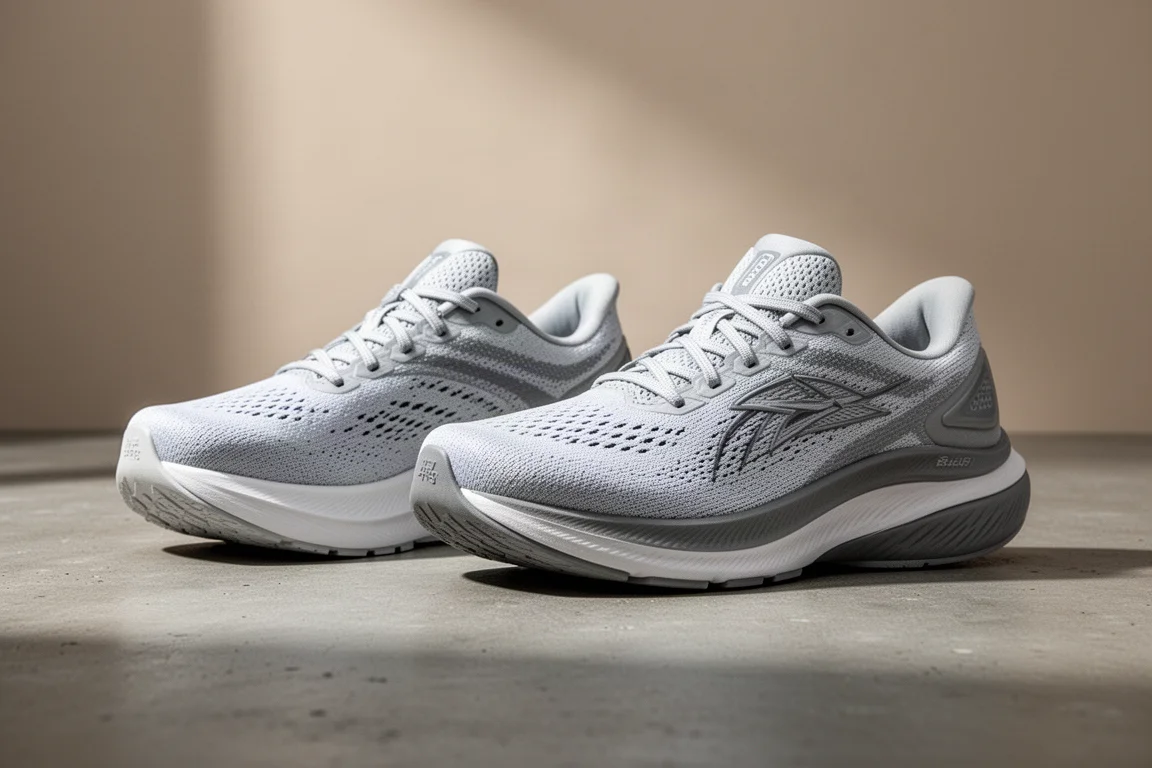
For a comfort-first trainer built around the idea of easy, forgiving miles, that kind of inconsistency is not a minor quirk. It is the kind of asymmetry that could genuinely contribute to injury over time. Standard EVA foam has been around for decades, and a discrepancy this extreme should not be possible. In more than 200 pairs of tested shoes, nothing comparable has come up. The realistic hope is that this was a bad pair rather than a widespread defect, but given Adidas’ recent record of quality-control issues across the lineup, from weight mismatches on premium race shoes to foam variation in other models, skepticism is warranted.
Should You Buy the Adistar 4?
At its best, the Adistar 4 would be an easy recommendation. The Repetitor foam, when it behaves, offers light, soft cushioning with good bounce, holding up well over 90-minute runs without bottoming out or turning mushy. The revised geometry looks sharp, the improved upper justifies part of the price increase, and at $140 it still undercuts the Brooks Ghost at $150 while offering more stack. Against the Skechers Aero Burst at the same price, the Adistar is around 60 grams lighter and more capable of faster running.
But “at its best” is doing a lot of work in that paragraph. The pair tested here fit a good half inch to three-quarters of an inch shorter than the previous version, and the foam firmness varied dramatically between the two shoes. If you are curious about this shoe, the safer move is to track down the Adistar 3, which is still a solid, softer max-cushion option if you can find it on sale. If you must try the Adistar 4, try it on first, confirm both shoes feel the same, and size up half a size.
Conclusion
The Adistar 4 should have been one of the best value daily trainers on the market. The ingredients are all there: proven foam, lighter weight, better geometry, and a nicer upper. Instead, quality-control failures and a badly shortened fit turned it into the most disappointing shoe of the year. Skip this version and look elsewhere.
Product link
View more details for Adidas Adistar 4
This product is mentioned in the review. Check the specifications, options, and compatibility before buying.
View more details for Adidas Adistar 4Further reading
Related Reviews

Running Shoes
Best Road-to-Trail Running Shoes: Three Versatile Options for Mixed Terrain
A practical guide to three road-to-trail running shoes that handle both pavement and mild trails, with clear strengths and trade-offs for different runner types.

Running Shoes
Best Running Shoes for Achilles Tendonitis: Three Options Explained
Three running shoes with different heel drops and support features designed to help reduce Achilles tendon pain during walking and running.

Running Shoes
Best Running Shoes for Women: Five Top Choices Ranked
A ranked guide to five women's running shoes, from versatile daily trainers to high-performance racing options, with real strengths and trade-offs for each.