Running Shoes
Adidas Adios Pro Evo 2 After 100 Miles: A Pinnacle Race Shoe With More Staying Power
A 100-mile look at the Adios Pro Evo 2: how it runs, how it holds up, and whether the toned-down Evo 2 makes more sense than the original.
Introduction
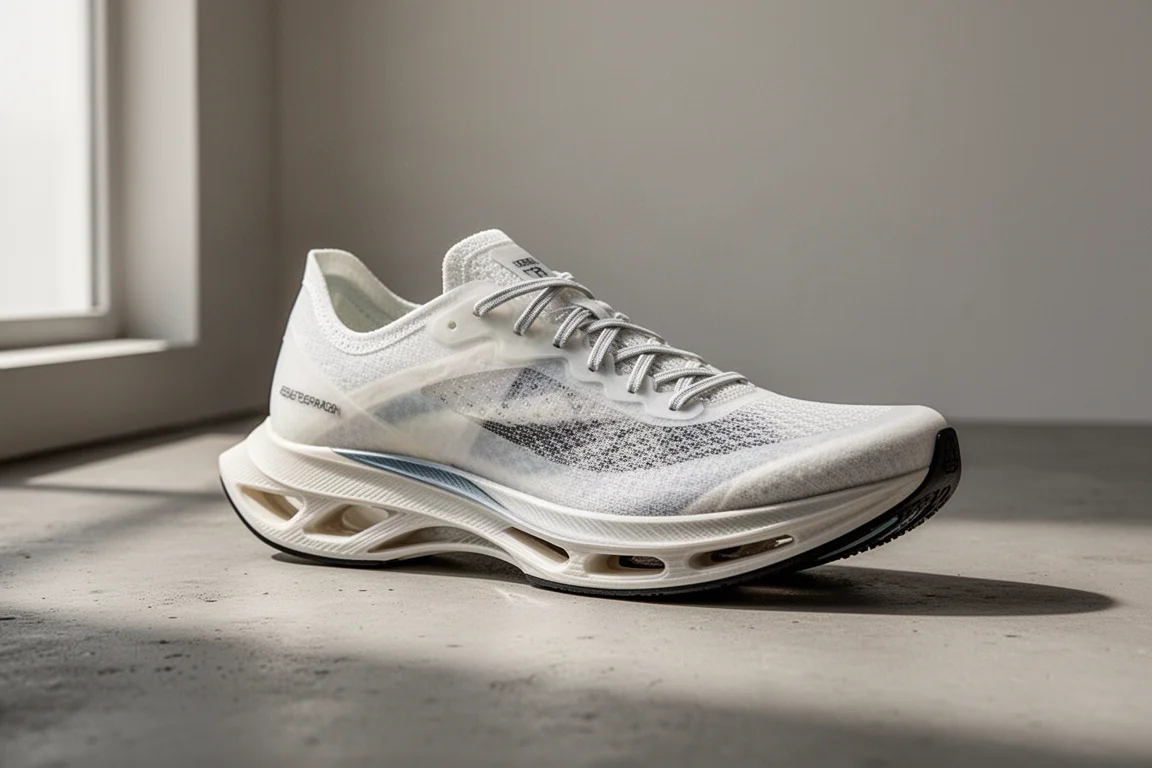
The original Adios Pro Evo 1 shipped with a warning about its very short performance lifespan. The Adios Pro Evo 2 ships with no such warning, which raises an obvious question: did Adidas quietly fix the durability problem, or did it just stop talking about it? After 100 miles of use, the answer is more encouraging than skeptics might expect. The Evo 2 is still one of the most aggressive race shoes on the market, but it now behaves a little more like a shoe you can actually train in before race day. At $500, it remains a specialist purchase, but the value proposition has shifted in a meaningful way.
Who This Shoe Is For
This is a top-tier race shoe, and even racier than the standard Adios Pro line. It makes the most sense for runners targeting a marathon or key race where they want maximum performance and are willing to accept a quirky, demanding ride. In the testing window leading up to a fall marathon, the Evo 2 proved useful well beyond race day itself. It worked well for threshold repeats such as 6 x 6 minutes at threshold effort, where it helped hold intended effort and made the paces look a little nicer on paper, which is a genuine confidence boost. It also handled long runs, including a 20-mile session with 3 x 5K at marathon effort and an unstructured 18-mile steady run slightly faster than easy pace. Given the price, an 18-mile steady run is not the ideal use case, and plenty of cheaper shoes can do that job. But the fact that this shoe can handle it shows it has more range than you might expect from a $500 pinnacle race product.
How It Runs: A Small Sweet Spot
This is a difficult shoe to run in, and that is the headline performance story. The Evo 2 effectively has two modes it likes. The first is running very much on the toes with clean, upright form, where the foam absorbs impact and springs back with a really nice sense of bounce. The second is a more relaxed stride landing squarely in the midfoot and rolling forward, which is less spectacular but still efficient. Outside those modes, the shoe does not necessarily fight you, but it stops feeling special. Land between the midfoot and forefoot, or toward the heel, and it can even feel like a touch of braking with each stride.
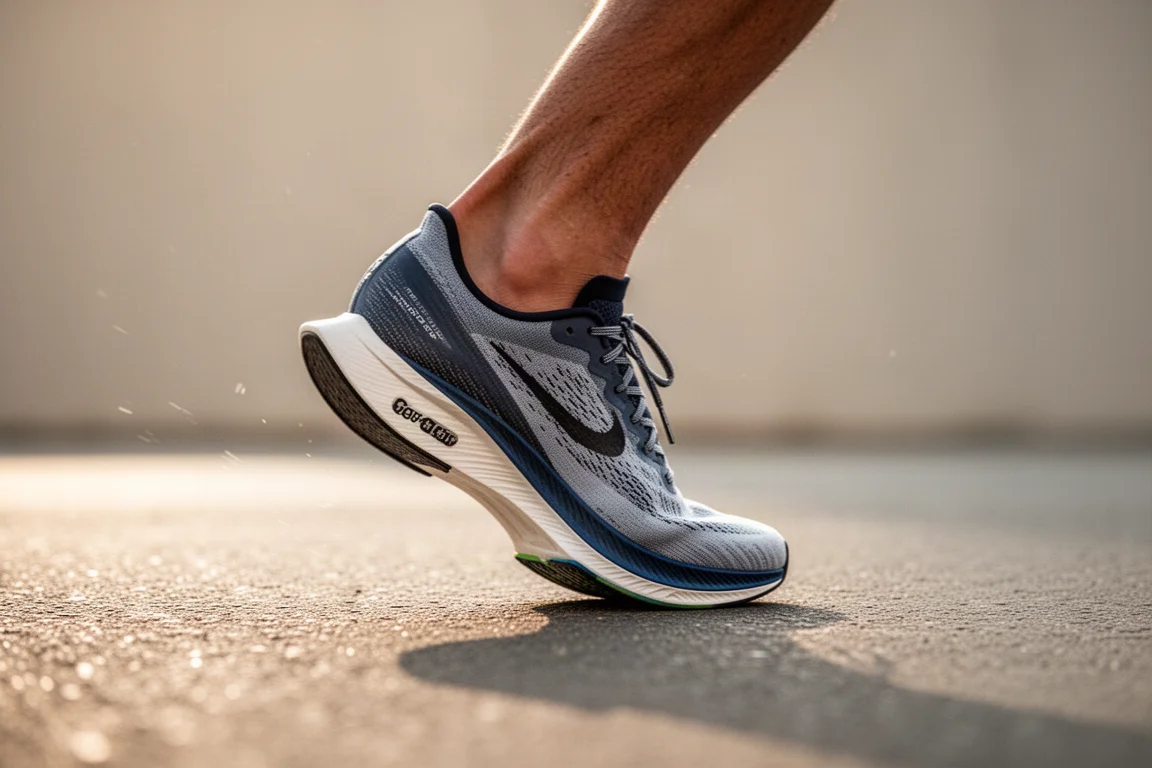
The sweet spot is genuinely small. If your natural stride lives in that zone, this shoe will be a lot of fun. If it does not, the shoe may feel underwhelming, especially at this price. Compared with the Evo 1, which was more aggressive and had a lower effective sense of stack, the Evo 2 feels toned down. The delta between the two is noticeably smaller, and some of the edge has come off. That is the trade Adidas made for the improved durability discussed below.
Durability After 100 Miles
The midsole is the big story. At 100 miles, there is still a lot of life left. The original Evo 1 felt done at around 70 miles, with the foam compressing to the point where racing in it no longer made sense. The Evo 2 at 100 miles still feels like a shoe you could line up for a marathon in and have a really good time running. The foam is still behaving as it should, with the usual quirks intact: a tight upper and that small sweet spot.
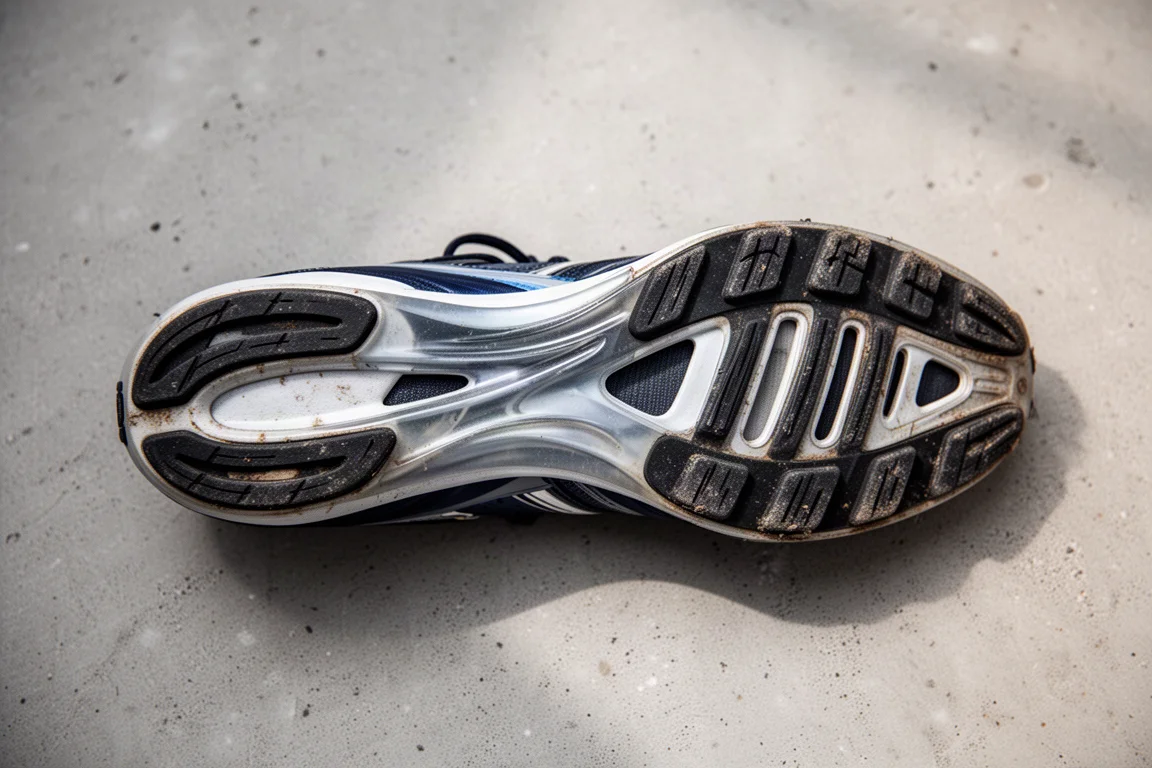
Elsewhere, the translucent see-through upper has held its integrity and still feels as tight as day one, with no stretching and no fraying in the heel cup. A small stripe on the shoe started loosening within the first 10 miles but has managed to stay attached through 100 miles. The only notable upper issue is a couple of beads of glue on the left shoe’s forefoot starting to break, likely excess glue from the start, and probably not a real problem. The very thin outsole rubber has become glossy and polished to the touch, but there is still plenty of it, with no spots worn through despite the cutouts. The grooves cut into the outsole this year give the shoe enough bite: dry pavement is fine, wet pavement is fine, and only wet painted or extra-slippery surfaces feel less secure.
On lifespan expectations, 100 miles is probably toward the top end of racing use, maybe 125 miles, with some workout life possibly left after that. That is less than a standard Adios Pro, but a clear step up from the original Evo 1 and its roughly 50-mile estimated lifespan.
Things to Consider Before Buying
The $500 price is the first filter. This is not a shoe most runners need, and it is not a recommendation for the majority of buyers. The second filter is fit and ride: the upper is tight and a bit finicky to get in and out of, though nearly all top-tier racing shoes share that trait. The third is the sweet spot itself. If you cannot reliably land in the two modes this shoe likes, you are paying a premium for performance you may not access. Finally, consider the philosophy behind the purchase. The pinnacle tier exists for runners making one big swing at a result, willing to pay for uncompromised performance. If you want a more durable, more versatile super shoe, the regular Adios Pro line covers that at a friendlier price.
Alternatives Worth Considering
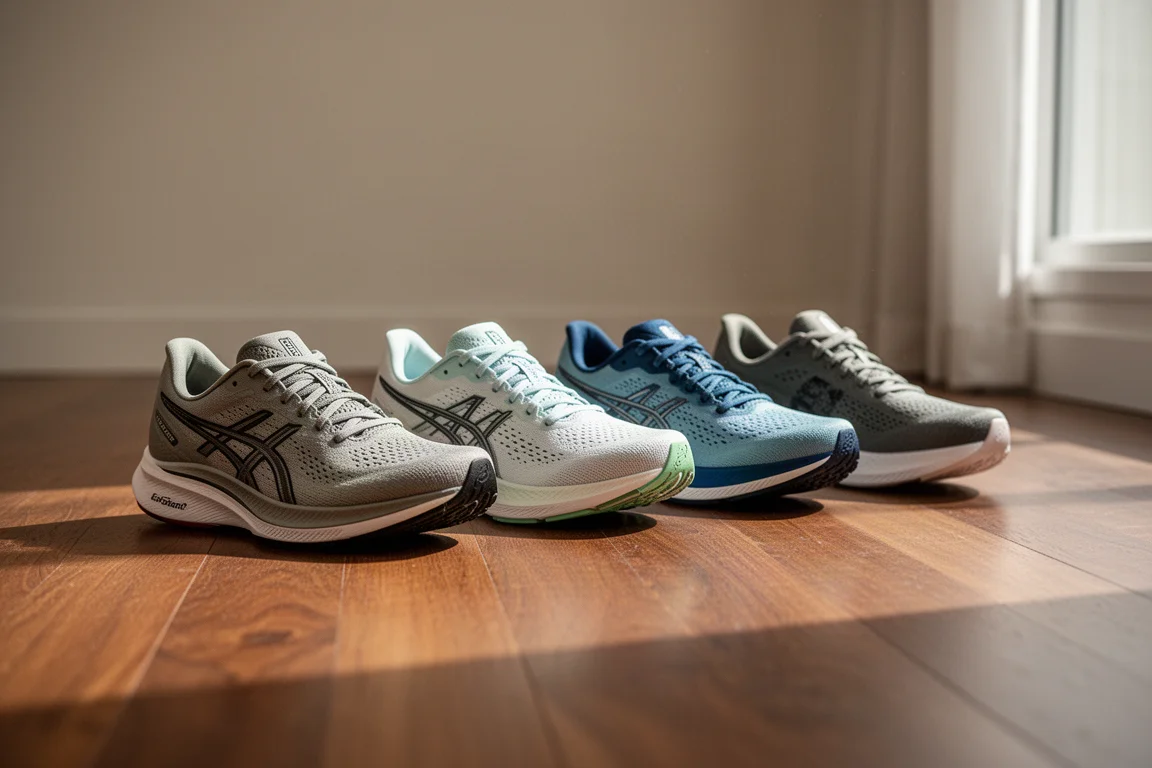
For runners shopping at the top of the market, a few other pinnacle-tier options deserve a look. The ASICS Metaspeed Ray is the newest entrant, an incredibly lightweight super elite shoe with a new foam that is very much on the squishy, dynamic side: it compresses noticeably on landing and springs back explosively at toe-off, and it comes in at $300, notably less than the Evo 2. Choosing between the two largely comes down to whether you prefer a squishy, dynamic ride or the Evo 2’s pingy, dense, responsive feel. The On Cloudboom Lightspeed and Puma Fast-R 3 both remain strong alternatives in this tier as well. There is also a more overlooked option from Craft: a carbon-plated shoe that is lighter than most Craft models, though not ultra lightweight, with a similarly small sweet spot and a nice pingy sensation when you land just right. At $320 it is still expensive, arguably more than it should be, but it reads as a toned-down, slightly cheaper take on the Evo 2 formula.
Buying Advice
The Evo 2 is a toned-down version of last year’s Evo 1, but still among the most aggressive shoes available. If the $500 price does not scare you off, you are now getting a more normal-ish durability and lifespan out of the shoe, which changes the calculus for runners who want one pinnacle shoe for both key workouts and race day. Anyone else should look at the standard Adios Pro line, or one of the alternatives above, and pocket the difference. As for how long a shoe like this should last, the honest answer depends on the tier: regular super shoes should deliver around 125 to 150 racing miles plus another 100 of workouts, while a truly uncompromising pinnacle product does not need to promise much more than 50. The Evo 2 now sits somewhere in between, and that compromise is exactly what buyers should weigh.
Conclusion
After 100 miles, the Adios Pro Evo 2 is a more complete product than its predecessor: same small sweet spot, same tight translucent upper, same aggressive intent, but with foam that still has marathon-ready life well past the point where the Evo 1 felt finished. It is still a $500 shoe for a narrow type of runner, and alternatives like the Metaspeed Ray offer a different flavor of fast for less money. But for runners chasing peak race-day performance with a bit more peace of mind, the Evo 2 makes a much easier case than the original ever did.
Product link
View more details for Adidas Adios Pro Evo 2
This product is mentioned in the review. Check the specifications, options, and compatibility before buying.
View more details for Adidas Adios Pro Evo 2Further reading
Related Reviews

Running Shoes
Best Road-to-Trail Running Shoes: Three Versatile Options for Mixed Terrain
A practical guide to three road-to-trail running shoes that handle both pavement and mild trails, with clear strengths and trade-offs for different runner types.

Running Shoes
Best Running Shoes for Achilles Tendonitis: Three Options Explained
Three running shoes with different heel drops and support features designed to help reduce Achilles tendon pain during walking and running.

Running Shoes
Best Running Shoes for Women: Five Top Choices Ranked
A ranked guide to five women's running shoes, from versatile daily trainers to high-performance racing options, with real strengths and trade-offs for each.