Running Shoes
Adidas Adios Pro 5 Review: What Changed and How It Compares to the Race Shoe Field
A lighter Adios Pro 5 with new foam and an energy rim, plus how the Adios Pro 4, Pro Evo 2, Topo Spectre Elite, and Tyr Valkyrie Elite 2 stack up.
Introduction
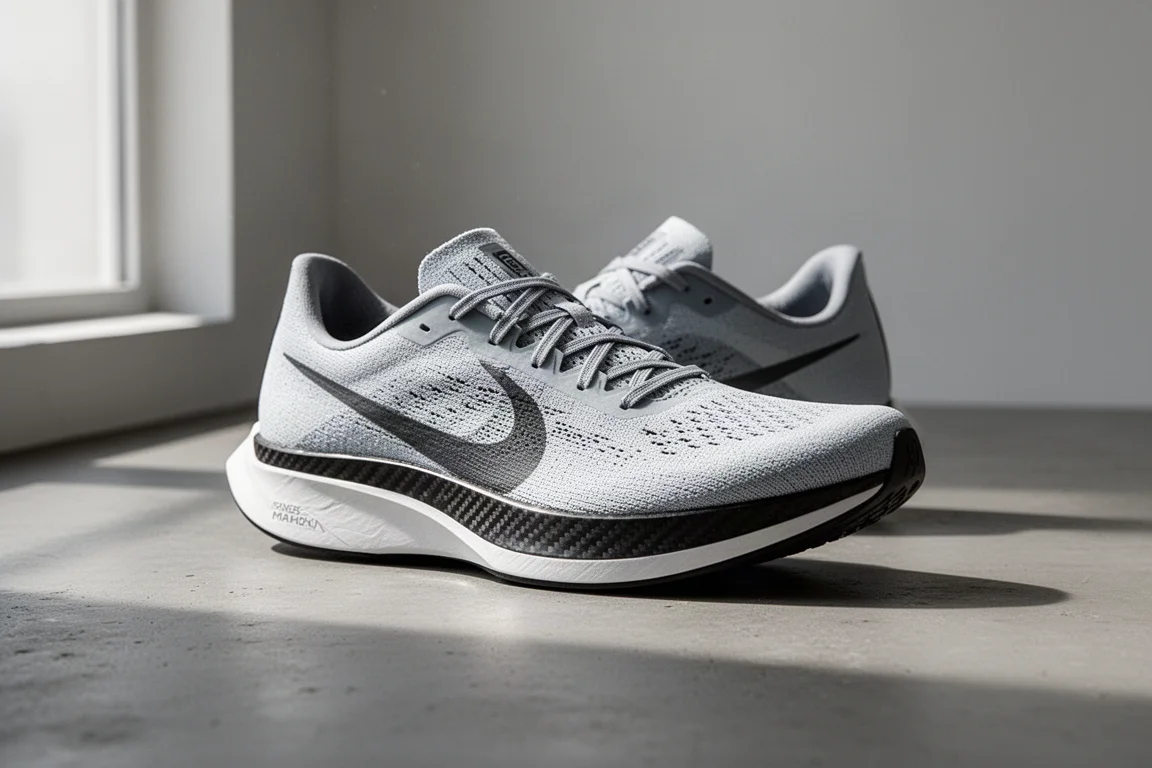
The Adidas Adios Pro 5 arrives with an updated Light Strike Pro foam, a redesigned carbon system, and a weight that drops by more than an ounce compared to its predecessor. Those are meaningful changes in a category where small differences in weight and foam feel decide which shoe earns a spot on the start line. This review breaks down what actually changed, how the shoe performs at marathon effort, and where it sits against the Adios Pro 4, the Adios Pro Evo 2, the Topo Spectre Elite, and the Tyr Valkyrie Elite 2.
Adidas Adios Pro 5: What’s New
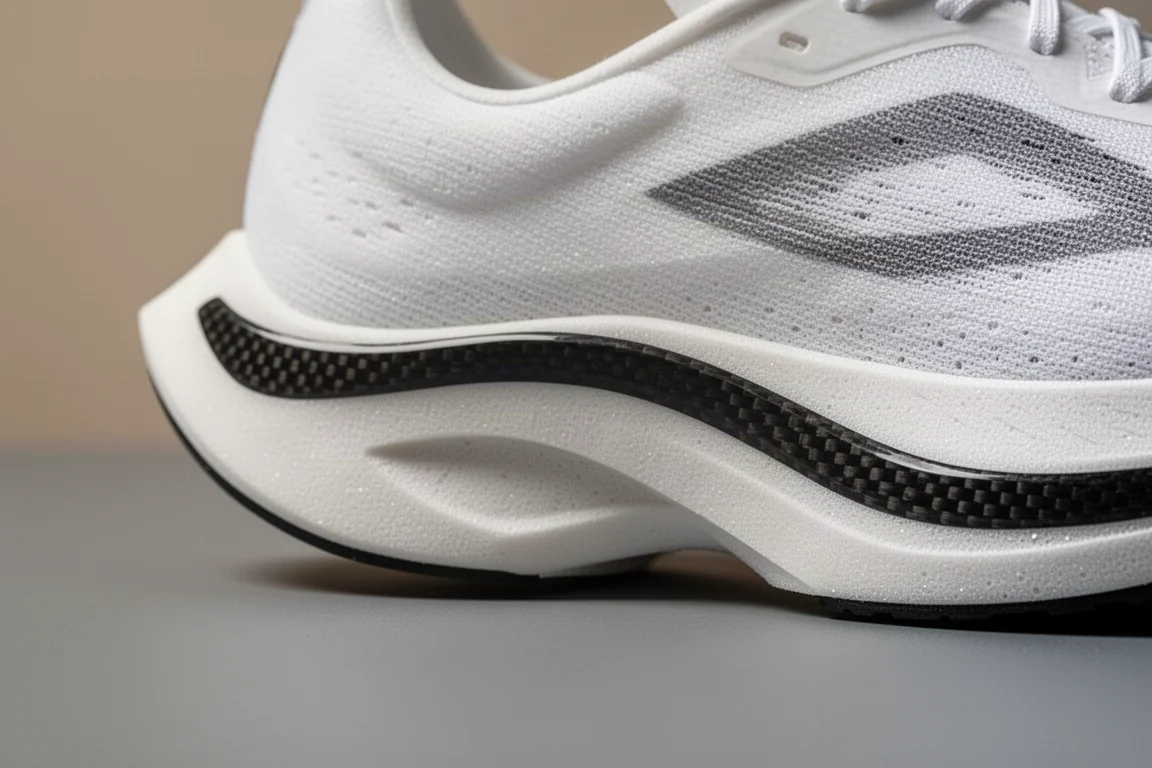
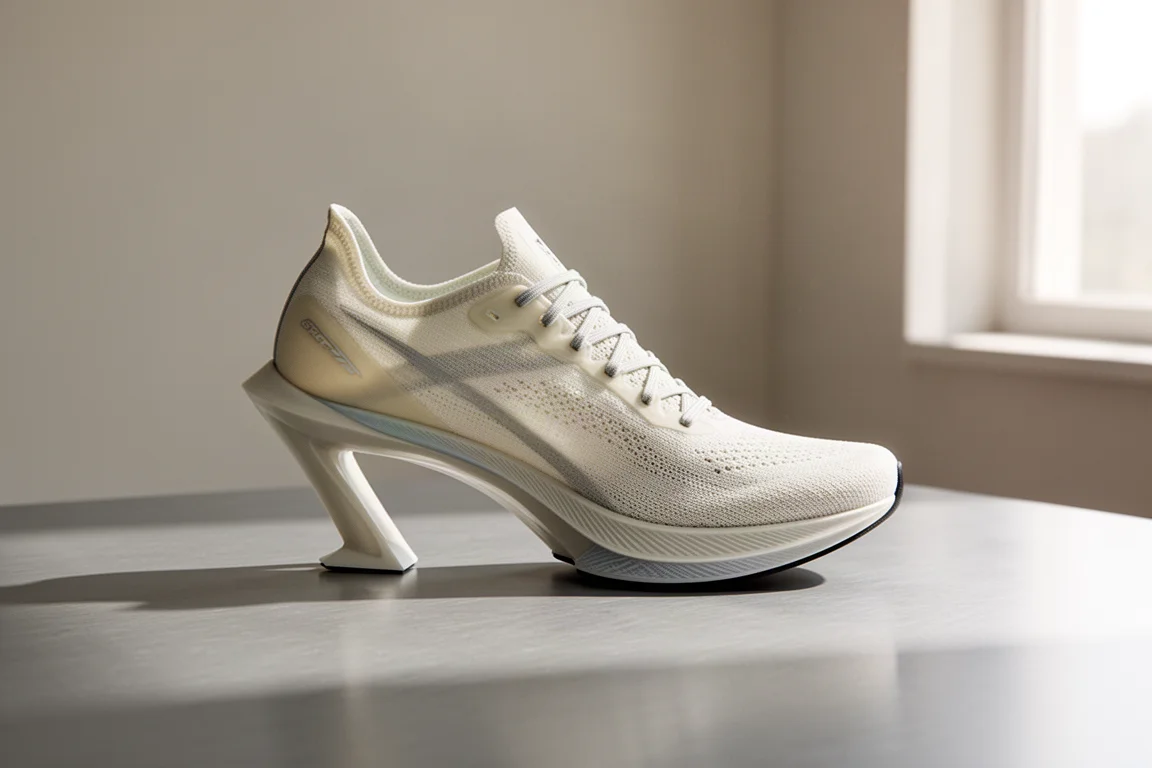
On paper, the Adios Pro 5 is a 39mm stack shoe with a 4mm drop, putting 35mm of foam under the forefoot. The biggest spec-sheet shift is weight: a US men’s size 9 weighed in at 6.1 ounces, or 174 grams, noticeably lighter than the Adios Pro 4. The updated Light Strike Pro foam is far less dense than before, and the old energy rods, those carbon fingers that mapped along the bones of the foot, have been replaced with an energy rim. That rim is a carbon-infused piece that wraps around the circumference of the shoe without fully closing, bending up and down along its length to add rigidity exactly where it is wanted. The design borrows heavily from the Pro Evo line, the family behind the world’s first official sub-two-hour marathon shoe.
The upper uses Lightlock materials that are much lighter than last year’s, with a sewn-in non-gusseted tongue, minimal bumper padding in the heel cup, and no structural heel counter, which is typical for race product. Fit brings a touch more volume in the toe box height, which improves on the Adios Pro 4. Regular running shoe size worked well, and anyone who sized the Pro 4 should stick with the same size. Continental rubber and Light traction protect the outsole. One signature geometry trait remains: the forefoot stays wide not just at the pads of the foot but further back toward the arch, something very few brands do.
How It Runs on the Road
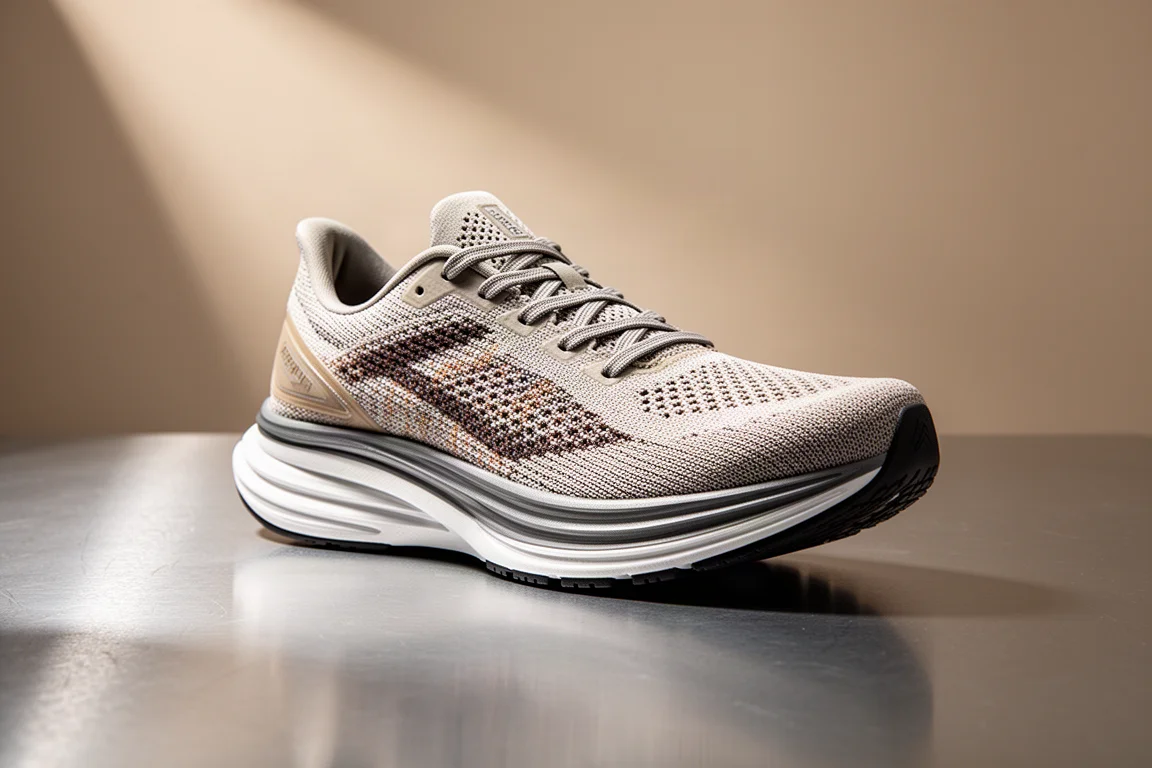
The short version: this shoe is fast, and the weight loss is both noticeable and welcome. The early rocker supports quick turnover, but the headline change is the foam. It no longer feels dense like the previous Light Strike Pro, and it still cushions well while staying responsive. It does not compress dramatically and snap back wildly; it is more a leaner, sharper evolution of the same foam character, which now gets to speak more prominently now that the energy rim has replaced the rods.
First testing involved a 20-mile long run right out of the box with about 10 miles at marathon effort. At those paces, the shoe has a distinct sweet spot: landing in that extended wide band and pushing off lets the Light traction grip launch you off the rocker’s fulcrum point. For a midfoot to forefoot striker at marathon effort, the miles felt controlled, without overextending to hit target paces. The upper stayed lightweight and comfortable for the full distance.
A threshold repeat session with faster forefoot-led work confirmed the shoe remains snappy and bouncy even outside its ideal strike zone. Overall, the experience lands between the Adios Pro 5’s predecessor and the Pro Evo 2, just not quite as harsh as the Evo, which is a very good place for this shoe to sit.
View more details for Adidas Adios Pro 5
Adidas Adios Pro 4
The outgoing Adios Pro 4 is now the value path into this family. It runs about an ounce heavier, uses the older denser Light Strike Pro, and keeps a very similar geometry but with the carbon energy rods instead of the energy rim. The Pro 5 is a clear improvement, particularly in foam feel and weight, but the Pro 4 remains a proven marathon racer. It is currently on sale, which makes it a sensible way to save money, especially for runners who already loved the Pro 4 or Pro 3 and want to stock up.

Adidas Adios Pro Evo 2
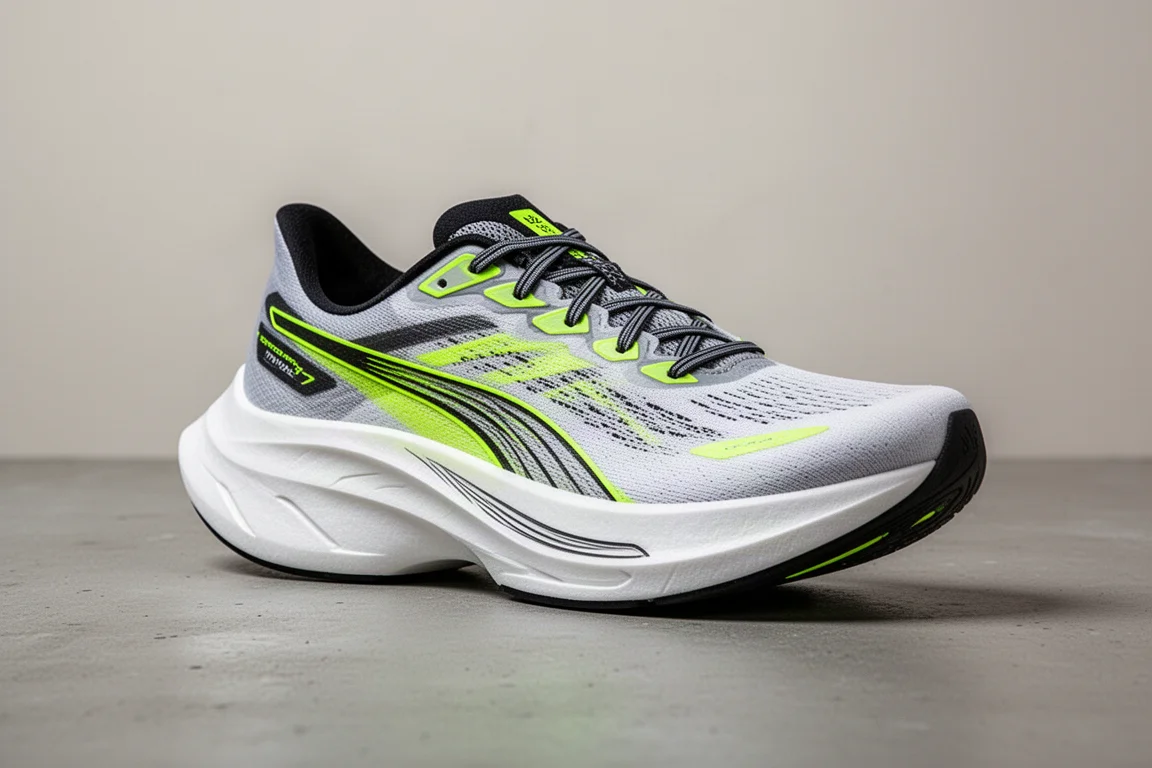
The Adios Pro Evo 2 is not really a comparable everyday purchase, but it matters for context because the Adios Pro 5’s energy rim draws from this line. The Evo 2 is even lighter than the Pro 5, and its Light Strike Pro Evo foam is genuinely fast and exciting, but it runs harsh for anything beyond short, fast racing. It is a shoe that works for a half marathon, while the marathon distance is a tougher ask for a non-elite runner. At $500, it is a specialist tool: brilliant at speed, only for short bursts, and priced accordingly.
Topo Spectre Elite
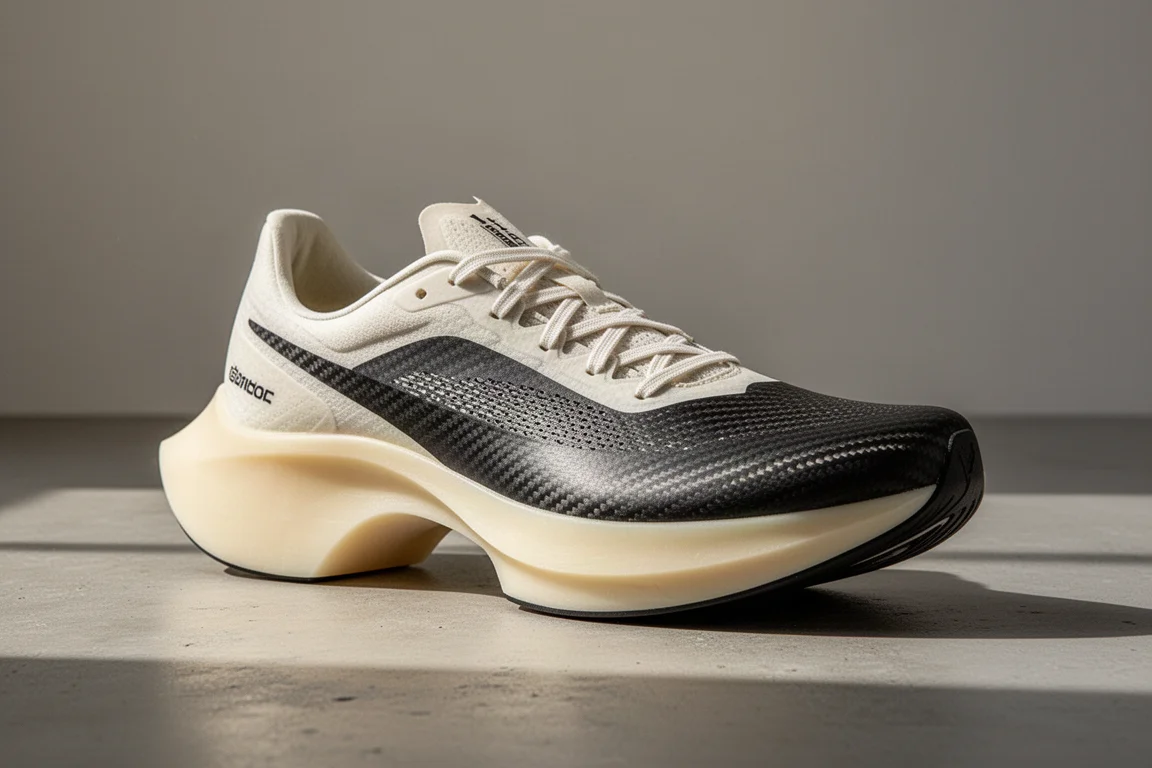
The Topo Spectre Elite is the one other shoe that shares the Adios series’ distinctive extra width extending back toward the arch. It uses aliphatic TPU foam, a material that compresses deeply and decompresses dynamically for a very bouncy ride. The trade-off is timing: that bounce takes longer to get through, so the shoe does not want to turn over as quickly as the Adios Pro 5. Fast-cadence runners may find it slightly sluggish, and at roughly an ounce heavier, around the same weight as the Adios Pro 4, it carries a hint of bigness. At $250, though, it is very good value for what it delivers.
Tyr Valkyrie Elite 2
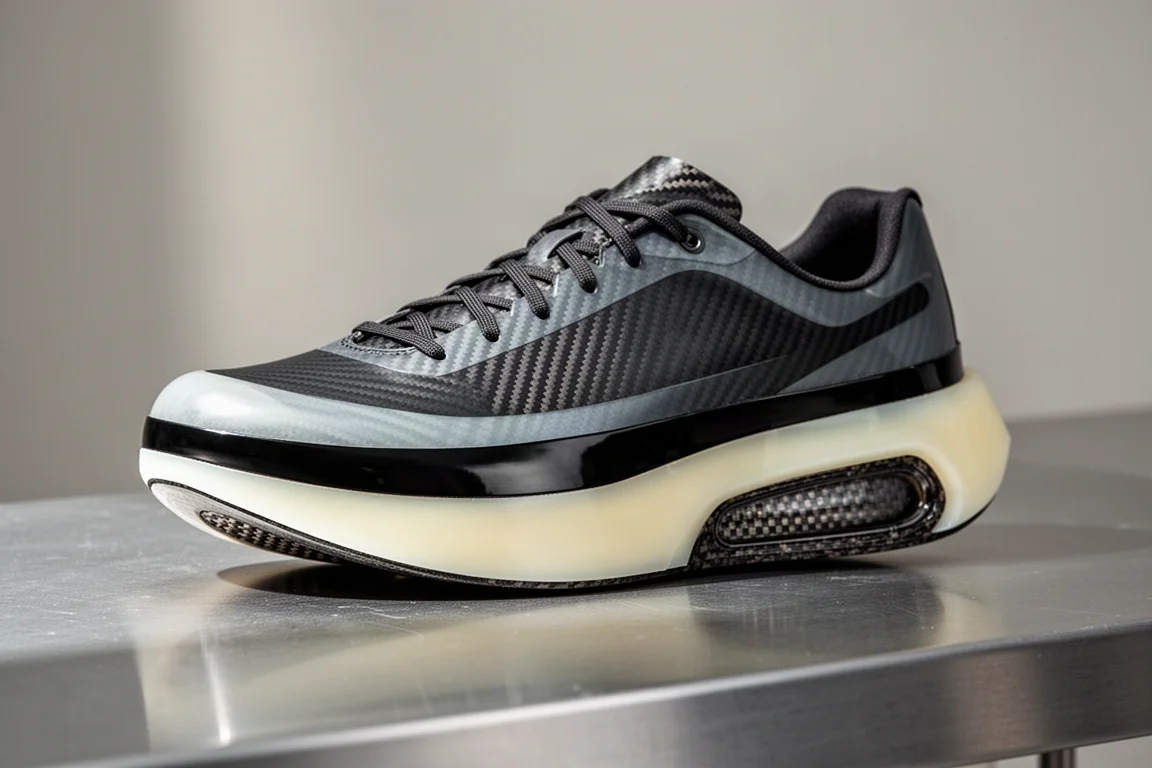
The Tyr Valkyrie Elite 2 looks closer to the Adios Pro 5 than it actually is. Both have a black band running all the way around the midsole, but in the Valkyrie Elite 2 that band is essentially paint, while carbon sits inside the shoe visible through a window in the outsole. In feel, it is much closer to a Fast R3 clone. It uses aliphatic TPU that responds a bit quicker than the Spectre Elite’s, without compressing as deeply, but its geometry leans toward forefoot strikers and the turnover still does not feel as quick as the Adios Pro 5. It is available now at $280.

Buying Advice
The Adios Pro 5 suits midfoot strikers best and works well for forefoot strikers too, particularly at marathon effort where its sweet spot lines up with a controlled, efficient stride. At $275, it is expensive, though pricing across the super shoe category has shifted enough that it sits within the current norm. If budget matters, the on-sale Adios Pro 4 is the obvious alternative within the same family. Runners chasing maximum excitement over short, fast races may be tempted by the Pro Evo 2, while those who prefer a bouncier, slower-turning TPU ride should look at the Spectre Elite, and forefoot strikers wanting a responsive TPU option can consider the Valkyrie Elite 2.
Conclusion
The Adios Pro 5 earns its update. Lighter construction, less dense foam, and an energy rim borrowed from the Pro Evo line add up to a faster, more refined marathon racer that sits comfortably between comfort and raw speed. The competition is real, but the Pro 5 is a clear step forward over the Pro 4 and a serious contender for anyone racing the marathon distance this season.
Further reading
Related Reviews

Running Shoes
Best Road-to-Trail Running Shoes: Three Versatile Options for Mixed Terrain
A practical guide to three road-to-trail running shoes that handle both pavement and mild trails, with clear strengths and trade-offs for different runner types.

Running Shoes
Best Running Shoes for Achilles Tendonitis: Three Options Explained
Three running shoes with different heel drops and support features designed to help reduce Achilles tendon pain during walking and running.

Running Shoes
Best Running Shoes for Women: Five Top Choices Ranked
A ranked guide to five women's running shoes, from versatile daily trainers to high-performance racing options, with real strengths and trade-offs for each.