Running Shoes
Adidas Adios Pro 4 vs Hoka Cielo X1 2.0: Which Racing Shoe Should You Buy?
Two of the strongest carbon racing shoes of the year compared on fit, ride feel, and race-day use cases.
Introduction
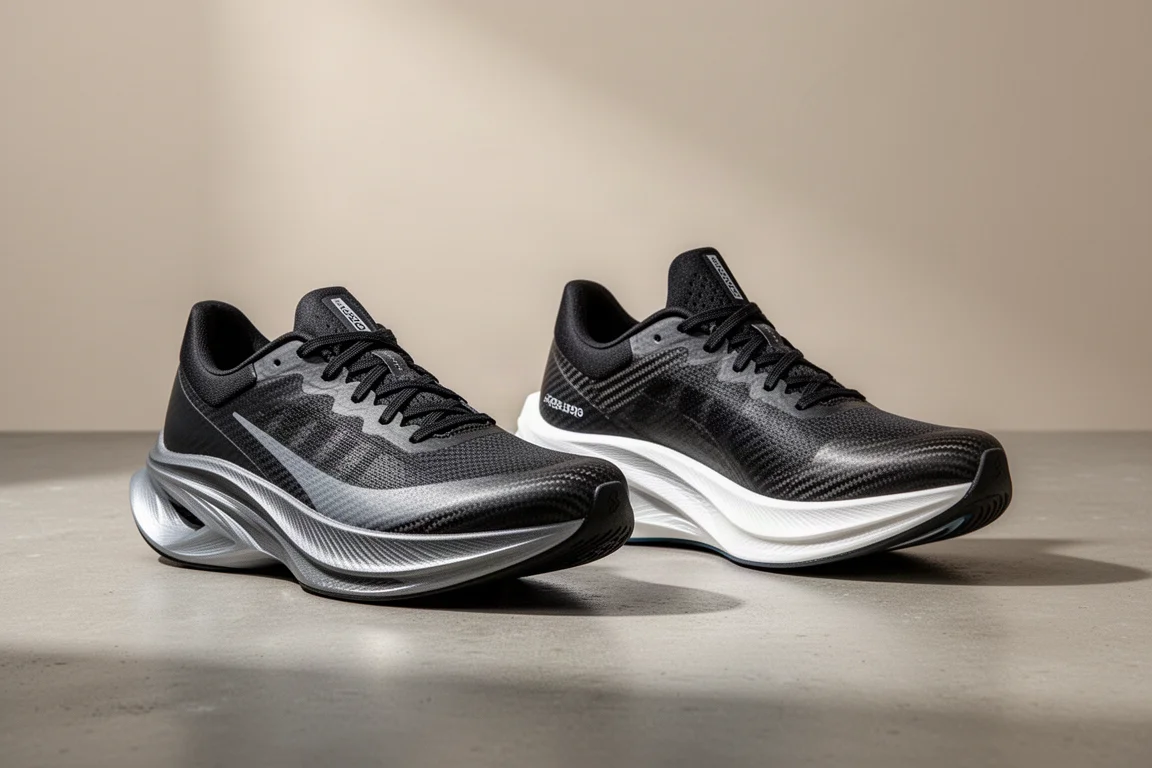
The Adidas Adios Pro 4 and the Hoka Cielo X1 2.0 are two of the best compact racing shoes on the market right now. Both launched within the last year and both have impressed pretty much everyone who has spent serious miles in them. If you are shopping for a new racing shoe, these two deserve a place at the top of your shortlist.
The Cielo X1 2.0 is the pricier of the pair at £255 / £275, while the Adios Pro 4 comes in at £220 / $250. The Hoka is also the slightly heavier shoe at 214g / 7.5oz in a UK 9, against 201g / 7.1oz for the Adidas in the same size. Drop sits at 7mm on the Hoka and 6mm on the Adidas. Those headline numbers only tell part of the story, though, because these are two very different rides.
Adidas Adios Pro 4
The Adios Pro 4 uses a woven Light Lock upper with a slightly plasticky feel, designed to avoid absorbing water and piling on weight. Like the Hoka, there is not much structure at the heel, and the emphasis is firmly on keeping the shoe light. The full-length Lightstrike Pro midsole is a new formulation compared to the Adios Pro 3: a little softer, springier, and lighter. Adidas pairs it with carbon-infused Energyrods 2.0 running through the midsole to deliver propulsion and stability similar to a plate. There is a big medial side cutout, and a Lighttraction rubber outsole covers most of the sole with a small section of Continental rubber at toe-off for grip.
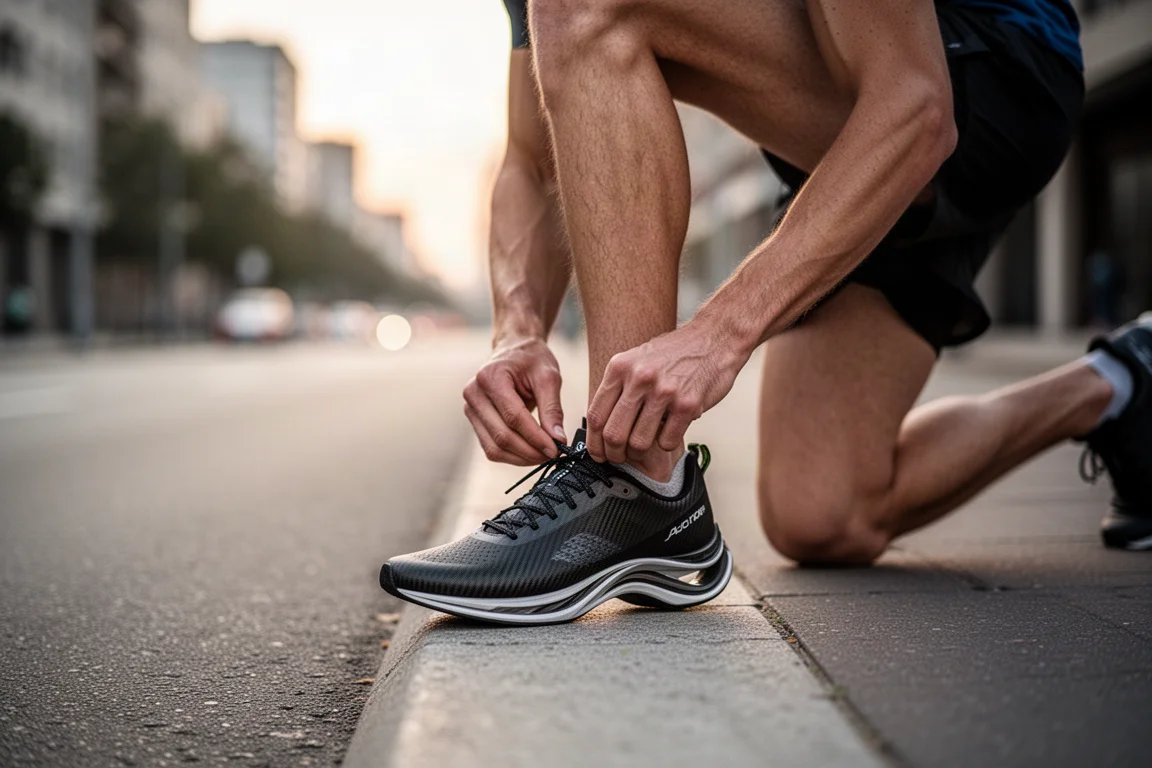
On fit, the Adios Pro 4 is much improved over the Adios Pro 3, with reliable heel hold and secure midfoot lockdown. The caveat is length: the toe box tapers and runs about a quarter of a size short, and in a full marathon test that led to badly bruised black toenails. Several other runners have reported the same. Even if your usual Adidas sizing works elsewhere, going half a size up is worth serious consideration.
Hoka Cielo X1 2.0
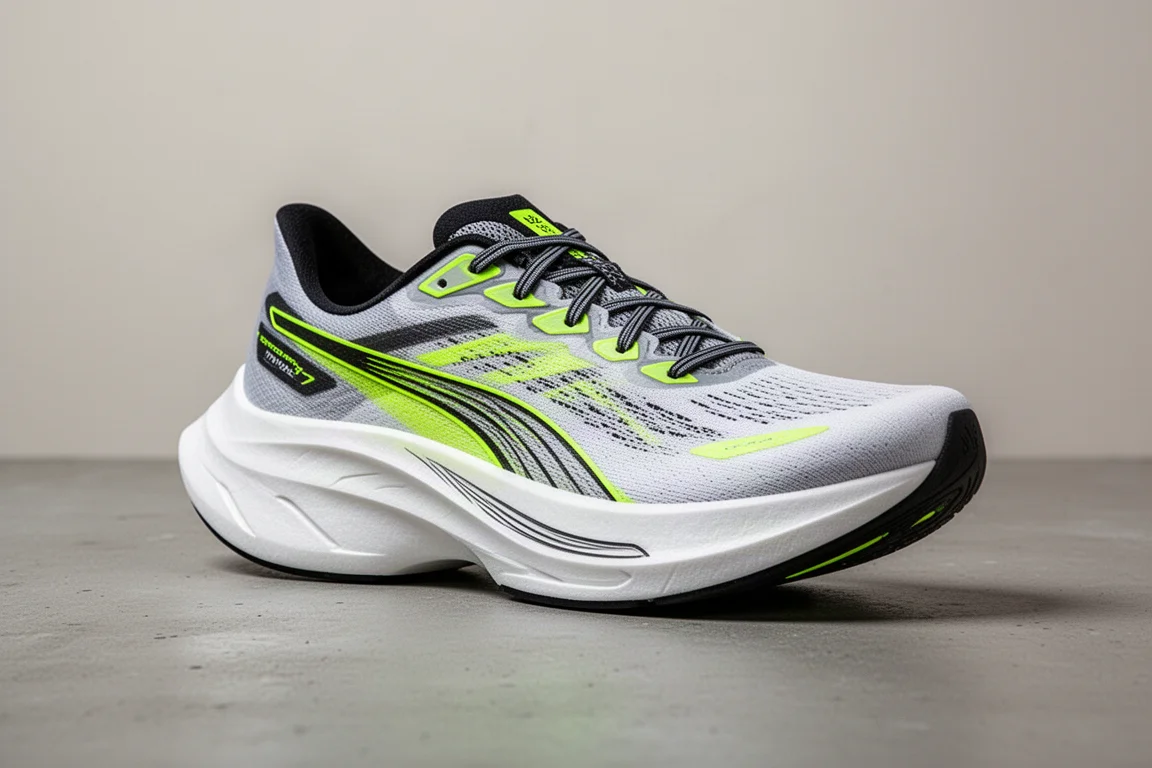
The Cielo X1 2.0 goes for a race-hugging fit: very tight, quite narrow, with everything locked in and not much clearance at the end of the toes. It works well for narrow feet, but the taper is worth thinking about if you want toe room, particularly over a marathon.
Upper and Midsole Design
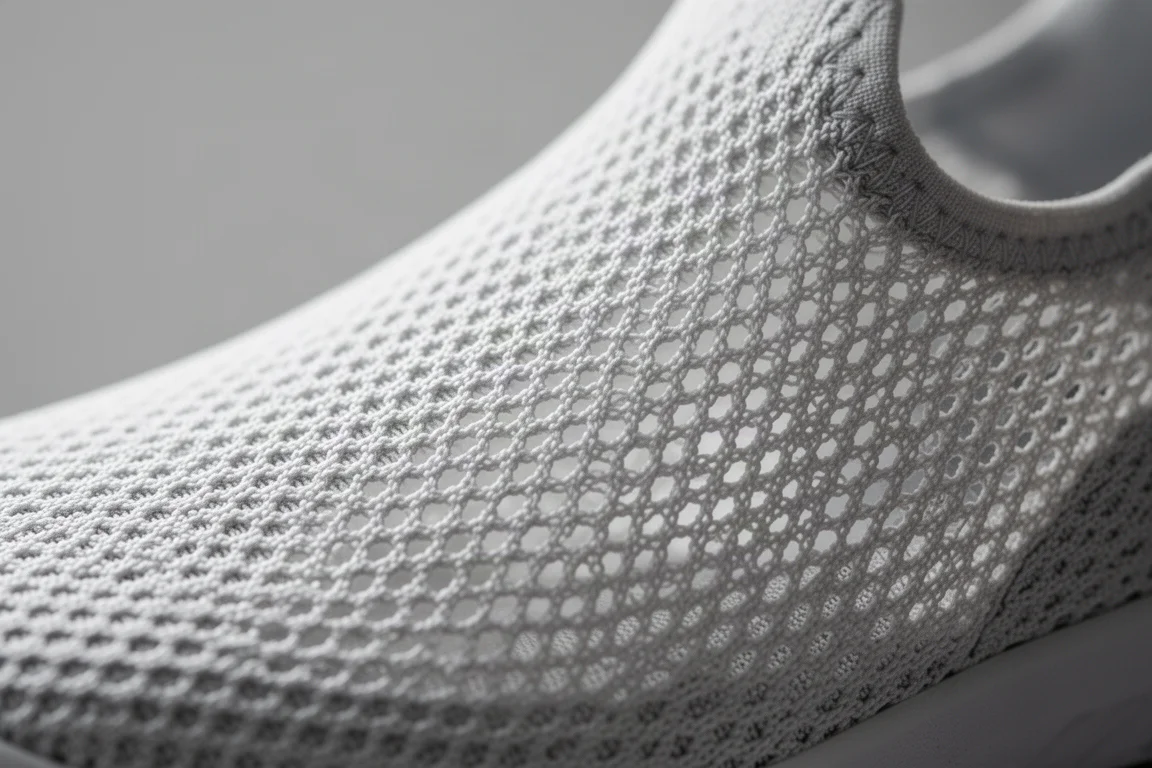
The Hoka’s upper is a thin jacquard mesh with a slightly plasticky, water-repellent feel that avoids soaking up water on wet race days. The dual-density pebax midsole carries a full-length carbon plate, with small wings around the midfoot and forefoot area to add stability in that zone. Stability is generally limited here because of a really large medial side cutout and additional cutouts to strip out weight. The outsole is sticky rubber with good forefoot coverage and two strips of rubber at the back.
Across both shoes, the uppers share the same philosophy: minimal structure, minimal water retention, minimal weight. Neither is a comfort-first everyday trainer, and neither tries to be.
Ride and Race Test
The two shoes deliver fast, propulsive rides as you would expect from super shoes, but the ride feel separates them. The Cielo X1 2.0 has a more aggressive rocker and a firmer feel that punches you forward onto your toes. The midfoot rocker is the standout: landings are forced forward onto the forefoot, the heel barely features, and toe-off is fast and aggressive. It is not a stable shoe, and it almost asks you to run a certain way to unlock the best from it, which could test some runners in the back half of a marathon.
The Adios Pro 4 is not a stable shoe either, but it is the more stable and more accommodating of the two. The heel is softer and more forgiving for heel strikers, giving a more relaxed ride in the back half of the shoe, while the forefoot rocker remains very sharp. Where the Hoka gives you a strong midfoot oomph, the Adidas relies on a different foam character: much less compression, so it locks in quickly on landing and returns energy more immediately.
In sustained running, the Adidas feels excellent at cruising marathon pace, almost more of a cruiser despite being the lighter shoe. It still has the pickup for flat-out efforts, and it helps you keep ticking over when fatigue sets in late in long sessions. The Cielo X1 2.0 is the more exciting, faster-feeling shoe when you are fresh and pushing hard, and it produced an all-out 5K parkrun PB of 17:53 in testing. But if you slip off your game in the Hoka, keeping the pace is harder work than in the Adidas. One note for both: focus on foot placement. The Adios Pro 4 has a tendency to roll slightly out to the lateral side, with extra foam under the big toe side of the ball of the foot.
Verdict: Which One to Buy
Both shoes belong comfortably in any top five or six of current carbon racers. They perform at their best when you are going all out, chasing fast times or running your very fastest training sessions.
If splitting them: the Cielo X1 2.0 is the pick for all-out racing up to the half marathon, where its slightly wild, punchy ride really performs, even if it does not look after you as much. The Adios Pro 4 is the pick for a full marathon because there is more protection further back in the shoe, which matters when you are running tired and landing on your heels late in a race.

If only one shoe can be chosen, the head and the wallet say Adios Pro 4. It is a fair bit cheaper, lighter, more accommodating, and more runners will get more miles out of it in both racing and faster training. The Cielo X1 2.0 is the shoe many will enjoy running in more, but it leans toward race-day-only duty. The Hoka should not be discounted; its ride is fantastic, just perhaps a tad aggressive for some at the marathon distance.
Conclusion
The Adios Pro 4 is the more versatile buy: cheaper, lighter, softer, and usable across a wider range of paces and distances, provided you size carefully in the tapered toe box. The Cielo X1 2.0 is the more thrilling ride and a brilliant short-distance racer for runners who suit its snug, narrow fit. Pick based on which race you are actually lining up for.
Further reading
Related Reviews

Running Shoes
Best Road-to-Trail Running Shoes: Three Versatile Options for Mixed Terrain
A practical guide to three road-to-trail running shoes that handle both pavement and mild trails, with clear strengths and trade-offs for different runner types.

Running Shoes
Best Running Shoes for Achilles Tendonitis: Three Options Explained
Three running shoes with different heel drops and support features designed to help reduce Achilles tendon pain during walking and running.

Running Shoes
Best Running Shoes for Women: Five Top Choices Ranked
A ranked guide to five women's running shoes, from versatile daily trainers to high-performance racing options, with real strengths and trade-offs for each.