Running Shoes
Adidas Adizero Adios Pro 4 Review: Was the Wait Worth It?
After two and a half years, Adidas finally updates its flagship marathon racer. Here is how the Adios Pro 4 performs on the road, and whether it justifies its price.
Introduction
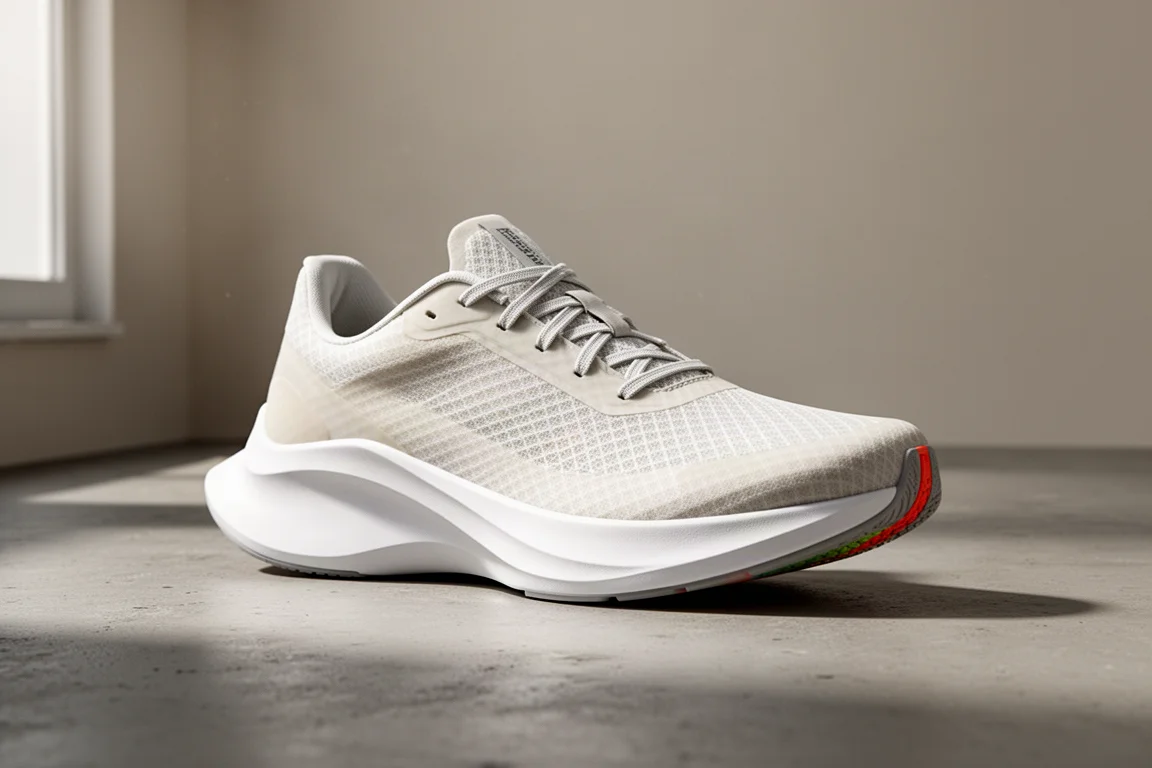
It has been two and a half years between updates, which is an unusually long gap for a flagship marathon racing shoe. The Adidas Adizero Adios Pro 4 finally arrives as a lighter, faster evolution of the Adios Pro 3, borrowing ideas from the ultra-light Adios Pro Evo 1 while keeping enough comfort and room for runners who are not chasing elite contracts.
After logging real miles in the shoe, the short version is this: the Adios Pro 4 is a genuine improvement over its predecessor, with a new foam formulation and revised geometry that make it feel quicker on turnover. It is also a shoe most everyday racers will likely enjoy more than the Evo 1.
Who This Shoe Is For
The Adios Pro 4 is aimed at marathon runners who want a lightweight, responsive race-day shoe, from competitive club runners up through the elite ranks. It works best as the shoe you reserve for your biggest workouts and race day, not as an everyday trainer. If you are building an Adidas rotation, it slots in as the racing piece alongside a daily trainer and a faster short-distance shoe.
Specs and Construction
On paper, the Adios Pro 4 uses a 39 mm stack height with a 6 mm drop, leaving 33 mm of foam under the forefoot. The midsole is built from two components: Lightstrike Pro foam and Energy Rods 2.0.

The Lightstrike Pro here shares its name with the foam in the Adios Pro 3 and the Evo 1, but it is a different formulation in each shoe. Adidas now has three distinct foams wearing the same label. The Energy Rods 2.0, which serve a role similar to a carbon fiber plate in a marathon racer, appear to carry over from the Adios Pro 3 and Evo 1.
Protecting all of that is a light traction outsole with a small island of Continental rubber positioned under the big toe. Adidas says the rubber compound it has developed for its racing outsoles now performs similarly to Continental rubber in traction and durability, but the Continental co-branding stays because athletes and customers like seeing it.
Upper and Fit
The Adios Pro 4 gets a new upper called Lightstrike. Visually it echoes the Evo 1, but the materials are quite different: the Evo 1 is nearly see-through, while this one is a ripstop-style fabric with a diamond pattern that still feels very lightweight, though not especially breathable. The texture is unusual, almost like a fabric-y paper, reminiscent of currency.
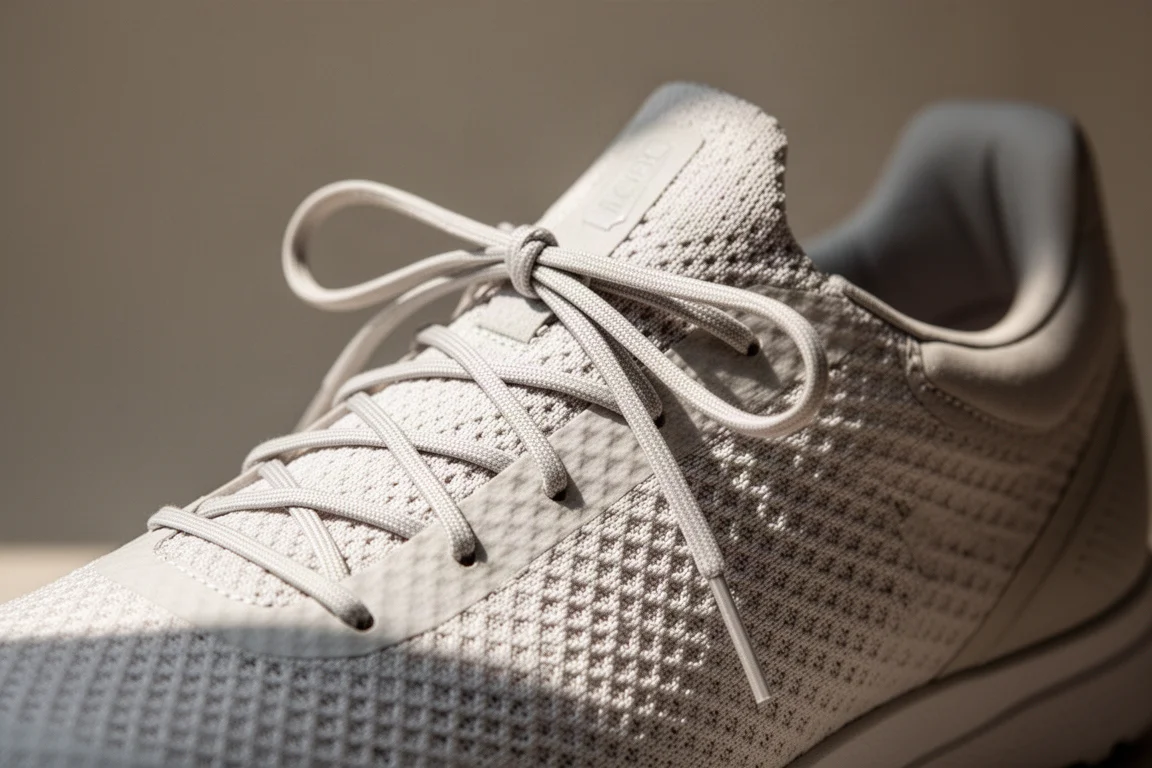
The tongue borrows materials from the Adios Pro 3 but takes the shape of the Evo 1 tongue, made slightly bigger so it is easier to get your foot in and easier to settle when cinching down. Small bumper pads around the heel aim to add comfort and hold the heel in place, though heel lockdown still takes some effort and may not be precise enough for runners who chronically struggle with heel slip. The thin, slippery laces do not help much with selective pressure either.
For fit, the shoe ran true to size in a usual US men’s 9. Compared with its siblings, it sits between the Adios Pro 3, which has the most generous fit, and the Evo 1, which is noticeably snugger.
Weight comes in right around the 200 g target Adidas quotes for a reference size. The review pair measured 206 g (7.2 oz) in US men’s size 9.
Ride and Geometry
The headline change is the foam. The new Lightstrike Pro is lighter and compresses more than before while keeping the responsiveness and bounce the name has always been known for. Running the Adios Pro 3 and 4 back to back makes the difference obvious: the older shoe starts to feel almost firm by comparison, while the new foam delivers a satisfying compression and decompression through the stride.

Two geometry updates also matter. First, the forefoot is narrower up front. The Adios Pro 3’s wide front served as a big landing pad for pushing off, but this version flares in more aggressively as you toe off, which makes the shoe feel more nimble. Second, the rocker starts earlier. Adidas lists a 60% rocker position, said to be pulled directly from the Evo 1. In practice it feels earlier than the Adios Pro 3 but not as early as the Evo 1, which can start a little too early for non-elite runners. Wherever the exact number lands, the position on the Adios Pro 4 feels well judged.
Things to Consider Before Buying
The main trade-offs are fit precision and price. Heel lockdown requires effort to dial in, and the thin, low-grip laces make targeted tension adjustments difficult. The upper is not the most breathable choice for hot race days. And at $250 when it goes on sale in January 2025, this is firmly a race-day investment rather than a casual purchase.
How It Compares to the Competition
The closest alternatives are the shoes it sits between in the Adidas lineup. The Adios Pro Evo 1 is technically on sale but hard to recommend for most runners: at $500, its durability simply does not hold up well enough for the price. For runners committed to the Adidas system who cannot get the Adios Pro 4 yet, the Adios Pro 3 remains an excellent racing shoe, still sold at $250 full price with older colorways often discounted. Once you have run in the Adios Pro 4, though, the older shoe loses a bit of its shine.
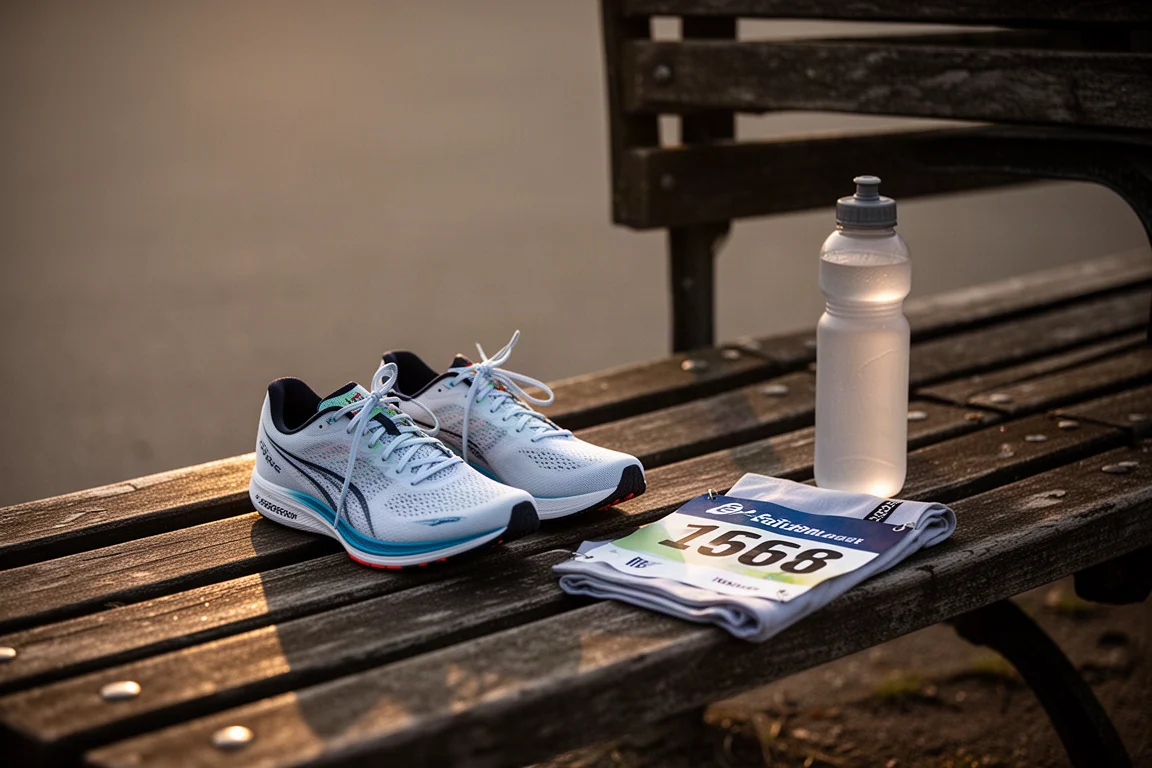
Across brands, the Nike Alphafly 3 is the obvious rival. It has serious pedigree as the shoe behind both the men’s and women’s world marathon records, both set on the streets of Chicago. Its Zoom Air pods feel very different from the Adidas foam: somewhat clunky, noisy, and almost mechanical on landing, compared with the smoothness of the Adios Pro 4. Yet the efficiency is undeniable, and it settles into marathon effort beautifully mile after mile. The fit is generous, almost baggy compared with the Adios Pro 4, though the knit edges are harsh against bare skin if you wear low socks. The surprise is weight: the Alphafly 3 is only 7.4 oz, just two-tenths of an ounce heavier. Choosing between them really comes down to personal preference in ride and fit, which is increasingly the theme across supershoes.
Buying Advice
If you want one shoe to anchor an Adidas rotation, a sensible setup looks like this: the Adizero SL as the durable daily trainer, the Ultraboost 5 or 5 X for relaxed recovery runs, the Takumi Sen for 5K and 10K racing and faster workouts, the Prime X 2 Strong for long runs with pace in them, and the Adios Pro 4 as your race-day weapon.
For most readers, the decision is simple. If you already own an Adios Pro 3 in good shape, you can wait. If you are buying a new marathon racer from Adidas, the Adios Pro 4 is the one to get, provided you can live with the fiddly heel lockdown and the $250 price.
Conclusion
The Adios Pro 4 was worth the wait. It blends the best aspects of the Adios Pro 3 and the Evo 1 into a lighter, nimbler racing shoe that elites will enjoy but that non-elite runners may appreciate even more. It is not perfect, with heel lockdown and breathability as the main caveats, but as a marathon racing tool it is one of the strongest options of its generation.
Product link
View more details for Adidas Adios Pro 4
This product is mentioned in the review. Check the specifications, options, and compatibility before buying.
View more details for Adidas Adios Pro 4Further reading
Related Reviews

Running Shoes
Best Road-to-Trail Running Shoes: Three Versatile Options for Mixed Terrain
A practical guide to three road-to-trail running shoes that handle both pavement and mild trails, with clear strengths and trade-offs for different runner types.

Running Shoes
Best Running Shoes for Achilles Tendonitis: Three Options Explained
Three running shoes with different heel drops and support features designed to help reduce Achilles tendon pain during walking and running.

Running Shoes
Best Running Shoes for Women: Five Top Choices Ranked
A ranked guide to five women's running shoes, from versatile daily trainers to high-performance racing options, with real strengths and trade-offs for each.