Running Shoes
A6 Mega Blast vs Brooks Hyperion Max 3: Two of the Hottest Training Shoes Compared
A non-plated foam standout takes on a dual-foam plated classic. Here is how two of the year's best training shoes stack up head to head.
Introduction
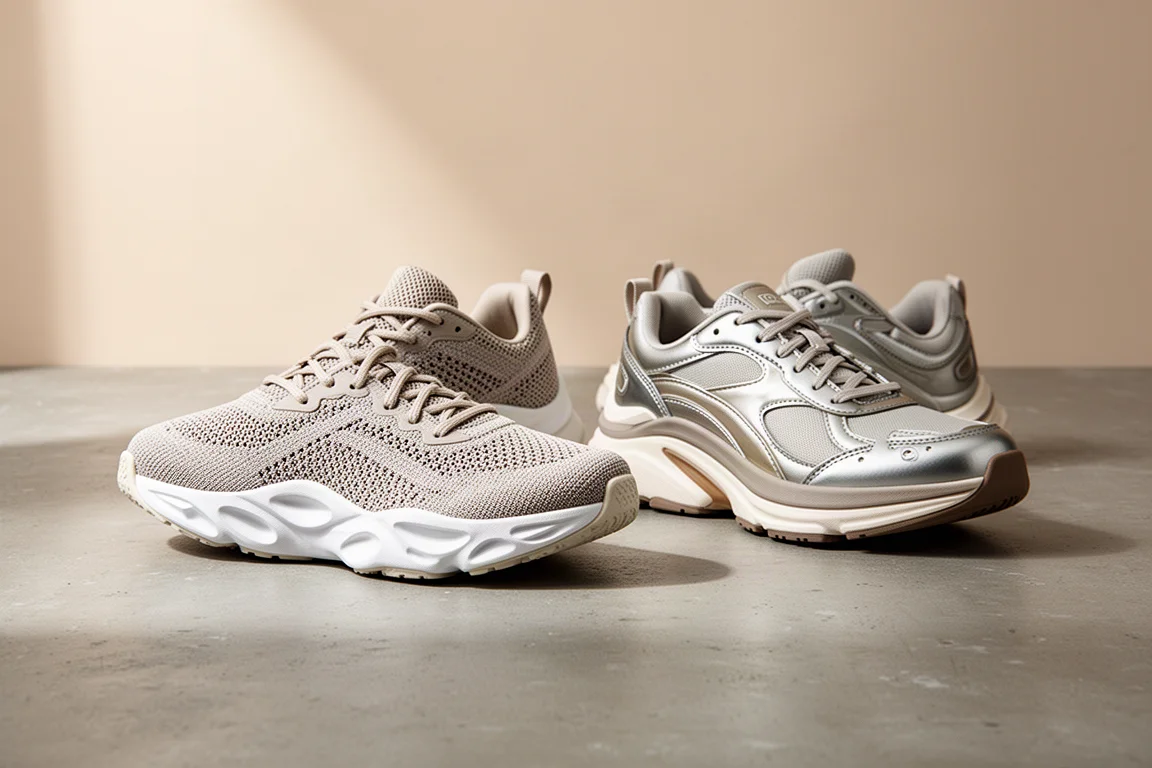
Two training shoes defined the past year for a lot of runners. The A6 Mega Blast arrived in August and immediately changed the conversation around what a non-plated daily trainer can do. The Brooks Hyperion Max 3 spent the summer quietly earning a reputation as the mileage cheat code, a shoe that makes big weeks feel manageable.
Both sit in the modern super trainer category: fast enough for tempo work, cushioned enough for long runs, and comfortable enough for daily miles. They share a similar spirit and purpose, but they take two very different technical paths to get there.
Why These Two Shoes Head to Head
The Hyperion Max 3 represents the established blueprint: a stiff plastic plate, two different types of foam, solid rubber coverage, and a low-volume upper. The Mega Blast takes the opposite approach, built entirely from a single type of aliphatic TPU foam with no plate at all, achieving a remarkably light weight through that new construction.
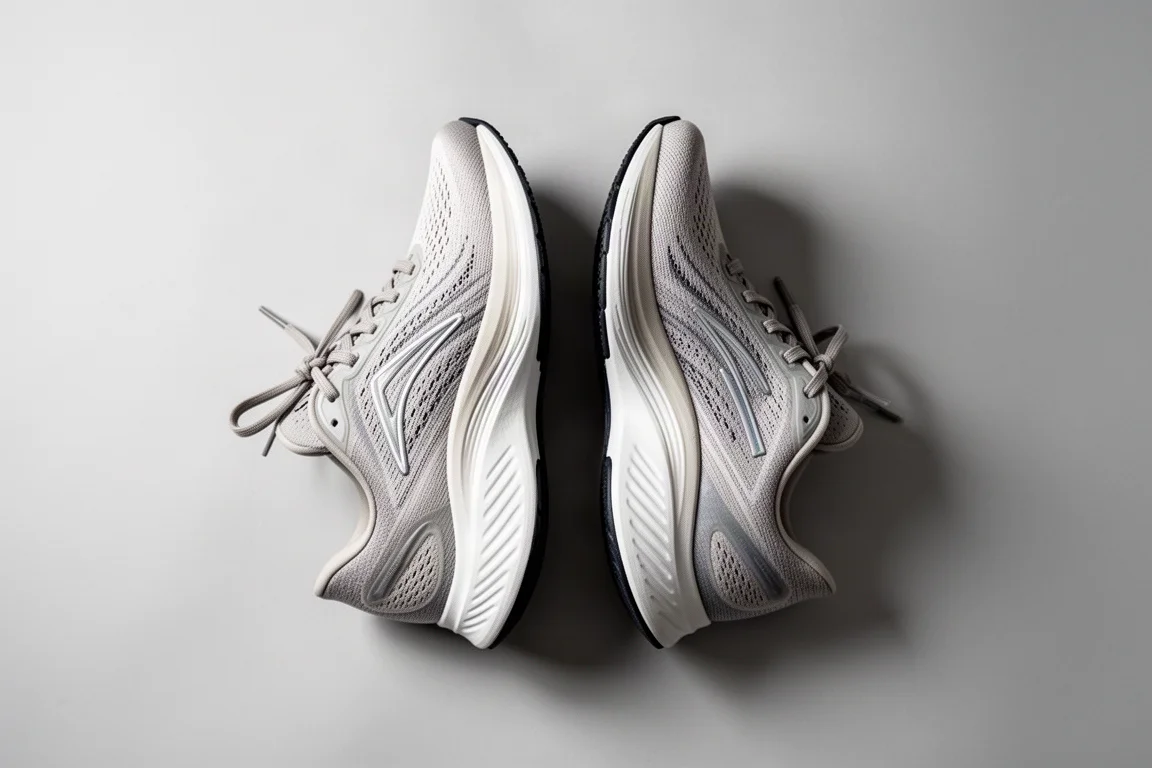
That contrast is exactly why the comparison works. Where a pure speed shoe would favor racing, both of these have more range, more substance, and a more stable feel. They are two different routes into a similar ride experience, and which one suits you comes down to the details below.
A6 Mega Blast: The Non-Plated Game Changer
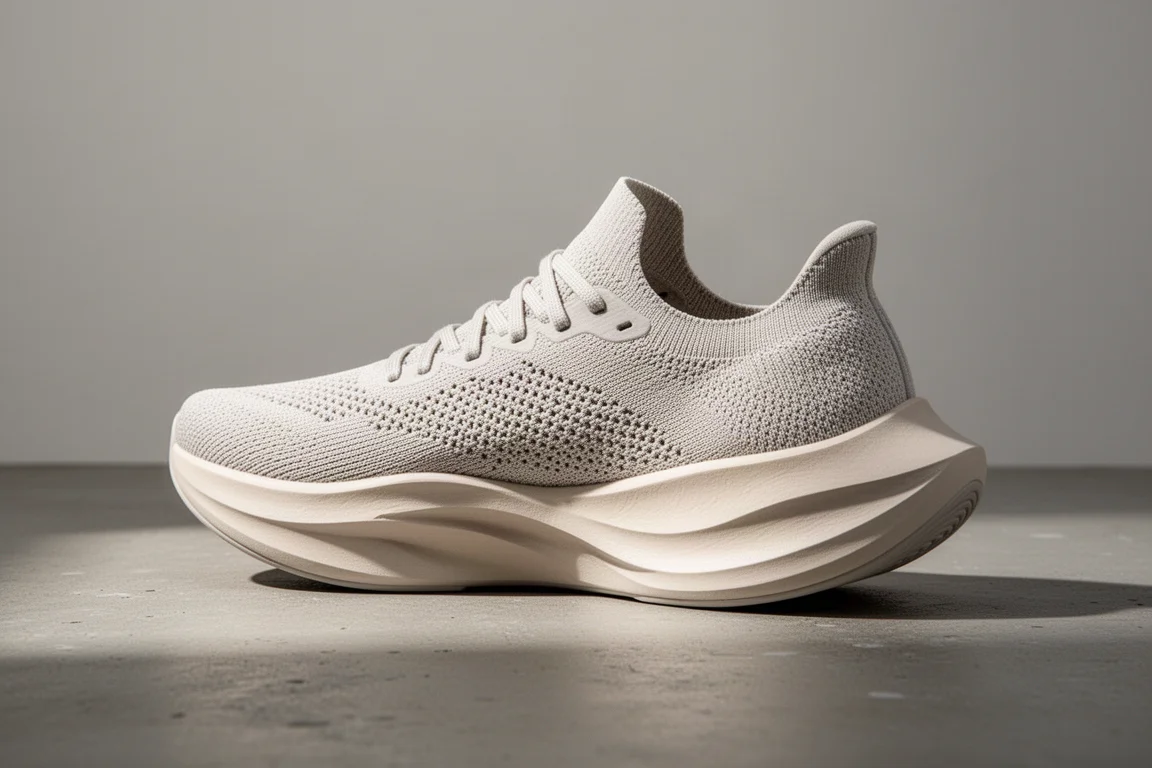
The Mega Blast is built entirely from one aliphatic TPU foam, a new material that removes the need for a plate entirely. That single-foam construction delivers a super lightweight build of around 250 grams, noticeably lighter than most plated trainers in this category.
There are no gimmicks and no cutouts, just a very simple, clean shoe. The trade-off is firmness at certain paces. At a typical everyday pace it sits in a Goldilocks zone, but it reads firmer when you slow down and softer when you speed up. It also rewards runners who get it moving: this is a shoe optimized for running strong, not for shuffling.
The upper is tight and lower volume, which was noticeable in the first few runs before settling in. Once broken in, it disappears on the foot. Grip is another genuine strength, with dependable traction on dry roads that holds up better than most.
For a wide range of use cases, from faster daily miles to long runs at a strong pace, this is as close to a complete package as this category currently offers.
Brooks Hyperion Max 3: The Mileage Cheat Code
The Hyperion Max 3 uses the classic modern setup: a stiff plastic plate sandwiched between two foams. The top layer is a race-oriented PEBA-style foam, while the bottom is a supercritical EVA and TPU blend that leans softer than expected from Brooks. Solid rubber coverage rounds out a very protective, durable build.
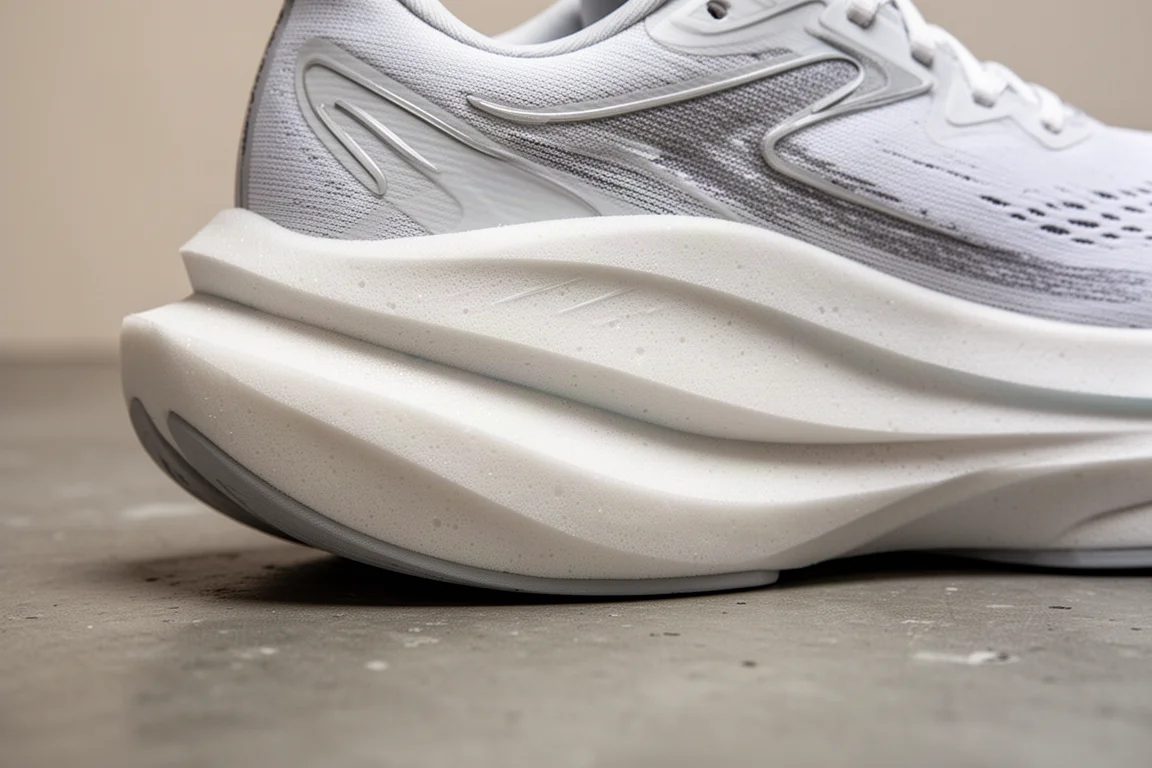
The plate makes itself felt. You cannot bend this shoe at all, and you need to find a rhythm with it, but once you do, it pops you along beautifully. In the steady, fun-and-fast zone of training paces it comes alive, and it holds up impressively to time on feet. Long runs in hot weather, big mileage weeks, and back-to-back days all feel easier in this shoe than they have any right to.
The main frustration is the upper. The tongue is integrated into the upper in a sock-like fit, so you have to fight to get the shoe on, and the laces are fiddly to loosen and tighten. It is a minor thing on paper, but an annoyance before early-morning runs or post-shift jogs. There is also a midsole cutout on the medial side that some runners report as instability, and it can slightly shift pressure toward the outside of the forefoot at certain paces.
Ride and Pace Range
Both shoes share a similar optimal pace range: faster daily miles and tempo work are where they shine, and both feel great on long runs. Neither is terrible for relaxed miles, but the Hyperion Max 3 has a slight edge there, with a softer, chunkier heel under the plate that forgives easier running.

The Mega Blast gets the nod for long runs at a faster pace thanks to its lower weight, and it feels quicker when the pace climbs. The Hyperion Max 3 is heavier, around 300 grams or above, but that mass comes with top-tier protection, and its ride stays more consistent across paces than the Mega Blast’s.
Overall Buying Advice
Head to head, this matchup is close enough that the differences come down to attributes rather than a runaway winner.
- Comfort: a tie.
- Speed: Mega Blast.
- Relaxed runs: Hyperion Max 3, thanks to the softer heel feel.
- Long runs at a faster pace: Mega Blast, because it is lighter.
- Stability: Mega Blast, since the Hyperion Max 3 can feel tall and narrow in the heel.
- Grip: Mega Blast, clearly. The Hyperion Max 3 can slip on wet pavement.

Price is a real tiebreaker: the Hyperion Max 3 comes in about $25 cheaper, and the Mega Blast has been widely available below its launch pricing on resale and marketplace channels, with listings seen under $200 and even under $170. If the Mega Blast did not exist, the Hyperion Max 3 would be an easy favorite pick in this category; it was a top pick before the Mega Blast arrived. But with both on the table, the Mega Blast holds the slight overall edge on ride quality and speed, with the Hyperion Max 3 right behind it.
Conclusion
These are two excellent shoes with more similarities than differences, sharing a tight lower-volume upper, a similar pace sweet spot, and a real talent for accumulating mileage. The A6 Mega Blast is the lighter, grippier, faster all-rounder, while the Brooks Hyperion Max 3 is the protective, plate-driven workhorse that makes high mileage feel effortless. Pick the Mega Blast if you want the best overall ride; pick the Hyperion Max 3 if you want comparable range with a softer heel, better price, and forgiving feel on easier days. You cannot go wrong with either.
Further reading
Related Reviews

Running Shoes
Best Road-to-Trail Running Shoes: Three Versatile Options for Mixed Terrain
A practical guide to three road-to-trail running shoes that handle both pavement and mild trails, with clear strengths and trade-offs for different runner types.

Running Shoes
Best Running Shoes for Achilles Tendonitis: Three Options Explained
Three running shoes with different heel drops and support features designed to help reduce Achilles tendon pain during walking and running.

Running Shoes
Best Running Shoes for Women: Five Top Choices Ranked
A ranked guide to five women's running shoes, from versatile daily trainers to high-performance racing options, with real strengths and trade-offs for each.