Fountain Pens
A Year in Fountain Pens: 12 Pens That Shaped the Journey
Twelve fountain pens, from budget Chinese writers to Italian and German icons, that defined a year of discovery, comparison, and changing tastes.
Introduction
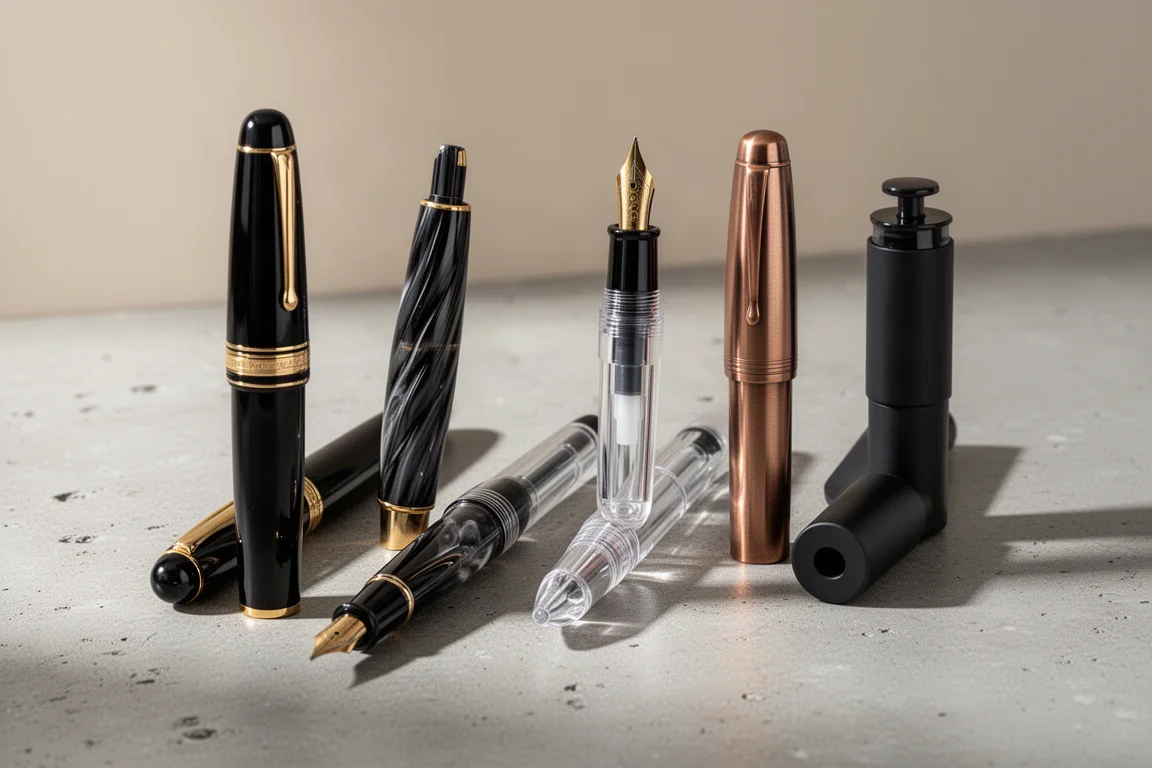
Some years are defined by a single pen. Others are defined by a dozen. This was a year of trying new things, rediscovering old favourites, and quietly shifting taste from big, girthy pens toward slimmer, more refined writers. What follows is a look back at twelve pens that shaped that journey, each with a clear personality, a clear purpose, and an honest take on who each one is really for.
The Big Entry-Level Writer: Xinhao X159
The year started with the Xinhao X159, a pen with dimensions that are genuinely lovely in the hand. For anyone curious about whether a larger, girthier fountain pen suits their grip, this is an affordable way to find out. The hesitation comes from the nibs: across several examples, writing quality proved inconsistent right out of the box, which matters most for beginners who cannot tune a nib themselves. The design and feel earn real admiration, and the brand keeps producing interesting models worth watching.
The Entry-Level Italian Beauty: Visconti Metis Apollo
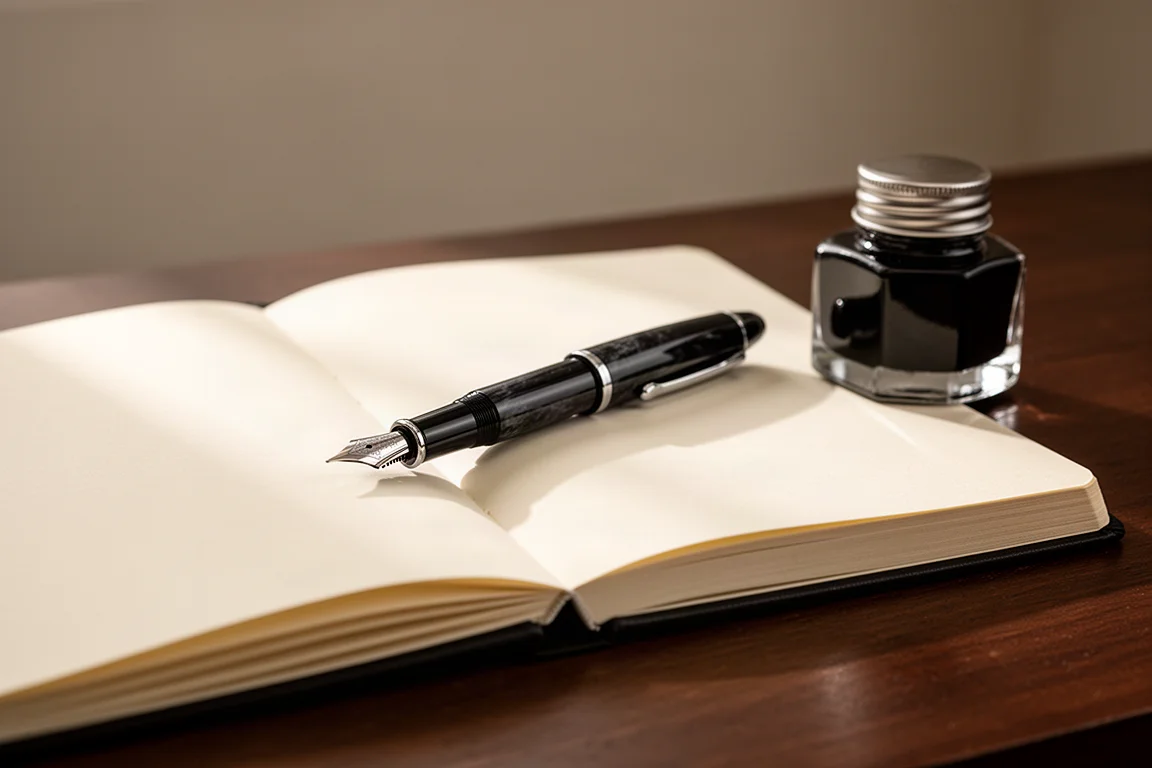
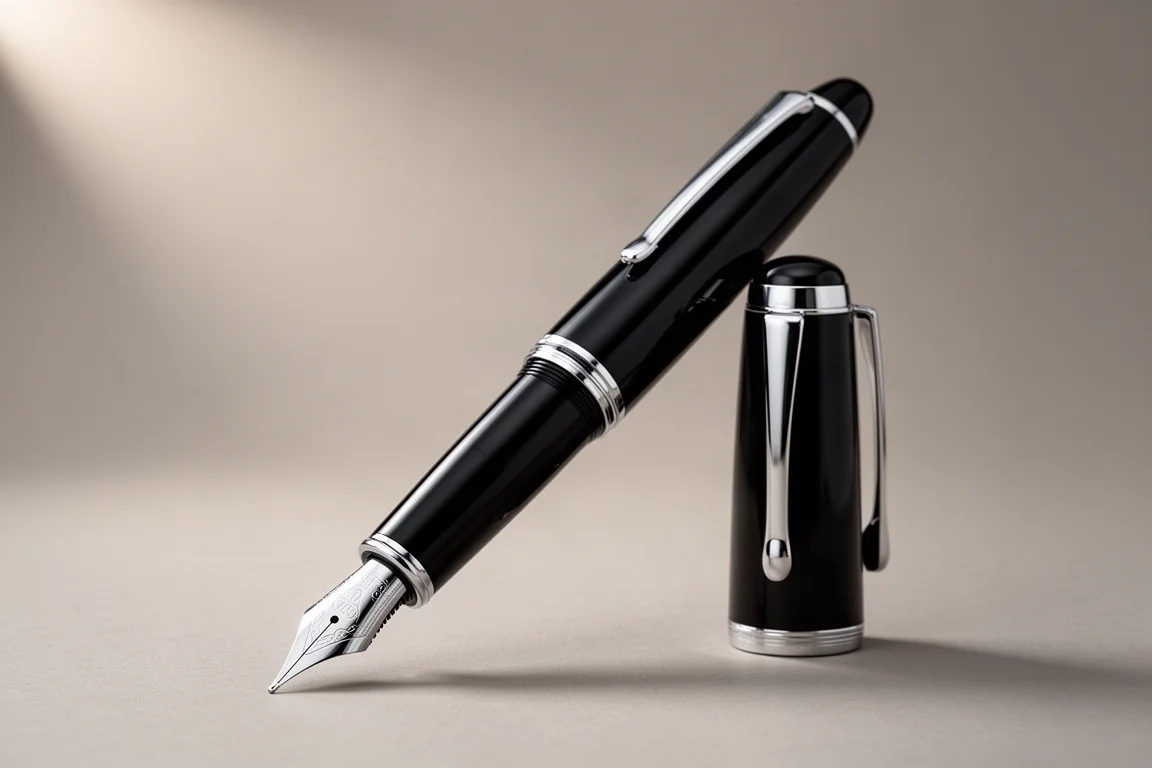
The Visconti Metis Apollo was bought on a whim because it simply looked too interesting to pass up, and the idea of a more accessible Visconti was appealing. It is a genuinely pretty pen with a gentle twist to the barrel and a satisfying uncapping feel. Honestly, though, it rarely gets reached for. It does not post well, and it is not the most fun to write with. It remains an excellent entry point into the brand and its mythological themes, and owning it was a rewarding step outside the comfort zone.
The Heavyweight Showdown: Montblanc 149 vs Visconti Homo Sapiens Bronze Age
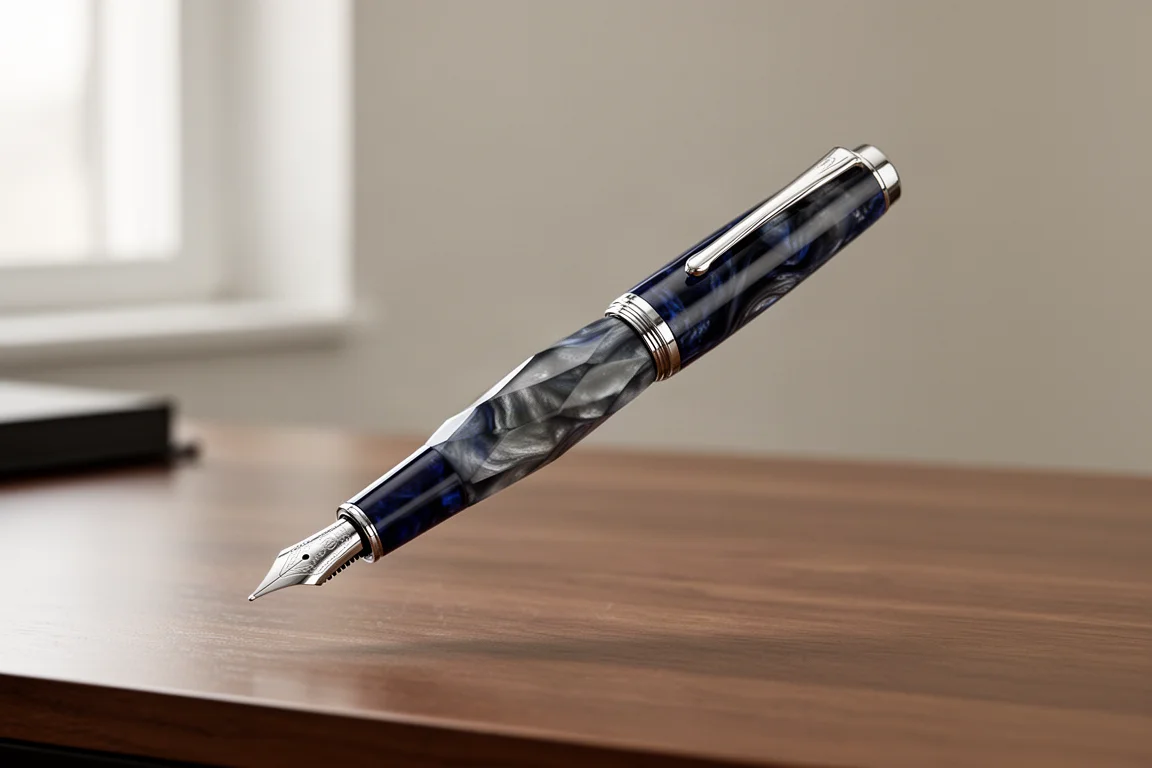
A comparison scored the Visconti Homo Sapiens Bronze Age ahead of the Montblanc 149 in nearly every category, yet when forced to choose just one, the Montblanc 149 was the pick. Ten months later, the answer is exactly the same. The Homo Sapiens is amazing and deeply respected, but the 149 has a special kind of magic that keeps it ahead. These two are a reminder that any fountain pen is worthy of consideration against another, whether it is a $400 pen against a $30 pen or two flagship flag-bearers facing off.
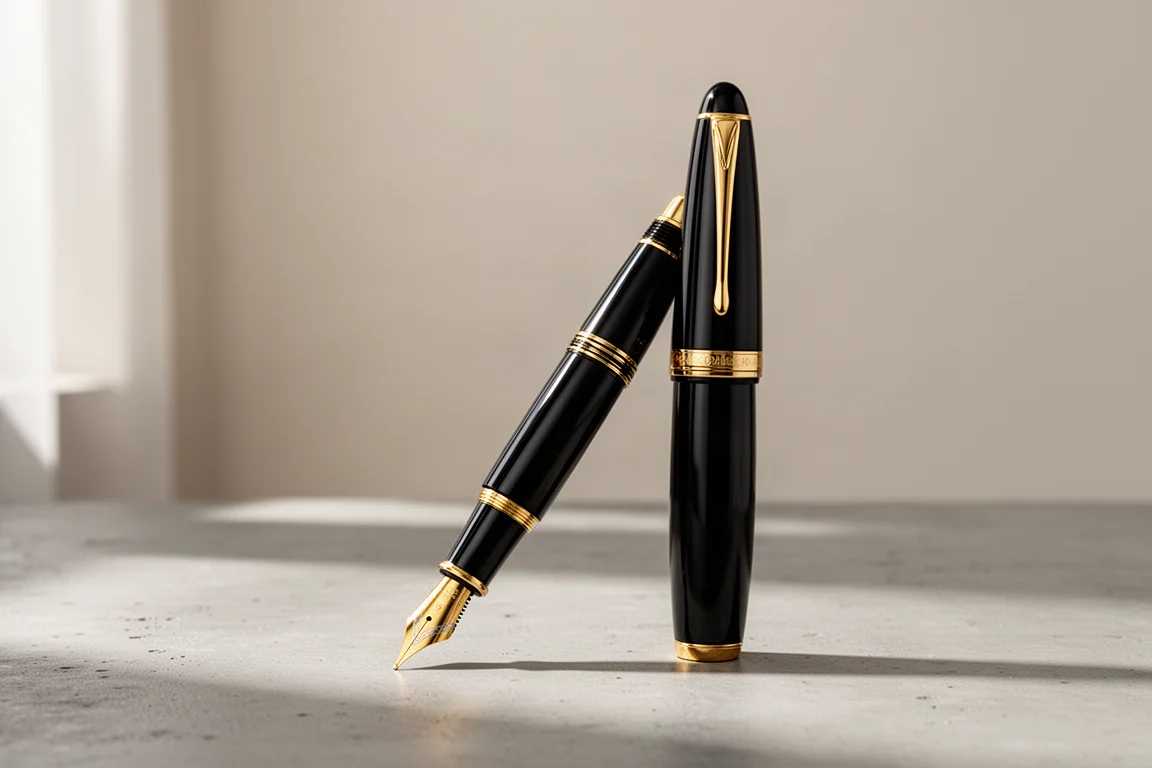
Montblanc 149
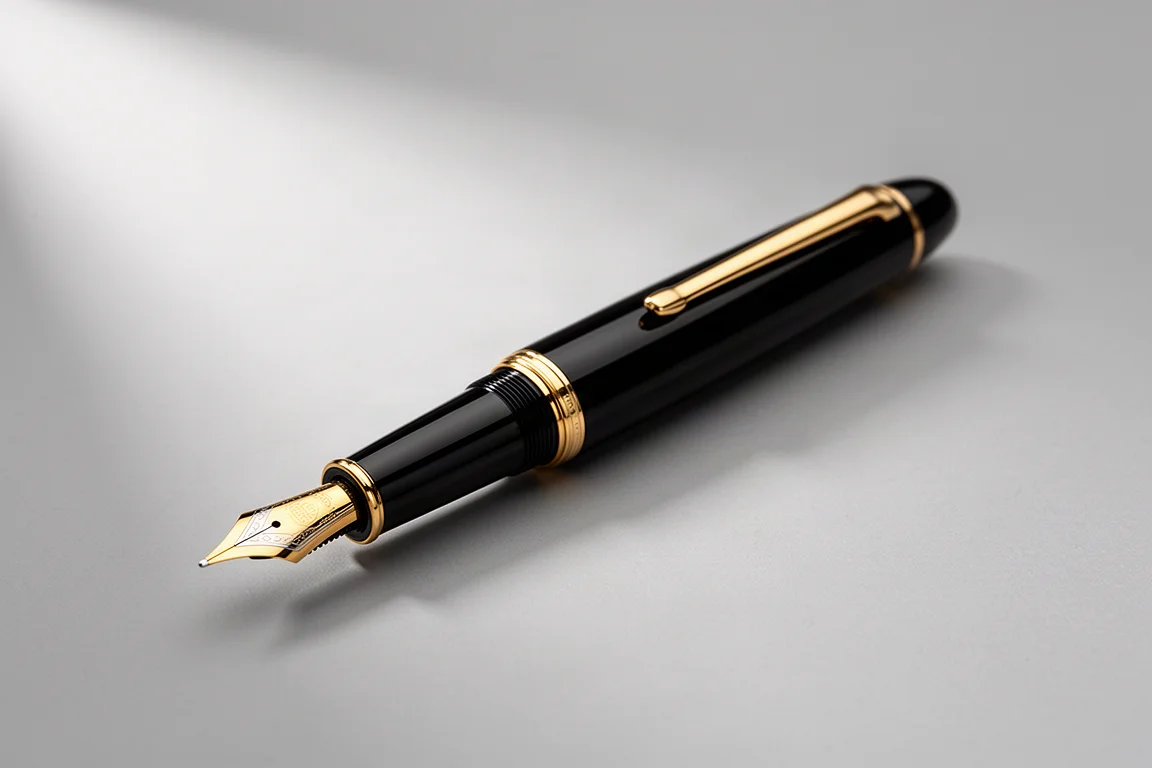
The Montblanc 149 is the pen that kept winning the head-to-head on charm alone. It is a large, classic writer with a presence that few pens match, and it is the one that would be chosen every time between the two flagships.
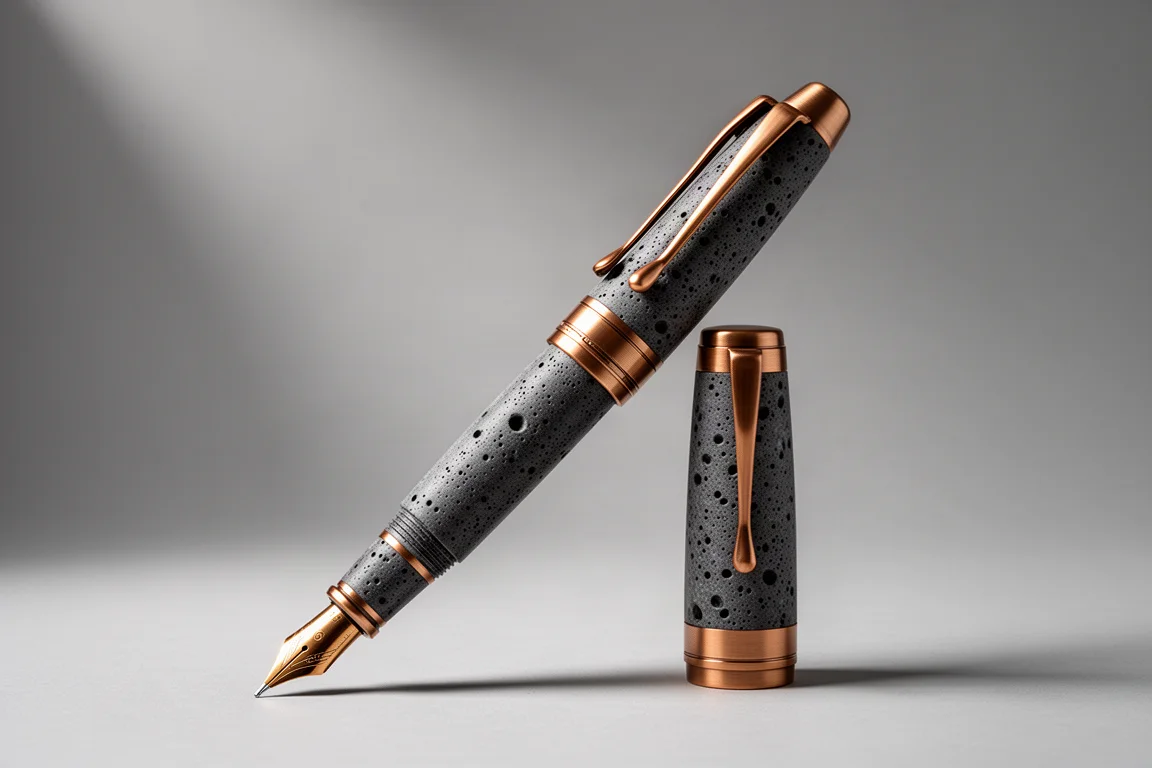
Visconti Homo Sapiens Bronze Age
The Visconti Homo Sapiens Bronze Age scored remarkably well in comparison and remains an amazing pen in its own right. It simply lacks the intangible appeal that keeps pulling preference back toward the 149.
The Elegant Slim One: Xinhao 82
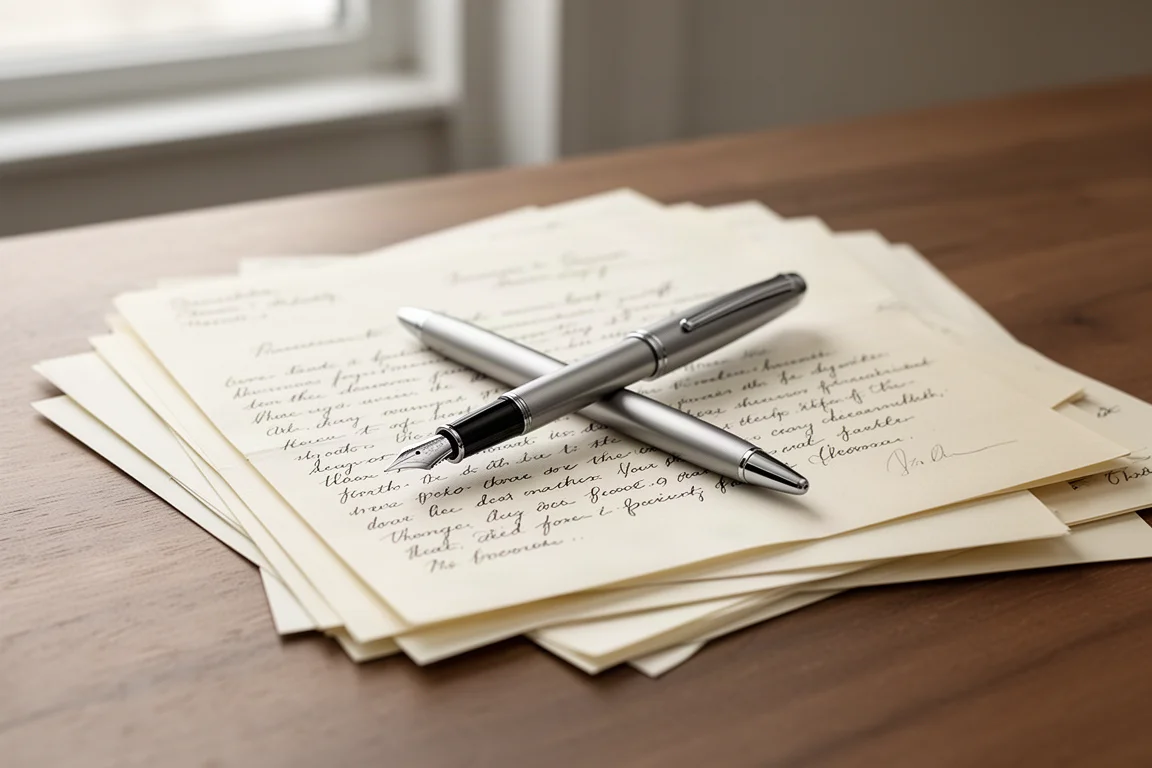
The Xinhao 82 is where the brand truly shined. It has lovely dimensions, an elegant profile, and a feel in the hand that suits the year’s broader shift toward slimmer, more refined pens. Of several examples, most were exquisite writers, with only one slightly wonky nib that still wrote fine. That consistency is far better than average, and the warm feelings toward this model are well earned.
The Perfect Dimension: Montblanc 146
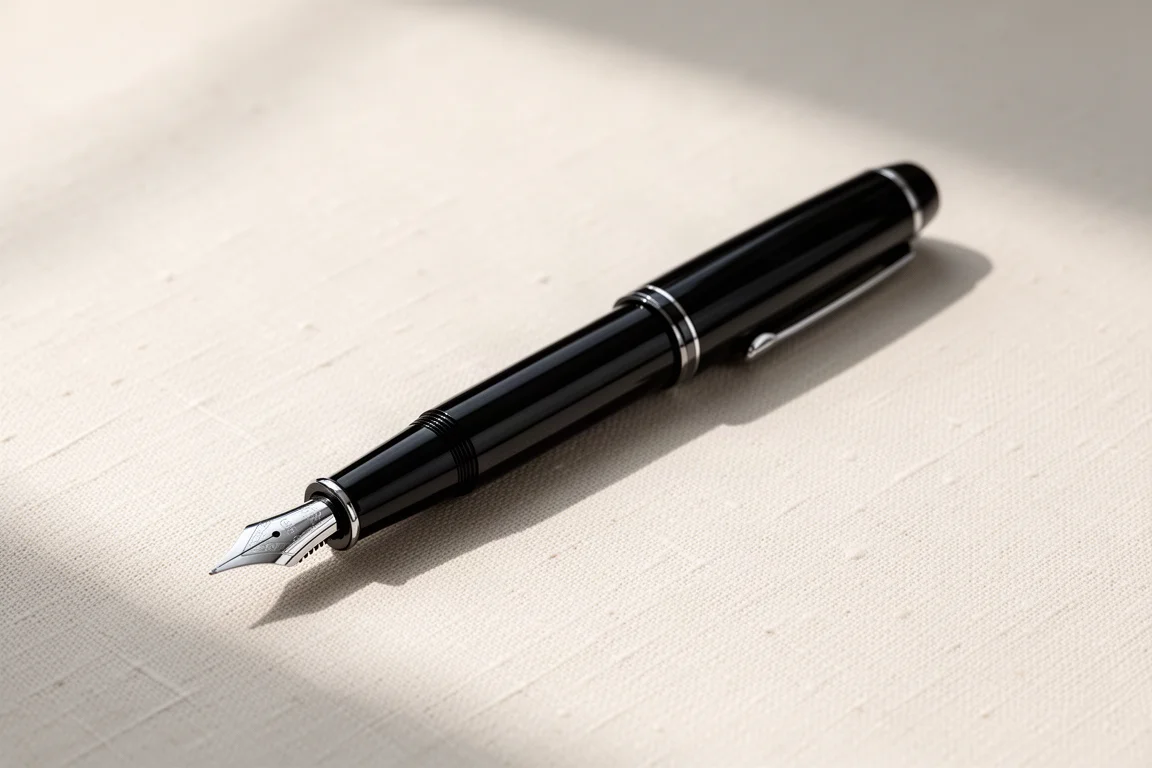
Taste evolved over the year, and the Montblanc 146 benefited most from that shift. Where the 149 was the earlier grail, the 146’s dimension now feels simply perfect: slim enough to feel refined, substantial enough to feel important. It gets reached for more often than the larger sibling, and it stands as proof that preferences change with time, sometimes in interesting new directions.
The Travel Demonstrator: Pineider Avatar Twin Tank Touchdown
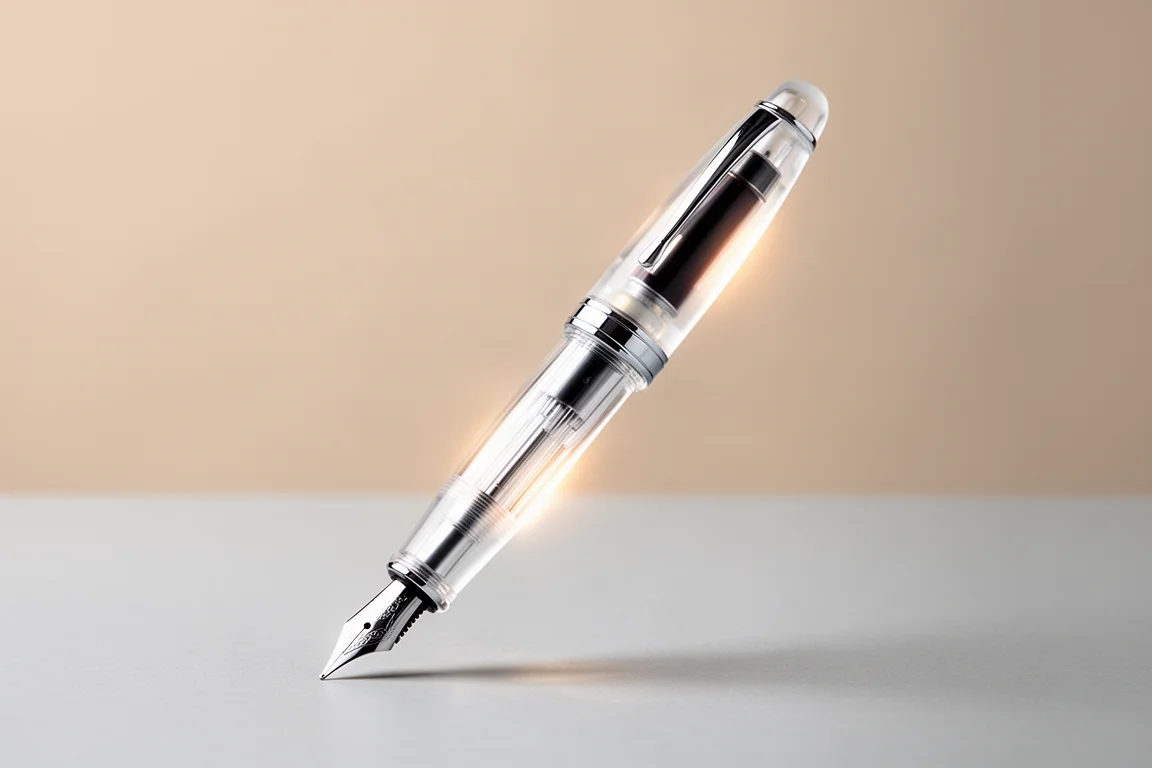
The Pineider Avatar Twin Tank Touchdown arrived as a gift and turned out to be a brilliant surprise. As a demonstrator with an unusual touchdown twin-tank filling system, it is a fascinating pen to use and may well be the perfect travel companion. It earned a full review and, months later, it is still the pen that gets packed for trips. That staying power says more than any first impression could.
The Flex Monster: Magna Carta Mag 600
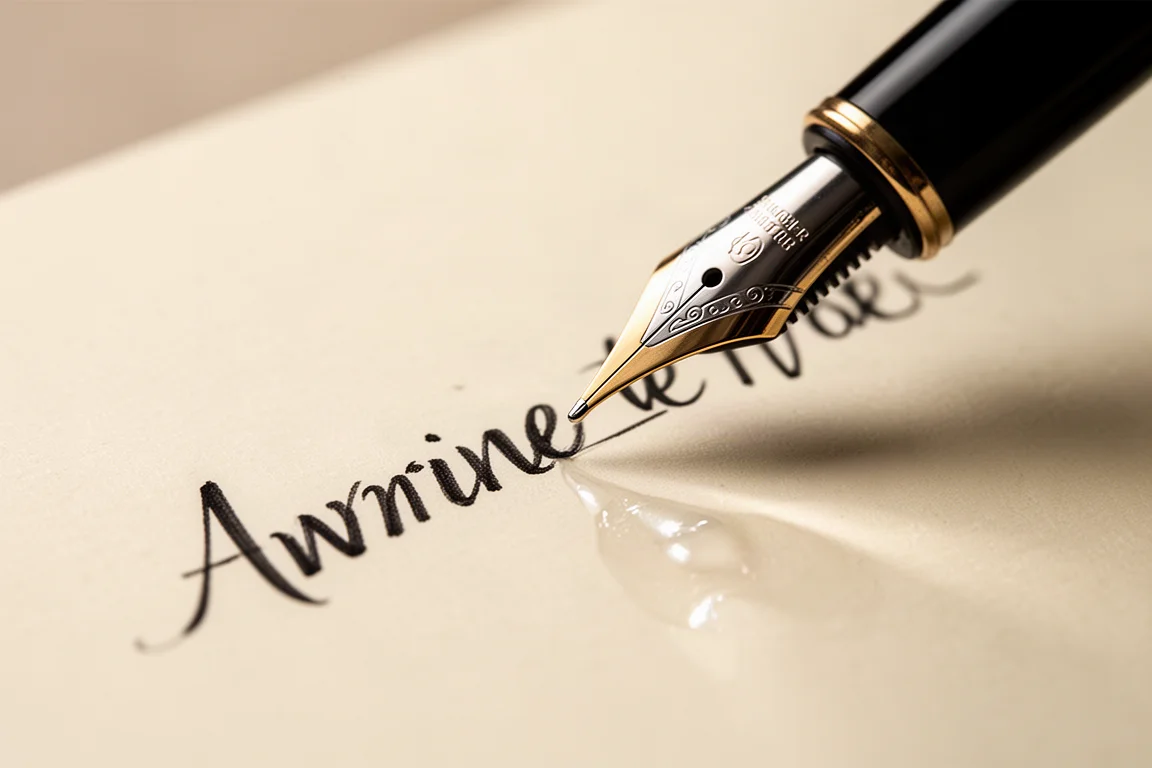
The Magna Carta Mag 600 arrived late in the year and immediately reset expectations for flex. The nib deconstructs and re-engineers a vintage-style flex design, and by and large the effort was a success. It is genuinely a flex monster: super fun to write with, with dramatic line variation that modern pens rarely deliver. How it breaks in over time will be worth watching, and it is a pen that will keep earning attention in the months ahead.
The Birthday Bronze: Kaweco Bronze Sport
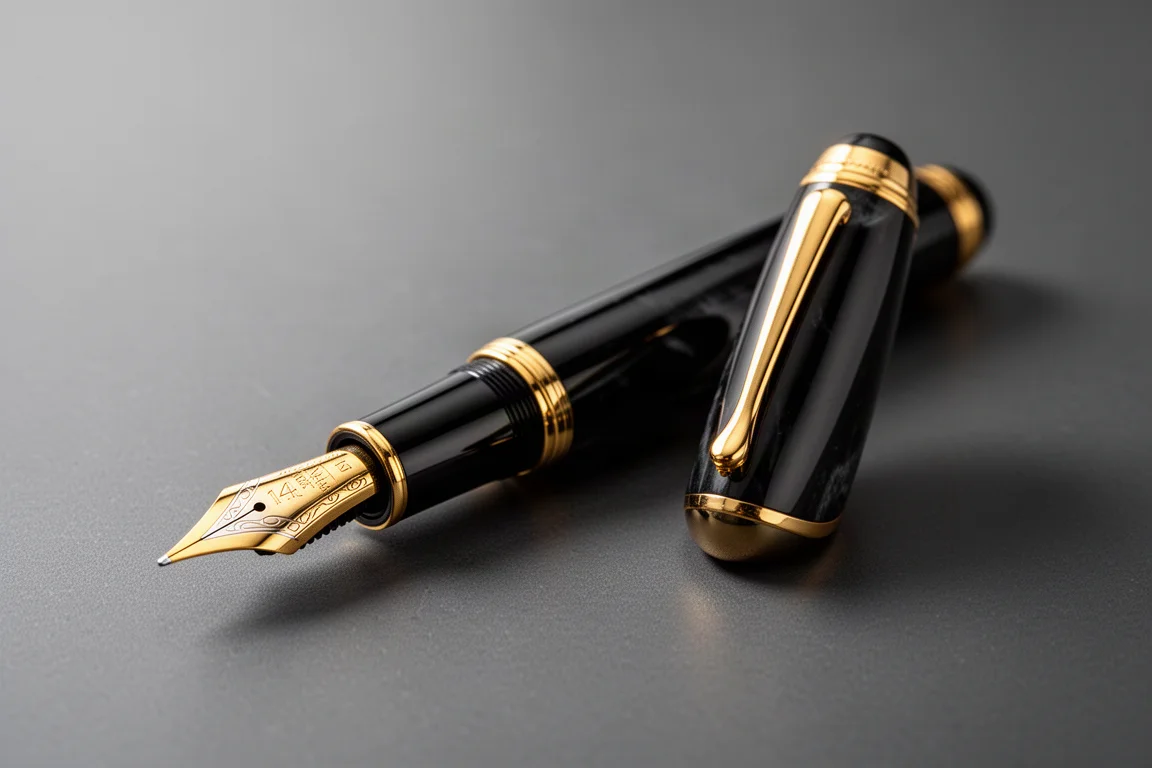
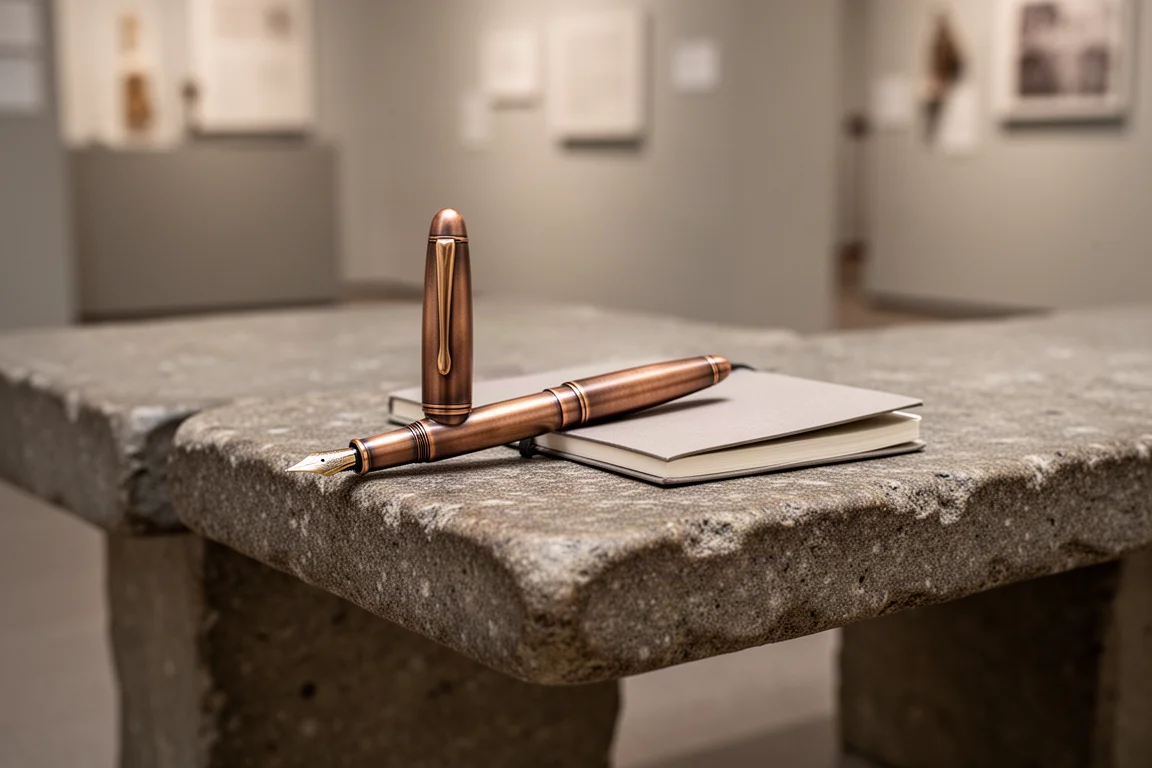
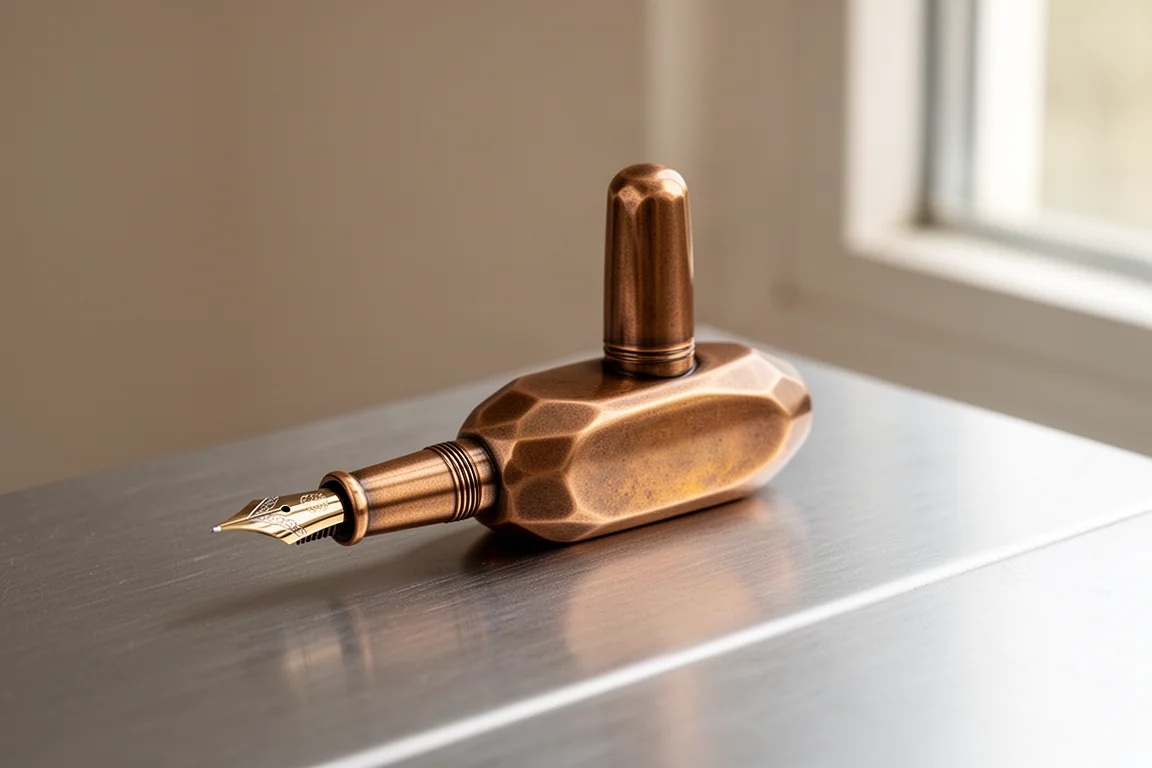
The Kaweco Bronze Sport was a birthday gift and became one of the year’s most affecting pens. It went along on a visit to the Met, and bronze as a material became an obsession: glistening, textural, and beautiful to hold, with a long historical story behind it. The compact size makes it absolutely brilliant for travel, and it is a pen to genuinely adore.
The Crystalline Memory: Lamy Vista
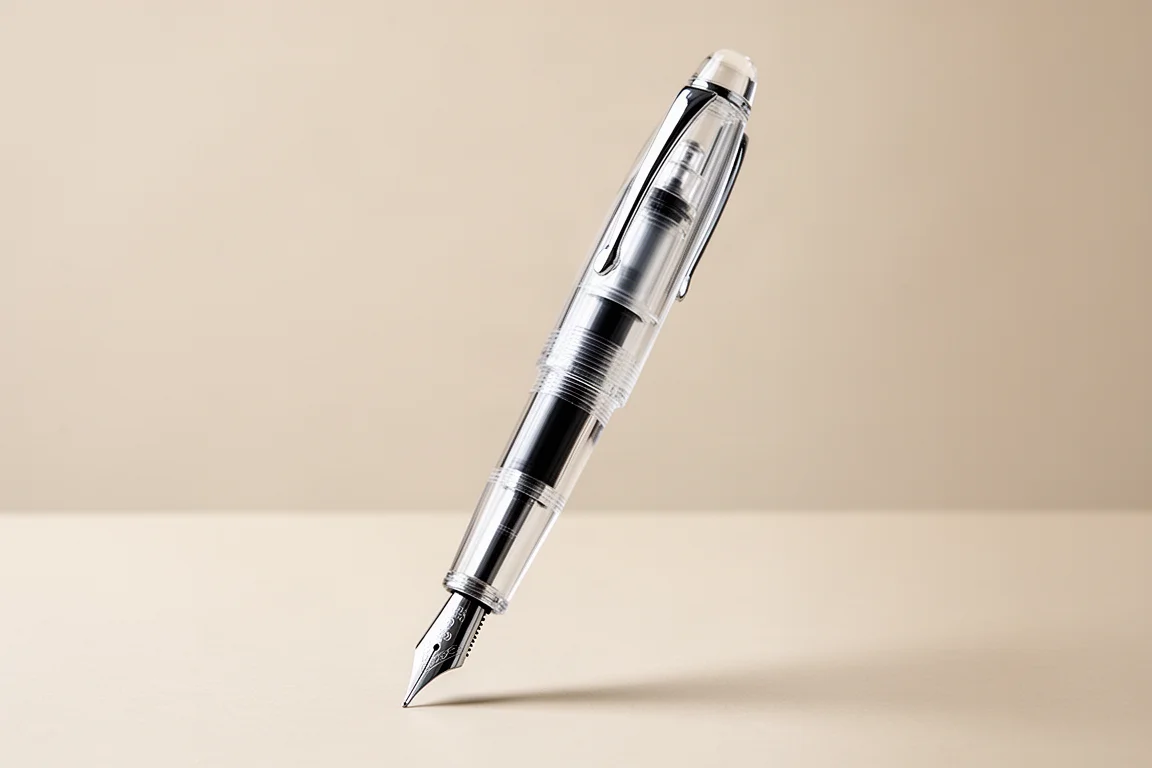
Bought in New York as a souvenir of a trip, the Lamy Vista came in at around $35, slightly more than it strictly should cost, and worth every cent. Making the familiar Safari form transparent elevates it to another level: a bit more magical, a bit more crystalline. It is a pen loaded with memory, tied to time spent in one of the greatest cities in the world with family.
The Sleek Blacked-Out One: Esterbrook SD Raven
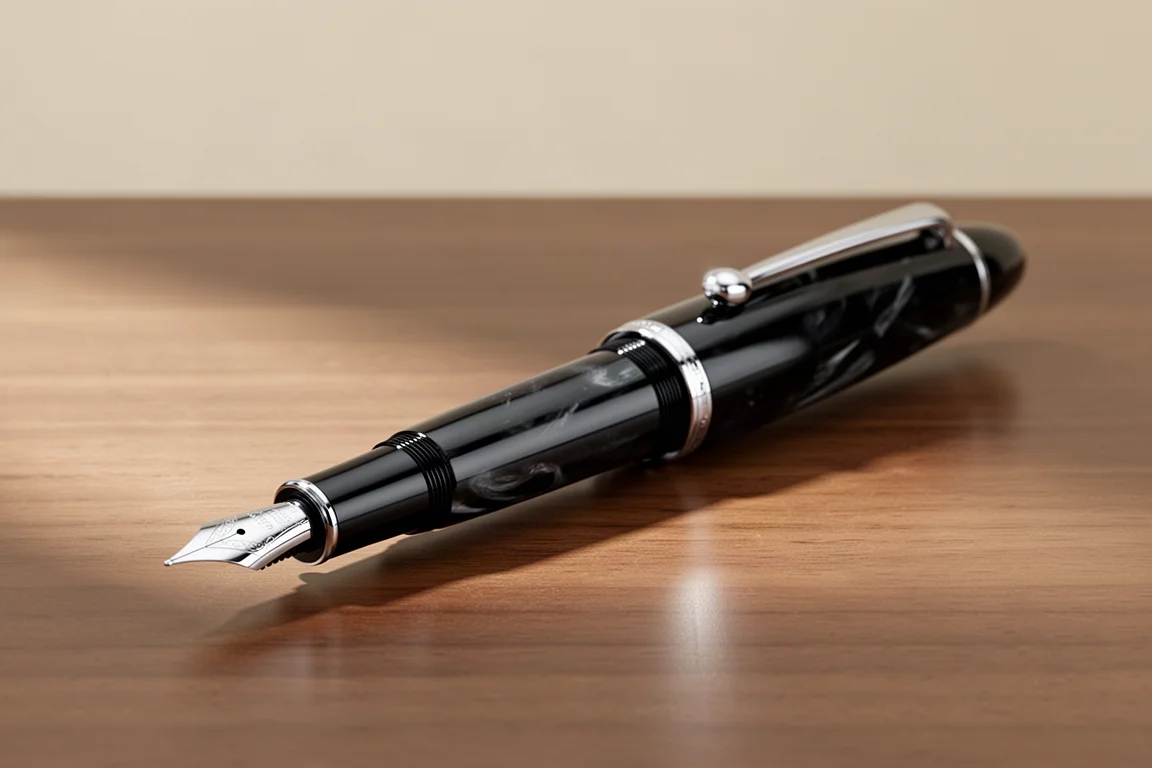
The Esterbrook SD Raven arrived in October and landed perfectly. The blacked-out finish gives it an edgy, almost gothic character that suited the season, yet it still looks polished enough for any business setting. It is sleek, beautiful, and fun to use, and it reflects the consistently strong output the brand is known for.
The Redemption Story: Lamy 2000
The Lamy 2000 was long declared a pen that would never be owned, until it arrived unexpectedly tucked into an order as a gesture of friendship. That gesture alone makes the pen meaningful, but the pen itself earns its place too. A couple of early criticisms gave way to genuine enjoyment: it is now a regular reach, sitting nearby and getting used daily. Its history and design legacy are easy to admire, and it will keep appearing here for a long time.
Overall Buying Advice
Three lessons emerge from this year. First, budget pens can deliver joy, but expect some nib inconsistency at the lowest price points, especially if you are a beginner who cannot tune a nib. Second, taste changes: a pen that felt perfect a year ago can be replaced in daily rotation by a slimmer, more elegant sibling. Third, the best pen is often the one tied to a memory, a gift, or a trip, which is worth more than any spec sheet. Vintage pens also deserve a mention: for a gold nib at a good price and a unique writing experience, they are hard to beat, provided you write at home where their delicate nature is less of a risk.
Conclusion
Twelve pens, twelve stories, and a year of genuine growth. From an affordable oversized Xinhao to the timeless Montblanc 146 and the flex credentials of the Magna Carta Mag 600, every pen here taught something about what makes writing satisfying. The journey continues, because from a fountain pen you can go anywhere.
Further reading
Related Reviews
Fountain Pens
Best Budget Fountain Pens Tested: 9 Pens, One Clear Winner
A hands-on comparison of nine affordable fountain pens for everyday writing, calligraphy, and sketching, with a clear standout for flexible nib fans.
Fountain Pens
Aurora Optima Review: An Italian Piston Filler That Punches Above Its Price
A 14k gold nib, ebonite feed, and a beautifully deep oraloid body make the Aurora Optima one of the most rewarding piston fillers around.
Fountain Pens
Cross Bailey Light Review: The Entry-Level Fountain Pen Worth Keeping at the Office
A plastic-bodied Cross with a metal clip, snap cap, and famously smooth extra fine steel nib. Around $15, available almost everywhere, and easy to recommend.