Running Shoes
5 Solid Running Shoes We Totally Forgot Existed
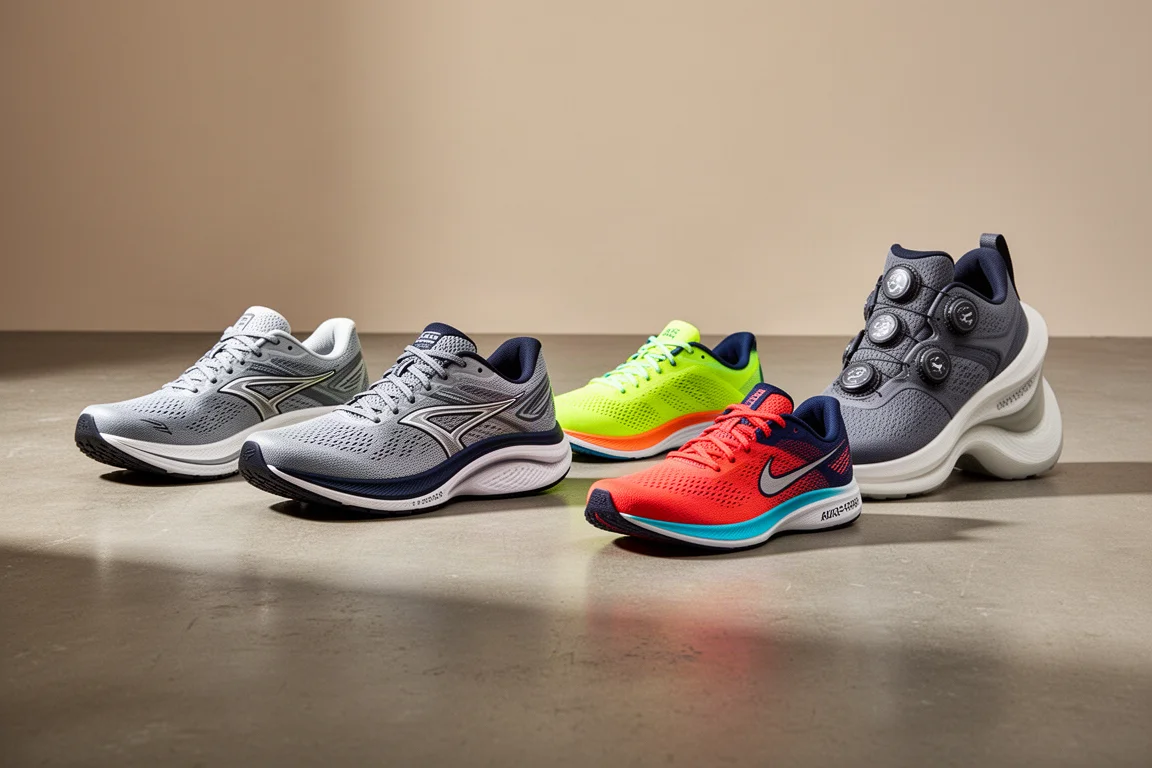
Five capable trainers that got buried by the hype cycle, including the Puma Deviate Nitro 3, Saucony Tempest 2, Hoka Sky Flow, ASICS Noosa Tri, and Under Armour Speedland Infinite Mega.
Introduction
Every running shoe brand releases new models at a relentless pace, and only a handful of them ever get real airtime. The rest quietly sink below the surface, even when they are genuinely good shoes. This list is about exactly that: five solid trainers that simply got forgotten. None of them are bad buys. In fact, several are excellent value if they match your needs. But between rapid refresh cycles, cannibalization from sibling models, and the hype machine moving on, each one has fallen out of the conversation.
Here are the five, why they fell off, and who should still consider them.
Puma Deviate Nitro 3
The Deviate Nitro 2 was one of the biggest cult classics in the running shoe community, a hybrid daily trainer-speed shoe that helped pioneer the amped-up daily trainer category alongside shoes like the Saucony Endorphin Speed. The third version is still good, but it changed the formula. It is not as soft, it is stiffer, and it lost some of the fun feel in the forefoot. The ride now leans toward an austere workhorse daily trainer, though you still get the plate, the stiffness, and the classic narrower Puma fit.
Why did it fall off? Timing and competition. It launched nearly a year ago, and Puma has since released a deep lineup of strong shoes like the MagMax, Magnify Nitro 3, Velocity Nitro 4, and Fast R3. Against all that, the Deviate Nitro 3 sinks to the bottom of its own brand’s catalog. It is due for a refresh, and changes like an 8mm drop or a wider toe box could bring in new buyers. Still, every time it gets laced up, the reaction tends to be the same: why don’t I run in this more often? It is a jack-of-all-trades with a narrow fit and a plate, which limits its audience, but that also means it can be a bargain for the right runner.

Saucony Tempest 2
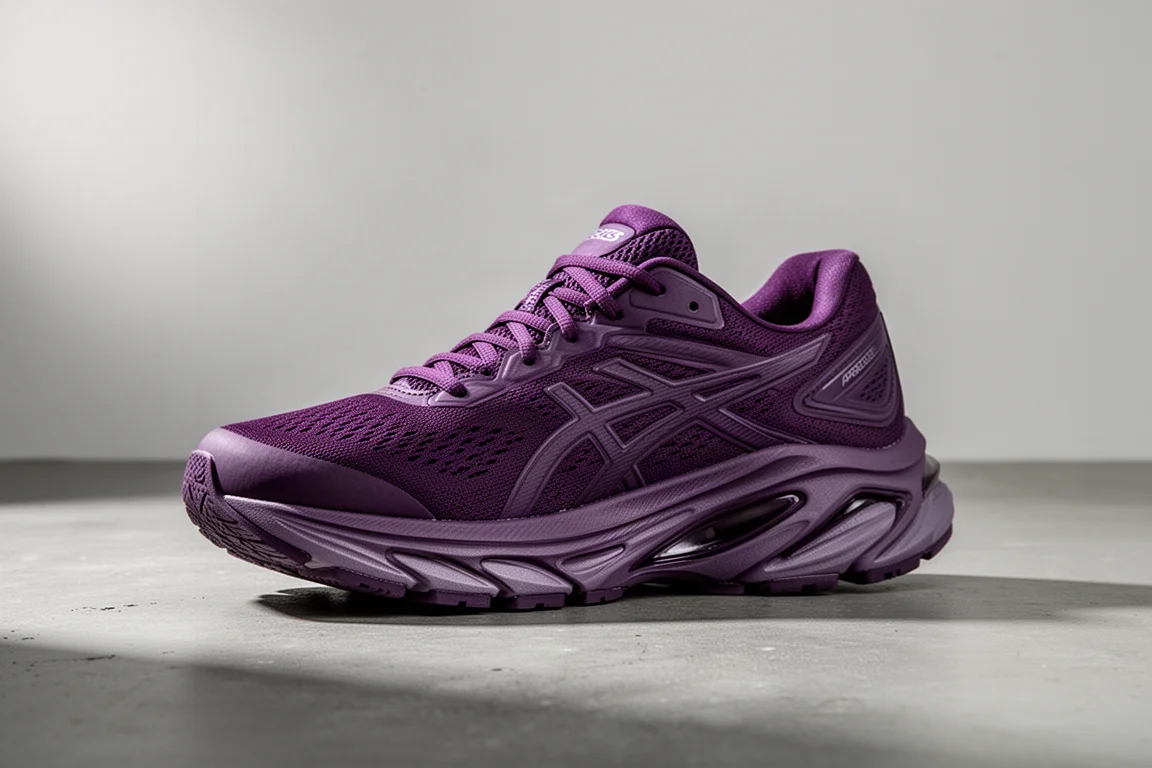
This one fell off hard. The original Tempest had a genuine cult following, and it predated the whole Super Blast wave of stable, fun daily trainers. People across the spectrum loved it, not just stability runners. The Tempest 2, however, played it safe: a comfortable upper update on the same PowerRun EVA midsole with the standard cradle. The ride is still good, but the market moved.
Two things killed its momentum. First, neutral shoes keep getting more stable, which erodes the appeal of anything explicitly labeled a stability shoe. Second, Saucony’s own Hurricane has become the more beloved option in the community, with a max-stack build and race foam on top that makes the Tempest’s standard stack feel dated. Most buyers who would have chosen the Tempest now go for a Super Blast 2, the Hurricane, or something else entirely. There are rumors of a Tempest 3 with PowerRun HG foam possibly limited to the Asian market, but the nameplate has clearly lost its shine. If you can find the Tempest 2 at a discount, it remains a solid stability option, just one that very few people are talking about anymore.
Hoka Sky Flow
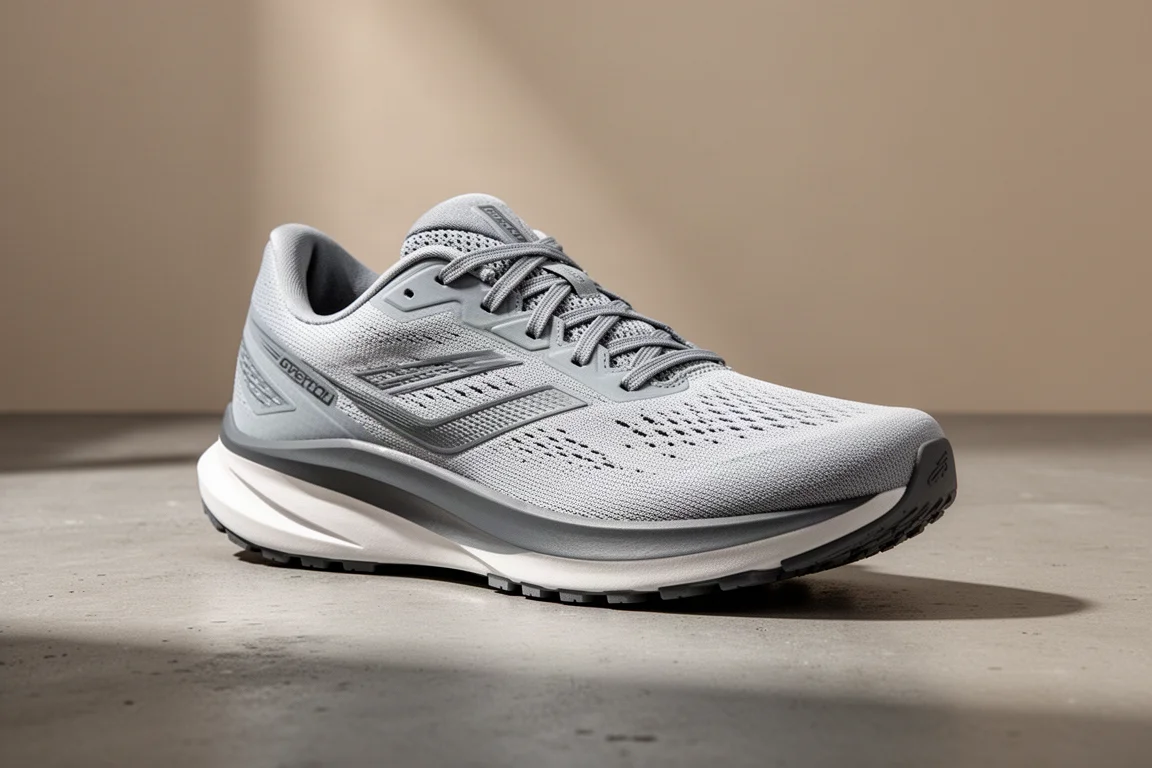
This is the shoe that sparked the whole idea for this list. The Sky Flow is a genuinely solid daily trainer built on supercritical EVA foam, the same foam used in the bottom layer of the Mach X3. Its personality is smooth and reliable rather than exciting: after a few miles the foam softens up, you settle into a rhythm, and the shoe rolls along nicely. It will not blow you away, but it rarely does anything wrong.
Hoka appears to be positioning it as a Clifton alternative for runners, with a lower, more moderate drop around 5mm. The surprise is that it has sat on the market for over a year without an update, which is unusual for a shoe in the workhorse category where brands typically refresh annually. That alone explains a lot of the fall-off. The main complaint was a slightly narrow upper, and a Sky Flow 2 with a wider toe box would make it a more comfort-oriented shoe. There is also a question of whether the Bondi, which offers a similar experience at a slightly heavier weight, has made the Sky Flow somewhat redundant. For someone running 10 to 25 miles a week who wants one shoe to do everything, though, this remains an easy recommendation.
ASICS Noosa Tri
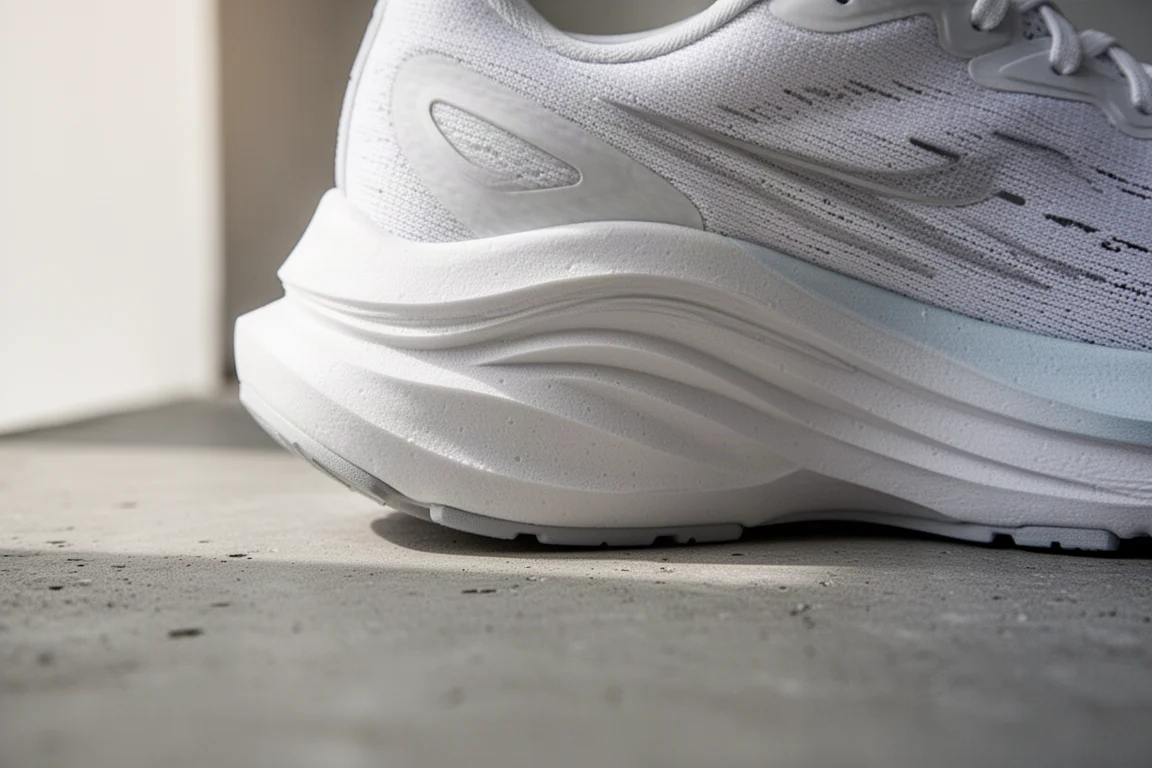
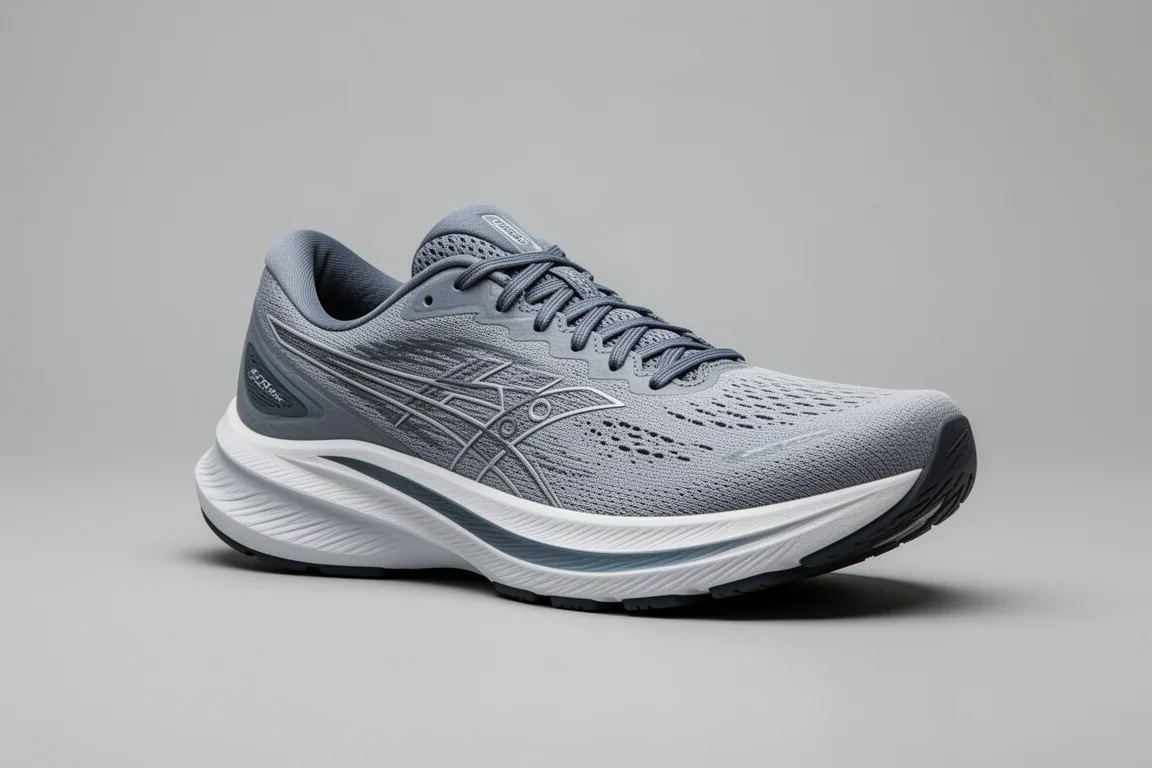
The Noosa Tri is one of the cheapest shoes in the ASICS lineup at $135, designed as a lightweight, speed-oriented triathlon shoe that is easy to slip on and off and can be worn without socks. Historically that heritage counts for something, but this version has issues. The toe box is very snug, and the foam simply feels outdated in a brand that is otherwise dominating the midsole foam game.
ASICS has so many better options that this one almost feels like the neglected stepchild of the lineup. The Nova Blast at $150 offers a peppier non-plated daily trainer for just a bit more, and upcoming models like the lower-stack Magic Speed make the Noosa Tri’s role unclear. Compared with the best lightweight trainers from other brands, it sits closer to a Rebel than to the elite tier. It seems destined for the kind of buyer who wants the same rinse-and-repeat formula every couple of years, not for enthusiasts building a rotation. If a future version gets FF Blast Max or Turbo 2 foam, that could change. For now, it is a niche shoe with a loyal but small audience.
Under Armour Speedland Infinite Mega
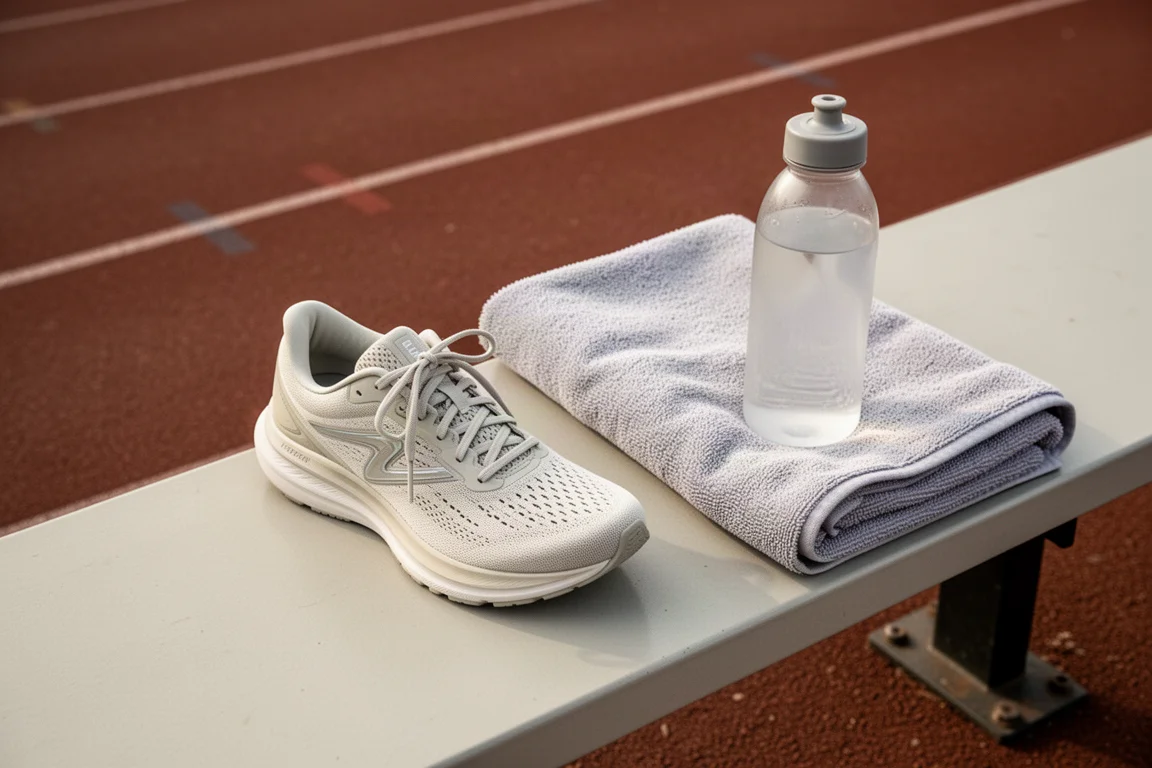
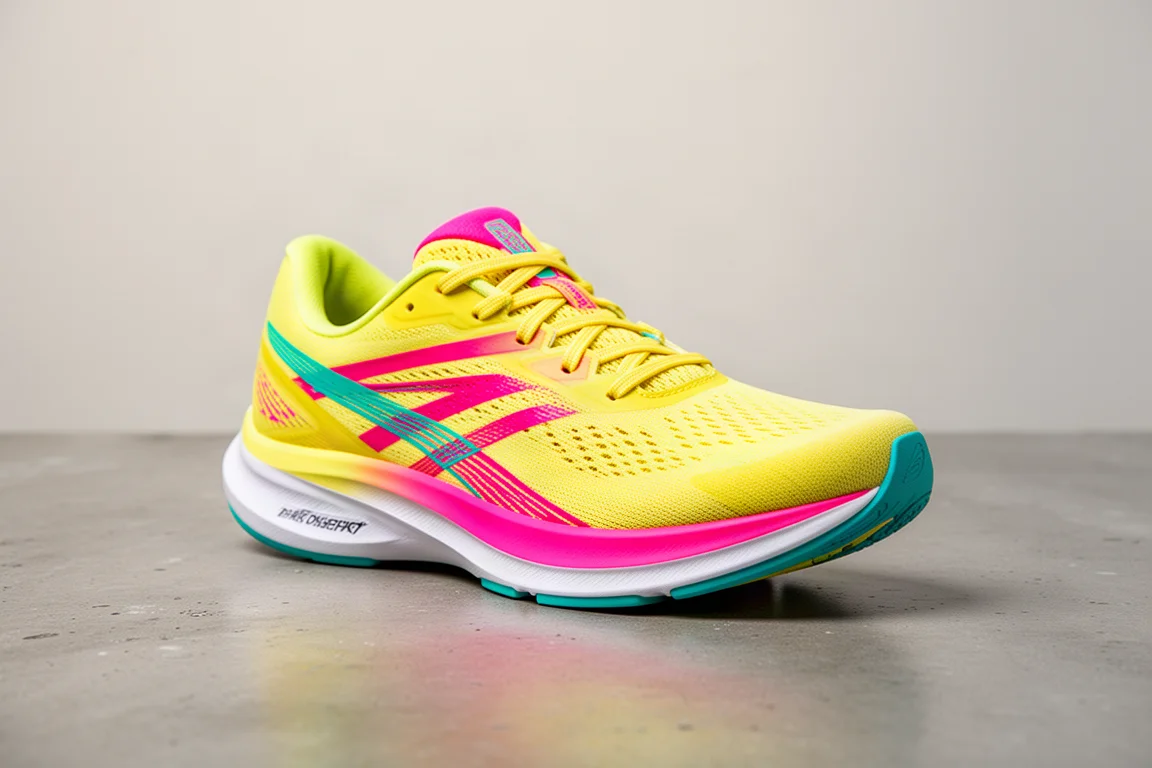
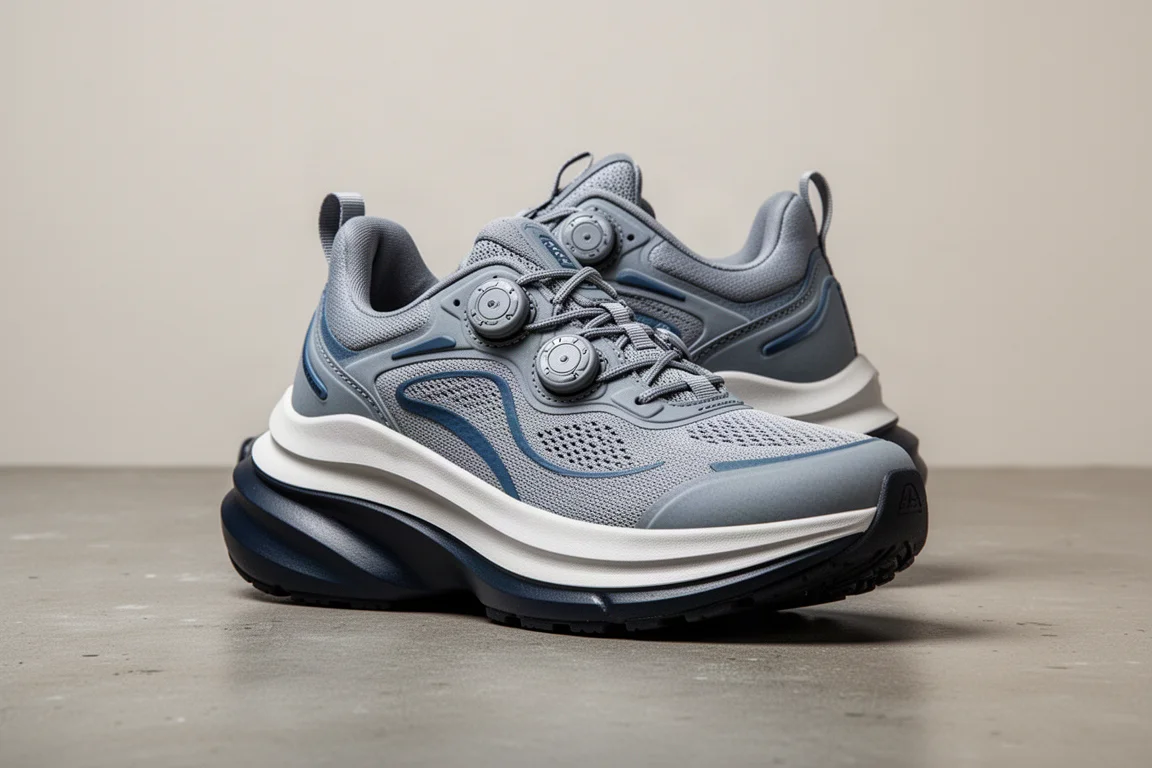
The priciest shoe on this list at around $250, and arguably the biggest fall-off of all. On paper, this looked like a potential MagMax rival: a firmer max-cushion shoe with a tall stack, a good ride, dual BOA dials, and an innovative foam insole. The first run was genuinely promising. But it never quite broke in and never delivered that comfortable, easy feeling that the true favorites provide. The firmness of the bottom foam layer held it back, and the ride felt best when running with real strength and force through the shoe, which does not suit every runner.
Part of the problem is cannibalization, the recurring theme of this list. Under Armour also sells the Speedland GS, which costs roughly $50 more and uses the full-strength race foam, with a ride that is more energetic and closer to a true racer. Most buyers facing that choice simply go all in on the Speedland. Add in the fact that the MagMax and the Nimbus own the top tiers of the max-cushion category, and the Infinite Mega just slides out of the rotation. The design drew comparisons to a certain famous chunky slip-on, which is fun, but fun design does not keep a $250 shoe in the conversation. It is worth a look on deep discount if you want a bouncy, firmer max-cushion trainer, but it never became the shoe it promised to be.
Overall Buying Advice
The common thread across all five is market dynamics, not quality. In four out of five cases, a sibling model from the same brand did the damage: the MagMax buried the Deviate Nitro 3, the Hurricane buried the Tempest, the Bondi and Mach X crowd out the Sky Flow, the Nova Blast overshadows the Noosa Tri, and the Speedland GS undercuts the Infinite Mega.

That creates opportunity for shoppers. Forgotten shoes often mean discounted shoes, and several of these are strong performers for specific needs. If you want a plated hybrid trainer, the Deviate Nitro 3 still delivers. If you need gentle stability, the Tempest 2 is a solid pick that nobody will judge you for. If you want one smooth, reliable shoe for moderate weekly mileage, the Sky Flow earns its place. The Noosa Tri suits triathletes and fans of the slip-on format, and the Infinite Mega fits runners who want a firmer, dial-adjustable max-cushion option at a discount.
Conclusion
Not every shoe can be a transcendent, era-defining banger, and these five prove that even genuinely good products can vanish from the conversation when the hype cycle moves fast and brands compete against themselves. Study the fall-off, spot the value, and you may find your next favorite trainer in a shoe everyone else forgot.
Further reading
Related Reviews

Running Shoes
Best Road-to-Trail Running Shoes: Three Versatile Options for Mixed Terrain
A practical guide to three road-to-trail running shoes that handle both pavement and mild trails, with clear strengths and trade-offs for different runner types.

Running Shoes
Best Running Shoes for Achilles Tendonitis: Three Options Explained
Three running shoes with different heel drops and support features designed to help reduce Achilles tendon pain during walking and running.

Running Shoes
Best Running Shoes for Women: Five Top Choices Ranked
A ranked guide to five women's running shoes, from versatile daily trainers to high-performance racing options, with real strengths and trade-offs for each.