Backpacking Tents
3FUL Gear Lanshan 2 Pro Review: First Impressions of a Sub-$200 Single-Wall Shelter
A first look at the 3FUL Gear Lanshan 2 Pro, a non-freestanding single-wall backpacking tent under $200 with an easy pitch, generous interior space, and condensation to manage.
Introduction
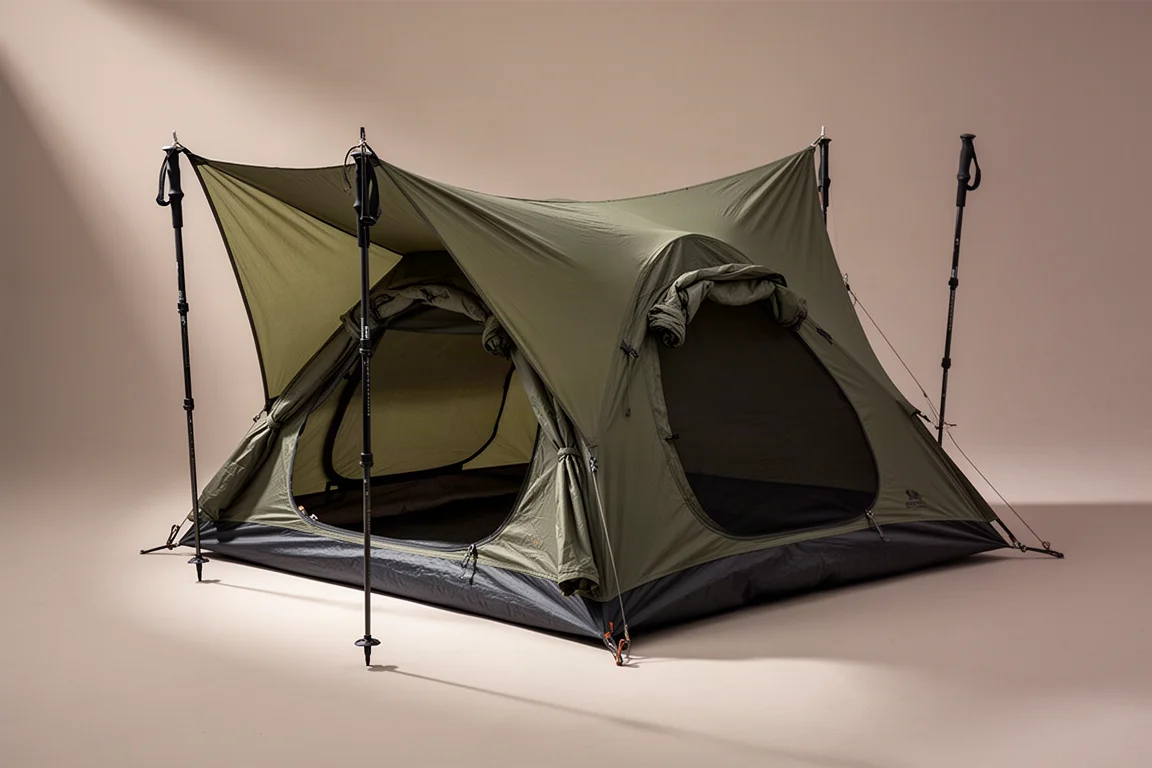
The 3FUL Gear Lanshan 2 Pro is a non-freestanding, single-wall backpacking shelter that sells for under $200. This particular configuration is the four-season version of the Lanshan Pro, and the name deserves a note before anything else: it does not mean the tent is built for snow loading or expedition-grade winds. What it means is that the mesh that normally runs around the inner sidewalls has been removed, leaving a single wall at the head and foot ends and mesh only where ventilation matters most.
The tent uses two doors and two vestibules, and it depends on trekking poles rather than a dedicated pole set to stand. That places it in the same broad category as other trekking-pole shelters, but at a price that sits noticeably lower.
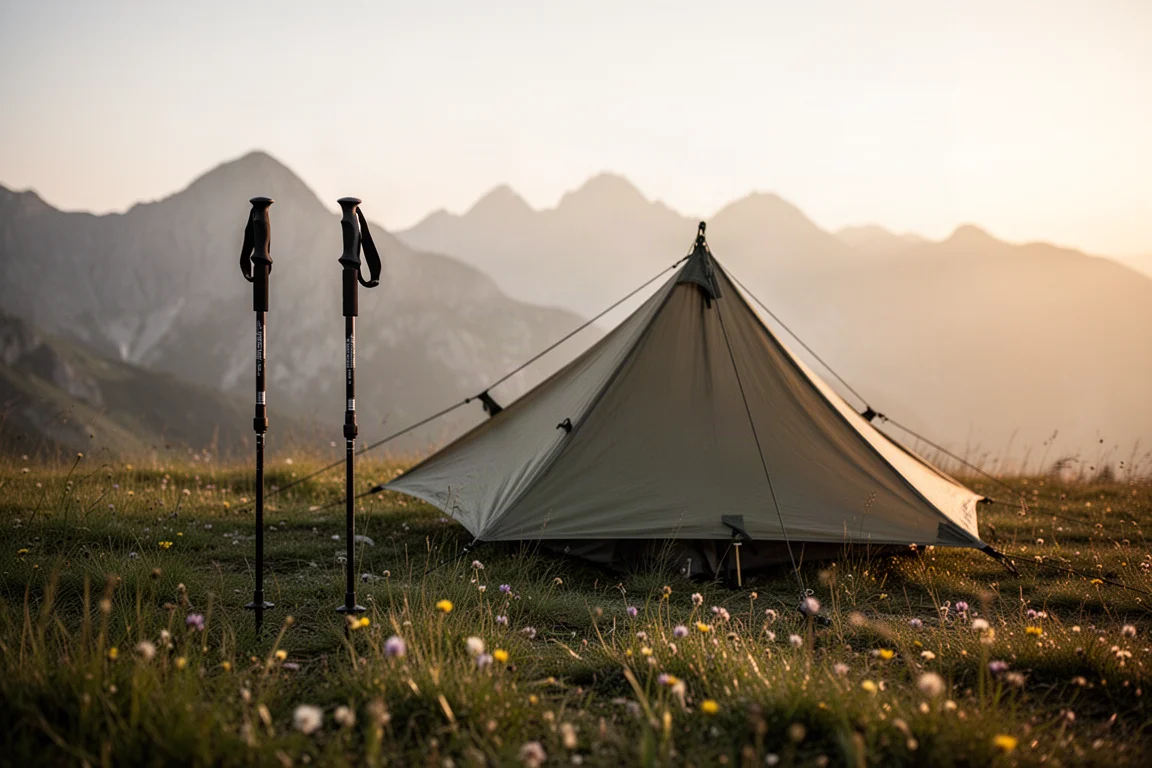
First impressions of the pitch were positive. The shelter came together quickly and the build quality looked solid, which is a promising starting point for anyone who has found comparable designs fussy to set up.
Who This Tent Is For
This tent makes the most sense for backpackers who already carry trekking poles and regularly camp in places where stakes can be driven into the ground. If that describes your trips, a non-freestanding shelter removes a meaningful amount of pack volume and weight without asking you to change how you hike.
It is also a reasonable fit for anyone who wants a two-person shelter with a low cost of entry and is willing to do a small amount of preparation, such as seam sealing, before the first wet trip. Campers who used the earlier Lanshan 1 and found it short on space will notice a clear step up here.
It is not the right shelter for exposed alpine routes, winter snow loads, or campsites where the ground will not hold a stake.
Pitch and Setup
Setup is straightforward. Guy lines at the head and foot ends pull the walls outward rather than straight down, which is a small detail that pays off in usable interior volume. The pole was set at roughly 122 to 123 cm to account for the tip sinking into the ground, and that height still left plenty of headroom.
Compared with the earlier Lanshan 1, which felt finicky to tension, this version came together nicely. The door attachments are simple and basic in a good way: few parts, clear geometry, and nothing that has to be fought with when the weather turns.
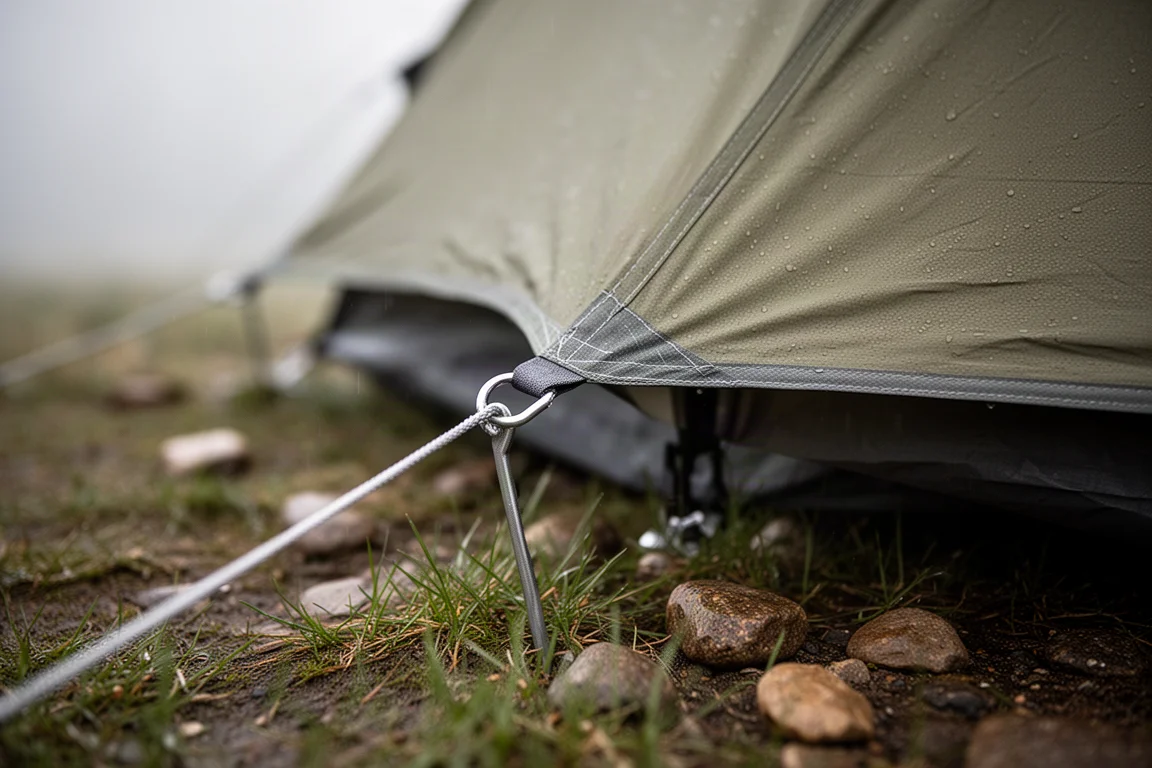
The trade-off of a non-freestanding design is that the pitch depends entirely on the ground. Soft, sandy, or rocky surfaces make staking harder, and the shelter will always need the poles you were probably carrying anyway.
Interior Space and Comfort
Interior volume is the surprise here. Peak height is generous, and there is enough floor area for two people plus gear, with room to move around rather than simply lie down. Mesh runs around the foot box and head end area, and there is a pocket for small items.
Sleeping pad height should not be a problem at either end. That matters in a single-wall shelter, because a pad that pushes a sleeping bag against the fabric turns every bit of condensation into a wet night.
Ventilation and Condensation
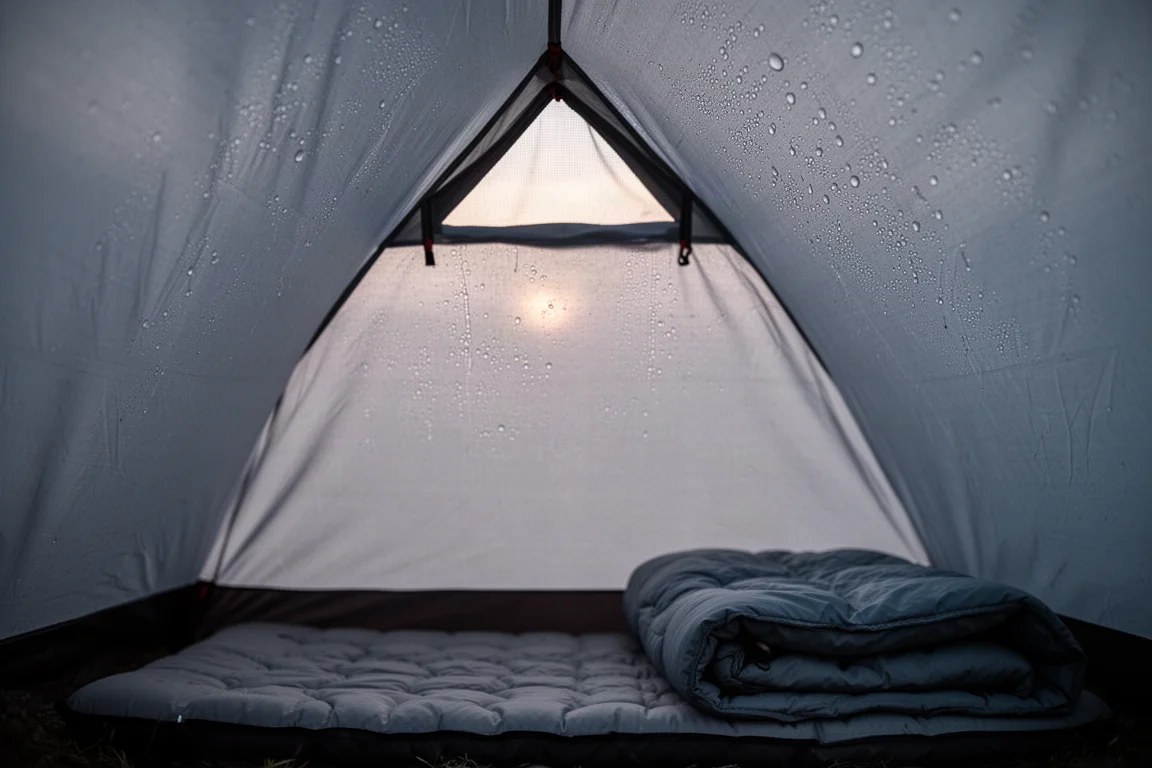
Ventilation is handled by a section of mesh at the peak, which allows warm, damp air to escape. Because the door panels carry far less mesh than the standard version, the interior should hold a little more warmth on cold nights.
Condensation is the honest caveat of any single-wall design, and it is the main thing to watch with this tent. It is manageable, but it needs to be managed: pitch with airflow in mind, vent when conditions allow, and expect to wipe down the interior after cold, still nights.
Build Quality and Weatherproofing
Construction feels well put together, from the way the guy lines are arranged to how the doors attach. The seams are not sealed at the factory on this single-wall version, so seam sealing is a required step before relying on it in sustained rain. Once that is done, the shelter is set up to handle typical backcountry weather.
The four-season label should be read narrowly. A shelter earns that description by carrying snow load and standing up to heavy mountain winds, and this tent is not built for that kind of use. Treat the name as a description of the reduced mesh, not as a claim about winter expeditions.
Things to Consider Before Buying
Three things are worth weighing before ordering. First, you need trekking poles and stakeable ground, so the shelter will not work everywhere. Second, seam sealing is your job rather than the factory’s. Third, condensation comes with single-wall territory and will not disappear on its own.
None of these are flaws so much as conditions of the design. They are the same conditions that come with any trekking-pole shelter in this style, and they are worth accepting deliberately rather than discovering on a wet morning.
Buying Advice
For under $200, this is a strong value proposition for the right buyer. The pitch is easy, the interior is roomier than expected, and the build quality looks the part. If you want a lightweight two-person shelter without spending premium money, and you are comfortable with seam sealing and condensation management, this tent deserves a serious look.
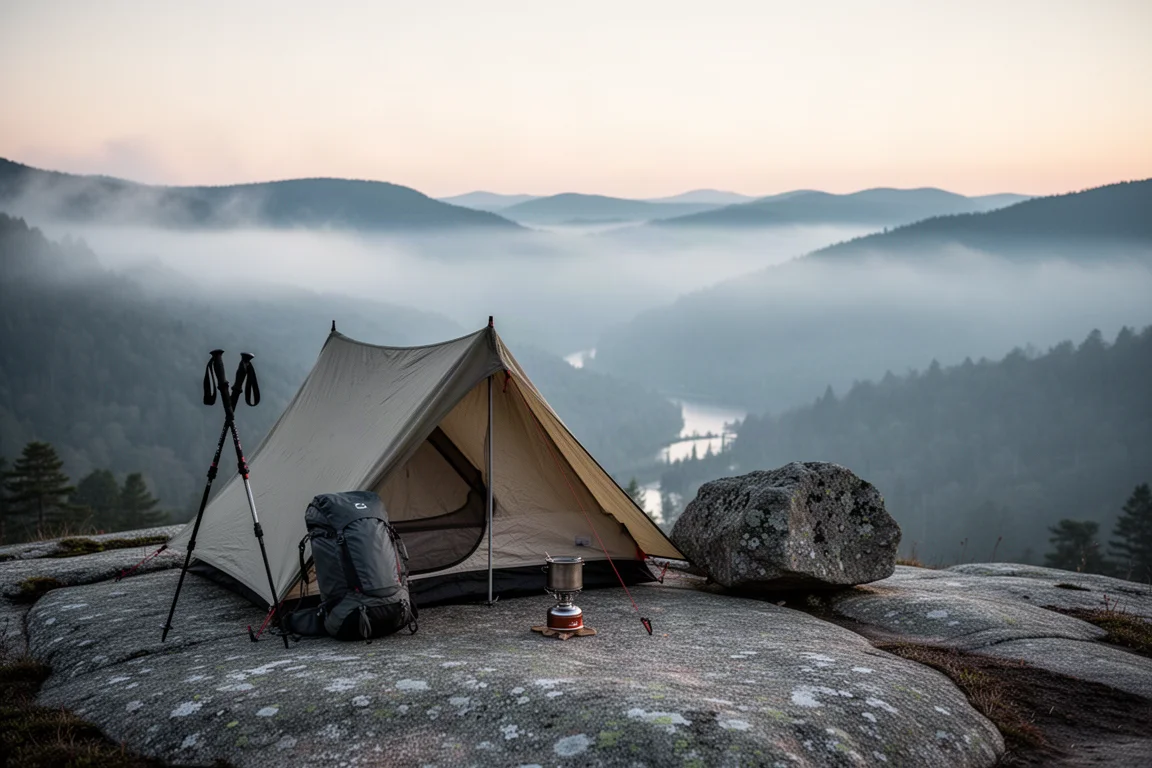
If you need a freestanding shelter, camp above the treeline in winter, or simply do not want to seal seams yourself, look elsewhere. Those are honest limits rather than dealbreakers for everyone.
Conclusion
The 3FUL Gear Lanshan 2 Pro is an interesting shelter at its price. It pitches easily, offers more interior space than the earlier Lanshan 1, and feels well made for the money. The caveats are clear: seam sealing is required, condensation needs attention, and the four-season naming overstates what the tent is built to handle. For backpackers who carry trekking poles and camp where stakes hold, it looks like a genuinely good value.
Product link
View more details for 3FUL Gear Lanshan 2 Pro
This product is mentioned in the review. Check the specifications, options, and compatibility before buying.
View more details for 3FUL Gear Lanshan 2 ProFurther reading
Related Reviews
Backpacking Tents
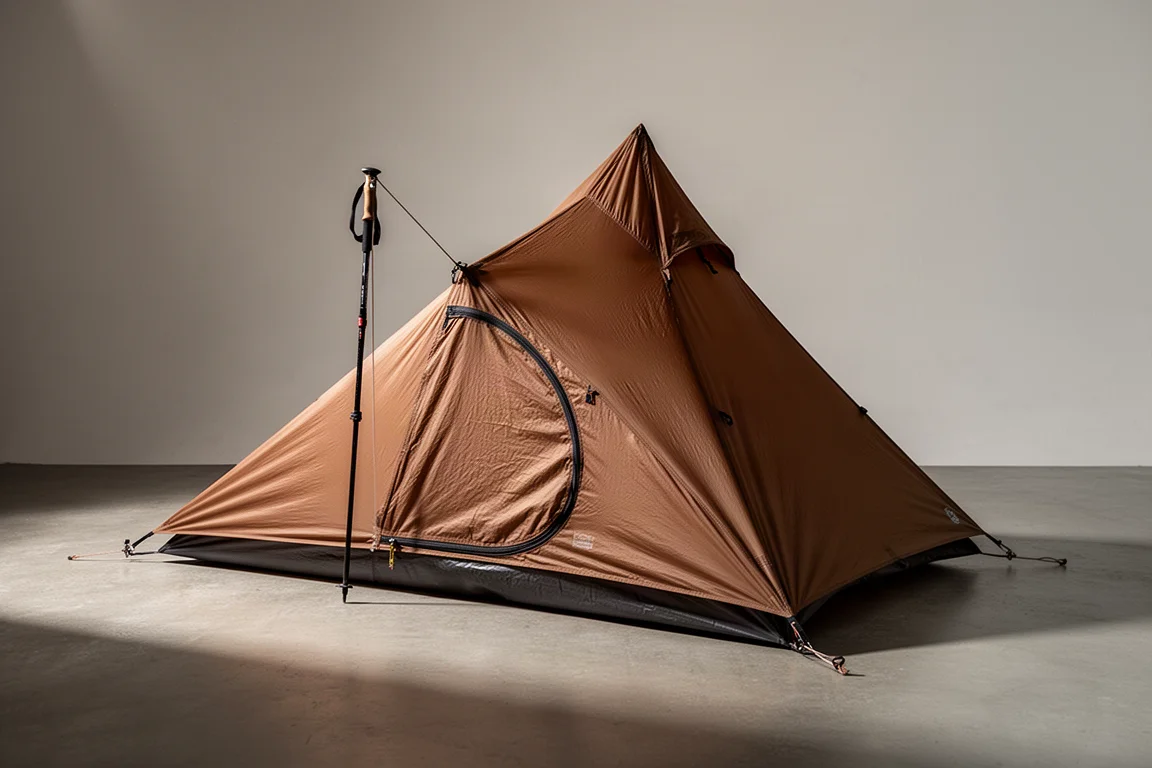
3F UL Lanchan Pro 1 Review: A 1 lb 8 oz Single-Wall Trekking Pole Tent
A practical look at the 3F UL Lanchan Pro 1, a single-wall trekking pole shelter with a 1 lb 8 oz weight, 20D silnylon fabrics, and a roomy 90 x 31 x 49 inch interior.
Backpacking Tents
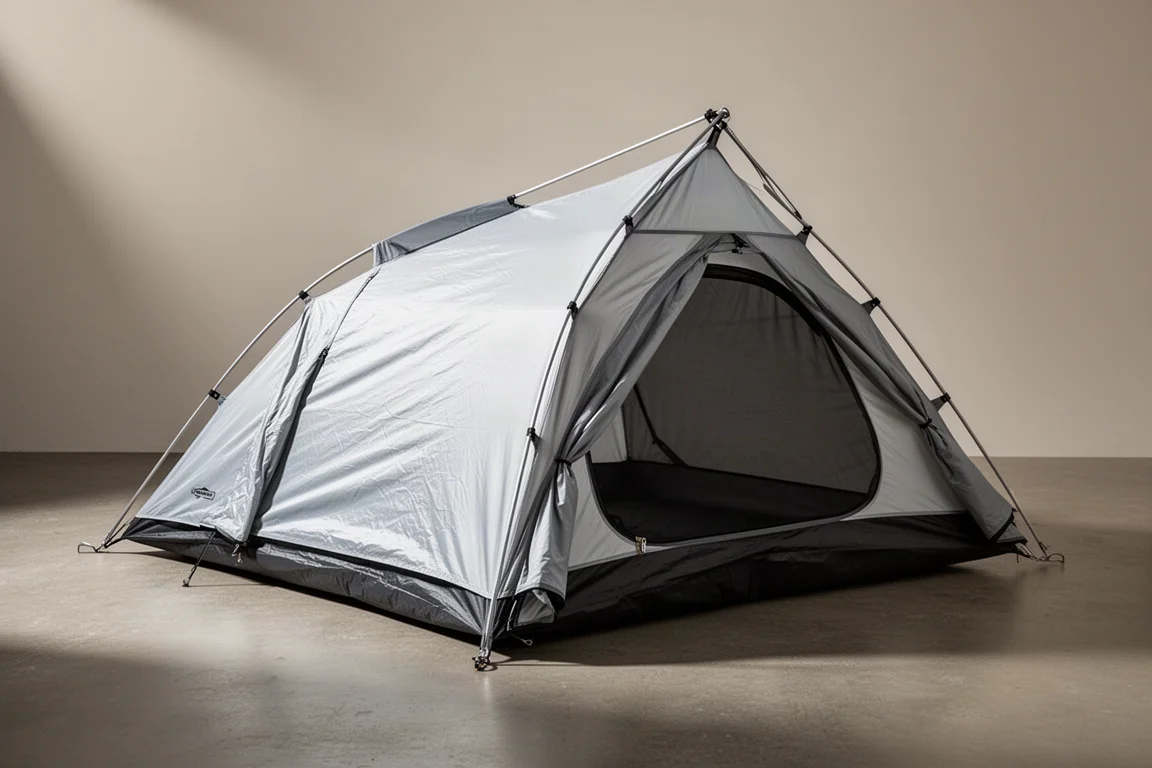
3F UL Taiji 2-Person Tent: A Convertible Backpacking Shelter Worth a Closer Look
A practical look at the 3F UL Taiji two-person tent, covering its materials, true two-person interior, fly-first pitching, and the seasonal inner swap that lets one shelter cover more of the year.
Backpacking Tents
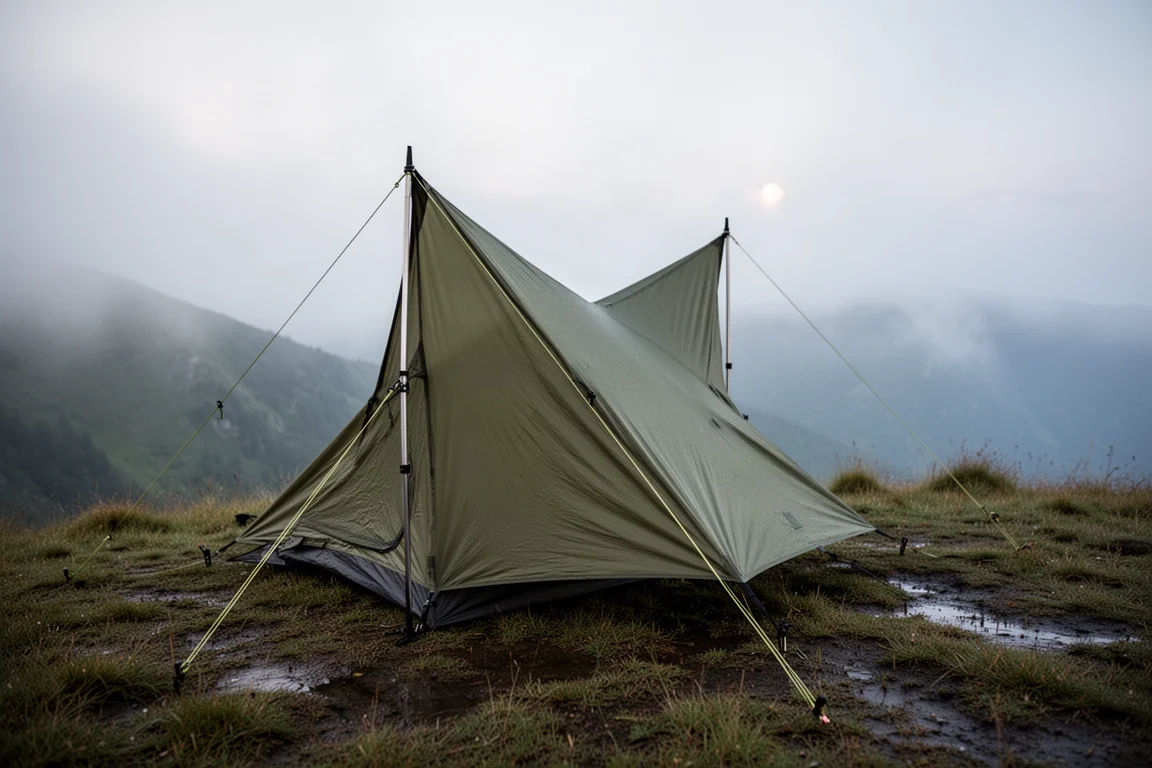
3FUL Lanshan Twoerson Pro Review: A Light Trekking Pole Shelter That Struggled in Rain
A two-person trekking pole shelter with a 2026 redesign, pitched with sticks and put through a night of steady rain. Here is what worked, what did not, and what to check before buying.