Backpacking Tents
3FUL Gear Lanshan 2 2026: Standard vs Pro Four-Season Trekking Pole Tents
A practical comparison of the 2026 3FUL Gear Lanshan 2 Standard and Lanshan 2 Pro four-season trekking pole tents, covering fabrics, weight, condensation control, price, and which version suits your trips.
Introduction
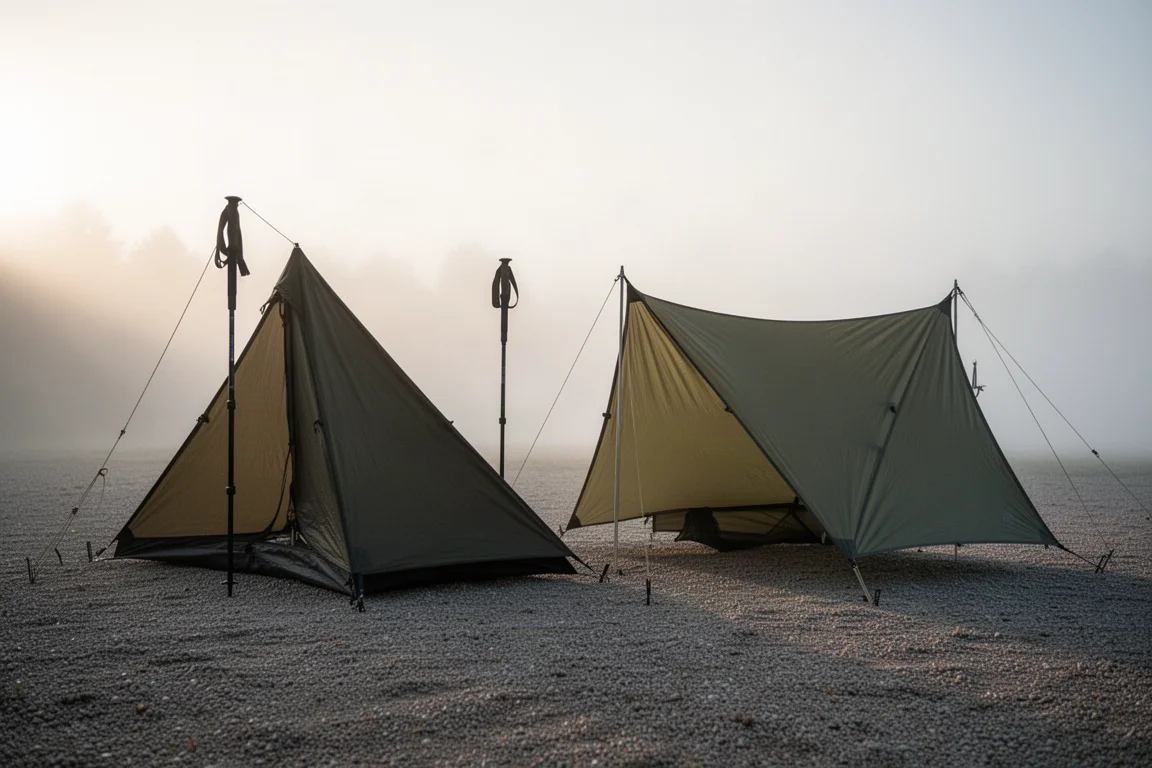
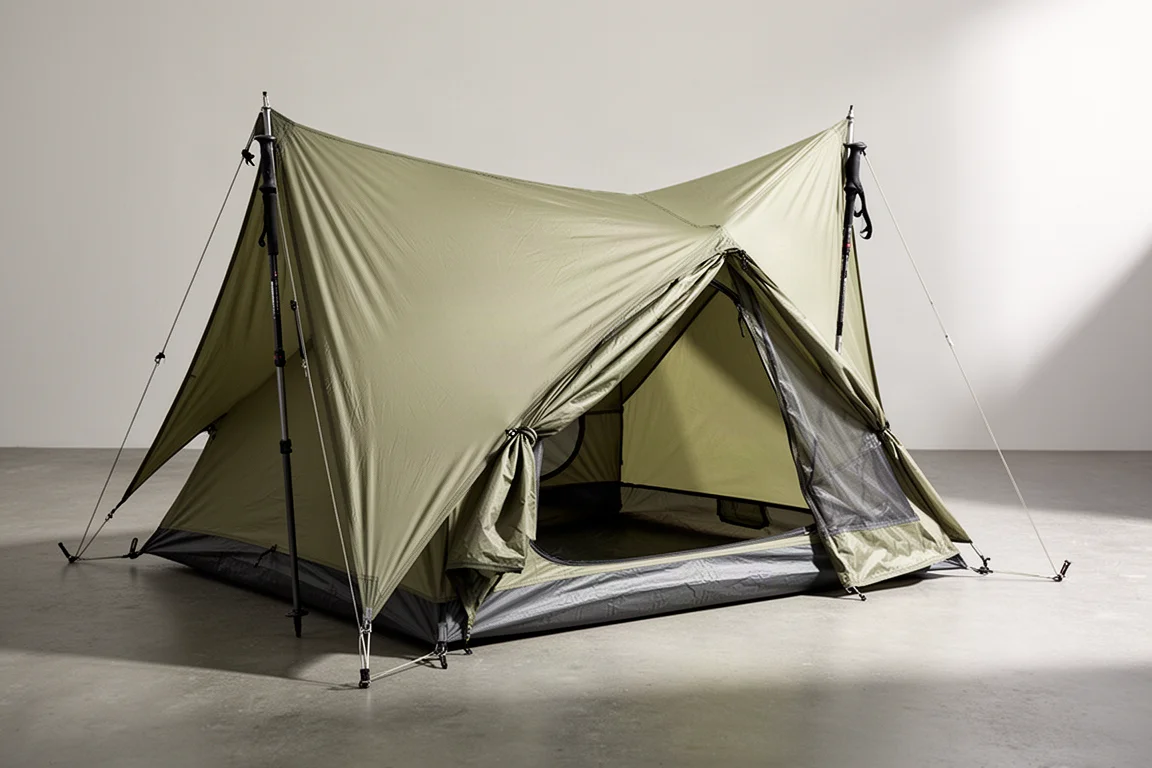
Two tents sit at the heart of this comparison, and both are 2026 versions of a design that has built a strong following among backpackers who want a light two-person shelter without a premium price. The 3FUL Gear Lanshan 2 2026 Standard arrives with a four-season inner and a traditional double-wall build. The 3FUL Gear Lanshan 2 Pro 2026 uses the same four-season inner but pairs it with a hybrid single-skin body and a different fly fabric.
The appeal is straightforward. These rank among the best value two-person trekking pole tents available, and the 2026 updates refine details that matter in real conditions, from waterproof zips to the fabric treatments that keep rain out and condensation down. This guide walks through what changed, how the two versions differ, and which one suits the trips you actually take.
What the 2026 Updates Change
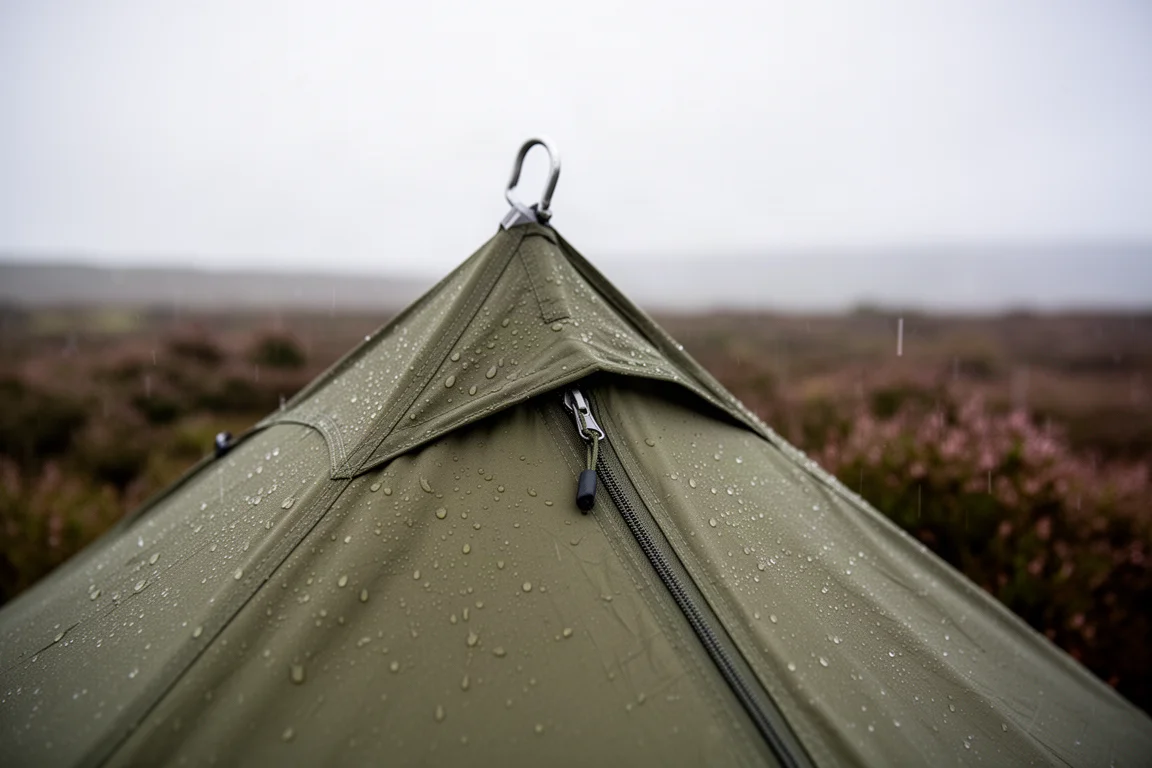
Both tents pick up a similar set of refinements for 2026. Each now uses a metal hook at the apex, fully waterproof zips on both sides, and a new vent material. Those are modest changes on paper, but they address the small friction points that show up after a few seasons of use.
The bigger change is the fabric treatment. Both models now receive a new silicone treatment that raises the hydrostatic head rating compared with previous versions, so the flysheets resist sustained rain more convincingly. The Pro goes further with a new 20D silpoly fly that is designed to cut condensation, which matters on a hybrid shelter where the inner and outer layers sit close together.
Because both tents share the same pole-supported geometry, the differences come down to fabric, wall construction, and interior space rather than pitching method.
3FUL Gear Lanshan 2 2026 Standard: Double-Walled Warmth
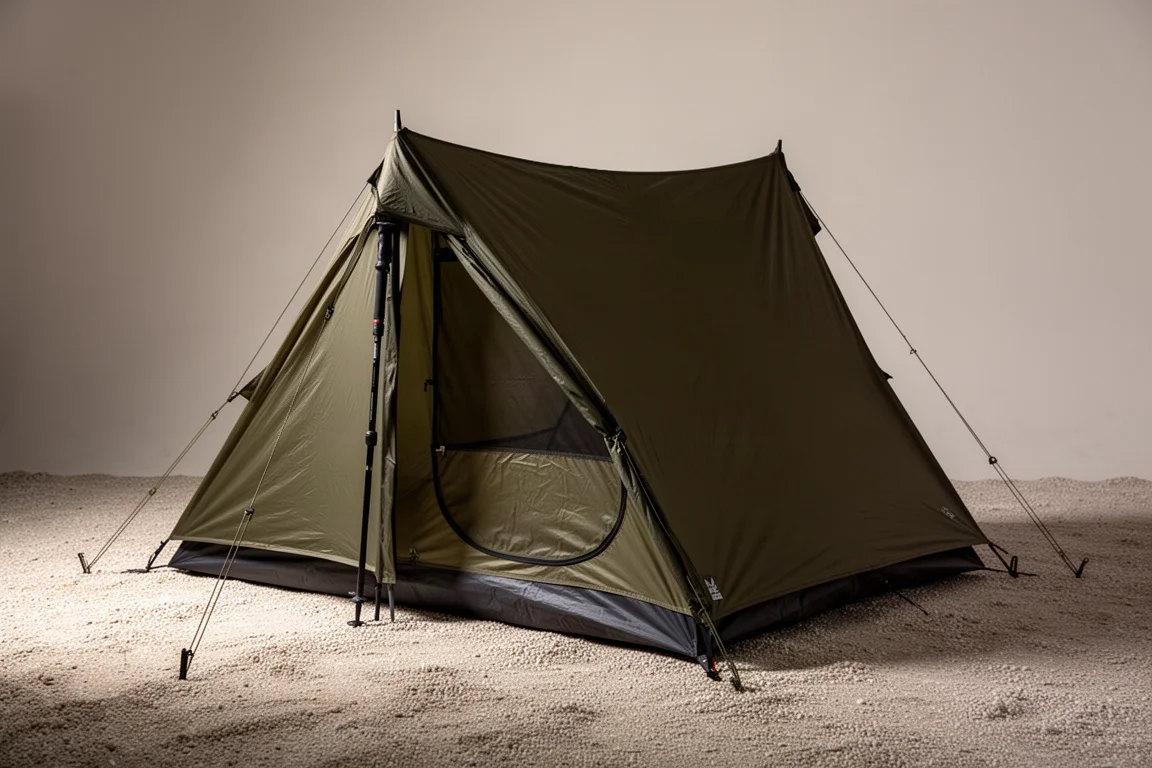
The Standard version keeps the classic construction that made this shape popular. It uses silnylon fabrics throughout: a 15D fly, a 20D floor, and a 15D inner, with an optional 20D footprint available if you want extra protection under the floor. The fly arrives factory seam sealed, so it is ready to use in wet weather without additional work.
Inside, the double-wall design follows a traditional pattern. There are vents and lantern hooks on both sides, a large amount of solid fabric, and a small mesh section at the top. That combination holds warmth noticeably better than an open, airy inner, which is exactly what you want when temperatures drop. Quoted dimensions are 125 cm high, 120 cm wide, and 220 cm long.
Both sides use T-shaped zips, and you can unzip one side to open the tent right up when the weather is warm and the views deserve the exposure.
3FUL Gear Lanshan 2 Pro 2026: Lighter Hybrid Build
The Pro is the lighter of the pair, quoted at 915 g, and it swaps the silnylon fly for a 20D silpoly fly. The floor remains 20D silnylon and the inner stays 15D. Unlike the Standard, the Pro does not leave the factory seam sealed, though a seam sealing service is available for a small extra cost, so it can still arrive ready for wet weather.
The construction is a hybrid: essentially a single-skin body with double-walled sides. The interior gains a new fabric panel that limits airflow, blocking cold drafts and acting as an extra barrier against condensation. Relax that panel and far more air moves through the tent. In practice, this gives you a way to tune the shelter to the night rather than accepting one fixed level of ventilation.
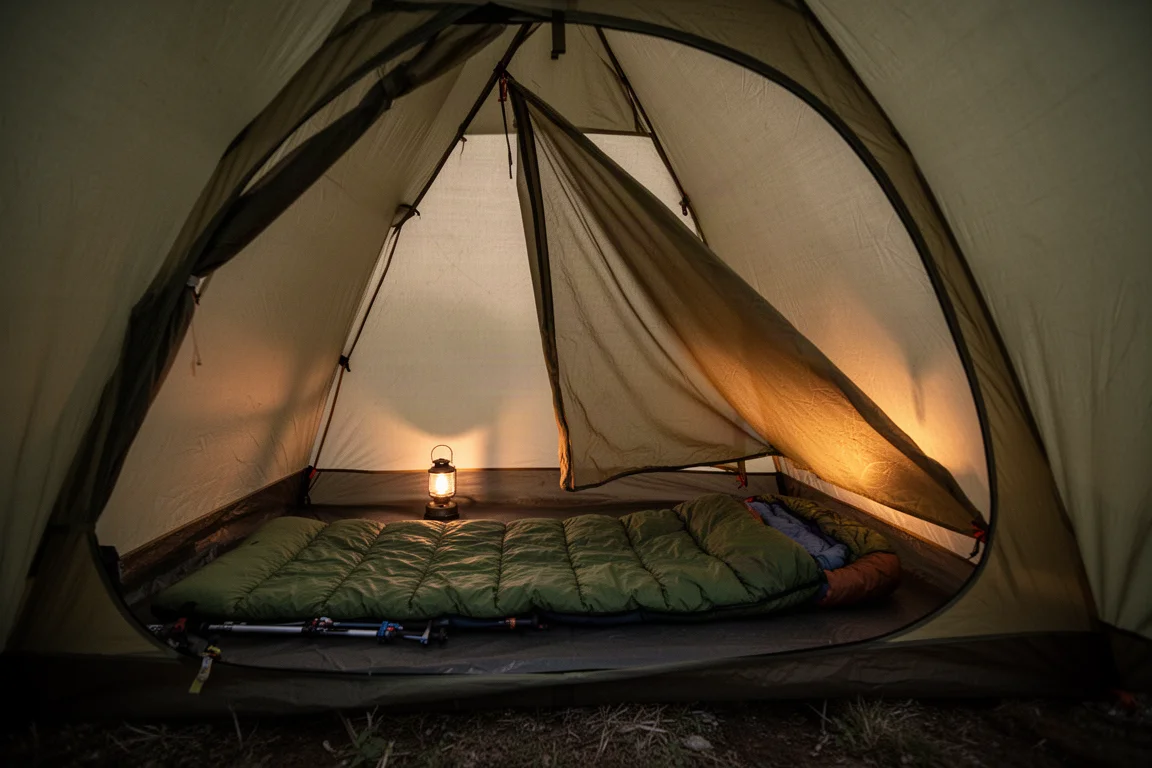
There is also more usable room inside the Pro, which makes it the more comfortable choice for two people sharing the space over a longer trip.
Condensation, Seam Sealing and Weather Protection
Condensation is where the two fabrics diverge. Silpoly tends to shed water better than silnylon, which can hold a little moisture and sag slightly when it is wet. On the Pro, the silpoly fly combined with the airflow panel makes a real difference to how dry the inside of the tent stays, and that means a sleeping bag that is far less likely to end up damp by morning.
Seam sealing is worth planning for. The Standard is factory seam sealed, so there is nothing to arrange. The Pro is not, but the retailer offers a sealing service for a small additional charge, so either tent can be delivered ready to pitch in rain. Add the new silicone treatment on both models and the hydrostatic head figures come out higher than on earlier versions.
Pack Size, Pitching and Living Space
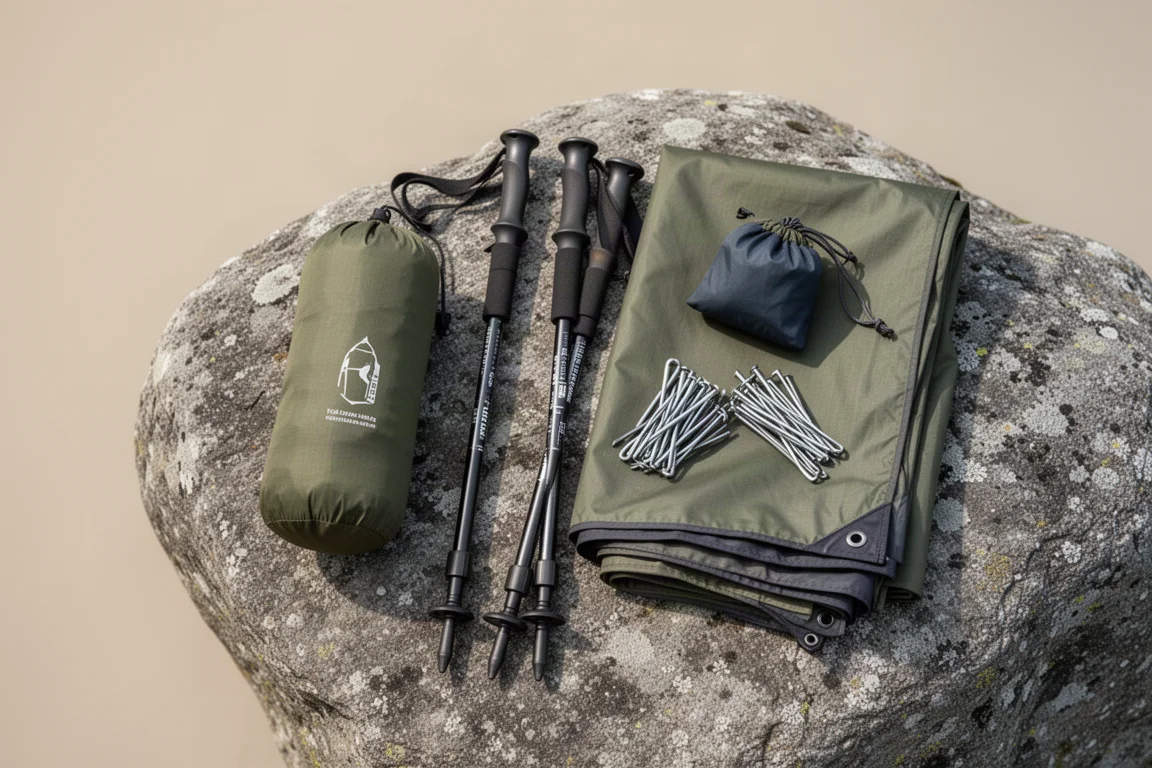
Packing down is one of the strongest arguments for this design. Both tents roll up to roughly 35 cm by 15 cm, a genuinely small bundle for a two-person shelter, and the pack size is the same across the two versions.
Pitching is identical in principle. Both rely on trekking poles, and both use T-shaped zips with a side panel that can be fully opened for views and airflow on warm days. The difference shows up once you are inside. The Pro offers extra space for two occupants, while the Standard’s traditional double wall blocks drafts more effectively and tends to feel warmer.
The weight gap between the two is only a couple of hundred grams, so the decision is less about shaving grams and more about the kind of nights you expect.
Price and Availability
Pricing is refreshingly simple. The Standard starts at £117, while the Pro costs £134. If you want the footprint, extra guys, guy clips, and pegs bundled in, the package comes to £144. Both prices include taxes, which removes the usual guesswork at checkout.
Both tents ship from China through Camplist, a specialist retailer known for knowledgeable tent advice and responsive customer service, and delivery typically lands within about two weeks. Buying through a specialist also means you receive the genuine product rather than an uncertain marketplace listing. Seam sealing is available as an add-on for the Pro.
Buying Advice: Standard or Pro?
Choose the Pro if weight, interior space, and condensation control matter most. At a quoted 915 g it is the lighter tent, the silpoly fly keeps the interior drier, and the adjustable airflow panel lets you manage ventilation through the night. For two people sharing a tent on longer trips, the extra room is a meaningful comfort gain.
Choose the Standard if you want a traditional double-wall shelter that holds warmth and blocks drafts, and if you prefer a tent that arrives factory seam sealed with nothing left to arrange. It is the lower-priced option, and the silnylon construction is a proven approach.
Either way, both tents represent outstanding value for money in the ultralight two-person trekking pole category. The 2026 refinements, including the metal hook, waterproof zips, and improved fabric treatment, make already strong designs better rather than different.
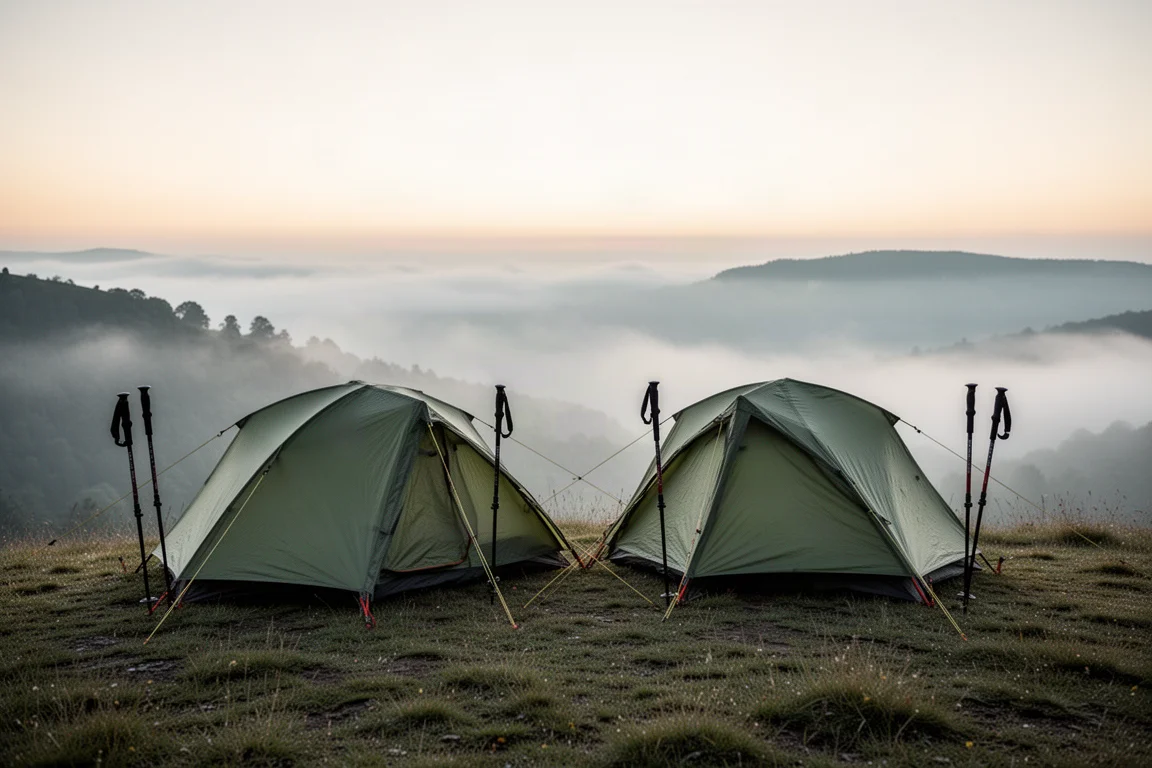
If you are undecided, think about your usual conditions. Colder, draughtier camps favour the Standard, while damp, milder trips and longer distances favour the Pro.
Conclusion
The 2026 3FUL Gear Lanshan 2 Standard and Lanshan 2 Pro take a well-liked two-person trekking pole design and sharpen it. The Standard remains the warm, fully sealed double-wall option at the lower price, while the Pro is lighter, roomier, and better at managing condensation thanks to its silpoly fly and adjustable airflow panel. Both pack down to the same compact size, both include taxes in their pricing, and both deliver the kind of value that makes a light two-person shelter genuinely accessible.
Further reading
Related Reviews
Backpacking Tents
3F UL Lanchan Pro 1 Review: A 1 lb 8 oz Single-Wall Trekking Pole Tent
A practical look at the 3F UL Lanchan Pro 1, a single-wall trekking pole shelter with a 1 lb 8 oz weight, 20D silnylon fabrics, and a roomy 90 x 31 x 49 inch interior.
Backpacking Tents
3F UL Taiji 2-Person Tent: A Convertible Backpacking Shelter Worth a Closer Look
A practical look at the 3F UL Taiji two-person tent, covering its materials, true two-person interior, fly-first pitching, and the seasonal inner swap that lets one shelter cover more of the year.
Backpacking Tents
3FUL Lanshan Twoerson Pro Review: A Light Trekking Pole Shelter That Struggled in Rain
A two-person trekking pole shelter with a 2026 redesign, pitched with sticks and put through a night of steady rain. Here is what worked, what did not, and what to check before buying.