Backpacking Tents
3F UL Taiji 2-Person Tent Review: A Genuine Two-Person Shelter With Year-Round Options
A close look at the 3F UL Taiji 2-Person Tent, covering materials, interior space, weight, the fly-first pitch, and the removable inner that covers warm and cold seasons.
Introduction
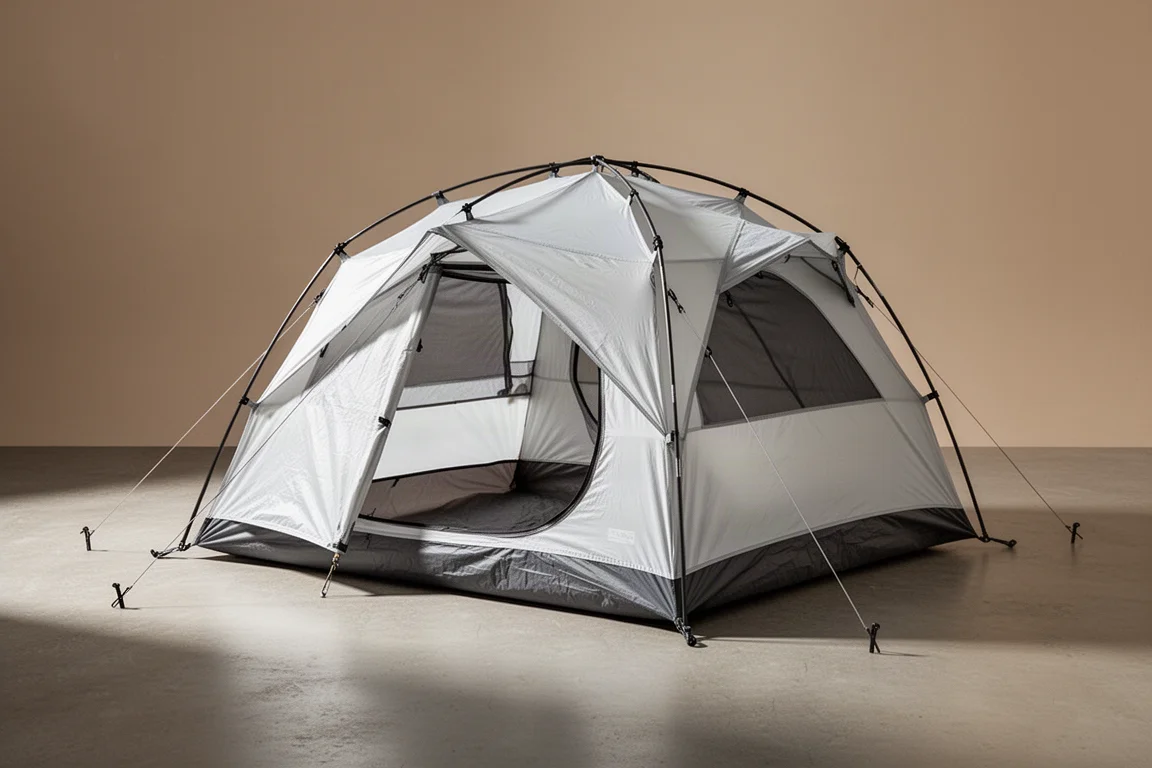
The 3F UL Taiji is a two-door, freestanding backpacking tent that the company presents as a true two-person shelter, and the interior space supports that claim. It arrives with a ground sheet included, a full set of aluminum poles and stakes, a repair kit, and a fly that stays attached to the body during pitching. 3F UL has built a following for producing well-made gear at fair prices, and the Taiji fits that pattern: lightweight treated fabrics, YKK zippers, and a layout that lets two adults sit up at the same time.
This overview covers what comes in the box, how the tent is built, what the interior actually measures, and the one area worth thinking through before you commit. Waterproofing is still being evaluated, so the notes here focus on construction, space, setup, and wind behavior.
Who This Tent Is For
The Taiji is aimed at backpackers who want one shelter that genuinely fits two people and their equipment. Two full-size adults, their sleeping pads, shoes, and backpacks all fit inside, and both occupants can sit upright together. For a solo camper it is enormous, with enough room left over for a dog and a full gear load.
Height matters here. For maximum comfort, being under six feet four inches is the practical limit, because taller sleepers will find their head and feet contacting the walls. Width inside is roughly four feet three inches, and interior height measures around three feet four inches.
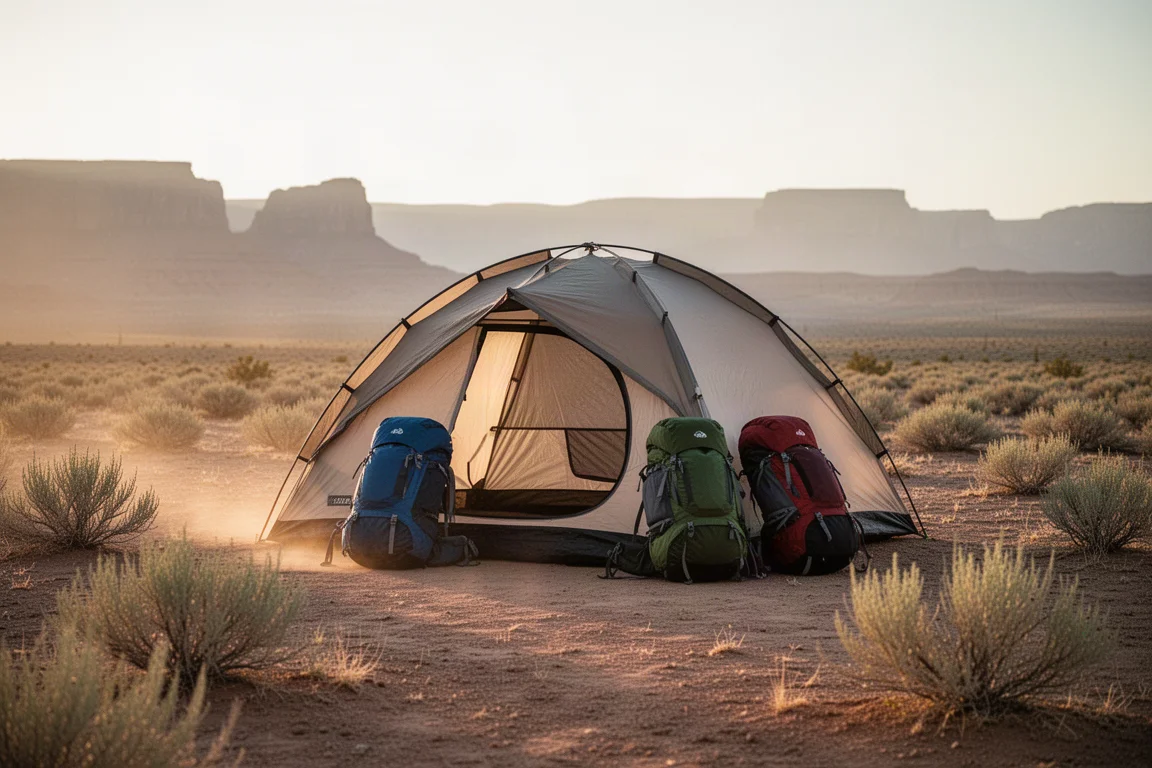
Weight sits at four pounds four and a half ounces with the body, fly, poles, and stakes, and the ground sheet adds another 5.1 ounces. That is on the heavier side for a two-person tent in isolation, but it reads as impressive once you account for how much interior volume the shelter provides.
Materials and Construction Quality
The three-season version uses lightweight ripstop nylon treated with silicone on the outside and polyurethane on the inside, paired with a 20 denier nylon mesh inner. The poles and stakes are aluminum, the zippers are YKK, and the hooks are Duraflex. Even the mesh is nylon rather than the polyester many manufacturers use, which is a meaningful detail for long-term durability.
The company rates the hydrostatic head at 5,000, which is a high figure and should translate to strong water resistance. Inside, the floor is a bathtub design with taped seams, and the construction inspected so far shows clean stitching with no loose threads. Ventilation and condensation control have performed well in use to date.
Space, Size, and Interior Comfort
Set up, the tent measures seven feet one inch long, four feet five inches wide, and three feet eleven inches at the peak. Packed down it occupies roughly 18 inches by 6.5 inches. The two doors are unusually large and can be rolled fully back, and each vestibule rolls open as well and includes a vent. Every door zipper is covered by a storm flap.
Inside, the layout is simple and functional: a bathtub floor, taped seams, one mesh pocket at the end wall, and a hanging hook at the top. There is no excess hardware or clutter, which keeps the interior easy to live in.
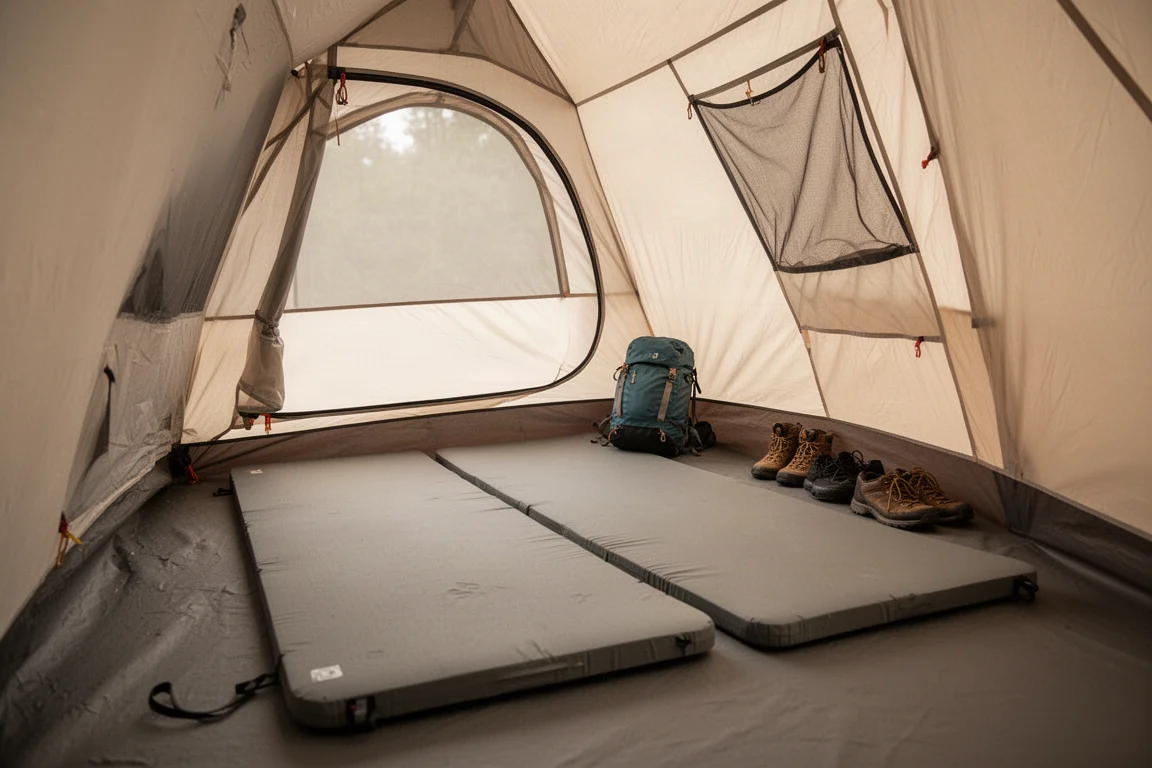
For a two-person shelter, this is a generous footprint. The practical result is that two people can move around, change clothes, and organize gear without the usual negotiation over space.
Setup and the Fly-First Design
Pitching follows a straightforward sequence: stake the tent out, assemble the three poles, clip the fly to the main body poles, then install the short cross support pole. From there you stake the doors, and add side stakes and guy lines if conditions call for them. The process is quick and works in wind as well as calm weather.
The most distinctive part of the design is that the fly and body are joined, so the tent is pitched fly-first. That means the interior stays dry while you set it up in rain, a feature that remains uncommon among backpacking tents. Because the shelter is freestanding, staking is a stability measure rather than a structural requirement.
Three-Season and Four-Season Versions
The Taiji is offered in two configurations. The three-season version uses extensive mesh, which suits warm conditions by allowing airflow and letting heat escape. The four-season version swaps that mesh for solid fabric, which blocks breeze, holds warmth, and keeps snow out for cold-weather trips.
What makes the system notable is that the inner tents are removable. A three-season owner can order the four-season inner for around $105, and a four-season owner can convert the other way. That means one tent can cover the whole year instead of buying a second shelter for winter. The tent is available in gray white, khaki, and green.
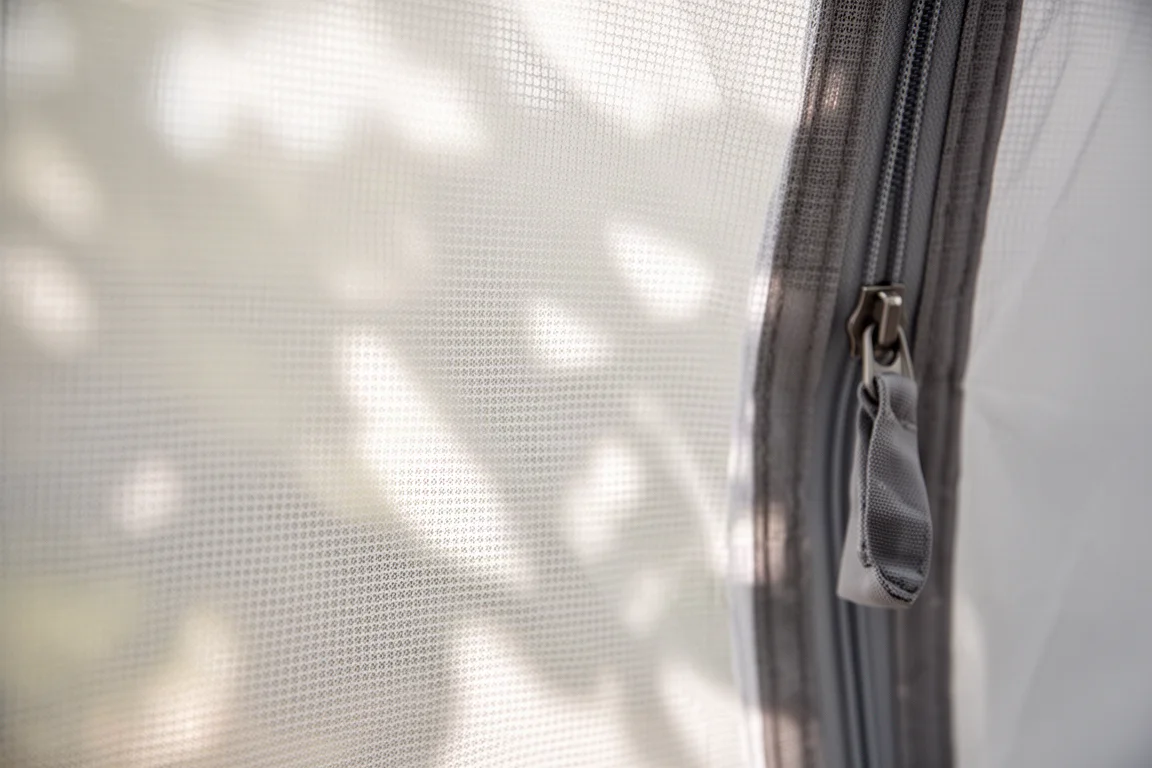
For anyone who camps across multiple seasons but does not want to store a room full of shelters, this is a practical answer rather than a marketing point.
Things to Consider Before Buying
The clearest limitation so far is wind resistance. The fly itself has no guy line attachment points, only the poles do. In strong winds, the fly material has a tendency to push inward against the tent body because there is no way to pull it away and hold it taut. For summer use this is adequate, but it is the obvious area the company could improve.
Waterproofness has not yet been verified in sustained rain, so that remains an open question rather than a confirmed strength. Weight is also worth weighing against priorities: at over four pounds, this is not the lightest two-person option, though the interior space is far above average for that figure.
Buying Advice
At the time of testing, the tent sells for about $213 on Amazon, against a retail price of $222 for the three-season version and $230 for the four-season version. Given the materials, the included ground sheet, and the size of the interior, that pricing is competitive for what the shelter delivers.
The version decision comes down to climate. Choose the three-season model for warm-weather trips where airflow matters most, and the four-season model for cold conditions where heat retention and snow shedding matter more. If you expect to camp year round, the removable inner makes either starting point a long-term purchase rather than a seasonal one.
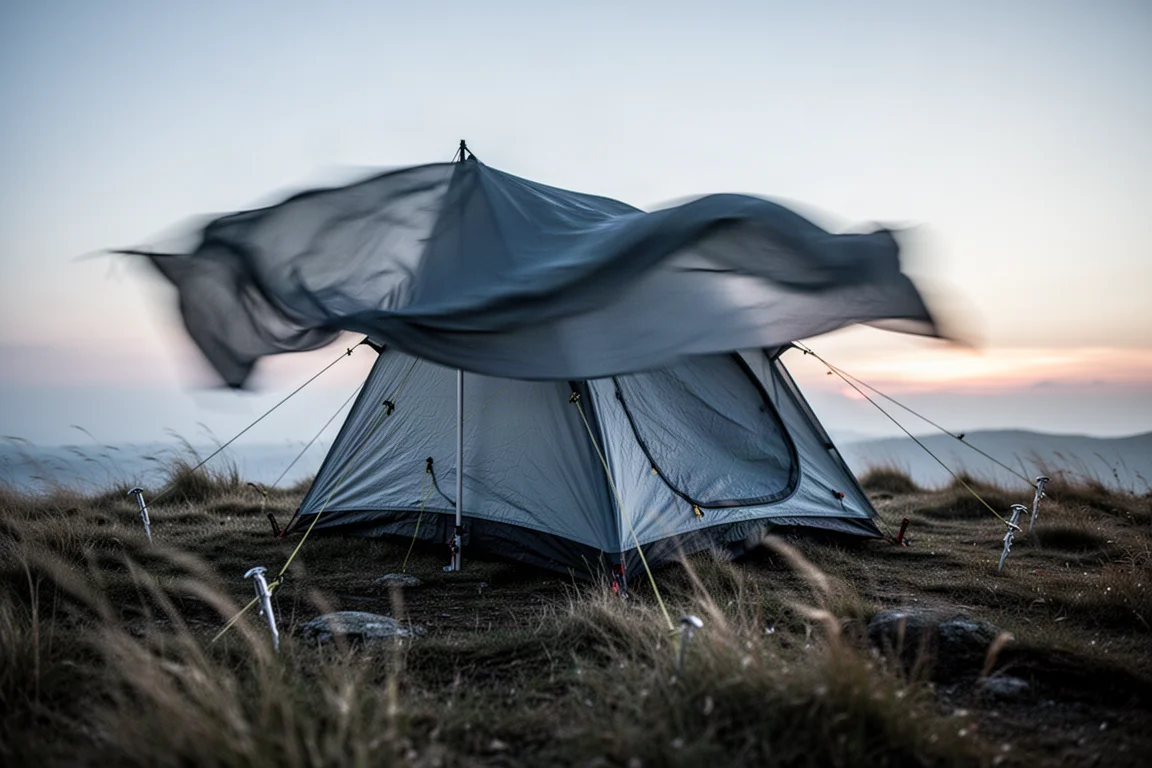
If your trips are mostly sheltered woodland and summer conditions, the wind behavior is unlikely to be a problem. If you regularly camp on exposed ridges or above treeline, plan on that limitation being part of the trade-off.
Conclusion
The 3F UL Taiji 2-Person Tent delivers excellent materials, a genuinely large two-person interior, a simple fly-first pitch, and a price that is easy to justify. The removable inner turns it into a shelter that can serve warm and cold seasons without a second purchase, which is a rare amount of flexibility at this price point. The main caveat is wind resistance at the front and back, where the absence of fly guy line points lets strong gusts push the material inward. For summer and shoulder-season backpacking, that is a minor issue rather than a dealbreaker, and everything else about the tent is well executed.
Product link
View more details for 3F UL Taiji 2-Person Tent
This product is mentioned in the review. Check the specifications, options, and compatibility before buying.
View more details for 3F UL Taiji 2-Person TentFurther reading
Related Reviews
Backpacking Tents
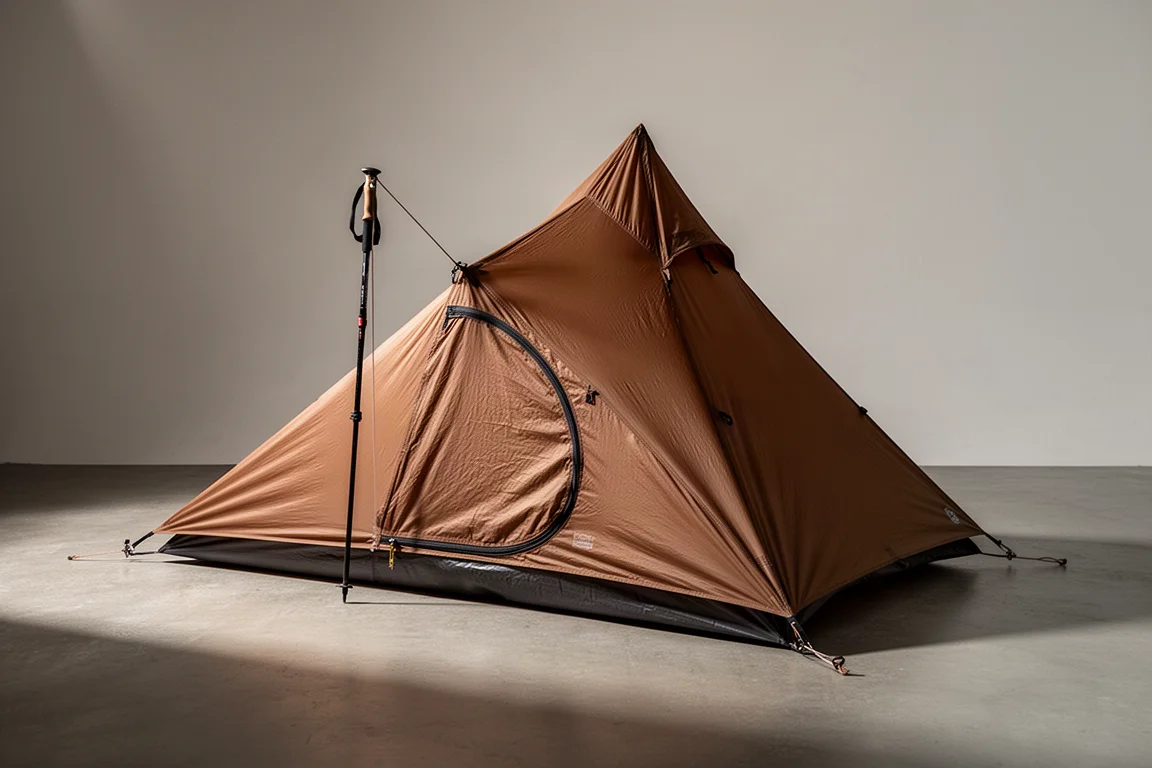
3F UL Lanchan Pro 1 Review: A 1 lb 8 oz Single-Wall Trekking Pole Tent
A practical look at the 3F UL Lanchan Pro 1, a single-wall trekking pole shelter with a 1 lb 8 oz weight, 20D silnylon fabrics, and a roomy 90 x 31 x 49 inch interior.
Backpacking Tents
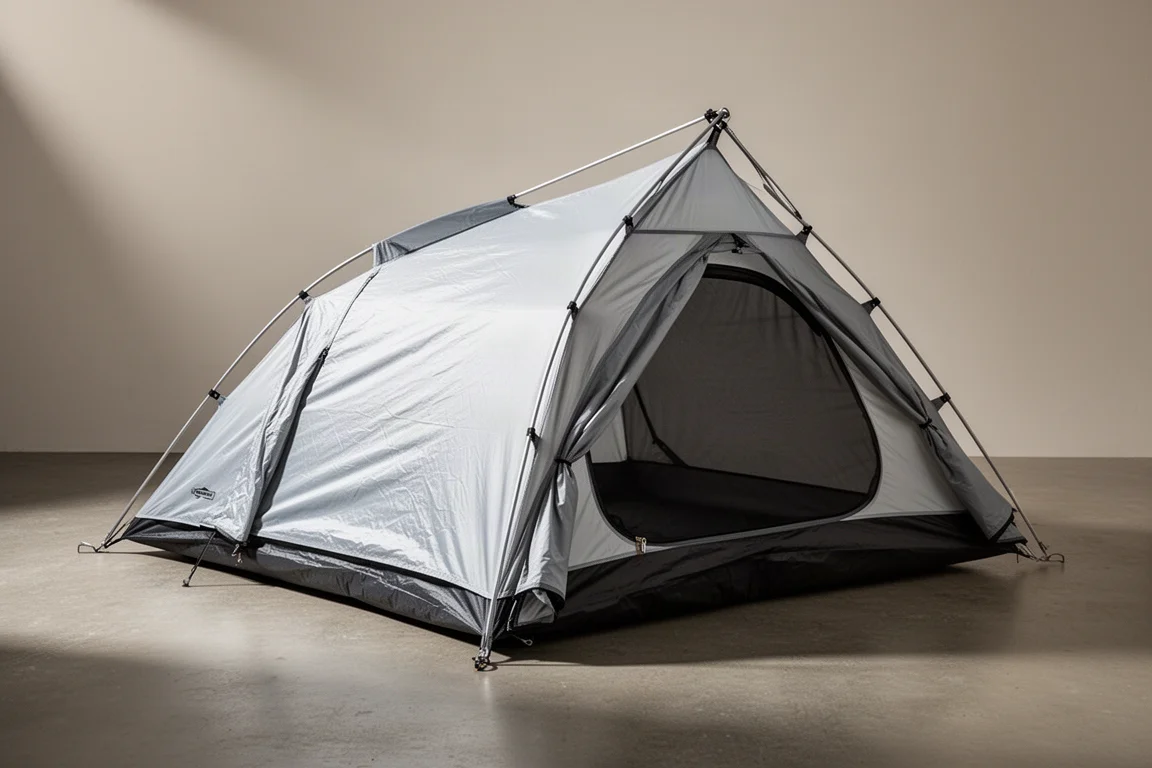
3F UL Taiji 2-Person Tent: A Convertible Backpacking Shelter Worth a Closer Look
A practical look at the 3F UL Taiji two-person tent, covering its materials, true two-person interior, fly-first pitching, and the seasonal inner swap that lets one shelter cover more of the year.
Backpacking Tents
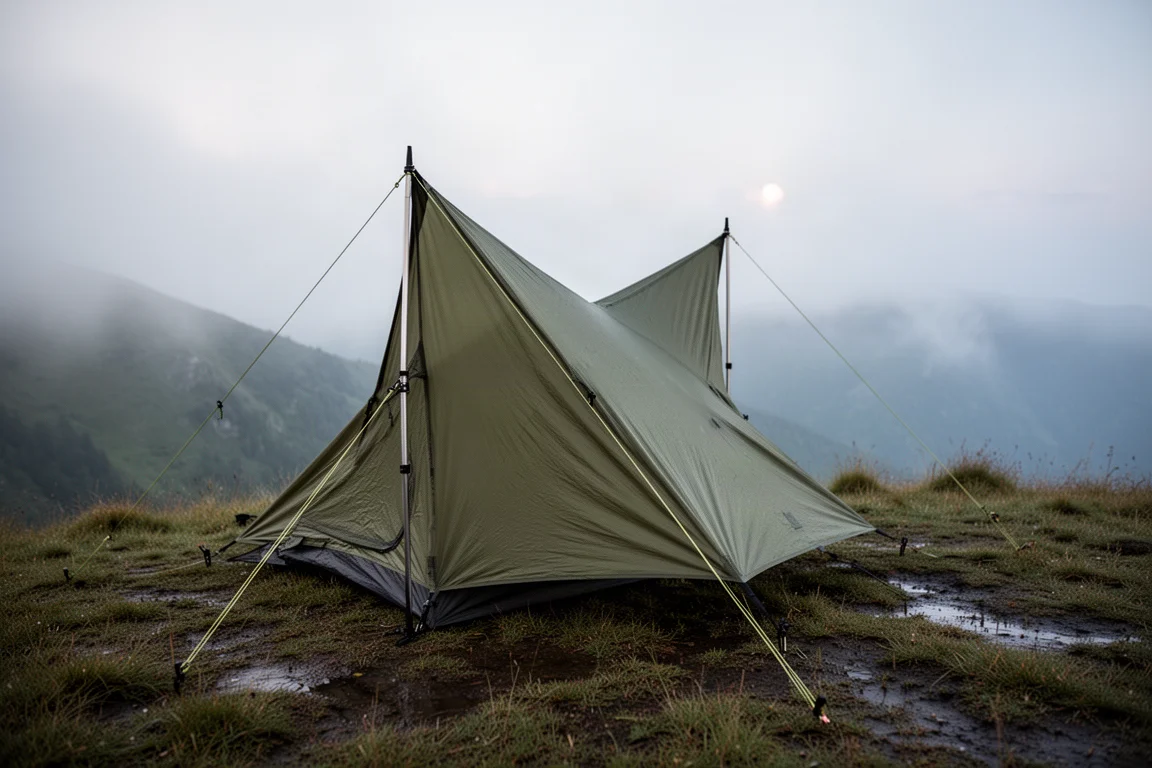
3FUL Lanshan Twoerson Pro Review: A Light Trekking Pole Shelter That Struggled in Rain
A two-person trekking pole shelter with a 2026 redesign, pitched with sticks and put through a night of steady rain. Here is what worked, what did not, and what to check before buying.