Backpacking Tents
3F UL Gear LanShan Pro Review: A Budget Ultralight One-Person Tent That Stays Dry
A lightweight one-person shelter with a low price, a carbon fiber pole, and a rain test that ended with a completely dry interior.
Introduction
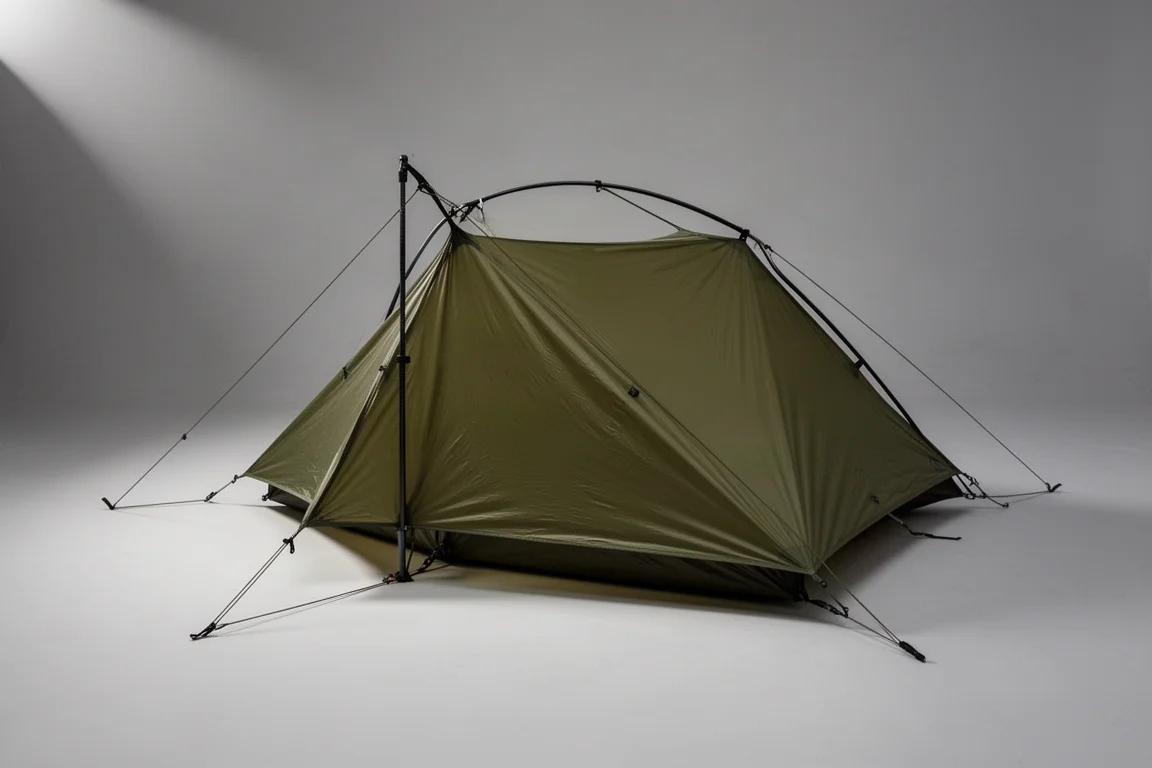
The 3F UL Gear LanShan Pro is a one-person ultralight shelter aimed at backpackers who want low weight and a low price in the same package. It can be ordered with factory seam sealing or without it, and choosing the sealed version adds a $35 fee to the price. The build quality is solid, the interior footprint is generous for a solo tent, and it pitches quickly without a fuss.
The real question with any lightweight silicone nylon shelter is whether water eventually finds a way through. To answer it, this tent was pitched through a full weather system: light rain, a sustained moderate downpour, then overnight showers and thunderstorms, finishing with a heavy burst of rain the following morning. The interior was checked at each stage.
Who This Tent Is For
This is a shelter for solo backpackers, thru-hikers, and bikepackers who count grams and dollars with equal care. It suits anyone who wants a genuinely light one-person tent without moving into premium pricing, and who is comfortable making small adjustments to guy lines and stake points when the fabric gets wet.
It also suits two kinds of buyers on the seam sealing question. If you would rather not touch a tube of sealant, the factory-sealed option removes the task for a $35 fee. If you are happy to seal it yourself, this tent rewards a careful hand and a little patience.
Main Strengths
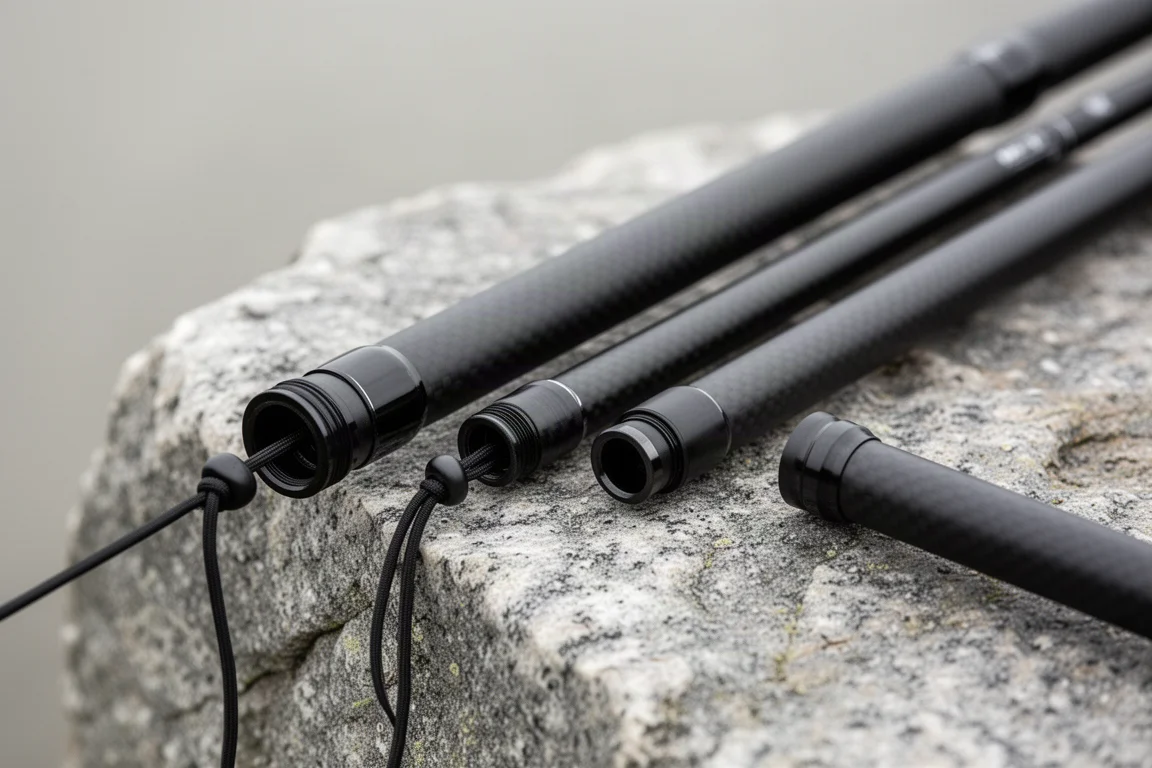
The most obvious strength is weight. This is a very lightweight tent, and the included carbon fiber pole is extremely light as well as compact, folding down small enough to disappear into a pack. Materials throughout feel top-notch rather than merely adequate, and the construction holds up to close inspection.
The price is the other headline. For a tent of this weight and build quality, the cost is genuinely budget-friendly, which is unusual in the ultralight category.
Size is another point in its favour. The interior is roomy for a single occupant, and setup is straightforward enough that pitching it in poor light or bad weather should not be a struggle.
Setup, Size, and Packability
Setup is quick and intuitive. The tent goes up without a complicated sequence, which matters when you are pitching in wind or fading light. The single-person interior gives a solo camper enough space to move around and keep a pack inside, rather than treating the tent as a purely horizontal sleeping slot.
Packability follows from the carbon fiber pole. It is extremely light and folds up compactly, so the whole shelter packs down small. For anyone carrying their gear over long distances, that combination of low weight and small packed volume is the practical payoff.
Waterproofing and Weather Performance
The test began with 10 to 15 minutes of light rain, followed by roughly 45 minutes of moderate rain. When the interior was checked at that point, it was completely dry. The only change was minor sagging, which is expected from silicone nylon once it wets out, and it was corrected by adjusting the tent.
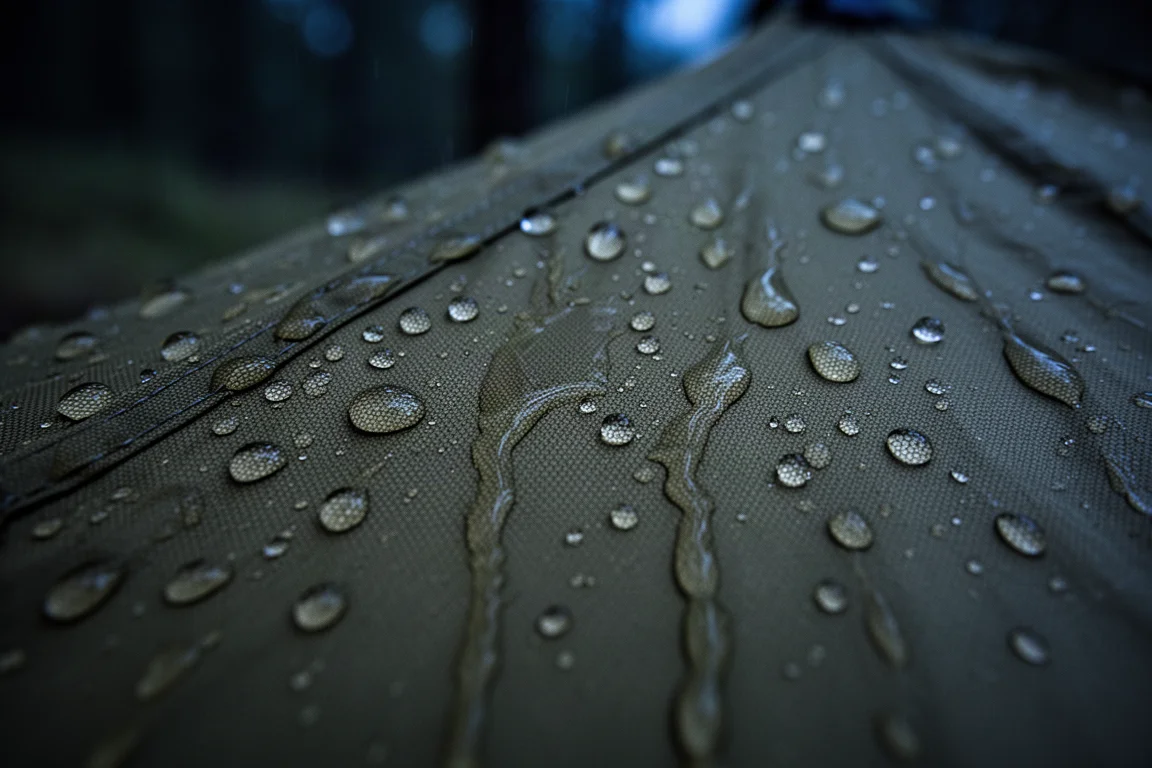
The overnight hours brought on and off showers and thunderstorms, and a heavy downpour arrived at six in the morning. The following day the interior was still completely dry, with no leaking anywhere. There was a small amount of condensation, but nothing severe. The seam sealing held perfectly across every stage of the test.
Things to Consider Before Buying
Silicone nylon stretches when it gets wet, so plan on re-tensioning guy lines and stake points during and after rain. The stretching on this tent was minor, but it is real, and ignoring it will leave the fly flapping and the pitch looser than it should be.
Condensation does appear inside, though in this testing it stayed modest rather than troublesome. If you sleep in humid conditions with limited ventilation, expect some moisture on the inner surfaces by morning.
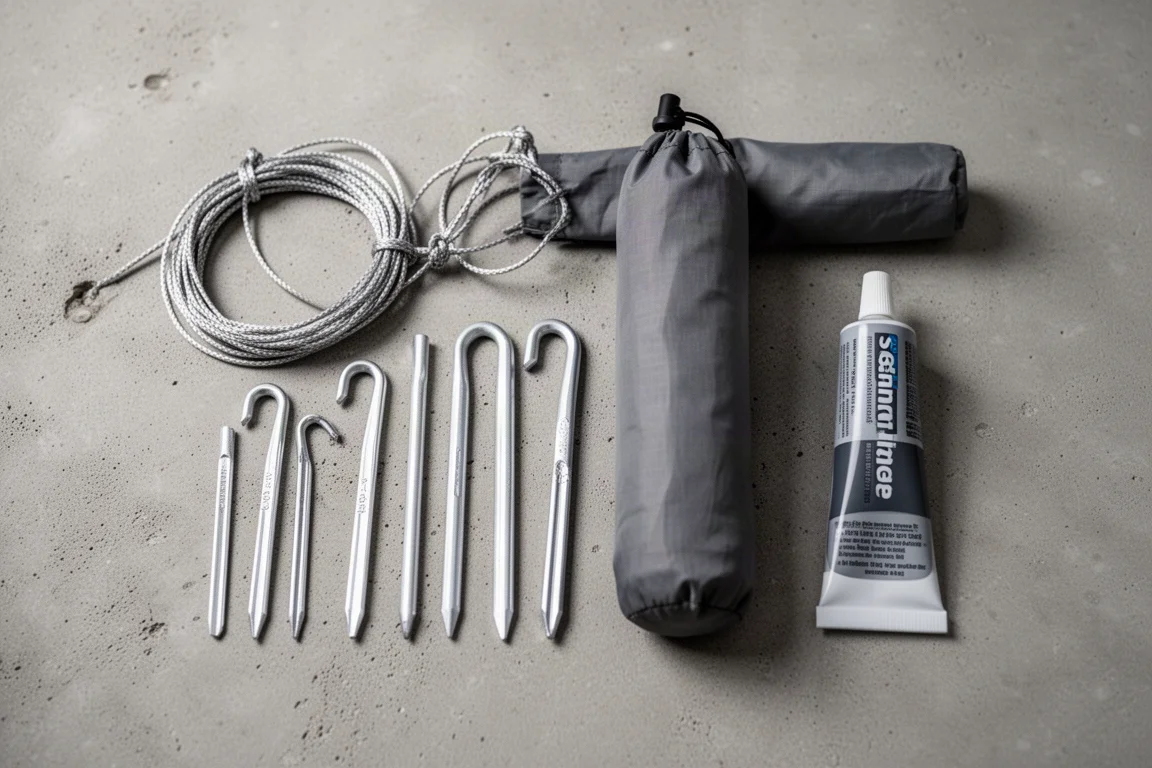
The seam sealing decision deserves thought. Sealing a tent yourself is a simple job done properly, but it is easy to skip a spot or run too lightly over stitching, which is exactly why any self-sealed or repaired tent should be waterproof tested before it goes on a trip. Buyers who would rather avoid that work can pay the $35 fee and skip the task entirely.
Buying Advice
If you want the tent ready to use out of the box, order the seam-sealed version and treat the $35 as part of the purchase price. If you prefer to seal it yourself, set aside proper time, work carefully along every seam and stitch line, and then run a water test at home before you rely on it in the field. That single habit prevents the most common disappointment with lightweight shelters.
Either way, the value proposition here is strong: a very lightweight one-person tent with impressive quality, a top-notch carbon fiber pole, and a price that undercuts most of the ultralight field. Buyers who understand the small maintenance demands of silicone nylon will get a lot out of it.
Conclusion
The 3F UL Gear LanShan Pro is waterproof once it is seam-sealed, and it stayed completely dry through light rain, a sustained downpour, overnight thunderstorms, and a heavy morning soaking, with only light condensation inside. Combined with its low weight, compact carbon fiber pole, generous solo interior, and budget-friendly price, it is a compelling choice for backpackers who want ultralight performance without a premium outlay. Just budget for the seam sealing, either as a $35 add-on or as an afternoon of careful work.
Product link
View more details for 3F UL Gear LanShan Pro 1-Person Tent
This product is mentioned in the review. Check the specifications, options, and compatibility before buying.
View more details for 3F UL Gear LanShan Pro 1-Person TentFurther reading
Related Reviews
Backpacking Tents
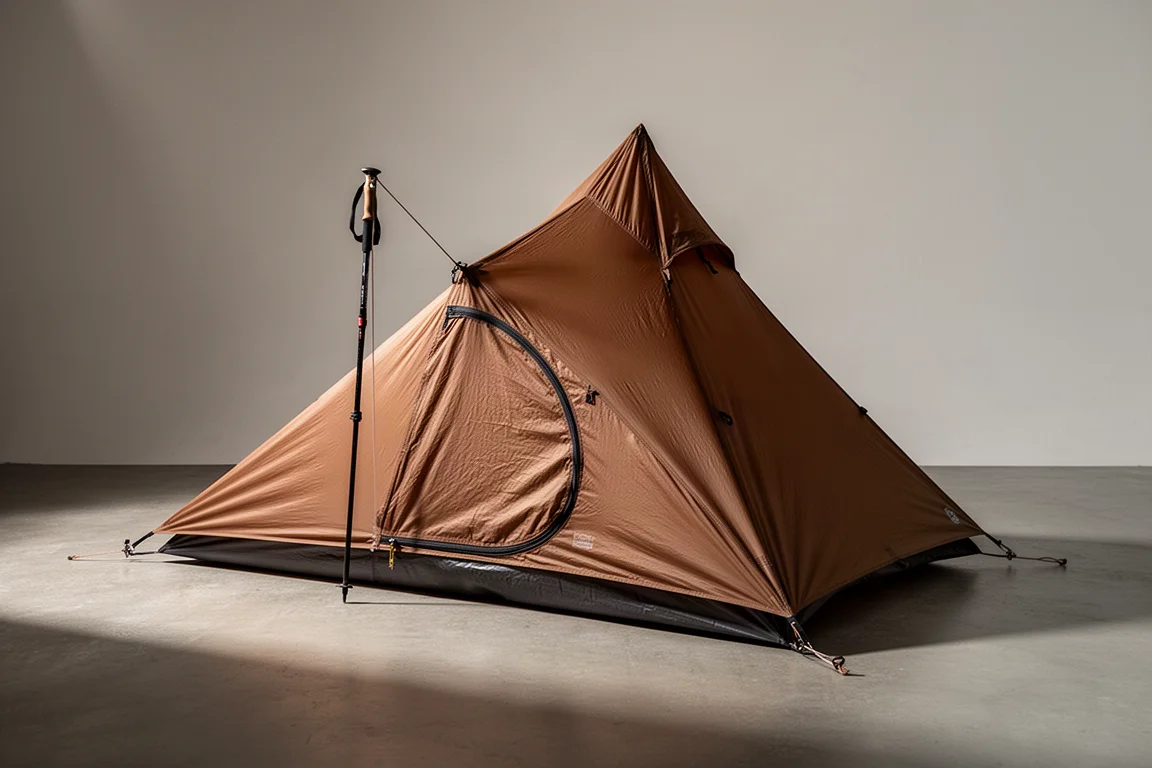
3F UL Lanchan Pro 1 Review: A 1 lb 8 oz Single-Wall Trekking Pole Tent
A practical look at the 3F UL Lanchan Pro 1, a single-wall trekking pole shelter with a 1 lb 8 oz weight, 20D silnylon fabrics, and a roomy 90 x 31 x 49 inch interior.
Backpacking Tents
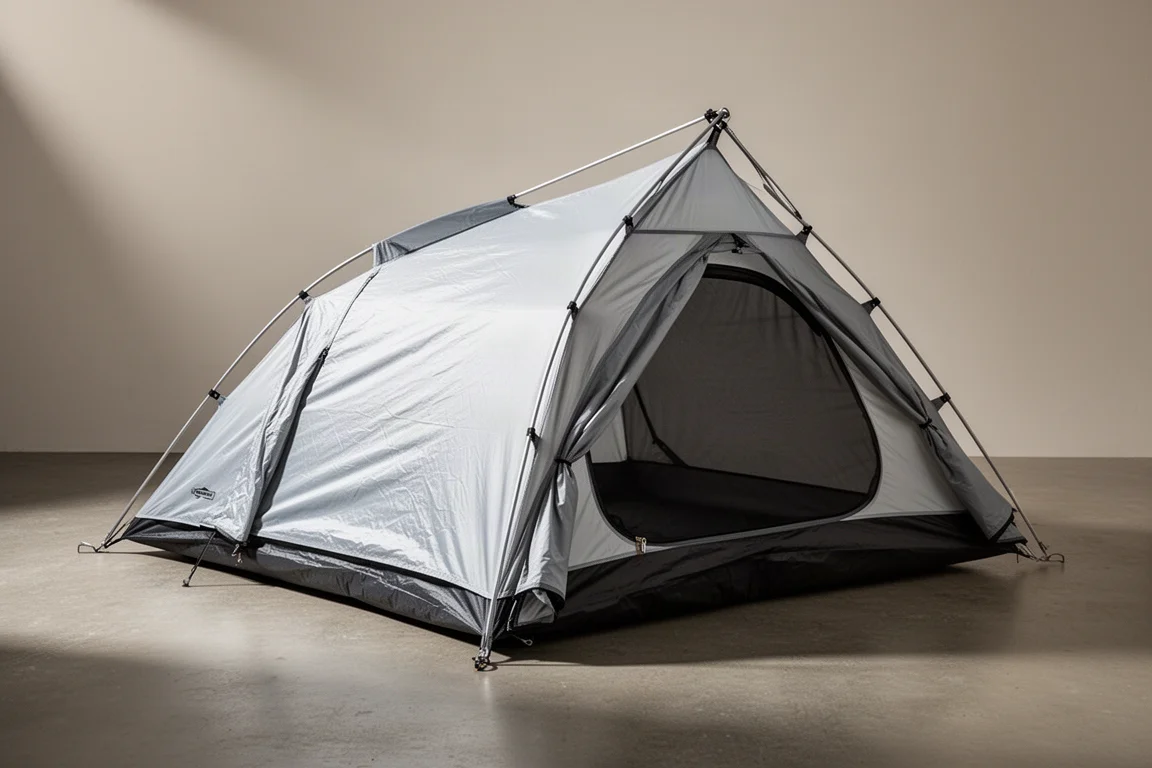
3F UL Taiji 2-Person Tent: A Convertible Backpacking Shelter Worth a Closer Look
A practical look at the 3F UL Taiji two-person tent, covering its materials, true two-person interior, fly-first pitching, and the seasonal inner swap that lets one shelter cover more of the year.
Backpacking Tents
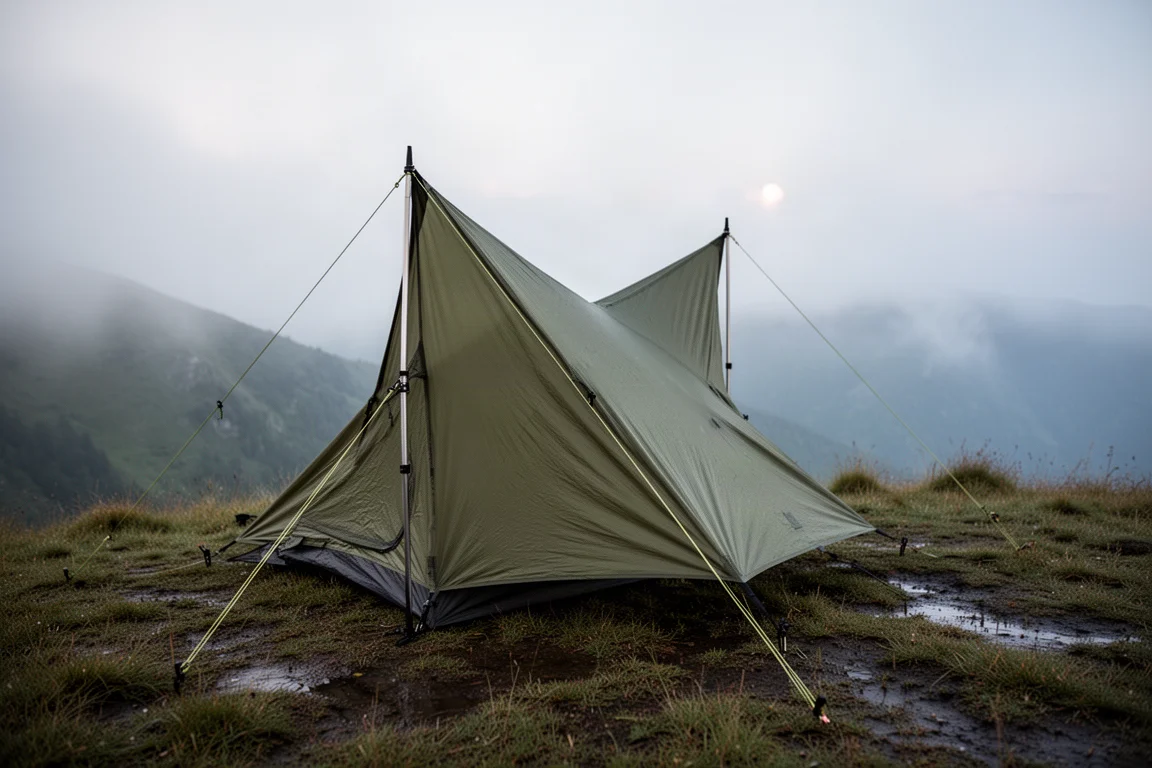
3FUL Lanshan Twoerson Pro Review: A Light Trekking Pole Shelter That Struggled in Rain
A two-person trekking pole shelter with a 2026 redesign, pitched with sticks and put through a night of steady rain. Here is what worked, what did not, and what to check before buying.